
Struggling to get that perfectly clear, streak-free shine on your car windows? You might be reaching for a familiar blue bottle, wondering if it’s the right tool for the job. Many drivers face frustration with hazy windshields and persistent streaks after cleaning.
The safest and most expert-backed answer is to avoid Windex Original on car windows, particularly the inside of the windshield, because its ammonia content can degrade window tint adhesive and dry out rubber seals. While it might seem to work initially, the long-term risks outweigh any temporary cleaning benefits. Use an automotive-specific glass cleaner for guaranteed safety and a streak-free result.
Based on an analysis of its chemical composition and established professional detailing standards, this guide explains exactly why that household cleaner can cause damage. You will discover the science behind the risks, the best automotive-safe cleaner alternatives, and the pro-level technique to achieve a flawless finish every time.
Key Facts
- Ammonia is the Primary Culprit: The ammonia in Windex Original is a caustic chemical that can damage the dye and adhesive layer of aftermarket window tint, leading to bubbling, peeling, and discoloration.
- Streaks Are Caused by Residue: Industry analysis reveals that Windex is more prone to leaving streaks on car glass because its surfactants and fragrances leave a faint residue that becomes visible on the low-angle surface of a windshield.
- Risk Extends Beyond Glass: Windex overspray can strip protective wax or sealant from car paint, and repeated exposure can accelerate the drying and cracking of exterior rubber seals and interior vinyl.
- Ammonia-Free is Safer, Not Better: While Windex Ammonia-Free products eliminate the primary risk of damaging tint, they may still leave behind a stubborn film or haze compared to specialized automotive cleaners.
- Automotive Cleaners Are Chemically Different: The top automotive glass cleaners use specialized solvent-based formulas that dissolve dirt and interior haze without leaving soapy residue, ensuring a crystal clear finish.
What Is The Definitive Answer: Can You Use Windex on Car Windows?
The definitive answer is no, you should not use Windex Original on your car windows, especially if your vehicle has aftermarket window tint. This expert advice is based on the chemical composition of the household cleaner and the sensitive nature of automotive materials. While it’s tempting to use what’s readily available, the potential for costly damage to your window tint, rubber seals, and interior plastics makes it an unwise choice for vehicle care.

The core issue lies with ammonia, a key ingredient in the classic blue Windex formula. This chemical is highly effective on household glass but poses a significant threat to the delicate components in your car. Professional detailers and car care experts universally recommend using a dedicated, automotive-safe glass cleaner to avoid these risks and achieve a superior, streak-free result. The confusion often arises because the glass itself seems durable, but the surrounding materials are not.
Why Do Professional Detailers Say “Don’t Use Windex”?
When you ask a professional detailer for their expert advice on cleaning auto glass, you’ll hear a consistent warning: don’t use Windex. This isn’t just a preference; it’s an industry best practice rooted in preventing common mistakes that can damage a vehicle. Professionals prioritize products that are not only effective but also completely safe for every surface they might touch.
Professional detailers advise against Windex Original because it contains ammonia and surfactants that lead to difficult-to-remove streaks and long-term damage. They choose specialized automotive glass cleaners because they are certified safe for window tint film and provide a non-streaking formula.
Here are the top reasons why Windex is a common mistake for DIY car cleaning:
* Ammonia Content: This is the number one reason. Ammonia attacks the adhesive layer of aftermarket window tint, leading to bubbling and peeling.
* Streaky Residue: Household cleaners often contain soaps and fragrances that don’t fully evaporate, leaving behind a film that causes streaks and haze, especially on the interior of the windshield.
* Damage to Other Surfaces: Overspray is inevitable. Windex can dry out and harden rubber window seals, strip wax from paint, and potentially damage sensitive dashboard vinyl and plastics.
* Lack of Specialization: Automotive cleaners are formulated to tackle specific automotive problems, like the greasy film caused by dashboard “outgassing,” which Windex is not designed to handle effectively.
Why Is The Ammonia In Windex Dangerous For Car Windows And Tint?
The primary danger of using Windex on your car comes down to one chemical: ammonia. In Windex Original, ammonia is a powerful cleaning agent, but its caustic properties make it incompatible with many automotive surfaces. The risk isn’t just to the glass but to the entire ecosystem of materials around your windows, including tint, rubber, plastic, and paint.
Ammonia poses three primary risks to vehicles: it degrades the adhesive in aftermarket window tint film, causes rubber window seals to dry out and crack, and can strip protective waxes or damage sensitive interior plastics and vinyl. Understanding how this chemical interaction occurs is the key to protecting your investment and choosing the right car care products.
How Does Ammonia Damage Aftermarket Window Tint Film?
The most significant and costly risk of using Windex is the damage it can cause to aftermarket window tint. It’s important to distinguish between factory-tinted glass, where the color is inside the glass itself, and aftermarket tint, which is a thin polyester film applied to the interior surface. This film is held in place by a pressure-sensitive adhesive layer.
Ammonia damages aftermarket window tint by attacking the adhesive that bonds the film to the glass, causing the tint to bubble and peel away from the window, and potentially discoloring the film’s protective dye. This chemical reaction effectively dissolves the “glue” holding the tint in place, dramatically shortening its lifespan. Many tint warranty disclaimers explicitly void coverage if ammonia-based cleaners are used.
Common symptoms of ammonia damage to car window tint include:
* Bubbling: Pockets of air or cleaning solution get trapped between the film and the glass as the adhesive fails.
* Peeling: The edges of the tint film begin to lift and curl away from the window.
* Discoloration: The ammonia can react with the dyes in the tint film, causing it to turn purple or fade unevenly.
Can Windex Damage Car Paint, Rubber Seals, Or Vinyl Interiors?
Yes, the risk of damage from Windex extends beyond your window tint. Accidental overspray, which is almost certain to happen when cleaning windows, can harm several other components of your vehicle.
Windex can damage car paint by stripping protective wax and sealants, accelerate the degradation of exterior rubber seals causing them to become brittle, and potentially dry out interior vinyl and plastic components due to the harsh chemicals.
Here’s a breakdown of the secondary risks:
* 🚗 Car Paint: Ammonia is a strong solvent that can strip away the protective layer of wax or ceramic coating on your paint. This leaves the clear coat vulnerable to UV rays and environmental contaminants, potentially leading to clear coat damage over time.
* ❌ Rubber Seals: The rubber seals around your windows and doors are designed to be flexible. Ammonia dries out the natural oils in the rubber, causing it to become hard, brittle, and prone to cracking. This can lead to water leaks and increased wind noise.
* 👷 Vinyl and Plastic Interiors: The dashboard, door panels, and other interior components are often made of vinyl and plastic. Repeated exposure to ammonia from Windex overspray can dry out these surfaces, leading to fading and cracking over the long term.
Pro Tip: If you accidentally get Windex on your paint or interior trim, wipe it up immediately with a clean, damp microfiber towel to neutralize the chemical and minimize potential damage.
Is Ammonia-Free Windex Safe To Use On My Car Windshield?
Seeing the warnings about ammonia, you might wonder about the ammonia-free versions of Windex. This is a common point of confusion for many car owners looking for a safe and convenient option.
Yes, Windex Ammonia-Free is chemically safe for car windows and tint because it lacks the caustic chemicals that degrade film adhesive. However, professional detailers still recommend specialized automotive glass cleaner for a guaranteed streak-free, haze-free finish. While you eliminate the primary risk of damage, you may not get the optimal performance you want for your car. The main issue shifts from safety to results, as these household formulas can still leave behind residue that causes streaks on auto glass.
How Does Ammonia-Free Windex Compare to Automotive Glass Cleaner?
While ammonia-free Windex is a safer choice than the original, it’s still a household product not specifically engineered for automotive challenges. Automotive glass cleaners contain specialized, non-ionic surfactants that evaporate completely without leaving behind the residue often responsible for streaks and interior windshield haze. This difference in chemical composition is why professionals always choose a car-specific cleaner.
Here is a direct comparison of the three main options:
| Feature/Aspect | Windex Original | Windex Ammonia-Free | Automotive Glass Cleaner (e.g., Invisible Glass) |
|---|---|---|---|
| Ammonia Content | Yes (High) | No | No |
| Window Tint Safety | ❌ High Risk of Damage | ✅ Safe (Low Risk) | ✅ Guaranteed Safe |
| Streak Potential | High (Due to residue) | Medium (Residual Surfactants) | Low (Evaporates completely) |
| Rubber/Vinyl Safety | Low (Drying/Brittleness) | High | High |
| Interior Haze Risk | High | Medium | Low |
| Specialized Features | None | None | Hydrophobic coating, Anti-Fog |
As the table shows, the automotive glass cleaner is the only option that guarantees safety and delivers superior performance across all criteria, especially in preventing the frustrating streaks and interior haze.
What Is The Best Automotive Glass Cleaner To Use Instead of Windex?
Now that you know to avoid household cleaners, the next step is choosing the right tool for the job. The best alternatives to Windex are dedicated automotive glass cleaners. These products are engineered with specialized solvent-based formulas that quickly dissolve dirt, grease, and the unique interior haze from dashboard outgassing without leaving behind soapy residue or damaging sensitive materials.
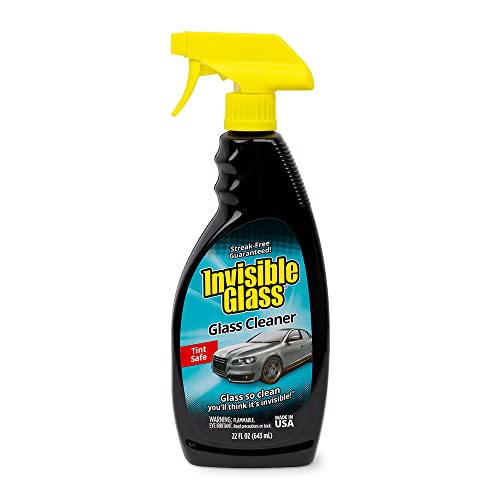
The three best alternatives to Windex for car windows are Invisible Glass, Chemical Guys Signature Series Glass Cleaner, and Meguiar’s Perfect Clarity Glass Cleaner, all of which are 100% ammonia-free and designed for a perfect streak-free finish. These top-rated brands are trusted by professional detailers and enthusiasts alike for their reliable performance and safety on all automotive surfaces, including tinted windows, navigation screens, and polycarbonate windows.
Which Automotive Cleaners Offer a Non-Streaking, Crystal Clear Finish?
The secret to a truly non-streaking, crystal clear finish lies in the chemical composition of the cleaner. The best streak-free cleaners are often solvent-based, allowing them to rapidly dissolve interior buildup like vinyl outgassing and fingerprints without leaving behind the soapy surfactants common in household formulas.
To achieve that lint-free shine, look for an automotive glass cleaner with these key attributes:
* Ammonia-Free Formula: This is non-negotiable for protecting window tint and rubber seals.
* Solvent-Based: Cleaners with solvents (like certain types of alcohol) are better at cutting through the oily, greasy film found inside cars.
* No Soaps, Dyes, or Fragrances: These additives are the primary cause of the surfactant residue that leads to streaks and haze. Professional-grade cleaners evaporate cleanly.
* Anti-Static Properties: Some advanced formulas help repel dust, keeping your glass cleaner for longer.
Practical Tip: Always clean your car windows in the shade. Direct sunlight can cause any cleaner to evaporate too quickly, which is a leading cause of streaking, even with the best products.
How Do You Properly Clean The Inside of Your Car Windshield Without Streaks?
Using the right product is only half the battle; proper technique is essential for a perfect, streak-free result. Professional detailers use a specific, tested method to ensure a crystal clear finish every time, and it’s easy to replicate at home.
To properly clean the inside of a car windshield without streaks, use a two-towel method: spray cleaner onto the first microfiber towel to wipe the surface, and immediately follow with a second, dry microfiber towel to buff the glass to a streak-free finish. This technique ensures you apply the product evenly and remove all residue before it has a chance to dry.
Here is the step-by-step professional process:
- Prepare the Surface: Clear your dashboard of any items. To prevent the cleaner from drying too fast, make sure your car is parked in the shade and the glass is cool to the touch.
- Apply Cleaner to the Towel: Never spray cleaner directly onto the interior glass. This prevents overspray from damaging your dashboard and infotainment screen. Instead, lightly mist your automotive glass cleaner onto a clean, folded microfiber towel.
- Wipe the Glass: Using the damp towel, wipe the inside of the windshield with firm, overlapping strokes. Pro detailers often wipe the inside with vertical strokes and the outside with horizontal strokes. This trick allows you to easily tell which side a streak is on if you miss a spot.
- Buff Immediately: Before the cleaner can dry, immediately take your second, completely dry microfiber towel and buff the glass to a brilliant shine. Use firm, overlapping strokes until all moisture and residue are gone.
- Check Your Work: View the glass from different angles, both inside and outside the car, to spot any remaining streaks or hazy patches and touch them up.
Step 1: How To Prepare The Interior Surface Before Cleaning?
A crucial step that many people skip is preparing the interior before the glass even gets touched. The haze on your windshield is often caused by a greasy film that comes from your dashboard. This process is called “outgassing,” where heat causes volatile organic compounds (VOCs) to evaporate from vinyl and plastic components and settle on the cooler glass.
The interior windshield should be prepped by clearing the dashboard area, wiping down the dashboard edge with an interior cleaner, and ensuring the car is parked in a shaded area to prevent the glass cleaner from rapidly drying and causing streaks.
Before you clean the glass, follow these preparation steps:
1. Clear the Area: Remove any dash mats, phone holders, or papers from your dashboard to give yourself clear access to the entire windshield.
2. Wipe Down the Dashboard: Use a separate microfiber towel and a quality car interior cleaner to wipe down the dashboard, especially the area right up against the windshield. This removes dust and the oily outgassing film, preventing you from smearing it onto the glass.
3. Gather Your Tools: Get two clean, high-quality microfiber towels and your automotive glass cleaner ready. Using dirty or low-quality towels is a primary cause of lint and streaks.
How Can You Remove Haze And Repair Damage Caused By Household Cleaners?
If you’ve already used Windex or another household cleaner and are now dealing with a stubborn haze or persistent streaks, don’t worry. In most cases, this film is just residue and can be removed with the right technique. However, physical damage to tint or rubber is often permanent.
To fix streaky car windows, re-clean the glass using a 70% isopropyl alcohol solution and a clean microfiber towel, applying horizontal and vertical pressure to remove residual soap film or surfactants that household cleaners left behind. Isopropyl alcohol is an excellent solvent that effectively cuts through the greasy, soapy residue without leaving any film of its own.
Follow these steps for a streaky windshield fix:
1. Create a solution of one part 70% isopropyl alcohol and one part distilled water in a spray bottle.
2. Lightly spray the solution onto a clean microfiber towel.
3. Thoroughly wipe down the interior glass to dissolve and lift the Windex residue.
4. Immediately buff the area dry with a second, clean microfiber towel.
5. Once the residue is gone, you can follow up with a quality automotive glass cleaner for a final polish and added protection.
What Causes The Haze And Fog Film On The Inside of The Windshield?
That annoying, foggy film that seems to reappear on the inside of your windshield has two primary causes. Understanding them is key to both cleaning it effectively and preventing it from coming back so quickly.
Interior windshield haze is caused by volatile organic compounds (VOCs) released from hot dashboard materials (a process called “outgassing”) and, secondarily, by the buildup of residual surfactants (soap film) left by incompatible household glass cleaners like Windex.
- Outgassing: This is the main culprit. Your car’s dashboard and plastic trim are made with chemicals called plasticizers. When the interior heats up, these chemicals evaporate into the air and then condense on cooler surfaces, like your windshield, forming an oily, greasy film. This is often what people are smelling when they notice a “new car smell.”
- Surfactant Residue: The second cause is using the wrong cleaner. Household glass cleaners contain soaps, scents, and other additives (surfactants) that don’t fully evaporate. This leaves behind a microscopic layer of residue that attracts dust and moisture, creating that hazy, streaky appearance.
FAQs About does windex work on car windows
Can I put Windex in my windshield wiper fluid reservoir?
No, you should never put Windex in your windshield wiper fluid reservoir. Household cleaners lack the necessary antifreeze agents and can freeze in the winter, damaging the reservoir, lines, and pump. Furthermore, the surfactants can cause excessive foaming and may degrade the rubber on your wiper blades, leading to premature wear.
What is the best household product I can use instead of Windex?
The safest household alternative for outside car windows is a simple solution of 50% distilled water and 50% white vinegar. Vinegar is a mild acid that can help cut through grime without ammonia. However, for interior glass or tinted windows, a dedicated automotive glass cleaner is still the superior choice to avoid any risk and the lingering vinegar smell.
Can you use Windex on outside car windows?
While technically less risky than using it inside, it is still not recommended to use Windex on outside car windows. Overspray will inevitably land on your paint and trim, potentially stripping wax and drying out rubber. Additionally, the surfactants in Windex are more likely to cause streaks when exposed to sunlight compared to an automotive formula.
How to clean car windows without Windex?
The best method involves using a dedicated automotive glass cleaner and two high-quality microfiber towels. Spray the cleaner onto the first towel (not the glass), wipe the window in one consistent direction (e.g., vertical), and then immediately use the second, dry towel to buff the glass in the opposite direction (e.g., horizontal) for a perfect, streak-free finish.
Will Windex remove bugs from my windshield?
Windex is largely ineffective against dried, baked-on bugs and can damage the paint’s clear coat if you scrub too hard. A dedicated bug and tar remover is much more effective and safer. For fresh bugs, pre-soaking the area with car wash soap and water before gently wiping is a better approach.
Can Windex damage my car’s navigation or infotainment screen?
Yes, absolutely. Never use Windex or any ammonia-based cleaner on your car’s infotainment or navigation screen. These screens have delicate anti-glare and anti-fingerprint coatings that ammonia can permanently strip away, causing a hazy or etched appearance. Use a cleaner specifically designed for electronics and spray it onto the cloth first.
Is Windex with vinegar safe for car tint?
No, it is still not recommended for aftermarket tinted windows. While the formula is typically ammonia-free, it can contain other surfactants, dyes, and cleaning agents that may leave a residue or slowly affect the tint’s adhesive layer over time. It’s always safest to stick with a product explicitly labeled “tint-safe.”
How do I fix Windex damage on vinyl or rubber seals?
Unfortunately, once ammonia has caused rubber to become dry, brittle, and cracked, the damage is irreversible and the seal will likely need replacement. For vinyl, you can try to mitigate further damage by applying a high-quality automotive interior protectant that contains UV blockers and conditioning agents to restore some moisture.
Can you use regular glass cleaner on car windows?
You can use an ammonia-free household glass cleaner on exterior car windows with caution, but it is not recommended for the interior. Automotive glass cleaners are specifically formulated to tackle the unique greasy film from dashboard outgassing without leaving the streaky residue that most household cleaners do.
Does Windex leave streaks on car glass more than auto cleaners?
Yes, Windex is significantly more prone to streaking on auto glass. This happens because its formula contains surfactants and fragrances that leave behind a microscopic film. On the angled surface of a windshield, this residue is easily smeared and becomes highly visible, especially in direct sunlight. Automotive cleaners are designed to evaporate completely.
Final Thoughts on Does Windex Work on Car Windows
The question “does Windex work on car windows” leads to a critical decision point for any car owner: prioritizing convenience or prioritizing long-term vehicle health and safety. The definitive answer, supported by professional expertise and chemical analysis, is that Windex Original poses unnecessary risks to sensitive automotive components like window tint and rubber seals.
While the ammonia-free windex variants mitigate the chemical danger, they often fail to deliver the crystal clear finish and non-streaking formula that specialized automotive glass cleaner products guarantee. By understanding the causes of streaks (surfactants) and haze (outgassing), you empower yourself to choose the correct, automotive-safe cleaner and the proper two-towel technique.
Making the simple switch from a household cleaner to a top rated car window cleaner is a minimal investment that prevents costly windex damage repair and ensures your visibility—a crucial safety factor—remains consistently optimized. Prioritize industry best practice and enjoy a truly streak-free shine every time. The next logical step is to immediately replace your household glass cleaner with an automotive-specific alternative and implement the professional cleaning method today.
Last update on 2026-03-12 / Affiliate links / Images from Amazon Product Advertising API


