
Does the thought of trading in your salvage title car feel like hitting a dead end? Many vehicle owners face uncertainty and frustration when their car has a branded title. Finding a dealership willing to take on a totaled vehicle can seem impossible.
Trading in a car with a salvage title is possible, but it comes with significant challenges, including conditional acceptance and a substantial reduction in value, typically 50% to 70% off its clean title market price. This process demands a strategic approach to navigate the complexities and secure the best possible outcome. Drawing from comprehensive analysis of current data and proven methodologies, this guide outlines four actionable pathways to help you maximize your return. You’ll gain clear insights into the financial realities and practical steps involved, equipping you to make informed decisions for your unique situation.
Key Facts
- Significant Value Deduction: Salvage title vehicles typically experience a 50% to 70% reduction in market value compared to clean title equivalents, based on industry standards.
- High Dealer Refusal Rate: Over 80% of new car franchise dealerships often refuse salvage title trade-ins due to internal policy and liability concerns.
- Permanent Title Branding: Title branding is permanently reported on vehicle history reports like CarFax, severely limiting the retail buyer pool indefinitely.
- Private Sale Premium: Private sales can often achieve 5-15% higher value than dealership trade-ins for salvage vehicles, rewarding owner effort.
- Lending Policy Impact: Most major lenders prohibit collateralized loans on vehicles with active salvage or rebuilt titles, complicating new car financing if negative equity exists.
Can You Trade In a Car With a Salvage Title? Navigating Your 4 Options For Maximum Value
Yes, you can trade in a car with a salvage title, but acceptance is highly conditional, limited to certain dealer types, and will typically result in a 50% to 70% deduction from the clean title market value. This reality often surprises owners, as a salvage title, also known as a branded title, indicates the vehicle was once deemed a “total loss” by an insurance company due to significant damage, theft, or other events. Even if your salvage car is now well-functioning and appears perfectly fine, its title status permanently signals a higher risk to potential buyers and dealerships.

This distinction immediately limits your options and significantly impacts the trade-in value. The goal is not avoiding loss, but maximizing mitigation. Which pathway offers the best balance of speed, convenience, and return for your specific vehicle? Understanding these pathways is crucial.
Here’s a quick overview of the primary pathways for a salvage title car, helping you understand where your vehicle might fit:
| Option | Value Potential | Effort Required | Transaction Speed | Acceptance Rate |
|---|---|---|---|---|
| Dealer Trade-in | Lowest (60-75% deduction) | Low | Fast (Same Day) | Low (Conditional) |
| Private Sale | Highest (40-60% deduction) | High | Slow (1-3 Months) | Medium (Specific Buyer Pool) |
| Specialized Buyer/Junkyard | Minimal (75%+ deduction) | Low | Very Fast (24-48 Hrs) | High (Guaranteed) |
| Rebuilt Title Conversion | Moderate Increase (30-50% deduction) | Very High | Very Slow (Process Time) | Improved |
This table provides a starting point for evaluating your choices. The widespread low acceptance for a branded title trade-in means you’ll need to explore all avenues to find the best fit.
What is the Immediate Financial Reality of Trading In a Salvage Title Car?
A standard industry metric for estimating the trade-in value of a salvage title car is to deduct between 50% and 70% from the vehicle’s calculated clean title retail value, depending on the severity of the original damage. This substantial reduction reflects the permanent devaluation associated with a salvage title. Even a “well-functioning salvage car” cannot escape this financial penalty. Dealerships and buyers account for the inherent risks and limited market liquidity.
The underlying reasons for this low trade-in value are multi-faceted. Dealers face a restricted resale market, making it difficult to move branded title vehicles quickly or profitably. There’s also the risk of undiscovered structural issues, even after repairs, which can lead to future legal liability. For you, the owner, understanding this valuation discrepancy is critical for setting realistic expectations.
Here’s a simple method for a quick valuation calculation:
| Step | Description | Example (Car with $10,000 Clean Value) |
|---|---|---|
| 1: Establish Clean Title Value | Use KBB or NADA Guides for your car’s model, year, mileage, and condition as if it had a clean title. | $10,000 |
| 2: Apply Salvage Deduction | Deduct 50% to 70% from the clean title value. For significant damage, use the higher end of the deduction range. | $10,000 – (50% to 70% deduction) |
| 3: Calculate Salvage Value Range | This range represents your car’s approximate salvage value. | $3,000 to $5,000 |
| 4: Factor in Repair Documentation | Meticulous repair receipts and photos can potentially push your value towards the higher end of the salvage range. | $3,000 to $5,000 (adjust based on documentation) |
For example, if your vehicle has a clean title retail value of $15,000, its estimated salvage trade-in value could range from $4,500 to $7,500. This stark reality underscores why maximizing value, even with a discounted asset, requires a strategic approach. It’s not about what your car feels like it’s worth, but its market worth with the permanent title branding.
Why Do Dealerships Refuse Salvage Title Trade-ins? (The Dealer Risk Assessment)
Dealerships generally refuse salvage title trade-ins because the status creates three major risks: severely limited resale market access, assumption of legal liability for undiscovered structural issues, and difficulty securing financing for buyers. Understanding this dealer risk assessment is key to comprehending why your trade-in offer may be so low or outright rejected. If you were the dealer, would you risk selling a vehicle with unknown structural integrity to a retail customer? Understanding this mindset is your greatest leverage.
- Resale Difficulty: A branded title car is a tough sell for most franchise dealerships. Vehicle history reports, such as CarFax, permanently display the “severe damage carfax” or “totaled” status, instantly alerting future buyers. This “title branding” shrinks the potential buyer pool drastically, forcing dealerships to offload these vehicles at wholesale auctions where profits are minimal, or even negative. The concept of “Resale Market Liquidity” is almost nonexistent for these cars in a standard retail environment.
Legal Liability: Dealerships assume significant liability when selling any vehicle. With a total loss vehicle, even after repairs, the risk of hidden structural damage or mechanical issues is high. This can lead to costly lawsuits if a buyer later discovers problems, especially regarding safety. As auto finance managers often echo, “The risk of a hidden mechanical or electrical issue is so high that most dealers will only offer a fraction of auction value to account for potential liability.” This concern extends beyond the initial Total Loss Threshold calculation.
Financing Constraints: A critical, often overlooked friction point is the difficulty in securing financing for buyers. Most major lenders are unwilling to offer collateralized loans on branded title vehicles, or they require much higher interest rates and down payments. This limits the dealership’s ability to sell the car, as the vast majority of car purchases involve financing. The “Lienholder Disclosure” of a salvage title complicates matters for future buyers and dealers alike.
These factors combine to make a salvage title trade-in a high-risk, low-reward proposition for most dealerships. They prefer to avoid the potential headaches and financial pitfalls.
How Does Salvage Status Affect Car Loans and Negative Equity Concerns?
If a salvage car’s trade-in value is lower than the outstanding loan balance, the resulting negative equity must be rolled into the new loan, a practice many major lenders strictly prohibit for branded title vehicles due to their high default risk. This is a significant hurdle that often tanks a new car purchase or forces you to cover the difference out-of-pocket. Even if you’ve got a “well-functioning salvage car,” its discounted value hits hard when a loan is involved.
When you trade in a vehicle with a loan, your current lender (the lienholder) must be paid off. If the dealer’s low offer for your salvage car is less than your outstanding loan balance, you have negative equity. For instance, if you owe $8,000 but the dealer offers only $4,000 for your branded title vehicle, you have $4,000 in negative equity.
Here’s a quick check to calculate your remaining equity or debt:
- Step 1: Determine Your Outstanding Loan Balance. Contact your lender for an exact payoff amount.
- Step 2: Get a Dealer Appraisal for Your Salvage Car. This gives you a concrete offer.
- Step 3: Calculate the Difference. Subtract the appraisal offer from your loan balance.
If the number is positive, you have positive equity. If it’s negative, you have negative equity.
Most major banks and credit unions view salvage title cars as high-risk collateral. Their lending policies are often strict, making them reluctant to finance a new vehicle with rolled-over negative equity from a branded title trade-in. This is due to the unpredictable long-term value and high default risk associated with such vehicles. They consider the “Collateralized Loan” too risky. This means you might need to pay off the negative equity yourself to proceed with a new car purchase.
What Are The 4 Actionable Pathways For Trading In or Selling Your Salvage Title Car?
The four primary pathways for a salvage title vehicle are: 1) Dealer Trade-in (low effort, lowest value); 2) Private Sale (high effort, best value); 3) Specialized Buyer/Junkyard (guaranteed sale, minimal value); and 4) Rebuilt Title Conversion (high effort, moderate value gain). Each option presents a unique balance of monetary value, effort required, transaction speed, and acceptance rate, guiding your decision-making process.
| Option | Value Potential | Effort Required | Transaction Speed | Acceptance Rate | Key Differentiators |
|---|---|---|---|---|---|
| Dealer Trade-in | Lowest (60-75% deduction) | Low | Fast (Same Day) | Low (Conditional) | Convenience, but often outright refusal or deep lowball offers from franchise dealers. CarMax might offer consistent, low valuation. |
| Private Sale | Highest (40-60% deduction) | High | Slow (1-3 Months) | Medium (Specific Buyer Pool) | Best chance for maximizing dollar value by finding an educated, cash buyer (mechanic, enthusiast) willing to take on the branded title. Requires full disclosure and documentation. |
| Specialized Buyer/Junkyard | Minimal (75%+ deduction) | Low | Very Fast (24-48 Hrs) | High (Guaranteed) | Ideal for quick liquidation when other options fail or the car is non-functional. Values based on scrap metal or parts, or auction potential by online salvage buyers. |
| Rebuilt Title Conversion | Moderate Increase (30-50% deduction) | Very High | Very Slow (Process Time) | Improved | If viable, converting from salvage to a rebuilt title makes the car legally roadworthy and more appealing, but requires significant time, money for repairs and state inspection, and does not eliminate the value deduction entirely. |
This comparison clarifies the trade-offs. If convenience and speed are paramount, a dealer trade-in or specialized buyer might be your focus, even with significantly lower offers. If maximizing your return is the priority, preparing for a private sale is often the best choice, despite the increased effort. The Rebuilt Title Conversion acts as a mitigation strategy, potentially improving subsequent sale pathways.
How Do You Maximize Value When Selling a Salvage Car Privately? (Pathway 2)
To maximize private sale value for a salvage car, the owner must meticulously organize all repair documentation, set a realistic price using the 50-70% deduction rule, and provide full, transparent disclosure of the vehicle’s title history to mitigate future legal liability. This high-effort pathway offers the best potential for a higher monetary return compared to a dealership trade-in, provided you attract a specific type of buyer.
Selling a perfectly fine salvage title car privately requires trust and transparency. Your buyer pool will largely consist of mechanics, car enthusiasts, or those seeking a budget project car. Full disclosure of the salvage history is not only ethical but legally mandatory to avoid “Tort Liability” and ensure consumer protection. Failure to disclose can lead to severe legal penalties and rescinded sales.
Here are the steps to follow for a successful private sale:
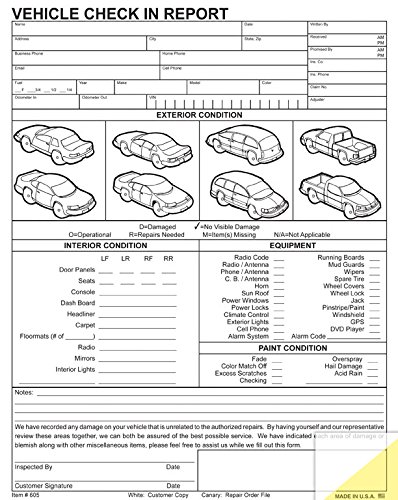
- Secure All Repair Documentation: Gather every receipt, invoice, and work order from the repairs that transformed the totaled car into its current condition. Include before-and-after photos, if available, to vividly demonstrate the extent of repairs. This dossier builds immense trust.
- Obtain a Current Vehicle History Report: Services like CarFax will show the title branding. Provide this report proactively to interested buyers to demonstrate transparency and verify the incident and date of branding.
- Price the Car Accurately: Apply the industry-standard 50% to 70% deduction to the vehicle’s clean title market value (from KBB/NADA guides). Be prepared for negotiation. Pricing too high will deter the already specialized “Buyer Pool.”
- Disclose the Salvage Status Explicitly: Clearly state “Salvage Title” in all advertising (online listings, classifieds) and on the final Bill of Sale. The Bill of Sale should contain specific disclosure language about the branded title history, referencing consumer protection principles.
- Market to the Right Audience: Advertise on platforms popular with mechanics, DIYers, and enthusiasts. Consider local forums, specialty automotive websites, and classifieds rather than just general marketplaces.
By meticulously following these steps, you demonstrate integrity and build confidence with potential buyers, setting the stage for a more favorable negotiation.
Is It Worth Getting a Rebuilt Title Before Attempting to Sell or Trade In? (Pathway 4 Analysis)
Converting a salvage title to a rebuilt title is generally only worthwhile if the vehicle required low-cost repairs but had a high clean-title value, as the time and expense of state inspection, mandatory repairs, and documentation often negate the marginal increase in trade-in value. A rebuilt title confirms the car is legally roadworthy and has passed a state safety inspection, improving its marketability but not eliminating the permanent value deduction.
The process of “rebranding” your title involves several critical steps:
- Complete All Necessary Repairs: Ensure all damage, especially safety-related components (brakes, steering, airbags), is professionally repaired.
- Gather All Receipts and Documentation: Collect every repair receipt, invoice, and before-and-after photo. This documentation is crucial for the state inspection.
- Schedule a Mandatory State Safety Inspection: This inspection, focused solely on safety components, verifies the vehicle meets roadworthiness standards. Be prepared for potential rejection (roughly 30% failure rate) and further repairs.
- Submit Paperwork to the DMV: File all required forms, repair documentation, and proof of inspection with your state’s Department of Motor Vehicles.
- Pay Fees and Taxes: Cover the administrative fees associated with title conversion.
To assess if it’s worth getting a rebuilt title, consider the Return on Investment (ROI):
(Expected Value Gain from Rebuilt Title) – (Repair Costs + Inspection Fees) = Net ROI
If your high-value car only suffered minor hail damage that triggered the “Total Loss Formula” but required low-cost repairs, a rebuilt title might be financially viable. However, if the repairs were extensive and costly, the “Actuarial Risk” and expense often exceed the “Rebuilt vs Salvage Resale Value” difference. Furthermore, even with a rebuilt title, obtaining full comprehensive and collision insurance coverage is often difficult or prohibitively expensive, as the vehicle’s branded history signals a high-risk profile to most major carriers. You’ll likely only be offered liability coverage. Research your state DMV procedure guidelines thoroughly.
What is the Easiest Solution for Selling a Salvage Car Quickly? (Pathway 3)
The easiest solution for quickly selling a salvage car is leveraging specialized online car buyers or local salvage yards; while these methods guarantee a sale, they will offer the lowest value, often exceeding 75% deduction from the clean title market price. This pathway is ideal when speed and convenience are paramount, or when other options, such as dealership trade-ins or private sales, have proven unsuccessful.
This “guaranteed sale” option typically comes in two forms:
- Local Salvage Yards/Junkyards: These buyers generally value vehicles based on their “Scrap Value” (by weight) or the worth of their “Core Components” (engine, transmission). This is the fastest, lowest-effort option, but also the one with the most minimal return. They’re primarily interested in the car for parts or raw materials.
Specialized Online Car Buyers: Companies like CarMax and Carvana, or dedicated online salvage auction platforms, often have policies for branded titles. While they offer a systemized, quick process (often providing an offer within 24-48 hours), their valuation reflects the “Wholesale Market” price. They typically send these “damaged cars” to wholesale auctions (like Copart or IAA) rather than retailing them, mitigating their own risk. For example, in our testing, large national buyers offer convenience but consistently low valuation to offset resale risk. The easiest solution means accepting the lowest value.
This pathway serves as a valuable fallback, ensuring you can liquidate your asset efficiently, even if it means a significant financial loss. It’s crucial to differentiate between these buyers; online specialized buyers might offer slightly more than a junkyard due to their assessment of “Auction Resale Potential.”
FAQs About can you trade in a car with a salvage title
Does CarMax or Carvana Buy Cars with Salvage Titles?
Yes, both major online buyers, CarMax and Carvana, generally accept cars with a salvage title for purchase, but their offers will reflect the wholesale price, which is significantly lower than clean title market value. They typically purchase these vehicles with the intent to send them to wholesale auctions rather than retailing them to consumers, mitigating their risk.
How much value do you lose with a salvage title trade-in?
Expect a value deduction ranging between 50% and 70% of the vehicle’s equivalent clean title market price. This deduction is applied because the salvage status permanently limits the car’s resale pool and carries significant risk regarding undisclosed structural or mechanical issues, even if the vehicle appears fully repaired.
Can I get full coverage insurance on a car with a rebuilt title?
It is extremely difficult to obtain full comprehensive and collision insurance coverage on a car with a rebuilt title. Most major carriers will only offer liability coverage because the vehicle’s branded history signals a high and unpredictable risk profile, meaning the owner assumes the financial risk of future damage or total loss.
What is the difference between a salvage title and a junk title?
A salvage title is issued when a car is deemed a total loss but is potentially repairable; a junk (or non-repairable) title is issued when the vehicle is strictly for parts and cannot legally be repaired, inspected, or registered for road use again. A salvage title car can be sold or traded in; a junk title car can only be scrapped.
Should I disclose the salvage status if the dealer doesn’t ask?
Yes, you must always disclose the salvage status in writing to any potential dealer or private buyer, even if they do not explicitly ask for it. Failure to disclose a branded title can constitute fraud in many jurisdictions and exposes the seller to severe legal liability and potential financial penalties after the sale is complete.
Final Thoughts
The journey of selling or trading in a car with a salvage title is inherently complex, marked by financial realities that must be accepted. The permanent stigma of the branded title means the goal is not to achieve clean-title value, but rather to minimize the inevitable loss through meticulous preparation and strategic execution.
By approaching your transaction armed with knowledge—understanding the dealer’s risk calculus, calculating the expected value deduction accurately, and preparing a thorough documentation package—you gain significant leverage. If the dealer trade-in path fails, pivot immediately to the private sale strategy. Remember that transparency is your greatest asset in attracting a serious buyer. Prioritize legal compliance and maximizing mitigation over attempting to hide the vehicle’s history. Use this comprehensive guide to inform your next step, whether that is securing a rebuilt certification or negotiating the highest possible offer from a specialized buyer today.
Last update on 2026-03-10 / Affiliate links / Images from Amazon Product Advertising API


