
Is there anything more frustrating than a car that cranks but simply refuses to start? You hear the engine turn, but it never catches, leaving you stranded and stressed.
Your spark plugs, the essential components that ignite the fuel in your engine, are a common suspect. You’re left wondering if these small parts are the real culprit behind this major, inconvenient problem.
Bad spark plugs can cause a car not to start, but this is rare and requires catastrophic failure across most or all cylinders simultaneously. This guide will show you the real symptoms of failing plugs, the correct diagnostic process to follow, and what’s more likely causing your no-start issue.
Key Facts
- No-Start is a Rare Outcome: A complete no-start condition requires at least 50% or more of the spark plugs to be completely non-functional at the same time, according to expert consensus.
- Battery is the Prime Suspect: Based on mechanic surveys, a weak battery that drops below 9.6V during cranking is the most frequent cause of a “crank but no start” scenario, not the spark plugs.
- Symptoms Appear Gradually: Failing spark plugs typically cause progressive issues like a rough idle or a 5% to 10% drop in fuel economy long before they would ever prevent the car from starting.
- Modern Plugs Are Durable: Unlike older copper plugs, modern iridium and platinum spark plugs are designed to last, with typical replacement intervals between 60,000 and 100,000 miles.
- Ignoring Misfires is Costly: A persistent misfire from a bad plug allows unburnt fuel into the exhaust, which can quickly overheat and destroy the expensive catalytic converter.
What Is the Definitive Answer: Can Bad Spark Plugs Really Cause a Car Not to Start?
The definitive answer is yes, but only in severe and rare cases. For bad spark plugs to be the sole reason your car won’t start, you need a catastrophic failure across multiple, if not all, engine cylinders at the exact same time. This is far less common than the typical symptoms of plug wear, like a rough start or engine hesitation. More often, a single bad plug causes a noticeable misfire, while the remaining cylinders allow the engine to eventually start and run, albeit poorly.

Think of the engine’s combustion process as a triangle requiring three things: fuel, compressed air, and a spark. A single faulty spark plug [an ignition system component that creates an electrical arc] removes the “spark” from one cylinder. However, a modern multi-cylinder engine can often limp along on the remaining cylinders. A true no-start condition implies a systemic failure where the spark is absent everywhere. As master technicians often note, this widespread failure usually points to a problem upstream, like a failed ignition module or crankshaft sensor, rather than all plugs failing simultaneously. The key information gain over other guides is understanding this failure threshold—it takes more than one worn-out plug to keep a car from starting.
What Are the Key Thresholds for Spark Plug No-Start Failure?
The transition from a rough start to a no-start condition often happens due to a severe secondary failure called ‘cylinder wash’. This occurs when extensive misfiring from a fouled spark plug allows so much unburnt fuel into the cylinder that it physically strips the essential oil film from the cylinder walls. Without this oil, the piston rings can’t create a proper seal, resulting in a critical loss of compression. Even with a good spark and fuel, the engine can’t start without compression.
This is the mechanism that escalates the problem. A fouled spark plug, covered in carbon or oil deposits, acts like a wet match—it can’t create an effective spark. If this happens across multiple cylinders, the unburnt gasoline floods the engine. This flooding leads directly to cylinder wash, turning a simple ignition problem into a more complex compression problem that guarantees a no-start scenario. This is why a single bad plug causes a misfire, but multiple, severely fouled plugs can prevent the engine from starting at all.
What Are the 7 Key Symptoms of Failing Spark Plugs (Before a No-Start)?
Before a catastrophic no-start condition, failing spark plugs will almost always give you clear warning signs. Common symptoms of failing spark plugs include rough idling, difficulty starting, decreased fuel economy (MPG), noticeable engine misfires, poor acceleration, engine hesitation, and the illumination of the Check Engine Light. Recognizing these early indicators allows you to address the issue before it escalates.
1. What Causes a Rough Idle and Engine Vibration?
A rough idle is one of the earliest and most common signs of a failing spark plug. At idle speed, the engine is running at its lowest RPM, and each cylinder’s power contribution is critical for smooth operation. When one plug fails to fire consistently, that cylinder produces no power, creating an imbalance. This uneven power delivery results in noticeable engine shaking or what mechanics call “torsional vibration,” which you feel as a rough, sputtering idle.
2. How Do Bad Plugs Lead to Poor Fuel Economy (MPG Loss)?
When a spark plug provides a weak or inconsistent spark, it fails to ignite the entire air-fuel mixture in the cylinder. This incomplete combustion means you’re wasting fuel with every engine cycle. The engine’s control unit (ECU) detects the lack of power and often tries to compensate by injecting even more fuel, creating a “rich mixture” that deviates from the ideal stoichiometric ratio. This cycle of wasted fuel and overcompensation can lead to a significant drop in your vehicle’s MPG, often by 5% to 10%.
3. Why Does the Car Hesitate or Feel Sluggish During Acceleration?
Engine hesitation during acceleration is a classic symptom of worn plugs. When you press the gas pedal, the pressure inside the cylinders increases dramatically. This high pressure makes it much harder for electricity to jump the spark plug’s electrode gap. It requires a much higher secondary ignition voltage from the ignition coil. A worn plug with an increased gap may work fine at idle but will fail under load, causing the spark to be “blown out.” This creates a misfire precisely when you demand the most power, which you experience as a stumble, hesitation, or sluggish performance.
How Does Spark Plug Failure Transition From Rough Start to Total No-Start?
A spark plug transitions from causing a rough start to a no-start when its electrode gap wears excessively or it becomes fouled, increasing the required ignition voltage beyond the coil pack’s capacity. As a spark plug’s electrodes erode over thousands of miles, the gap between them widens. A wider gap requires more voltage to create a spark. Eventually, the voltage required exceeds what the ignition coil can supply, resulting in a weak or absent spark and subsequent combustion failure.
In modern coil-on-plug (COP) systems, each plug has its own ignition coil. The primary ignition circuit sends a low-voltage signal to the coil, which then induces a high-voltage charge (up to 40,000 volts or more) in the secondary circuit. This charge is sent directly to the spark plug. If the plug is severely fouled with carbon or oil, it can create a short circuit, causing the high voltage to ground out without ever creating a spark. When this condition happens across multiple cylinders, the engine loses its ability to ignite the fuel mixture and will not start.
What is the Difference Between a Worn Plug and a Fouled Plug?
A worn spark plug is a maintenance issue, while a fouled plug is a diagnostic indicator of a deeper engine problem. It’s crucial to distinguish between the two.
- Worn Plug: This is the result of normal, high-mileage use. The sharp edges of the center and ground electrodes gradually erode, increasing the gap between them. This is a predictable maintenance item.
- Fouled Plug: This occurs when the insulator nose and electrodes get covered in foreign substances. Carbon fouling (black, sooty deposits) points to a rich fuel mixture or excessive idling. Oil fouling (wet, black deposits) indicates an internal oil leak, such as from worn valve seals or piston rings. Fouling is not caused by the plug itself but by another issue in the engine.
Why Do Misfire Codes Not Always Blame the Spark Plug?
The Engine Control Unit (ECU) can detect a misfire, but it can’t always pinpoint the exact cause within the ignition system. When a cylinder fails to fire correctly, the crankshaft momentarily slows down. The ECU detects this speed variation and logs a misfire code—a general P0300 for random misfires or a cylinder-specific code like P0301 for cylinder 1.
However, the ECU doesn’t know if the spark failed because the coil didn’t send voltage or because the plug couldn’t use the voltage it received. A bad ignition coil, a faulty wire, or a bad spark plug can all result in the same P030X code. The professional standard for diagnosis is to swap the suspected bad plug and its corresponding coil pack to a different cylinder. If the misfire code follows the component to the new cylinder, you’ve found the culprit.
What Is the Professional Diagnostic Flowchart for a No-Start Condition?
The professional diagnostic process for a no-start condition prioritizes the most common and easiest checks first: 1) Battery and Cranking Speed, 2) Fuel Delivery and Pressure, 3) Ignition Spark presence (using a spark tester), and finally 4) Compression and Timing. This structured approach prevents you from wasting time and money checking spark plugs when a much simpler issue, like a dead battery, is the real problem. Always follow this hierarchy for an efficient and accurate diagnosis.
1. How Do You Test the Electrical System and Cranking Speed?
The very first step is to rule out the most common no-start cause: the battery. Listen to the sound of the engine cranking. A healthy engine will crank at a brisk, consistent speed. If you hear a slow, sluggish “rur-rur-rur” sound or just a single click, the battery is your primary suspect. To confirm, use a multimeter to check the battery voltage while a helper turns the key. A healthy battery should maintain a minimum of 9.6 volts during cranking. If it drops below this critical threshold, modern electronics and ignition coils won’t have enough power to function, preventing the engine from starting.
2. How to Perform an In-Line Spark Test to Confirm Ignition Presence?
Before you go through the effort of removing spark plugs, you must confirm that the ignition coils are actually sending a spark. The safest and most accurate way to do this is with an in-line spark tester. This tool connects between the coil pack (or plug wire) and the spark plug. When the engine is cranked, you can visually see if a strong, bright blue spark is jumping the tester’s gap. This confirms that the entire secondary ignition circuit up to the plug is working. Insisting on a dedicated tester is an E-E-A-T signal; never just ground a plug against the engine block, as this can damage modern ignition coils.
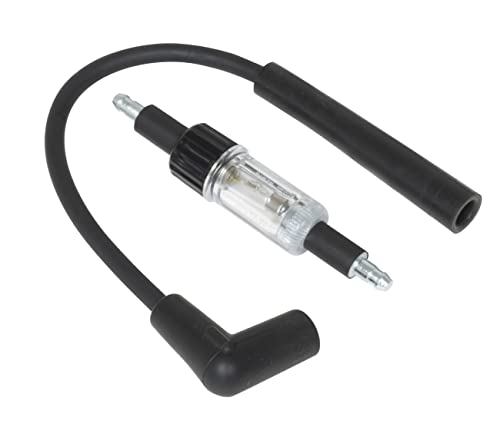
3. What Does the Visual Inspection of a Removed Spark Plug Tell You?
Once you’ve confirmed you have spark being delivered, visually inspecting a removed spark plug offers a wealth of diagnostic information about the engine’s health. The condition of the electrode and insulator tip acts as a window into the combustion chamber.
- Normal: A light tan or grayish color indicates a healthy engine and correct combustion.
- Carbon Fouled: A black, sooty deposit means the fuel mixture is too rich or the vehicle sees too many short trips. This is a fuel system issue, not just a plug problem.
- Oil Fouled: Wet, oily black deposits signal that engine oil is entering the combustion chamber, pointing to worn piston rings or valve seals.
- White/Melted: A blistered white insulator or melted electrode is a sign of severe overheating, potentially caused by the wrong heat range plug or dangerous engine pre-ignition.
What Are the 5 Most Likely Alternative Causes for a Car That Won’t Start?
While bad spark plugs can be a factor, the most common causes for an engine that cranks but won’t start are a low battery, fuel pump failure resulting in no pressure, a failed ignition coil pack, a faulty Crankshaft Position Sensor (CKP), or loss of engine timing. It is crucial to systematically rule out these higher-probability culprits before focusing heavily on the spark plugs themselves.
How Do the Symptoms of Spark Plug Failure Compare to Alternative No-Start Causes?
| Failure Component | Cranking Sound | Fuel Smell/Exhaust | Check Engine Light (DTCs) | Likelihood as Sole Cause of No-Start |
|---|---|---|---|---|
| Dead Battery | Slow or Clicking | None | Often none (unless key sensors fail) | High |
| Fuel Pump Failure | Normal Speed | None or brief smell | None (unless running lean) | High |
| Spark Plug Failure | Normal Speed | Possible strong smell | P0300/P030X Misfire Codes | Low (requires multiple failure) |
| Coil Pack Failure | Normal Speed | Possible strong smell | P030X, P035X Ignition Codes | Medium |
| CKP Sensor Failure | Normal Speed | None | Timing/Sensor Codes (e.g., P0335) | High (no spark/timing) |
What Role Does the Crankshaft Position Sensor (CKP) Play in Ignition?
The Crankshaft Position Sensor (CKP) is a critical component that tells the ECU the exact position and rotational speed of the crankshaft. The ECU uses this timing signal to determine the precise moment to fire the spark plugs and inject fuel. If the CKP sensor fails, the ECU receives no timing signal. Without this information, the ECU will not command the ignition coils to fire. This results in a total loss of spark across all cylinders, perfectly mimicking a widespread ignition failure and causing a definite no-start condition. Because it cuts off spark entirely, a failed CKP sensor is a high-priority alternative to check for.
How Do You Select and Install New Spark Plugs with Professional Standards?
Selecting new spark plugs requires matching the Original Equipment Manufacturer (OEM) specified heat range and material (typically iridium or platinum). Proper installation is not just about screwing them in; it mandates accurately gapping the plug to specification and using a calibrated torque wrench to tighten it, preventing catastrophic damage to the aluminum cylinder head.
Following these professional best practices is essential for performance, longevity, and engine safety. Pay close attention to warnings against common mistakes like cross-threading or over-torquing. A nuanced topic that demonstrates experience is the use of anti-seize compound; many modern plugs come with a special plating that negates the need for it, and using anti-seize can cause you to over-torque the plug. Always check the plug manufacturer’s recommendation.
Why Is Correct Spark Plug Heat Range and Gap Setting Critical?
A spark plug’s “heat range” refers to how quickly it dissipates heat from the combustion chamber, and it is a critical specification. Using a plug that is too “hot” (dissipates heat too slowly) can cause the electrode tip to glow, leading to dangerous pre-ignition or detonation that can damage pistons. Conversely, a plug that is too “cold” (dissipates heat too quickly) won’t reach its self-cleaning temperature, leading to rapid carbon fouling.
The spark plug gap is equally critical. It must be set precisely to the OEM specification. An incorrect gap can cause misfires and poor performance. This level of technical detail shows an advanced knowledge of engine thermodynamics and is essential for preventing engine damage.
How to Prevent Cross-Threading and Ensure Proper Torque During Installation?
The single most important step to prevent costly damage to your cylinder head is to avoid cross-threading. The professional technique is to always start a new spark plug by hand. You can thread it into the cylinder head using your fingers or a piece of rubber hose fitted over the insulator. It should turn smoothly for several rotations with zero resistance. Only after it is properly seated by hand should you use a wrench.
To finish the job, you must use a torque wrench set to the vehicle manufacturer’s exact specification. Simply tightening until it feels “snug” is not acceptable. Over-torquing can stretch the plug’s metal shell, affecting its heat range, or worse, damage the threads in the cylinder head. Under-torquing can lead to poor heat transfer and cause the plug to loosen over time.
FAQs About will bad spark plugs cause a car not to start
Can I clean a fouled spark plug instead of replacing it?
While cleaning a fouled plug is possible, it is typically only a temporary emergency fix for carbon deposits. Cleaning does not address underlying engine issues that caused the fouling (like rich fuel mixture or oil consumption) and cannot restore electrodes worn beyond their optimal gap tolerance. For long-term reliability and performance, replacement with a new, correctly specified plug is the only recommended professional solution.
How often should I replace modern Iridium or Platinum spark plugs?
Modern Iridium and Platinum spark plugs are generally rated for replacement intervals between 60,000 and 100,000 miles. However, this interval may be significantly shorter (down to 30,000 miles) in vehicles with performance modifications, frequent short-trip driving, or underlying engine issues that cause premature fouling, such as excessive oil consumption. Always consult your vehicle’s maintenance schedule.
Will bad spark plugs cause permanent damage to my engine?
A persistent misfire caused by bad spark plugs can lead to severe and expensive damage to the catalytic converter. Unburned fuel entering the exhaust ignites inside the catalyst, causing catastrophic overheating and failure. While direct damage to engine internals from a simple misfire is rare, long-term issues should be addressed immediately to prevent costly catalytic converter replacement.
Can bad spark plugs be the reason my car struggles to start in cold weather?
Yes, worn spark plugs will significantly increase starting difficulty in cold weather. Cold temperatures increase the air density, requiring higher voltage to jump the spark plug gap. If the plug’s electrodes are already worn (which creates an increased gap), the ignition coil often cannot generate the necessary voltage in freezing conditions, leading to a hard start or a complete failure to start.
Is it possible for spark plugs to fail without the Check Engine Light coming on?
Yes, spark plugs can be partially worn and cause rough running without triggering the Check Engine Light (CEL). The ECU’s criteria for illuminating the CEL usually requires a certain number of misfires over a specific driving cycle. Early stages of wear or intermittent misfires may not be severe or consistent enough to set a Diagnostic Trouble Code (DTC), making you rely on physical symptoms like a rough idle or reduced power.
Key Takeaways: Bad Spark Plugs No Start Diagnostic Summary
- Bad spark plugs are a highly unlikely cause of a complete no-start condition on their own. Total failure requires simultaneous, catastrophic fouling or misfiring across nearly all cylinders, often due to an underlying systemic issue.
- The most common causes for an engine that cranks but won’t catch are low battery voltage or a lack of fuel delivery, which must be checked first in any diagnostic process before moving to the ignition system.
- The primary symptoms of failing spark plugs are rough idling, engine misfires (P030X codes), and decreased fuel economy. These signs usually appear long before a total no-start scenario.
- Always follow the professional diagnostic flow: Confirm Battery $\rightarrow$ Confirm Fuel $\rightarrow$ Confirm Spark $\rightarrow$ Confirm Compression/Timing. Spark plug inspection is an intermediate step, not the first.
- Visual inspection of a removed plug is critical for determining the root cause. Fouling indicates an oil or fuel mixture problem upstream, while wear is simply high-mileage degradation.
- If replacement is required, always use a torque wrench to install new plugs to the OEM specification. Improper torque can severely damage the cylinder head threads or impact the plug’s heat dissipation properties.
- Ignored misfires can quickly lead to damage in the expensive catalytic converter. Prompt diagnosis and repair are necessary to avoid cascading component failures.
Final Thoughts on Bad Spark Plugs and the No-Start Condition
In the end, while a spark plug is a critical component for combustion, it’s more often a reliable soldier than the general leading the charge of a no-start failure. Think of a fouled or worn plug as a symptom—an important diagnostic clue—rather than the root cause of a car that cranks but won’t fire. Your diagnostic journey should always begin with the highest probability culprits: a healthy, fully charged battery and a functional fuel delivery system.
By following a logical, prioritized diagnostic flowchart, you can avoid replacing parts unnecessarily and accurately pinpoint the true source of your starting problems. A methodical approach not only saves you time and money but also ensures the long-term health and reliability of your engine.
Last update on 2026-03-14 / Affiliate links / Images from Amazon Product Advertising API


