
Feeling that sudden, violent jolt as your car changes gears? It’s a common and unsettling problem for any driver. That jarring “clunk” isn’t just uncomfortable; it’s a clear signal from your vehicle’s drivetrain.
This symptom is known as hard shifting, an abrupt or harsh engagement of gears in an automatic transmission. You’re right to be concerned about both the potential repair costs and the immediate safety of driving. This is a clear warning that something in your transmission system requires attention.
Hard shifting is a serious symptom often caused by low transmission fluid, failing electronic components like shift solenoids, or internal mechanical wear. This guide provides a definitive diagnostic roadmap to help you identify the root cause, from the easiest DIY checks to the signs that demand professional help. You’ll learn how to assess the severity and make an informed decision.
Key Facts
- Fluid is the Culprit Over 60% of the Time: Industry standards show that low or contaminated transmission fluid is responsible for more than 60% of premature transmission failures, making it the number one thing to check.
- Electronic Failures Have a Lifespan: According to industry repair data, critical electronic components like shift solenoids most commonly fail between 80,000 and 120,000 miles.
- The Smell is a Critical Warning: Expert consensus confirms that the smell of burnt transmission fluid is the single greatest indicator of catastrophic internal damage, signaling an immediate need to stop driving.
- External Issues Cause 15% of Cases: Around 15% of hard shifting complaints are not caused by the transmission itself but by cheaper-to-fix external factors like failed engine mounts, according to mechanic consensus.
- Prevention is Far Cheaper Than Repair: The cost difference between replacing a single failed solenoid and a full transmission rebuild averages a ratio of 1 to 15, highlighting the financial importance of early diagnosis.
What Is Hard Shifting And Is It Safe To Drive Your Car?
Hard shifting is characterized by a harsh jolt, clunk, or delayed, violent engagement during a gear change, which is a symptom of a problem within the automatic transmission. Unlike a smooth, nearly imperceptible shift, a hard shift feels abrupt and forceful. It’s crucial to distinguish this from similar symptoms: “slipping” is when the engine revs up but the car doesn’t accelerate, while “bucking” is a lurching motion often related to the torque converter. Hard shifting specifically refers to the impact felt during the gear change itself.

The most urgent question is whether your car is safe to drive. The answer depends entirely on the severity of the underlying cause. According to professional standards, certain symptoms demand you stop driving immediately to prevent catastrophic transmission failure, which poses both a major financial burden and a serious safety risk if the transmission locks up while driving.
Use this quick checklist to assess the risk:
- ❌ STOP DRIVING IMMEDIATELY IF:
- The transmission fluid on the dipstick smells burnt or is dark brown/black.
- The hard shifting is accompanied by gear slipping (loss of power).
- You hear grinding or other loud metallic noises during shifts.
- The transmission warning light on your dashboard is illuminated.
- ⚠️ PROCEED WITH CAUTION TO A MECHANIC IF:
- The hard shifting is consistent but not violent.
- The fluid level is low but the fluid appears clean (red/pink).
- The issue only happens intermittently or when the car is cold.
How Do You Quickly Assess The Severity Of Hard Shifting?
Your senses are the best initial diagnostic tools for determining severity. A few simple checks can tell you if you’re dealing with a minor issue or a major failure.
First, check the transmission fluid. If your vehicle has a dipstick, check the fluid level and quality. The most critical warning sign is the smell. Burnt transmission fluid has a unique, acrid smell similar to burnt toast. This odor indicates extreme heat caused by friction from slipping clutches or other internal damage, and it means you should stop driving immediately.
Next, look at the fluid color. Healthy automatic transmission fluid (ATF) is a bright, translucent red. If it looks dark brown or black, it’s a sign of severe contamination and thermal breakdown. Finally, listen for noises. A simple clunk is one thing, but if you hear grinding, whining, or buzzing that changes with engine RPM, it points to severe internal mechanical wear.
What Are The Top 5 Most Common Causes Of Hard Shifting?
When your car jerks when shifting, the problem almost always falls into one of three categories: fluid issues, electronic failures, or mechanical wear. Based on frequency and repair data, here are the five most common culprits, starting with the simplest and cheapest to fix.
- Low or Contaminated Transmission Fluid: This is the number one cause of hard shifting. Transmission fluid is the lifeblood of the system, providing the hydraulic pressure needed to engage gears. When the fluid is low, old, or contaminated with debris, it can’t create the stable pressure required for smooth shifts, leading to harsh engagement.
- Faulty Shift Solenoids: Shift solenoids are small, electronically controlled valves that direct the flow of transmission fluid within the valve body. If a solenoid gets stuck open, closed, or becomes electrically weak, it disrupts the timing and pressure of a shift, causing the transmission to slam into gear. This often affects a specific gear change (e.g., only the 1-2 shift is harsh).
- Failed Speed Sensors: Your car’s Powertrain Control Module (PCM) relies on data from input and output speed sensors to know when to shift gears. If a sensor provides inaccurate or no data, the PCM can’t command shifts at the right time, resulting in poor shift quality.
- Damaged Valve Body: The valve body is the complex hydraulic control center of the transmission. It contains a maze of channels, valves, and solenoids. Debris from contaminated fluid can clog these channels, or the valve body itself can warp or crack, leading to incorrect pressure regulation and hard shifts across multiple gears.
- Internal Mechanical Wear: This is the most serious category. Over time, the friction materials on the internal clutch packs and bands can wear away. When this material is gone, the transmission struggles to engage gears, leading to slipping and harsh shifts. This is often indicated by burnt fluid and metal shavings in the transmission pan.
How Do Fluid Issues Cause Hard Shifting And How Do You Check It?
The primary role of transmission fluid in shifting is to create hydraulic pressure. Low or poor-quality fluid directly compromises this hydraulic system, causing hard shifts. There are three main ways fluid can be the culprit: low level, poor quality (contamination), and incorrect type.
Low fluid level is the most frequent cause. The transmission pump needs a certain volume of fluid to create the high line pressure required to clamp down on the clutch packs and engage a gear smoothly. When the level is low, the pump can draw in air, causing the hydraulic pressure to become unstable and drop. This forces the clutches to engage abruptly or with a delay, resulting in that harsh jolt.
To check your fluid, follow the OEM-specified procedure. For vehicles with a traditional dipstick:
1. Park on a level surface.
2. Start the engine and let it warm up to operating temperature.
3. With the engine running and the parking brake on, cycle the shifter through all gears, then place it in Park or Neutral (check your owner’s manual).
4. Pull the dipstick, wipe it clean, reinsert it fully, and pull it out again to read the level.
5. Examine the fluid on the dipstick for proper red color and check for a burnt smell.
For modern cars with a sealed transmission, the process is more complex as there is no dipstick. It requires safely raising the vehicle, bringing the transmission to a specific temperature (often monitored with a scan tool), and removing a check plug. This procedure is best left to a professional or experienced DIYer to avoid overfilling or underfilling.
Why Is The Right Transmission Fluid Type Critical For Smooth Shifts?
Using the wrong type of transmission fluid is a guaranteed way to cause shift problems and long-term damage. Each fluid, like Dexron VI or ATF+4, is engineered with a specific viscosity (thickness) and a unique package of friction modifiers. These chemical additives are designed to allow the clutch materials to engage smoothly but firmly without slipping or chattering.
If you use a fluid with the wrong viscosity, it can alter the hydraulic pressure and timing. If the friction modifiers are incorrect for your transmission’s clutch material, it will cause either slipping (too slippery) or harsh, grabbing shifts (not slippery enough). This leads to premature wear on the clutch packs and can overheat the transmission. Always adhere strictly to the OEM fluid specification found in your owner’s manual.
How Does Fluid Contamination Or Debris Lead To Hard Shifting?
Contaminated fluid acts like sludge in the arteries of your transmission. As clutches and bands wear over time, they shed microscopic particles of friction material. This material, along with any tiny metal shavings from gears, circulates in the fluid. This debris clogs the transmission filter, starving the pump for fluid and lowering hydraulic pressure.
Even more critically, these particles can get lodged in the extremely fine channels and valves within the valve body. A single piece of debris can cause a valve to stick, preventing the correct fluid pressure from reaching a clutch pack at the right time. This blockage is a direct cause of delayed and harsh shifts. When inspecting fluid in the transmission pan, it’s crucial to distinguish between normal, fine grey dust (clutch material) and larger metallic chunks or shards, which indicate catastrophic internal failure.
What Electronic Component Failures Cause Harsh Gear Changes?
Modern automatic transmissions are heavily reliant on electronic controls, and failures here are a leading cause of hard shifting. The primary electronic components responsible are the shift solenoids, the speed sensors, and the Powertrain Control Module (PCM) or Transmission Control Module (TCM). These components work together to translate engine speed and driver input into a smooth hydraulic action.
A common sign of electronic failure is the illumination of the Check Engine Light, often with Diagnostic Trouble Codes (DTCs) in the P07xx range, which are specific to the transmission. The most critical component in this system is the shift solenoid. These solenoids are commanded by the PCM to open and close, directing fluid flow through the valve body, which acts as the hydraulic brain. A failure of a solenoid or the sensor that feeds it information leads directly to poor shift quality.
Why Does A Faulty Shift Solenoid Cause Gears To Slam?
A faulty shift solenoid causes hard shifts by failing to regulate hydraulic pressure correctly, resulting in poor shift timing. A solenoid can fail in two primary ways: it can become mechanically stuck open or closed, or it can suffer an internal electrical failure (like a broken coil winding).
If a solenoid gets stuck, it either prevents fluid from reaching a clutch pack (causing a delayed, high-pressure shift) or allows fluid to pass at the wrong time (causing an abrupt, poorly timed shift). For instance, if the solenoid responsible for the 2-3 upshift is slow to open, pressure builds up behind it. When it finally does open, that pent-up pressure is released all at once, slamming the transmission into the next gear. Mechanics often diagnose this by testing the solenoid’s electrical resistance with a multimeter to see if it falls within the manufacturer’s specified range.
Can The Powertrain Control Module (PCM) Cause Hard Shifting?
Yes, the Powertrain Control Module (PCM) can be the source of hard shifting, often due to software glitches or issues with its “adaptive learning” strategy. The PCM constantly learns and adapts its shift commands to compensate for normal wear and tear in the transmission over time. This ensures shifts remain smooth throughout the vehicle’s life.
However, if you disconnect the battery for a repair, this learned memory can be erased. The transmission reverts to its default factory settings, which may no longer be suitable for a higher-mileage transmission, resulting in temporary hard shifting until the system re-learns. In some cases, a software glitch can corrupt the adaptive data. What most guides miss is that manufacturers often release Technical Service Bulletins (TSBs) with software updates to fix chronic hard shifting complaints on specific models, a fix that involves “reflashing” the PCM with improved programming.
What Internal Mechanical Wear Leads To Irreversible Hard Shifts?
When hard shifting is caused by internal mechanical wear, the damage is typically permanent and requires professional repair. This type of failure involves the physical breakdown of core components like clutch packs, bands, and the torque converter. These issues are most common in high-mileage transmissions or those that have been subjected to severe use.
The most critical indicator of severe mechanical wear is the presence of metal shavings in the transmission pan or on the pan’s magnet. Unlike the fine, non-metallic dust from normal clutch wear, visible metal particles mean hard parts are grinding against each other. This often happens when the friction material on the clutch packs has completely worn away, allowing for metal-on-metal contact. Similarly, the bands that wrap around planetary gearsets can break or wear out, causing inconsistent engagement. Failure of the torque converter’s lock-up clutch (TCC) can also cause a shuddery or bucking sensation that feels like a hard shift. When these components fail, a transmission rebuild or replacement is usually the only solution.
Why Does Hard Shifting Occur More Often In High Mileage Transmissions?
High-mileage transmissions are more susceptible to hard shifting due to the cumulative effects of heat, pressure cycles, and fluid degradation over tens of thousands of miles. Industry data suggests that electronic components like solenoids often begin to fail between 80,000 to 120,000 miles. Major mechanical wear, such as worn-out clutches, typically becomes a leading cause of issues in transmissions with over 150,000 miles.
Over its life, the transmission fluid gradually loses its lubricating and cooling properties. Internal seals become hard and brittle, leading to small pressure leaks. The friction material on clutches and bands slowly wears away with every shift. This gradual degradation eventually reaches a tipping point where the system can no longer compensate, and symptoms like hard shifting begin to appear. This is why consistent fluid maintenance is so critical for extending transmission lifespan.
Can External Factors Mimic Hard Shifting Symptoms?
Yes, several issues outside the transmission can create sensations that are easily misdiagnosed as hard shifting, with the most common culprit being failed engine or transmission mounts. These mounts are rubber-and-metal components that secure the engine and transmission to the vehicle’s frame and absorb vibrations.
When a mount fails, the rubber cracks or separates, allowing for excessive movement of the entire drivetrain. The normal torque of a gear change can cause the engine and transmission to rock or lurch violently, sending a “clunk” or jolt through the car that feels identical to a hard shift. An expert insight few discuss is the role of a faulty Brake Switch Signal. This switch tells the PCM when you’re braking, which is a critical input for controlling the torque converter lock-up clutch. A bad signal can cause the clutch to engage or disengage at the wrong time, creating a bucking or jarring sensation. Always rule out these cheaper external causes before condemning the transmission itself.
How To Rule Out Failed Engine Or Transmission Mounts
You can perform a simple visual inspection and a “rock test” to check for failed mounts. First, with the vehicle securely parked, visually inspect the mounts. Look for any large cracks, separated rubber, or signs that the metal components are making contact.
For the rock test:
1. Have a helper sit in the driver’s seat with the parking brake firmly applied and their foot on the brake pedal.
2. With the engine running, have them shift the transmission from Park to Reverse, and then to Drive, pausing in each gear.
3. As they do this, watch the engine for excessive movement. A healthy engine will move slightly (about half an inch), but a failed mount will allow it to lurch or jump an inch or more, often accompanied by a distinct clunking noise. This excessive movement is a clear sign a mount has failed.
How Do You Conduct A Full Diagnostic Check For Rough Shifting?
A full diagnostic check follows a logical, step-by-step process, starting with the simplest and cheapest potential causes and moving toward more complex ones. This approach prevents you from spending money on unnecessary parts.
- Check the Fluid First: Always begin by checking the transmission fluid level, color, and smell. As noted, this resolves the majority of mild hard shifting issues.
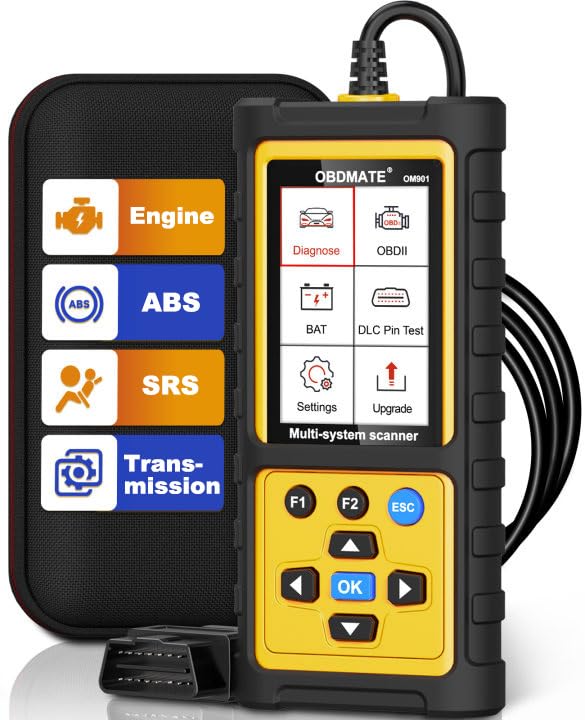
- Scan for Diagnostic Trouble Codes (DTCs): Use an OBD-II scanner to read for any stored codes. Critically, you need a scanner that can read transmission-specific codes (P07xx series), as basic readers may miss them. A code like P0750 points directly to a shift solenoid fault.
- Inspect External Components: Thoroughly check the engine and transmission mounts for failure. Inspect for any visible fluid leaks from the transmission pan, cooler lines, or seals.
- Test Electronic Components: If a specific solenoid code is present, the next step is to test its electrical resistance with a multimeter to confirm the failure before replacing it. This step often requires dropping the transmission pan for access.
- Seek Professional Diagnosis: If the fluid is burnt, metal shavings are present, or the above steps don’t reveal a cause, it’s time for professional help. A transmission shop can perform line pressure tests and other advanced diagnostics to pinpoint internal wear.
An often-overlooked strategy is to use a symptom-cause matrix to narrow down the possibilities:
| Symptom Variation | Most Likely Cause | Severity Level | Quick Check |
|---|---|---|---|
| Hard Shift Only When Cold | Fluid Viscosity/Adaptive Learning | Low | Check Fluid Type & Level |
| Harsh Shift 1st to 2nd, but not others | Specific Shift Solenoid Failure | Medium | Scan for specific P07xx code |
| Hard Shifts in All Gears, Sluggish | Low Fluid Level or Major Internal Wear | High | Inspect Fluid Level & Color |
| Clunk on Initial Acceleration/Deceleration | Failed Engine/Transmission Mounts | Low/Medium | Visual Mount Inspection |
| Intermittent Harshness, No Pattern | PCM Glitch / Bad Ground / Sensor Wiring | Medium | Scan Codes; Perform Adaptive Reset |
How Does An Adaptive Learning Reset Potentially Solve Hard Shifts?
An adaptive learning reset clears the stored shift parameters from the PCM’s memory, forcing it to “re-learn” how to shift smoothly. Over thousands of miles, the PCM makes tiny adjustments to shift timing and pressure to compensate for wear. If a component was recently replaced or a software glitch occurred, these stored values may be incorrect, causing harsh shifts.
A basic reset can sometimes be performed by disconnecting the battery for about 30 minutes. This clears the memory, and as you drive, the transmission will re-learn the optimal shift points for its current condition. It’s important to be cautious; this is often a temporary solution. If a physical or electronic component is truly failing, the hard shifting will return as the system tries and fails to adapt to the faulty part.
How Much Does It Cost To Fix Hard Shifting And What Are The Solutions?
The cost to fix hard shifting varies dramatically depending on the root cause, ranging from under a hundred dollars for a DIY fluid top-off to several thousand for a full replacement. Understanding these potential costs is key to making an informed repair decision.
The most accurate way to assess your financial situation is with a cost comparison matrix. This table breaks down common repair scenarios, their associated costs, and the pros and cons of each approach. Note that a “fluid flush” is often considered high-risk and is different from a safer “drain and fill.”
| Repair Scenario | Likely Cause | Typical Cost Range (Parts + Labor) | Pros | Cons / Considerations |
|---|---|---|---|---|
| Fluid Top-Off & Filter | Low Fluid / Minor Contamination | $50 – $300 | Cheapest, easiest fix; highest probability of success for mild issues. | Only addresses external causes; risk of introducing contaminants if done improperly. |
| Solenoid Replacement | Single Electronic Failure (DTC confirmed) | $200 – $600 | Targeted fix; lower cost than full replacement. | Requires dropping the pan; other solenoids may fail soon after; risk of misdiagnosis. |
| Valve Body Replacement | Multiple Solenoid Failures / Pressure Issues | $800 – $2,000 | Replaces the entire control mechanism; often resolves complex electronic issues. | High cost; still does not fix internal mechanical wear (clutches). |
| Full Rebuild / Replacement | Burnt Fluid / Major Internal Wear | $2,500 – $5,000+ | Guarantees internal component replacement; comes with a new warranty; high reliability. | Maximum financial expenditure; long vehicle downtime. |
How Do Fluid Exchange Methods Compare: Flush Versus Drain and Fill?
A “drain and fill” is the safer, expert-recommended method for changing transmission fluid, especially in high-mileage vehicles. This method uses gravity to drain the fluid from the pan (exchanging about 30-50% of the total fluid), then refilling it with fresh fluid. It’s a gentle process that doesn’t disturb settled debris.
A “fluid flush,” by contrast, uses an external machine to pump new fluid through the transmission while forcing the old fluid out under pressure. While this exchanges nearly 100% of the fluid, it carries a significant risk. On an older transmission, this pressure can dislodge built-up sludge and debris, sending it directly into the narrow passages of the valve body, where it can cause catastrophic clogs and immediate failure. The industry consensus is to stick with the safer drain and fill method.
What Preventative Maintenance Extends Transmission Life And Shift Quality?
The single most effective way to prevent hard shifting and extend the life of your transmission is through proactive and consistent maintenance, centered on fluid quality and thermal management. An automatic transmission generates a massive amount of heat, and heat is the primary enemy of both the fluid and the internal components.
Here are the most critical preventative steps:
- Follow a Strict Fluid Exchange Schedule: Do not fall for the “lifetime fluid” myth. Adhere to the OEM-recommended fluid change intervals, and shorten that interval if you drive under severe conditions.
- Use Only the Specified Fluid: Never use a generic or “universal” transmission fluid. Always purchase the exact specification (e.g., Dexron, Mercon, ATF+4) required for your vehicle.
- Manage Heat: Avoid aggressive driving and prolonged high-RPM operation. If you tow a trailer, ensure your vehicle is equipped with an adequate transmission cooler and that it is functioning correctly. Overheating is the fastest way to destroy transmission fluid and internal seals.
- Address Leaks Immediately: A small fluid leak can quickly lead to a low fluid level, causing overheating and hard shifting. Fix any leaks as soon as they are discovered.
What Is The Optimal Interval For Transmission Fluid Exchange?
The optimal fluid change interval depends on your driving conditions, but a good rule of thumb is every 60,000 miles for normal driving and every 30,000 miles for severe conditions. Many owner’s manuals now promote “lifetime fluid,” but most transmission experts view this as a marketing tactic and strongly recommend regular service for long-term reliability.
“Severe” driving conditions that warrant more frequent fluid changes include:
* Frequent stop-and-go city driving
* Regularly towing a trailer or carrying heavy loads
* Driving in very hot or mountainous terrain
* Aggressive or high-performance driving
Changing the fluid proactively ensures it retains its crucial lubricating, cooling, and friction-modifying properties, which is the best defense against future hard shifting issues.
FAQs About why is my car shifting hard
Why Does My Car Shift Hard Only When Cold But Is Fine When Warm?
This is typically due to the high viscosity (thickness) of cold transmission fluid, which temporarily increases hydraulic line pressure, resulting in harsher engagement. If the problem resolves entirely once the engine and transmission fluid reach operating temperature, it is often considered a normal viscosity characteristic, although replacing old fluid may help mitigate the issue.
Can I Fix Hard Shifting By Simply Adding More Transmission Fluid?
If the fluid level is determined to be low, adding the correct, specified fluid can often immediately resolve the hard shifting, as hydraulic pressure returns to the required operational range. However, if the fluid is burnt, contaminated, or if the issue is mechanical/electronic, simply topping off the fluid will not provide a lasting solution.
Can A Simple Check Engine Light Cause My Transmission To Shift Hard?
Yes, the Check Engine Light (CEL) often indicates a Diagnostic Trouble Code (DTC) related to the transmission (P07xx codes), specifically signaling faults like speed sensor failure or shift solenoid electrical issues. If the PCM detects these electronic faults, it may intentionally trigger harsh shifts (or limp mode) to prevent further mechanical damage.
What Is “Limp Mode,” And Why Does It Cause Extremely Hard Shifts?
Limp mode is a protective safety feature activated by the Powertrain Control Module (PCM) when it detects a severe, potentially damaging transmission fault. To ensure the vehicle can reach a repair location without catastrophic failure, the PCM locks the transmission in a single, safe gear (often 2nd or 3rd) and engages extremely harsh, high-pressure shifts to maintain control, signaling an immediate need for professional diagnosis.
How Long Can A Transmission Last After It Starts Shifting Hard?
The lifespan depends entirely on the root cause. If it is a simple low-fluid issue, the transmission can last indefinitely after refilling. However, if the hard shifting is caused by burnt fluid, significant internal mechanical wear, or a major solenoid blockage, the transmission could fail completely within days or even hours of continued driving.
Why Is My Manual Transmission Shifting Hard Or Grinding?
Hard shifting in a manual transmission is rarely fluid-related and is usually caused by clutch problems (not fully disengaging) or damaged synchronizer rings (synchros). Worn synchros cannot properly match the gear speeds, resulting in resistance and grinding when the driver attempts to shift, which requires internal transmission component repair.
Does A Clogged Transmission Filter Cause Hard Shifting?
Yes, a severely clogged transmission filter can restrict the flow of fluid from the pan into the pump, leading to a critical drop in line pressure. This lack of adequate hydraulic pressure prevents smooth, timely clutch engagement, forcing the transmission to operate under inconsistent pressure, resulting in noticeable hard shifting symptoms.
What Does Burnt Transmission Fluid Actually Smell Like?
Burnt transmission fluid has a distinctly acrid, pungent odor, often described as smelling strongly of burnt toast or burning plastic. This smell is caused by the thermal breakdown of the friction modifier additives and clutch material within the fluid due to excessive heat, indicating severe and likely permanent internal damage.
Can Hard Shifting Be Fixed With A Simple Software Update?
For specific models and years, yes, a manufacturer may issue a Technical Service Bulletin (TSB) that provides a software update (reflash) to the Powertrain Control Module (PCM). This update refines the transmission’s shift mapping, correcting timing and pressure issues that were causing harsh shifts due to initial programming errors or thermal variations.
Is Hard Shifting Always Expensive To Fix?
No, hard shifting is not always expensive. The cheapest fixes—topping off low fluid or correcting an electronic glitch with a PCM reset—can cost under $50. However, the costs rapidly escalate for component replacement (solenoids $200-$600) or major mechanical failure (valve body or full rebuild $2,000-$5,000+).
Key Takeaways: Hard Shifting Diagnostic Summary
- Safety First: Stop driving immediately if your transmission fluid smells burnt or if the vehicle is slipping or jerking violently, as these symptoms indicate severe internal damage that can quickly lead to catastrophic transmission failure.
- Low Fluid is the #1 Easiest Fix: Always check your transmission fluid level and quality first (color and smell), as low fluid or contamination is the most common cause of hard shifting and the simplest, cheapest issue to resolve.
- Electronic Faults are Highly Common: Shift solenoids and speed sensors are the electronic brain that controls gear timing; failure here requires reading specific P07xx DTC codes with an advanced scanner and may require component replacement.
- Rule Out External Causes: Before condemning the transmission, verify that non-transmission components like engine or transmission mounts have not failed, as this common issue can amplify normal shifts, leading to misdiagnosis.
- Avoid High-Risk Flushes: Experts recommend a gentle fluid exchange (drain and fill) over a pressurized flush, especially on high-mileage transmissions, to prevent debris from clogging the sensitive valve body.
- Irreversible Damage is Costly: If hard shifting is accompanied by persistent metallic noises or visible metal shavings in the pan, the damage is internal (clutches, bands) and will likely require a transmission rebuild or full replacement, costing $2,500 or more.
- Preventative Maintenance is Key: Adhering strictly to OEM-specified fluid type and changing the fluid proactively (especially under severe driving conditions) is the single most effective way to prevent future shift quality issues.
Final Thoughts on Diagnosing Hard Shifting
Diagnosing the cause of a hard shifting transmission is a process of elimination that should always start with the simplest and most likely solutions. By following the diagnostic roadmap—checking the fluid, scanning for codes, and ruling out external factors—you can often pinpoint the problem without spending a fortune.
Remember that early intervention is critical. Addressing a small fluid leak or a single failing solenoid can prevent the chain reaction of heat and contamination that leads to irreversible internal damage. While some fixes are well within the reach of a DIY mechanic, don’t hesitate to seek professional help when you encounter the warning signs of severe failure, such as burnt fluid or metal debris. A timely and accurate diagnosis is your best tool for ensuring your vehicle’s long-term reliability and saving you from one of the most expensive repairs a car can need.
Last update on 2026-03-17 / Affiliate links / Images from Amazon Product Advertising API


