That glowing red brake light on your dashboard is stressful, isn’t it? It’s a universal symbol for a potential car problem, causing immediate concern.
Your car’s Brake System Warning Light is a critical safety indicator. It’s designed to get your attention for issues ranging from simple to serious. Ignoring it is never a safe option.
The most common reasons your brake light is on are an engaged parking brake, low brake fluid level, or worn-out brake pads. This guide will walk you through each possible cause, helping you diagnose the problem and understand what to do next.
Key Facts
- Dual Purpose Indicator: The single red brake light (!) serves two functions, indicating either the parking brake is engaged or there is a fault in the main hydraulic brake system, according to standard vehicle design.
- Low Fluid is a Symptom: Automotive expert consensus confirms that brake fluid is not consumed; if the level is low, it’s a direct sign of either worn brake pads or a potentially dangerous fluid leak.
- Pedal Feel is Paramount: Your brake pedal’s feel is the most critical immediate diagnostic tool. Any sponginess or softness when the light is on signals a serious issue requiring you to stop driving immediately.
- Color Indicates Severity: A red brake warning light signifies a safety-critical issue needing immediate attention, while an amber ‘ABS’ light indicates a fault with the less-critical anti-lock system.
- Early Warning System: The light is designed to activate before a problem becomes a catastrophic failure, giving you a crucial window to seek inspection even if the brakes feel normal.
What Should You Do Immediately If Your Brake Light Comes On While Driving?
If your brake light turns on while driving, do not panic. First, take your foot off the accelerator. Second, cautiously test the brake pedal. If it feels normal, signal and drive carefully to your destination or a safe place to stop. If the pedal feels spongy or soft, pull over immediately and call for a tow. The feel of your brake pedal is the most important indicator of immediate safety. A change in how the pedal responds means there could be a serious issue with the hydraulic brake system.

Here is a calm, step-by-step protocol to follow to assess the risk and stay safe:
- Assess Pedal Feel: Gently press the brake pedal. Does it feel firm and normal, or is it soft, spongy, or go down further than usual? This is your primary safety check.
- Maintain Control: Keep both hands on the wheel and focus on your surroundings. Avoid sudden movements.
- Signal and Move Over: Turn on your turn signal and begin moving to the right lane or shoulder. Let other drivers know your intentions.
- Brake Gently: If the pedal felt firm, use gentle, steady pressure to slow down. If the pedal felt soft, you may need to pump the brakes to build pressure.
- Find a Safe Location: Pull over into a parking lot, a side street, or the shoulder of the road, as far from traffic as possible.
- Engage Parking Brake: Once you have stopped, securely engage your parking brake and put the car in Park.
Important Safety Warning: If at any point the brake pedal feels spongy or goes to the floor, the car is unsafe to drive. Do not attempt to “limp home.” Call for roadside assistance or a tow truck. Your safety is the number one priority.
What Are The Most Common Reasons Your Brake Light Is On? A Diagnostic Checklist
The brake warning light is a general indicator for your car’s most critical safety system. While it demands immediate attention, the cause is often one of a few common issues. Based on our experience, a mechanic will check these problems in a logical order, from simplest to most complex.
Here are the most common reasons your brake light is on, acting as a diagnostic checklist:
- Your Parking Brake is Engaged: The most frequent and easiest reason to fix. The system is simply telling you the emergency brake is still on.
- Low Brake Fluid Level: This is the most common actual problem. It’s often an indicator of worn brake pads or a potential leak in the hydraulic system.
- Worn Brake Pads or Rotors: As a common maintenance issue, worn friction material on the brake pads reduces braking effectiveness and causes the low fluid mentioned above.
- A Problem with the ABS System: A fault with the Anti-lock Braking System (ABS) module or its sensors can sometimes trigger the primary brake light.
- A Faulty Sensor: Issues with the sensors that monitor brake fluid level or wheel speed can malfunction and trigger the light incorrectly.
1. Is Your Parking Brake Still On? The Simplest Fix
Before checking anything else, confirm your parking brake is fully released. For a hand lever, it should be all the way down. For a foot pedal, it should be all the way up. On newer cars with an electronic button, make sure the indicator on the switch is off. This simple check solves the issue for many drivers.
From practical experience, we’ve seen that even a slightly engaged parking brake can be enough to trigger the warning light. The switch that detects the brake’s position is sensitive. Sometimes the switch itself can get stuck, but most often, the brake just wasn’t fully disengaged.
Here’s how to check each type:
- Hand Lever: This is the traditional handle between the front seats. Make sure it is pushed firmly all the way down to its resting position.
- Foot Pedal: Located on the far left of the driver’s footwell, this pedal should be fully up. If it’s even slightly depressed, the light will be on.
- Electronic Button: Common in newer cars, this is usually a small button or switch on the center console. Ensure its indicator light is off, signifying the brake is disengaged.
2. Is Your Brake Fluid Level Too Low?
If the parking brake is off, the next most likely culprit is a low Brake Fluid level. Your car’s hydraulic brake system uses this fluid to transfer the force from your foot on the pedal to the brakes at the wheels. A low level will compromise this system’s ability to stop your car safely.
It’s critical to understand that low brake fluid is a symptom, not the root problem. The fluid is in a sealed system and does not get consumed like oil. If the level is low, it means one of two things: your brake pads are worn down, or you have a fluid leak.
Here is how to safely check your brake fluid level:
- Park your car on level ground, turn off the engine, and open the hood.
- Locate the brake fluid reservoir. It is a small, semi-translucent plastic tank connected to the master cylinder, usually on the driver’s side near the back of the engine bay.
- Wipe the cap and sides of the reservoir clean with a rag before you touch it. This prevents dirt and debris from contaminating the fluid.
- Visually inspect the fluid level against the ‘MIN’ and ‘MAX’ lines marked on the side of the tank. The fluid should be a clear, yellowish color.
- If the level is at or below the ‘MIN’ line, you have identified the likely reason for your warning light.
Pro Tip: As your brake pads wear down, the pistons in the brake calipers have to extend further to apply the brakes. This action draws more fluid from the reservoir into the brake lines, causing the level in the reservoir to drop. This is a normal process and the most common reason for low fluid.
3. Are Your Brake Pads or Rotors Worn Out?
Worn brake pads are a very common reason for the brake light to illuminate. As we just discussed, the primary connection is through the brake fluid level. As the friction material on the Brake Pads wears away, the brake caliper requires more fluid to press the pad against the rotor, causing the level in the master cylinder reservoir to drop and trigger the fluid level sensor.
Beyond the warning light, there are other tell-tale signs that your brake pads or rotors are nearing the end of their service life. Recognizing these symptoms can help you confirm the diagnosis.
Symptoms of Worn Brakes:
- Squealing or Squeaking: A high-pitched noise when you apply the brakes is often caused by a built-in metal wear indicator on the brake pads. It’s designed to tell you it’s time for a replacement.
- Grinding Noise: This is a more serious symptom. A loud, harsh grinding or scraping sound means the brake pad friction material is completely gone, and you now have metal-on-metal contact between the caliper and the rotor. This is extremely dangerous and damages other components.
- Vibration or Pulsing: If you feel a shaking in your steering wheel or a pulsing in the brake pedal when you brake, it’s often a sign of warped Brake Rotors.
- Longer Stopping Distances: If you notice your car takes longer to stop than it used to, your brakes are likely worn and less effective.
In our experience, while some light squealing can be normal in certain conditions (like damp weather), a grinding noise is always a sign of a critical problem. If you hear grinding, your car needs immediate service.
4. Is There a Problem with Your ABS Module or Sensors?
A fault in the Anti-lock Braking System (ABS) can cause the brake warning light to come on, often alongside a separate amber ‘ABS’ light. The ABS is an important safety feature that prevents your wheels from locking up and skidding during a hard stop, allowing you to maintain steering control.
This system relies on a network of sensors, primarily Wheel Speed Sensors, to monitor each wheel’s rotation. If one of these sensors fails or the central ABS control module develops a fault, it will disable the anti-lock function. As a safety precaution, this can sometimes trigger the main red brake warning light to alert you to a general brake system issue.
Here’s the deal: if only the amber ‘ABS’ light is on, your standard hydraulic brakes should still function normally. You just won’t have the anti-skid protection. However, if both the red brake light and the ABS light are on, it could indicate a more serious issue with the ABS unit that affects the entire system.
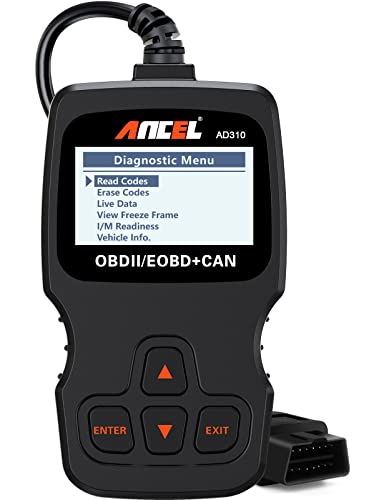
Diagnosing ABS issues is a job for a professional. It requires a specialized OBD-II scanner that can read “C” (Chassis) codes to pinpoint the exact failed component.
5. Why Might the Brake Light Stay On When the Car is Off?
If your rear brake lights remain on when the car is off, the most common culprit is a failed brake light switch. This small sensor near the top of your brake pedal tells the car when you’re braking. When it fails or its stopper breaks, it can get stuck on, draining your battery. This is an electrical issue, not a hydraulic one.
This is a distinct but related problem. While the dashboard warning light is about the health of the braking system, the exterior brake lights staying on points to a problem in the electrical circuit that controls them. The Brake Light Switch has a small plunger that is pressed when the brake pedal is at rest. When you press the pedal, the plunger is released, completing the circuit and turning on the lights.
If this switch fails or the small plastic stopper it presses against breaks and falls out, the switch will remain in the “on” position permanently. The result is brake lights that won’t turn off, which will drain your car battery if left unchecked.
When Should You Stop Driving and Call a Mechanic Immediately?
While some causes of the brake light are simple, others are critical safety warnings. Your brakes are the most important safety feature on your vehicle. It is always better to err on the side of caution.
Under no circumstances should you continue to drive your vehicle if the brake light is on AND you experience any of the following symptoms. Pull over safely and call for a tow to a certified mechanic.
⛔ CRITICAL SAFETY CHECKLIST: STOP DRIVING IF…
- ✅ The Brake Pedal Feels Spongy or Soft: This is the number one sign of a serious hydraulic failure, such as a fluid leak or a bad master cylinder.
- ✅ The Brake Pedal Goes to the Floor: If you have to push the pedal all the way to the floorboard to get any braking response, you have a critical loss of hydraulic pressure.
- ✅ You Hear Loud Grinding or Scraping Noises: This indicates complete brake pad wear and metal-on-metal contact, which provides very poor stopping power.
- ✅ You See a Puddle of Fluid Under Your Car: If you spot a puddle of clear or yellowish fluid under your car, you likely have a brake line leak.
- ✅ The Car Pulls Sharply to One Side When Braking: This can indicate a problem with a brake caliper or hose on one side of the vehicle.
Trust your instincts. If something feels wrong with your brakes, it probably is. The cost of a tow is insignificant compared to the risk of a brake failure.
FAQs About why is my brake light on in my car
Why is my brake light on but the brakes feel fine?
This is a critical early warning that should not be ignored. The brake system’s sensors can detect a problem, like low fluid, before it becomes severe enough to affect pedal feel. Continuing to drive could lead to a sudden and dangerous loss of braking performance. Always investigate the cause of the light, regardless of how the brakes feel.
How much does it cost to fix a brake light issue?
The cost varies widely, from $0 to over $1,000. If it’s just an engaged parking brake, the cost is zero. If it’s low fluid caused by worn pads, you’re looking at the cost of a standard brake job ($300-$800). A faulty ABS sensor might cost $150-$400 to replace, while a failed ABS module could exceed $1,000.
What’s the difference between the red brake light (!) and the amber ABS light?
The red brake light (!) indicates a problem with the base hydraulic system or the parking brake. This is a more urgent warning. The amber ABS light means there’s a fault in the Anti-lock Braking System. Your normal brakes should still work, but you won’t have the anti-skid function in an emergency stop.
Can I just add brake fluid and keep driving?
No, this is a dangerous shortcut. Brake fluid is in a sealed system and isn’t consumed. If the level is low, it means your brake pads are worn out or you have a fluid leak. Simply adding fluid masks the root problem and gives a false sense of security. The underlying issue must be diagnosed and repaired.
Why does my brake light come on and off intermittently?
This is often a sign that your brake fluid is right at the “minimum” level. When you turn or brake, the fluid sloshes in the reservoir, momentarily triggering the sensor. It’s a clear sign that you need to have your brake pads inspected soon. It could also indicate a loose sensor connection.
Key Takeaways: Your Brake Light On Summary
Navigating a dashboard warning light can be nerve-wracking, but understanding the basics empowers you to make safe decisions. Here are the most important points to remember when your car’s brake light comes on.
- Prioritize Safety Above All: If the light comes on while driving, immediately assess your brake pedal feel. If it’s spongy or soft, pull over safely and call for a tow.
- Check the Simple Things First: Always confirm your parking brake is fully disengaged before assuming a more serious problem. This is the most common and easiest fix.
- Low Fluid is a Symptom, Not the Cause: Low brake fluid almost always means your brake pads are worn or you have a dangerous leak. Never just top it off without finding the reason.
- Don’t Trust Pedal Feel Alone: The warning light is an early detection system. Even if your brakes feel normal, the light indicates a fault that needs immediate attention.
- Red vs. Amber Lights Mean Different Things: A red (!) light is a serious warning about your base brakes. An amber ABS light is a less critical warning about the anti-lock system.
- When in Doubt, Call a Professional: Brakes are the most important safety system on your car. If you are unsure about any symptom, it is always safest to have your vehicle inspected by a certified mechanic.
Final Thoughts on Your Car’s Brake Warning Light
Think of your car’s brake warning light not as a problem, but as a helpful messenger. It’s your vehicle’s way of communicating a potential issue with its most vital safety system before it becomes a catastrophe. By following the diagnostic steps in this guide, you can move from a state of worry to one of informed action.
The ultimate way to prevent these warnings is through proactive maintenance. Regular brake inspections, at least once a year or with every oil change, allow a professional to catch worn pads, contaminated fluid, or other issues long before they trigger a light. Staying ahead of brake maintenance is the best way to ensure your car is always ready to stop safely, giving you peace of mind on every journey.
Last update on 2026-03-11 / Affiliate links / Images from Amazon Product Advertising API