
Is your car suddenly sputtering, stalling, or just not feeling right after a fill-up? It’s a frustrating and stressful situation that can leave you stranded.
This common problem is often caused by bad gasoline, a term for fuel that’s been contaminated or has degraded over time. You are right to be concerned about the effects of bad gas on your car’s engine.
Bad gasoline can cause immediate engine performance issues like stalling and hesitation, and if ignored, it can lead to expensive, permanent damage to your fuel system and catalytic converter. This guide will walk you through the symptoms, fixes, and prevention steps. You’ll learn exactly what to do right now to protect your vehicle.
Key Facts
- Rapid Degradation: Gasoline can begin to degrade in as little as 30 days, especially modern ethanol blends in humid conditions, according to petroleum industry research.
- Water is the Enemy: Ethanol in modern fuel can absorb up to 50 times more water than non-ethanol gas, leading to engine misfires and stalling.
- Immediate Impact: Water is denser than gasoline and sinks to the bottom of your tank, meaning your fuel pump will draw it into the engine almost immediately, causing rapid performance issues.
- Costly Consequences: Ignoring bad gas symptoms can turn a simple fix into a major repair, with potential damage to the catalytic converter costing over $1,000 to replace, based on automotive repair industry data.
- Common Culprit: Fuel-related issues are consistently one of the top 10 reasons for vehicle breakdowns and check engine light warnings, as reported by roadside assistance providers.
What Are the First Steps to Take If You Suspect Bad Gas?
If you suspect bad gas, immediately pull over to a safe location and turn off the engine. Assess the symptoms: note any sputtering, stalling, or warning lights. Recall if the problems began right after refueling. Do not continue driving, as this can cause expensive damage to your engine and catalytic converter. This immediate action plan is your first line of defense against turning a minor inconvenience into a major repair bill. When your car starts acting up, especially after getting gas, your priority is to ensure your safety and prevent further harm to the vehicle’s fuel system.

Here is a calm, step-by-step emergency action plan to follow:
- Pull Over Safely: As soon as you notice severe sputtering, stalling, or a major loss of power, find the nearest safe place to pull over. This could be a parking lot, a side street, or the shoulder of the highway. Turn on your hazard lights to alert other drivers.
- Turn Off the Engine Immediately: The single most important thing you can do is shut off the engine. Continuing to run the car forces more contaminated fuel through the fuel pump, fuel filter, and injectors, which can cause significant damage.
- Assess the Situation: Take a moment to think. When did the symptoms start? Was it right after you filled the tank? This is a crucial clue. Note exactly what the car is doing—is it shaking at idle, hesitating when you press the gas, or did it stall completely?
- Avoid Restarting the Engine Repeatedly: Trying to restart the engine over and over can strain the fuel pump and battery. If it doesn’t start after one or two tries, it’s best to stop.
- Call for Professional Help if Needed: If your car has stalled in a dangerous location or the symptoms are severe, your safest option is to call for roadside assistance. It is always better to be cautious than to risk more damage or an accident.
What Are the 8 Key Symptoms of Bad Gas in a Car?
The most common symptoms of bad gasoline in a car include difficulty starting, a rough idle, engine sputtering or stalling, engine knocking (pinging), decreased power and acceleration, poor fuel economy, strange exhaust smells, and the check engine light coming on. These signs are your engine’s way of telling you that the fuel it’s receiving is not burning correctly.
Understanding these symptoms helps you distinguish a bad gas problem from other mechanical issues. Here’s a detailed breakdown of the eight key signs and what causes them.
| Symptom Profile | Water Contamination | Old/Oxidized Gas |
|---|---|---|
| Primary Symptom | Sputtering, hesitation, stalling | Knocking, pinging, low power |
| Why it Happens | Water displaces fuel, causing misfires | Reduced octane causes pre-detonation |
| Starting Issues | Car may crank but fail to start | Car starts but runs poorly |
| Context | Often occurs after heavy rain or fill-up | Common after long-term storage |
| Check Engine Codes | Misfire codes (P0300-P0308) | Knock sensor codes (P0325) |
1. Why Does Bad Gas Make a Car Hard to Start?
Degraded or contaminated fuel loses its combustibility. The entire purpose of gasoline is to ignite easily from a spark. When fuel is old, its volatile compounds have evaporated. When it’s contaminated with water, the spark plugs struggle to ignite the improper air-fuel mixture, resulting in long cranking times or a car that won’t start at all.
2. What Causes Rough Idling and Stalling?
A car’s engine is designed to run on a consistent supply of quality fuel. Bad gas provides an inconsistent fuel source. This leads to uneven combustion across the engine’s cylinders, causing the engine to shake, vibrate, or run rough when idling. If the contamination is bad enough, the engine may not be able to maintain combustion at all and will stall. It’s like a fireplace trying to burn wet wood—it sputters and struggles to stay lit.
3. Why Does the Engine Sputter or Hesitate When Accelerating?
When you press the accelerator, your engine demands more fuel instantly. If the fuel is contaminated with water or debris, these contaminants can intermittently block the flow of fuel through the fuel pump or injectors. This “starves” the engine for a split second, causing the sputtering or hesitation you feel. Old gas simply can’t burn efficiently enough to provide the power your engine needs for smooth acceleration.
4. What is That Knocking or Pinging Sound from the Engine?
That metallic pinging or knocking sound is a serious warning sign caused by “pre-detonation.” Gasoline has an octane rating, which is a measure of its ability to resist detonating under pressure. As gasoline ages, its octane rating drops. This low-octane fuel can ignite too early in the combustion cycle from pressure alone, before the spark plug fires. This uncontrolled explosion is the knock you hear, and it can cause serious damage to pistons and engine internals.
5. Why Does the Check Engine Light Turn On?
Your car’s computer, known as the Engine Control Unit (ECU), constantly monitors engine performance. When bad gas causes problems like incomplete combustion, it leads to engine misfires. The ECU’s sensors detect these misfires and other abnormal readings, immediately triggering the Check Engine Light to alert you that something is wrong. Common OBD-II codes associated with bad gas are in the P0300-P0308 range for engine misfires.
6. Can Bad Gas Cause a Noticeable Drop in Power?
Yes, a significant loss of power is a primary symptom. Efficient combustion is how your car’s engine extracts energy from gasoline. When the fuel is bad, the combustion process is highly inefficient. The engine simply isn’t making its designed horsepower, which you will feel as sluggish performance, poor acceleration, and difficulty climbing hills.
7. How Does Bad Gas Affect Fuel Economy (MPG)?
When the ECU detects inefficient combustion from poor fuel, it tries to compensate by injecting more fuel into the cylinders to generate the required power. This process, known as running in a “rich” condition, causes your vehicle to burn through gasoline much faster than normal. You’ll notice you have to fill up your tank more often, and your miles-per-gallon (MPG) will take a noticeable dive.
8. What Kind of Strange Smells Can Bad Gas Cause?
Your sense of smell can be a good diagnostic tool. Old, stale gas that has started to turn to varnish can have a sour or unpleasant odor, different from fresh gasoline. More seriously, if the engine is misfiring badly, unburnt fuel can be dumped into the hot exhaust system. This can create a strong, raw gasoline smell from your exhaust pipe or, even worse, a “rotten egg” smell if the catalytic converter is overheating and struggling to burn it off.
Why Does Gasoline Go Bad in the First Place?
Gasoline primarily goes bad from two causes: oxidation and contamination. Oxidation is a natural chemical breakdown over 3-6 months that reduces octane and forms sticky deposits. Contamination occurs when water, dirt, or other fluids get into the fuel, ruining its ability to burn cleanly in your engine. Understanding these two culprits helps you diagnose your issue and prevent it from happening again.
- Chemical Degradation (Oxidation): Gasoline is not an inert substance; it’s a complex chemical mixture. Over time, it reacts with oxygen in the air. This process, called oxidation, causes the more volatile components to evaporate and heavier compounds to form sticky resins and varnish. This is why gas that has been sitting in a car or lawnmower for a year becomes ineffective and can clog fuel system components.
- Water Contamination: This is the most common form of contamination. Water can get into your fuel system in a few ways. The most frequent cause is condensation building up inside a partially-empty gas tank, especially with changing temperatures. It can also come from a gas station’s underground storage tank that has a leak or from a loose or damaged gas cap letting in rain. Modern ethanol-blended fuels are particularly problematic because ethanol is hygroscopic, meaning it naturally absorbs water vapor from the air, pulling moisture directly into your fuel.
- Debris and Sediment: Over time, rust and sediment can accumulate at the bottom of a gas station’s storage tank or even inside your car’s own fuel tank. When you fill up, or run your tank very low, this debris can be stirred up and pulled into your fuel line, clogging the fuel filter and injectors.
How Do You Fix a Bad Gas Problem in Your Car?
To fix bad gas, you can try diluting it by filling the tank with fresh premium fuel for minor issues. For water contamination, use a fuel additive with isopropyl alcohol. For severe contamination or old gas, the only reliable solution is to have a mechanic drain the fuel tank and replace the fuel filter. The right solution depends entirely on the severity of the problem.
For Minor Issues: How Can Fuel Additives and Fresh Gas Help?
For minor bad gas issues, you have two options. First, try diluting the bad fuel by filling the rest of your tank with high-octane premium gasoline. Second, use a specialized fuel additive. An isopropyl-based additive removes water, while an octane booster can help with old, degraded gas.
- Dilute with Fresh Fuel: If you only have a small amount of questionable gas (less than half a tank) and the symptoms are mild, filling the remainder of the tank with fresh, high-quality premium gasoline can sometimes work. The new fuel dilutes the contaminated gas, and the higher octane can help offset the degradation of old fuel. This is only a solution for very minor cases.
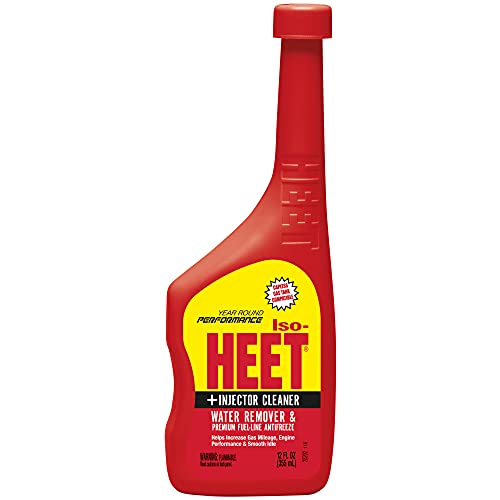
- Use the Right Fuel Additive: Fuel additives are a great first-line treatment. But you must choose the right one for your problem:
- Water Removers: These typically use isopropyl alcohol to absorb water, allowing it to mix with the gasoline and be safely burned away in the combustion process. This is the go-to solution if you suspect water contamination.
- Octane Boosters: If your car has been sitting for months and you’re hearing engine knock, an octane booster can help restore the fuel’s stability and prevent pre-detonation.
- Fuel System Cleaners: These are designed to remove carbon and varnish deposits from injectors and valves. They can be helpful after a bad gas incident to clean up any gunk left behind.
For Severe Cases: When Is Draining the Fuel Tank Necessary?
Draining the fuel tank is the only guaranteed solution for severe contamination and must be performed by a professional mechanic. This is absolutely necessary in the following situations:
- You put the wrong fuel in your car (e.g., diesel in a gasoline engine or E85 in a non-flex-fuel vehicle). Do not start the engine; have it towed.
- The fuel is heavily contaminated with water or debris. If the car is stalling constantly and won’t stay running, an additive won’t be enough.
- The gasoline is extremely old (over a year) and has likely turned to varnish, which will clog everything it touches.
Safety Warning: Never attempt to drain a gasoline tank yourself. Gasoline is highly flammable, and the fumes are explosive. This procedure carries a high risk of fire and serious injury. It should only be performed by an ASE-certified technician with the proper equipment and safety protocols.
What Permanent Damage Can Bad Gas Cause to a Car?
Driving with bad gas can cause permanent damage, including clogging the fuel filter and injectors, burning out the fuel pump from strain, and destroying the expensive catalytic converter with unburnt fuel. This can lead to thousands of dollars in repairs if the initial symptoms are ignored.
Here’s the chain reaction of damage that can occur:
- Clogged Fuel Filter: This is the first component to suffer. The fuel filter’s job is to trap debris, but a load of bad gas can clog it completely, starving the engine of fuel.
- Fuel Pump Failure: A clogged filter forces the fuel pump to work much harder to push fuel to the engine. This excessive strain can cause the pump to overheat and fail prematurely, a repair that can cost several hundred dollars.
- Clogged Fuel Injectors: The sticky varnish from old gas and fine sediment can clog the microscopic nozzles on your fuel injectors. This prevents them from delivering a precise spray of fuel, leading to persistent misfires and poor performance. Cleaning or replacing injectors can be a costly service.
- Catalytic Converter Damage: This is the most expensive consequence. When the engine misfires, raw, unburnt gasoline is dumped into the exhaust system. This fuel ignites inside the extremely hot catalytic converter, causing its internal ceramic structure to melt and break apart. A new catalytic converter can cost anywhere from $1,000 to over $2,500.
- Damaged Oxygen Sensors: The same unburnt fuel that destroys the catalytic converter can also coat and ruin the oxygen sensors in your exhaust, leading to failed emissions tests and poor fuel economy.
How Can You Prevent Bad Gas Problems in the Future?
To prevent bad gas, buy fuel from busy, reputable gas stations, use a fuel stabilizer if your car will sit for more than a month, and store the vehicle with a nearly full tank of gas to minimize water condensation. Prevention is always cheaper and easier than a cure.
Follow these best practices to protect your vehicle:
- Choose Busy, Reputable Gas Stations: High-volume stations get frequent fuel deliveries, meaning their gasoline is always fresh. Stations that are less frequented may have fuel sitting in their underground tanks for long periods.
- Use “Top Tier” Gasoline: Look for gas stations that sell Top Tier certified gasoline. This is a voluntary standard that requires higher levels of detergent additives, which help keep your entire fuel system clean from the tank to the injectors.
- Add a Fuel Stabilizer for Storage: If you know your car, motorcycle, or lawn mower will be stored for more than 30 days, add a quality fuel stabilizer to the tank. This chemical additive prevents the oxidation process, keeping the fuel fresh for up to two years.
- Keep the Tank Full During Storage: Store your vehicle with the gas tank at least 90% full. A full tank leaves less empty space for air, which dramatically reduces the potential for moisture to condense on the tank walls and contaminate your fuel.
- Don’t Run Your Tank to Empty: Regularly driving until the fuel light comes on can stir up any sediment that has settled at the bottom of your tank, increasing the chances of it being pulled into the fuel pump.
- Tighten Your Gas Cap: Always make sure you hear several clicks when tightening your gas cap. A loose or faulty cap can allow water vapor to enter the system.
FAQs About what does bad gas do to a car
How long does it take for bad gas to affect a car?
The effects can be almost immediate or gradual. Severe contamination, like a large amount of water from a gas station’s tank, can cause sputtering and stalling within a few miles. In contrast, old, degraded gas that’s been sitting in your tank for months might cause symptoms that start subtly, like minor hesitation, and slowly get worse over time.
Can one tank of bad gas ruin an engine?
It is highly unlikely to ruin the engine, but it can cause expensive damage. A single tank of bad gas won’t typically cause catastrophic engine failure. However, it can clog the fuel filter and foul spark plugs. If you continue driving with severe symptoms like misfiring, you can damage the much more expensive catalytic converter, which can cost over $1,000 to replace.
What’s the difference between bad gas and a bad fuel pump?
Symptoms can be very similar, but a fuel pressure test is the definitive way to know. Both can cause stalling, hesitation, and difficulty starting. However, bad gas symptoms often appear suddenly after a fill-up or long-term storage. A failing fuel pump’s symptoms tend to develop more gradually and may be accompanied by a whining noise from the gas tank area.
Will simply burning through the bad gas fix the problem?
This is only advisable for very minor issues. If the problem is slight hesitation from slightly old gas, filling the tank with fresh premium fuel might be enough to dilute the bad gas and clear the issue. However, if you have significant water contamination or stalling, attempting to “burn it off” will likely cause further damage and leave you stranded.
How much does it cost to fix a bad gas problem?
The cost can range from $15 to over $500. A simple DIY fix using a bottle of fuel additive costs around $15. If a mechanic needs to professionally drain and flush the fuel tank, the cost is typically between $200 and $500. If components like the fuel filter or spark plugs need replacement, you can add another $100-$300 to the repair bill.
Key Takeaways: Bad Gas in Car Summary
- Prioritize Safety First: If you suspect bad gas, your first action should always be to pull over safely and turn off the engine to prevent costly damage.
- Look for Key Symptoms: The most common signs are engine sputtering, hesitation, stalling, a rough idle, and a newly illuminated “Check Engine” light.
- Two Main Causes: Gas goes bad from either chemical degradation (sitting for too long) or contamination (usually with water).
- Solutions Vary by Severity: Minor issues can sometimes be fixed with a fuel additive and a top-off of fresh premium gas. Severe contamination requires a professional tank draining.
- Prevention is the Best Fix: Avoid bad gas by using fuel from busy, reputable stations and adding a fuel stabilizer any time your car will be stored for more than a month.
Final Thoughts on Dealing with Bad Gas
Dealing with bad gas in your car is undoubtedly stressful, but it’s a common and fixable problem. By recognizing the key symptoms and taking immediate, safe action, you can prevent minor fuel contamination from escalating into a major mechanical failure. Remember to trust your instincts—if your car feels wrong right after a fill-up, bad gas is a likely suspect. Empower yourself with preventative habits, and when in doubt, always consult a certified mechanic. Acting quickly and correctly is the best way to protect your vehicle and your wallet.
Last update on 2026-03-14 / Affiliate links / Images from Amazon Product Advertising API


![Being Sued for a Car Accident Your Complete Action Guide [year]](https://i0.wp.com/carxplorer.com/wp-content/uploads/2026/03/Being-Sued-for-a-Car-Accident-Your-Complete-Action-Guide-year-2.jpg?resize=60%2C60&ssl=1 "Being Sued for a Car Accident Your Complete Action Guide [year] 12")