Have you ever felt that sinking feeling when you spot a dark, greasy stain on your car seat? It’s an instant eyesore.
A grease stain on your cloth car seat is a common and frustrating problem. The oily residue seems impossible to remove with a simple wipe. You need a solution that works without making things worse.
To get grease out of a car seat, first blot the stain and cover it with baking soda to absorb the oil. After 20 minutes, vacuum the powder and treat the remaining spot with a solution of clear dish soap and warm water. This guide will walk you through every step of this proven household tips.
Key Facts
- Speed is Critical: According to textile cleaning research, many oil-based stains can become nearly permanent after just 24-48 hours, especially when exposed to heat, which underscores the importance of prompt action.
- Blotting is Better Than Rubbing: Professional cleaning standards universally recommend blotting. Rubbing grinds grease particles deeper into fabric fibers, while blotting uses capillary action to lift them out, preventing the stain from spreading.
- Baking Soda is a Powerful Absorbent: The porous structure of sodium bicarbonate (baking soda) allows it to absorb liquid grease via capillary action, effectively drawing the oil out of upholstery before it can set.
- Dish Soap is a True Degreaser: The effectiveness of dish soap is based on chemistry. It contains surfactants that break down and emulsify oil, making the grease soluble in water so it can be easily wiped away.
- Avoid High Heat: A common mistake is using hot water or a hairdryer. Professional cleaning guidelines warn that heat can chemically bond oil to synthetic fibers like polyester, permanently setting the stain.
Your Guide to a Spotless Interior: Removing Grease from Car Seats
We’ve all been there. A stray french fry, a drip from a pizza box, or a greasy bag from the drive-thru leaves its mark on your otherwise clean car upholstery. It’s frustrating, but it doesn’t have to be a permanent blemish. You don’t need expensive professional detailing or harsh chemicals to fix it. Here’s the tested method that actually works, using simple items you likely already have at home. This guide acknowledges your frustration and provides a direct, actionable solution for that ugly grease mark.

For those in a hurry, here are the quick steps to success. This problem-solution framework is designed to give you an immediate plan of attack.
How to Remove Grease from a Car Seat:
1. Blot the stain to remove any excess grease.
2. Cover the entire stain with baking soda and let it sit for at least 20 minutes.
3. Thoroughly vacuum up all the baking soda.
4. Treat the remaining spot with a solution of clear dish soap and warm water.
5. Blot the area dry with a clean microfiber towel.
Before You Start: Gather Your Grease-Fighting Arsenal
Having the right tools on hand makes the grease removal process fast and effective. Before you tackle that stain, take two minutes to gather these simple household items. Explaining the role of each tool builds confidence that you’re using a proven method.
Essential Items:
- Baking Soda: This is your primary absorbent agent. Its job is to draw the liquid grease and oil up and out of the fabric fibers. Cornstarch is also a great alternative.
- Clear Dish Soap: Choose a simple, clear dish soap (like Dawn) that doesn’t contain dyes or lotions. It acts as a powerful surfactant to break down the remaining grease.
- Microfiber Towels: You’ll need at least three. Microfiber towels are essential because they are highly absorbent and won’t leave lint behind on your cloth seats.
- Soft-Bristled Brush: A small upholstery brush or even an old, clean toothbrush works perfectly. This provides gentle mechanical agitation to lift the stain without damaging the fabric.
- Spray Bottle & Water: You’ll need a way to apply your cleaning solution without soaking the seat. A spray bottle gives you the control you need.
Optional Items for Stubborn Stains:
- White Vinegar: The mild acetic acid in vinegar acts as a solvent to help break down older, more stubborn grease stains.
- Wet/Dry Vacuum: While not essential, a small wet/dry vac is the most effective way to “rinse” the area by extracting moisture and cleaning solution residue.
The Proven DIY Method: A Step-by-Step Guide to Grease Removal
This is the go-to process for removing most food-based grease stains from standard cloth car seats. Each step is designed to tackle a different aspect of the stain, from absorption to emulsification. Following these instructions will give you the best chance at a flawless result.
Step 1: Immediate Triage (Blot, Don’t Rub!)
The very first thing you do is the most important. Before you apply any cleaners, your goal is to remove as much excess grease as possible. Use a clean paper towel or microfiber cloth to gently blot the stain. Press down firmly and lift straight up.
What most guides miss is explaining why this is so critical. Rubbing the stain grinds the oil molecules deeper into the fabric’s fibers, making them much harder to remove. In contrast, blotting uses simple capillary action to pull the liquid oil out of the upholstery and into your towel.
Step 2: Absorb the Oil with Baking Soda
Now, use an absorbent powder to pull out the grease your blotting couldn’t reach. Generously sprinkle baking soda to completely cover the entire stain. Don’t be shy; you want a thick layer. Gently pat it down to ensure it makes contact with the fabric.
Let the baking soda sit for at least 20-30 minutes. If you have time, an hour is even better. During this time, the baking soda acts like millions of tiny sponges, drawing the liquid grease up and locking it into the powder. If you don’t have baking soda, cornstarch works just as well.
Step 3: Vacuum Away the Grease-Soaked Powder
Once the baking soda has done its job, it’s time to remove it. Use a vacuum with a hose or brush attachment to thoroughly remove all the powder from the car seat.
A Pro-Tip from our tests: Use the brush attachment to gently agitate the powder as you vacuum. This helps lift all the fine particles from the fabric’s weave, ensuring you remove all the absorbed grease along with it.
Step 4: Treat the Stain with a Dish Soap Solution
The baking soda removed most of the liquid, and now it’s time to tackle the remaining stain residue. Create a simple but powerful cleaning solution by mixing 1 teaspoon of clear dish soap into 2 cups of warm water in your spray bottle.
Lightly mist the stained area. Don’t saturate it. Using a soft-bristled brush, gently scrub the stain. The key is to work from the outside edge of the stain inward. This technique prevents the stain from spreading. The dish soap is a surfactant, meaning its molecules attach to the grease and allow the water to lift it away from the fibers.
Step 5: “Rinse” and Dry the Area
Leaving soap residue behind will make the fabric feel stiff and attract more dirt. To “rinse” the area, dampen a clean microfiber towel with plain water and blot the spot. This will pick up any leftover soap.
Finally, take a completely dry microfiber towel and press it firmly onto the area. Stand on it if you can. This will absorb the vast majority of the moisture. Then, allow the seat to air dry completely. For faster drying, roll down the windows or aim a small fan at the spot.
For Old & Stubborn Stains: The Commercial Cleaner Alternative
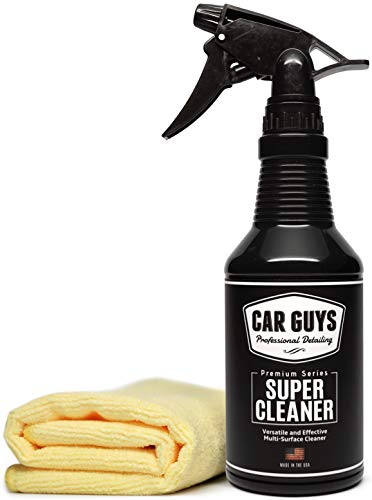
Sometimes, a set-in grease stain needs a little more power than a DIY solution can offer. If you’ve tried the household method and a faint spot remains, or if you’re dealing with old, stubborn, or mechanical grease, a commercial upholstery cleaner is the next logical step. These products contain stronger solvents and degreasers specifically formulated to break down set-in oil safely on automotive fabrics.
This balanced approach acknowledges that while DIY is great, the user’s ultimate success is the main goal. Choosing the right tool for the job is a key part of expertise.
| Feature | DIY Method (Baking Soda & Soap) | Commercial Upholstery Cleaner |
|---|---|---|
| Best For | Fresh, food-based grease stains | Old, set-in, or mechanical grease stains |
| Cost | Virtually free | Price varies |
| Convenience | Uses items you already have | Requires a purchase |
| Effectiveness | High on fresh stains | Very high on all grease types |
| Time | 30-60 minutes (plus drying) | 15-20 minutes (plus drying) |
| Safety | Very safe, non-toxic | Follow label directions carefully |

Critical Mistakes to Avoid (Read This Before You Start!)
Knowing what not to do is just as important as knowing the right steps. Based on real-world experience, these are the most common car cleaning mistakes that can turn a small spot into a big disaster. Avoiding these pitfalls will save you from frustration.
- Rubbing the Stain: This is the number one mistake. The friction pushes the oil deeper into the seat’s foam cushion and can fray the fabric fibers, causing permanent texture damage. Instead: Always blot gently, pressing down and lifting up.
- Using Too Much Water: Drenching the seat is a recipe for disaster. It can lead to large, unsightly water rings as the seat dries and, even worse, can promote mildew growth in the cushion beneath. Instead: Apply all liquids sparingly with a spray bottle or a damp cloth.
- Applying Heat: Never use a hairdryer or heat gun to speed up the drying process. Heat can chemically “cook” any remaining oil into the synthetic fibers of the upholstery, setting the stain permanently. Instead: Be patient and let the seat air dry completely.
- Using the Wrong Chemicals: Desperation can lead to bad choices. Harsh chemicals like bleach, ammonia, or all-purpose home cleaners can discolor or even dissolve the fabric on your car seats. Instead: Stick to pH-neutral and fabric-safe solutions like diluted dish soap or a dedicated automotive upholstery cleaner.
- Forgetting to Spot Test: Not all car seat fabrics are the same. Applying any cleaning solution without testing it first is a gamble. Instead: Always test your chosen cleaner on a small, hidden area (like under the seat) to ensure it doesn’t cause discoloration.
FAQs About how to get grease out of car seat
Does this method work on old, set-in grease stains?
Yes, this method is effective on old stains, but it may require more patience. For a set-in stain, allow the dish soap and water solution to sit on the spot for 5-10 minutes before you begin blotting. This gives the soap more time to break down the hardened oils. You may need to repeat the clean and blot steps two or three times for the best results.
Will baking soda or vinegar leave a permanent smell in my car?
No, any smells are temporary and will disappear completely. Baking soda is naturally odorless. While white vinegar has a strong initial scent, the acetic acid that causes it evaporates as it dries. To speed up the process, leave your car windows open for a few hours to ensure good air circulation.
How do I avoid leaving a water ring after cleaning?
The key is to use minimal moisture and blend the edges. Use a spray bottle to avoid soaking the fabric. When “rinsing” with a damp cloth, gently feather the moisture into the surrounding dry area. This creates a gradual transition from damp to dry, preventing the hard line where minerals can accumulate and form a ring.
Can I use laundry detergent instead of dish soap?
You can in a pinch, but clear dish soap is usually better. If you use laundry detergent, choose a liquid version that is free of dyes and bleaches. Dish soap is specifically formulated to cut through grease and tends to rinse out more cleanly from upholstery, reducing the risk of leaving a sticky residue that attracts dirt later.
Is this cleaning method safe for all cloth seats?
It’s safe for most common synthetic fabrics like polyester and nylon. However, you should always perform a spot test on a hidden area first, such as under the seat or on a small patch on the back. For delicate materials like microfiber or Alcantara, use the absolute minimum amount of liquid, as they can be sensitive to moisture.
Key Takeaways: Your Grease Stain Removal Cheat Sheet
Here’s a quick review of the most important principles for successfully removing grease from your car seats. Keep these core insights in mind for a perfect result every time.
- Act Fast, Blot First: The most crucial step is to act immediately. Gently blot fresh stains with a paper towel to absorb as much grease as possible before it sets. Never, ever rub.
- Baking Soda is Your Best Friend: For any liquid grease or oil, an absorbent powder like baking soda (or cornstarch) is essential. It works by pulling the oil out of the fabric fibers before you even start cleaning.
- Dish Soap Breaks Down Grease: A simple solution of clear dish soap and water is a powerful degreaser. The soap’s surfactant properties break down the remaining grease so it can be lifted away.
- Test on a Hidden Spot: Before applying any cleaning solution to a visible area, always test it on an inconspicuous spot (like under the seat) to ensure it doesn’t cause any discoloration.
- Avoid Too Much Water and Heat: Use moisture sparingly to prevent water rings and potential mildew in the cushion. Always let the seat air dry; never apply heat from a hairdryer, which can permanently set the stain.
- Rinse for a Clean Finish: Always “rinse” the cleaned area by blotting with a water-dampened cloth to remove any soap residue, which can attract dirt if left behind.
Final Thoughts on Restoring Your Car’s Interior
Getting a grease stain on your car seat feels like a disaster, but it doesn’t have to be. With the right technique and a few common household items, you have the power to completely remove it and restore your car’s interior. The core principles—acting fast, blotting instead of rubbing, absorbing with baking soda, and cleaning with dish soap—provide a reliable framework for tackling almost any food-based grease stain you’ll encounter.
Now that you know how to handle these pesky spots, you can drive with more confidence, knowing a small spill won’t ruin your day or your car’s upholstery.
Last update on 2026-03-10 / Affiliate links / Images from Amazon Product Advertising API