
If you’ve ever found yourself wondering, “how many cars can I sell a year?” you’re not alone. The line between a private seller getting rid of a few personal vehicles and an unlicensed dealer operating illegally can seem blurry and confusing. This uncertainty leads to a critical pain point for many: the fear of accidentally breaking the law, facing hefty fines, or getting into legal trouble simply for selling your own property. This guide is designed to eliminate that confusion, providing a clear, comprehensive roadmap to understanding the legal limits on private car sales.
The number of cars you can sell annually without a dealer’s license is not universal; it varies significantly by state, often limiting private sales to around 5 vehicles per year, or focusing on the intent to sell for profit rather than a strict numerical count.
Leveraging extensive analysis of state regulations and established legal patterns, this guide unpacks the critical nuances you need to know. We will explore the specific car selling limits for key states, define what legally constitutes a “trader,” outline the serious consequences of exceeding these limits, and explain when it becomes necessary to obtain a dealer’s license. By the end, you’ll have the clarity needed to sell your vehicles confidently and legally.
Key Facts
- No Universal Limit Exists: The maximum number of cars you can sell privately is determined by individual state laws, not a single federal regulation, leading to significant variation across the country.
- Intent Matters More Than Volume: A person is often legally considered a “trader” or dealer if they buy cars with the primary intention of reselling them for a profit, regardless of how many vehicles they sell in a year.
- Common State Cap: Many states, including California, Tennessee, and Pennsylvania, explicitly limit private individuals to selling five vehicles per year before a dealer’s license is required.
- Severe Penalties for Non-Compliance: According to information from sources like the Federal Trade Commission, failure to adhere to state licensing laws can result in severe consequences, including substantial fines and even the revocation of your ability to sell vehicles.
- Professional vs. Private Scale: To put private limits in perspective, a successful professional car salesperson might sell between 120 and 240 cars per year, with top performers exceeding 300, highlighting the commercial nature of high-volume sales.
Understanding How Many Cars You Can Sell Annually: State License Limits
The question of “how many cars can I sell a year” is one of the most common queries for individuals looking to sell multiple vehicles, whether they’re enthusiasts, hobbyists, or simply managing a family’s fleet. The answer, however, is not a simple number. It’s a complex issue governed by a patchwork of state-specific private car sales regulations designed to distinguish between a private seller and a commercial dealer. Understanding these rules is crucial for maintaining legal compliance. This variability is rooted in a complex web of regulations, with foundational guidance coming from bodies like the Federal Trade Commission (FTC) and various State Department of Motor Vehicles (DMV) regulations, as noted by USA.gov. For any private individual, knowing your state’s specific laws is the first and most important step to avoid acting as an unlicensed car dealer. A private seller is generally defined as an individual selling a vehicle they have personally owned and used, whereas a dealer’s license is a legal permit required for individuals or businesses who engage in buying and selling vehicles as a primary form of commerce.

This guide will walk you through the factors that influence car sales, the specific legal limits in several key states, and the consequences of not following the rules.
Quick Fact: Did you know the definition of a ‘trader’ can be more about intent than just the number of cars sold?
Why “How Many Cars” Isn’t a Simple Number for Private Sellers
Car sales volume is influenced by market demand, dealership resources, sales team skill, inventory, marketing, customer service, economic conditions, and crucial regulatory compliance, making a single universal limit impossible. While a private individual isn’t running a dealership, understanding these broader factors provides context for why regulations exist. The government aims to regulate commercial activity, which is often defined by the scale and intent demonstrated through these very factors. According to analysis from sources like Cox Automotive and the National Automobile Dealers Association (NADA), several key elements determine sales volume:
- Market Demand: A strong economy and high consumer confidence generally lead to more car sales. This is influenced by factors like interest rates and fuel prices, as noted in Federal Reserve Economic Data.
- Regulatory Compliance: This is the most critical factor for a private seller. Adherence to state and federal regulations is mandatory. Failure to comply can result in fines or license revocation, which directly impacts your ability to sell any cars at all.
- Sales Strategies and Intent: For a private seller, this translates to why you are selling. Are you selling personal vehicles you no longer need, or are you actively buying cars with the primary goal of reselling them for a profit? This intent is a key legal distinction.
- Inventory: While you don’t have a “lot,” the number of vehicles you own and are trying to sell within a year is your personal inventory. States monitor this to identify patterns that suggest commercial activity.
- Economic Conditions: Broader economic trends can affect how quickly you can sell a car and for what price, but they don’t change the legal regulations you must follow.
Pro Tip: Think of these factors as gears in a machine – if one isn’t optimized, the whole system (sales volume) is affected! For a private seller, the “regulatory compliance” gear is the one that can bring the entire machine to a grinding, and legally problematic, halt.
Navigating State-Specific Limits on Private Vehicle Sales
State laws on how many cars you can sell privately without a dealer’s license vary, with common limits like 5 vehicles per year (CA, TN, PA), or criteria based on intent to profit rather than a strict number. The critical takeaway is that you must know the specific rules for your state to avoid being classified as an unlicensed car dealer. A trader or dealer is generally someone who buys and sells cars for profit, while license revocation is the legal penalty where a state revokes your privilege to sell vehicles.
This lack of a federal standard means the answer to “how many cars can I sell a year” depends entirely on your address. Some states have a hard numerical cap, while others use a more nuanced definition based on your activities. Crossing that line, intentionally or not, can lead to significant penalties. To provide clarity, here is a breakdown of the rules in several states.
Disclaimer: This information is for informational purposes only and does not constitute legal advice. You must consult with your local Department of Motor Vehicles (DMV) or a legal professional for the most current and accurate regulations in your state.
| State | Max Private Sales Per Year | Key Nuance / Definition of Trader | Potential Penalty Risk |
|---|---|---|---|
| California | 5 Vehicles | Applies only if the seller is not buying vehicles for the main purpose of resale/profit. | High |
| Tennessee | 5 Vehicles | Vehicles must be titled in the seller’s name. Exceeding the limit requires a license. | High |
| Pennsylvania | 5 Cars | Selling more than 5 in a calendar year requires obtaining a dealer’s license. | High |
| Michigan | 5 Vehicles | Selling more than five vehicles in a calendar year requires a license. The limit resets on January 1st. | High |
| Texas | 4 Vehicles | A person who sells more than four vehicles in a calendar year is presumed to be a dealer. | High |
| Wisconsin | 5 Vehicles | Any person or business selling more than five vehicles per year must have a dealer license. | High |
| Missouri | 6 Vehicles | Individuals can sell up to six titled vehicles per year. A dealer license is needed for seven or more. | High |
Which state’s rules surprise you the most? Share your thoughts!
California’s Rules for Private Car Sellers
In California, you can sell up to 5 used vehicles per year privately without a dealer’s license, provided the sales are not primarily for the purpose of making a profit. This rule, enforced by the California Department of Motor Vehicles, is designed to allow individuals to sell their personal cars without the regulatory burden faced by commercial dealerships. However, the state places a strong emphasis on the seller’s intent.
“In California a private person can sell up to five used vehicles a year without a license. However, this applies only if the person is not otherwise engaged in the business of selling vehicles.”
This means that even if you sell fewer than five cars, if the California DMV determines your primary motivation is profit—for instance, if you’re buying cars at auction and immediately relisting them online—you could still be classified as an unlicensed dealer. Key points to remember for California include:
- The 5-Car Limit: This is the hard numerical cap for private sellers per calendar year.
- Profit Motive is Key: The spirit of the law focuses on whether you are conducting a business. Documenting your personal use of a vehicle can be crucial if your sales are ever questioned.
- Used Vehicles: The regulation specifically applies to the sale of used vehicles.
Consider this: The ‘intent’ aspect in California’s law is key – even if you sell fewer than 5 cars, if it’s clear you’re doing it for profit, you could still be deemed a dealer.
Tennessee’s Vehicle Sales Regulations for Individuals
In Tennessee, an individual can sell up to 5 vehicles per year, provided they are titled in their name, before a dealer’s license is required. This regulation is clear and directly addresses the question of “how many cars can I sell a year” with a specific number. According to current Tennessee law, this limit is a firm threshold monitored by the Tennessee Department of Revenue.
The requirement that the vehicle must be titled in their name is a critical detail. This means you cannot simply act as a middleman for friends or family or engage in “title jumping,” where a car is bought and sold without the seller ever formally registering it in their name. This practice is illegal and is one of the key activities that dealer licensing laws are designed to prevent.
Here are the essential guidelines for selling cars in Tennessee:
- Strict 5-Vehicle Limit: Once you sell your fifth vehicle in a single year, you must stop all sales or apply for a dealer’s license to sell the sixth.
- Title Requirement: The vehicle’s title must be legally registered in your name as the seller. This proves ownership and is a non-negotiable part of the private sale process.
- No Exceptions for Hobbyists: Unlike some states that may consider intent, Tennessee’s law is based on a straightforward numerical count. Being a hobbyist or enthusiast does not exempt you from the 5-vehicle limit.
Have you sold a car in Tennessee? What was your experience with reporting requirements?
Pennsylvania’s Annual Private Car Sales Cap
You can sell up to 5 cars per year in Pennsylvania without needing a dealer’s license. The rule in Pennsylvania is straightforward and mirrors that of several other states by setting a clear numerical limit. The Pennsylvania Department of Transportation (PennDOT) enforces this regulation, and selling more than five cars within a calendar year is considered engaging in the business of a dealer, which requires a proper license.
This bright-line rule makes it simple for individuals to know where they stand. If you are planning to sell a sixth vehicle within the same year, you must go through the official process of becoming a licensed dealer. This is a non-negotiable threshold for private car sales in the state. The focus is purely on the number of transactions, making compliance easy to track for both sellers and regulators.
Michigan’s Vehicle Dealer License Rules Explained
In Michigan, selling more than five vehicles in a calendar year typically requires a dealer’s license, with the limit resetting each January 1st. This rule is very specific and offers an important clarification: the count is based on the calendar year, not a rolling 12-month period. This detail is crucial for anyone selling cars near the end of the year.
The Michigan Secretary of State’s office oversees these regulations. The key distinction is the phrase “more than five.” This means you are legally permitted to sell five vehicles as a private citizen. The moment you sell your sixth vehicle within that January 1st to December 31st timeframe, you are required to have a dealer license.
This clear-cut rule helps individuals manage their private car sales without ambiguity. If you sell your fifth car in December, you can sell another car in January of the next year without issue, as your count will have reset to zero.
Remember: The Michigan limit resets on January 1st – not a rolling 12-month period!

Understanding the “Trader” Definition Beyond Numerical Limits
A person is generally considered a car ‘trader’ if they buy vehicles with the primary purpose of reselling them for profit, regardless of the exact number sold, often requiring a dealer’s license. This concept is one of the most important yet least understood aspects of private car selling laws. While many states have hard numerical limits, the underlying principle for all states is to regulate commercial activity.
A featured answer on the topic clarifies this perfectly:
“There is no minimum number of cars an individual can sell before they are deemed to be a trader. A person will only be considered a trader if they buy cars mainly for the purpose of reselling them at a profit, regardless of the number of vehicles sold each year.”
This means that your intent, or profit motive, can legally define you as a dealer even if you haven’t hit a specific car count. State agencies look for patterns of behavior that indicate a business is being conducted. These patterns might include:
- Quick Turnaround: Buying a car and reselling it within a very short period.
- Source of Vehicles: Regularly purchasing cars from wholesale auctions, which are typically restricted to licensed dealers.
- Advertising: Marketing vehicles in a manner that suggests a commercial operation rather than a private sale.
- No Personal Use: Selling vehicles that you never registered for personal use.
Understanding this distinction is vital. If your actions demonstrate a clear profit motive, you risk the legal repercussions of being an unlicensed dealer, regardless of whether you sold two cars or ten.
This is a critical distinction: It’s not just about the number, but why you’re selling. Do you know your state’s specific stance on ‘intent to profit’?
What Happens If You Exceed Private Sale Limits or Act as an Unlicensed Dealer?
Exceeding private car sales limits or operating as an unlicensed dealer can result in severe consequences, including substantial fines, potential legal prosecution, and even vehicle confiscation. The enforcement of these regulations is taken seriously by state authorities because it protects consumers from unregulated and potentially fraudulent sales practices. When you cross the line from a private seller to an unlicensed dealer, you expose yourself to significant legal and financial risk.
The specific penalties vary by state, but they are universally designed to be a strong deterrent. The reasoning is simple: licensed dealers are required to follow strict consumer protection laws, secure bonds, and maintain a physical place of business, all of which provide recourse for buyers if something goes wrong. Unlicensed dealers bypass all these safeguards. Here’s a breakdown of the potential consequences you could face:
- Substantial Fines: This is the most common penalty. Fines can range from hundreds to thousands of dollars per vehicle sold illegally. These can quickly accumulate and become a massive financial burden.
- Legal Action and Prosecution: Acting as an unlicensed dealer is often a misdemeanor offense. In some cases, particularly for repeat offenders or large-scale operations, it can even be a felony. This could lead to a criminal record.
- License Revocation or Suspension: If you have any other state-issued professional licenses, they could be put at risk. Furthermore, your driver’s license could be suspended in some jurisdictions.
- Vehicle Confiscation: State authorities may have the power to impound and confiscate any vehicles that are part of your unlicensed dealing operation.
- Inability to Obtain a Dealer’s License in the Future: If you ever decide you want to become a legitimate dealer, having a history of unlicensed activity can make it extremely difficult or impossible to get approved.
Don’t risk costly mistakes! The best defense is to understand and comply with your state’s specific regulations.

When Do You Need a Dealer’s License? Requirements and Process
A dealer’s license is required when your selling activities move beyond private thresholds or demonstrate intent to profit; the process involves meeting state-specific requirements, submitting an application, and paying fees. If you find that your passion for buying and selling cars is pushing you past your state’s private seller limits, the correct and legal path forward is to become a licensed dealer. This legitimizes your operation and ensures you are in full compliance with the law.
The process for obtaining a dealer’s license varies significantly from state to state, but it generally follows a similar series of steps. It’s a much more involved process than a private sale and requires a serious commitment.
Here is a general outline of the steps you would typically need to take:
- Understand Your State’s Specific Requirements: The first step is to contact your state’s DMV or the agency that governs auto dealerships. They will provide a complete checklist of requirements, which may include things like minimum age, a clean criminal record, and specific business location criteria.
- Establish a Place of Business: Most states require dealers to have a physical location that meets certain standards. This often cannot be a residential address and may require specific zoning, a display lot, and an office.
- Obtain a Surety Bond: A dealer surety bond is a type of insurance that protects consumers from fraud or misrepresentation by the dealer. The required bond amount can range from $10,000 to over $100,000, depending on the state and the type of license.
- Complete the Application and Pay Fees: You will need to fill out a detailed application form and pay various fees, which can include application fees, licensing fees, and background check fees.
- Pass a Background Check: State authorities will conduct a thorough background check to ensure you meet their standards for licensure.
- Obtain Liability Insurance: Proof of liability insurance for your business location and vehicle inventory is almost always a requirement.
- Attend Pre-Licensing Education: Some states require aspiring dealers to complete a certain number of hours of pre-licensing education to ensure they understand all relevant laws and regulations.
Considering a dealer’s license? It’s a significant step, but ensures full legal compliance and opens new opportunities.
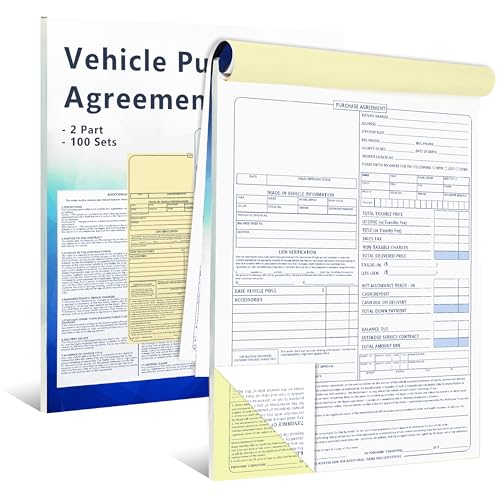
To ensure every sale is smooth and legally sound, having the right tools and documentation on hand is essential. Equipping yourself with a proper bill of sale pads, vehicle history report credits, and basic detailing supplies can make the process more professional and secure.

FAQs About How Many Cars I Can Sell a Year
How many cars am I allowed to sell a year?
The number of cars you are legally allowed to sell per year varies by state. Many states like California and Tennessee set the limit at five vehicles per year for private sellers. However, some states may have lower or higher limits, or they may focus more on your intent to sell for profit rather than a specific number. It is crucial to check your local DMV regulations for the exact limit in your area.
Is selling 12 cars a month good?
Selling 12 cars a month, or 144 cars a year, is considered good performance for a professional car salesperson at a dealership. This volume provides a steady income stream. However, for a private individual, selling this many cars would require a dealer’s license in every state, as it far exceeds any private sale limit and clearly indicates commercial activity.
What happens if you sell more than 4 cars a year in Texas?
In Texas, an individual who sells more than four vehicles in a calendar year is legally presumed to be a car dealer. This means that upon selling your fifth vehicle, you are required to have a dealer’s license. Operating without one can lead to significant fines and penalties from the Texas Department of Motor Vehicles for engaging in unlicensed dealer activities.
How many cars do salesmen sell in a year?
The number of cars a professional salesperson sells annually can vary widely based on the dealership’s size, location, and the salesperson’s skill. An average, successful salesperson typically sells between 10 to 20 cars per month, which translates to 120 to 240 cars per year. Top-performing salespeople in high-volume dealerships can sell over 300 cars annually.
Can I sell cars from my home without a license?
You can sell your personal vehicles from your home as long as you stay within your state’s legal limit for private sales (e.g., 5 cars per year in many states). However, if you exceed this limit or begin operating as a business, you cannot use your home as a dealership. Most states have strict zoning requirements for licensed dealers that prohibit them from operating out of a residential address.
What constitutes “selling for profit” in car sales?
“Selling for profit” generally refers to the act of buying a vehicle with the primary intention of reselling it for a higher price, rather than for personal use. State authorities identify this through patterns like buying from wholesale auctions, quick resale times, and selling cars you never titled in your own name. This intent can classify you as a dealer, regardless of the number of cars sold.
Are there federal limits on car sales, or only state limits?
There are no federal laws that set a specific number for how many cars an individual can sell per year. All numerical limits and licensing requirements for vehicle dealers and private sellers are established and enforced at the state level. This is why the rules can differ so dramatically from one state to another.
Does reselling inherited vehicles count towards my limit?
Yes, in most cases, selling an inherited vehicle will count towards your annual private sale limit. The vehicle is titled in your name, and the sale is a transaction that is tracked by the state. If you inherit and need to sell multiple vehicles that would put you over your state’s limit within one year, it is wise to consult with your local DMV for guidance on how to proceed legally.
Final Summary: Navigating Car Sales Limits Without a Dealer’s License
Understanding and adhering to your state’s regulations on private vehicle sales is the most critical step to a successful and legal transaction. The question of “how many cars can I sell a year” doesn’t have a one-size-fits-all answer, but is instead governed by a combination of specific numerical limits and the legal definition of a “trader.” By synthesizing the analysis of various state laws and legal precedents, it’s clear that compliance is key to avoiding costly penalties.
This guide has provided a comprehensive overview of the core principles you need to understand. Let’s recap the most critical takeaways:
* State Variability is Law: There is no national standard. The number of cars you can sell is dictated entirely by the laws in the state where you reside.
* Intent Can Outweigh Numbers: Your reason for selling is just as important as the quantity. Buying vehicles with the primary purpose of reselling for profit will classify you as a dealer, regardless of volume.
* Know Your Number: For states with hard limits (often 4 or 5 cars per year), keep careful track of your sales within a calendar year to ensure you do not unknowingly cross the legal threshold.
* Penalties Are Severe: The consequences of acting as an unlicensed dealer are not trivial, involving heavy fines, legal action, and potential long-term repercussions.
* When in Doubt, Get Licensed: If your selling activities are moving beyond that of a casual private seller, the only safe and legal path is to go through the process of obtaining a dealer’s license.
Take these insights derived from extensive regulatory analysis and confidently navigate your private car sales! For ultimate peace of mind, always consult your state’s official DMV or a legal professional for the most current and personalized advice. Your diligence will ensure your selling experience is both profitable and, most importantly, legal.
Last update on 2026-03-03 / Affiliate links / Images from Amazon Product Advertising API

![Aesthetic Nissan 370Z Photoshoot Ideas: [year] Posing Guide](https://i0.wp.com/carxplorer.com/wp-content/uploads/2026/03/Aesthetic-Nissan-370Z-Photoshoot-Ideas-year-Posing-Guide-1.png?resize=60%2C60&ssl=1 "Aesthetic Nissan 370Z Photoshoot Ideas: [year] Posing Guide 13")


