
You’ve just had an accident; you’re stressed, and your mind is racing. Amidst the chaos, you’re facing a critical question: how long to report the car accident to insurance? Getting this wrong can be a costly mistake, but knowing the deadlines and why they matter can protect you from claim denials and legal headaches.
While there is no single universal deadline, the golden rule is to report a car accident to your insurance company as soon as possible, preferably within 24 to 72 hours. This prompt action is the first and most crucial step in ensuring a smooth claims process and protecting your financial interests.
This guide unpacks the critical deadlines you need to know, leveraging an in-depth analysis of insurance policies and state laws. We will break down the difference between your policy requirements and legal obligations, explore the serious consequences of delaying, and provide clear, actionable steps. This will help you effectively navigate the aftermath of a car accident with confidence.
Key Facts
- The Golden Window: Most major insurers, including Geico and Progressive, strongly recommend or require reporting an accident within 24 to 72 hours to initiate the claims process efficiently.
- State Law vs. Insurance Policy: Reporting an accident to the police or DMV is a separate legal requirement from notifying your insurer. According to analysis from sources like FindLaw, state deadlines can range from 10 to 30 days, especially if damages exceed a threshold like $1,000.
- The High Cost of Waiting: Insurance analysis from sources like NerdWallet and Policygenius consistently shows that delaying a report can lead to claim denial or a reduced payout, as it hinders the insurer’s ability to investigate.
- Statute of Limitations is Different: The deadline to file a lawsuit for personal injuries is much longer, often two to three years from the date of the accident. This legal deadline, highlighted by resources like Justia, should not be confused with the short-term insurance reporting requirement.
- Promptness Preserves Proof: The Insurance Information Institute emphasizes that immediate reporting is vital for preserving crucial evidence like skid marks and vehicle positions, which can quickly disappear, and securing witness statements while memories are fresh.
The Clock is Ticking: When to Report a Car Accident to Insurance (2026 Deadlines)
The moments after a car accident are confusing, but one action item is crystal clear: you need to notify your insurance company. While policies and state laws vary, a universal best practice has emerged based on guidance from major insurers and consumer advocates like the Insurance Information Institute. You need to act fast.

This initial notification, often called “first notice of loss,” is the official start of your insurance claim. Waiting too long can jeopardize the entire process before it even begins.
The most critical takeaway is this: While there is no single universal deadline, the golden rule is to report a car accident to your insurance company as soon as possible, preferably within 24 to 72 hours. This timeframe isn’t arbitrary; it’s designed to protect both you and your insurer, ensuring the facts can be gathered accurately and your claim can be processed without unnecessary hurdles.
Why Reporting an Accident Promptly is Non-Negotiable
You might wonder, “What’s the big deal if I wait a few days?” The answer is simple: time is the enemy of evidence. Reporting a car accident quickly isn’t just a suggestion; it’s a strategic move that directly impacts the strength and value of your claim. Think of an accident scene like a puzzle. The sooner your insurer can see the pieces, the more accurately they can put the picture together. Based on guidance from authoritative sources like Consumer Reports, prompt reporting is non-negotiable for several key reasons.

- Evidence Preservation: The physical scene of an accident changes rapidly. Skid marks can be washed away by rain, debris can be cleared, and the exact position of the vehicles can be lost. Reporting quickly allows an insurance adjuster to document this critical evidence before it disappears, which is essential for fault determination.
- Witness Availability and Accurate Recall: Witnesses are far more likely to remember key details accurately in the hours and days immediately following an event. The longer you wait, the fuzzier their memories become, and the harder they may be to locate. Their testimony can be crucial in verifying your account of what happened.
- Initiating the Claims Process and Investigation: When you report the accident, your insurer can immediately assign an adjuster, start their investigation, and begin the process of assessing damages. This allows them to determine fault and, if another party is liable, begin the subrogation process (recovering costs from the other driver’s insurer) without delay.
- Protecting Your Contractual Rights: Your insurance policy is a contract. A core part of that contract is your duty to notify the company of a loss in a timely manner. Failing to do so can be seen as a breach of contract, giving them grounds to challenge or even deny your claim.
Decoding the Deadlines: Insurance Policy vs. State Law vs. Legal Action
It’s easy to get overwhelmed by deadlines after an accident. The key is to understand that you’re not dealing with one timeline, but three separate and distinct clocks, each with its own purpose and consequences. Confusing them is a common and costly mistake. Let’s break down the only three you actually need to worry about to fully understand how long you have to report a car accident to insurance and handle your other obligations.

This mental model, built from an analysis of guidelines from the National Association of Insurance Commissioners (NAIC) and legal resources like FindLaw, will bring order to the chaos.
| Type of Deadline | Who It’s For | Typical Timeframe | Purpose |
|---|---|---|---|
| Insurance Policy Notice | Your Insurance Company | 24-72 Hours (“Promptly”) | To fulfill your contract and start your claim. |
| State Accident Report | DMV / Police | 10-30 Days | To legally document the accident with the state. |
| Statute of Limitations | The Court System | 2-3 Years | To preserve your right to file a lawsuit for damages. |
Your Insurance Policy Deadline: The “Prompt Notice” Requirement
Your insurance policy is a legal contract, and notifying your insurer of an accident is the first step in holding up your end of the agreement. This is your most immediate deadline. Buried in the terms and conditions of policies from insurers like Progressive, GEICO, and State Farm is a clause that requires you to provide “prompt notice” of any accident or loss.
While “prompt” can seem vague, the insurance industry generally interprets it to mean within 24 to 72 hours. Failure to meet this requirement can be considered a breach of your policy contract, giving the insurer a reason to question your claim.
“Policyholders must provide prompt notice of any accident or loss.”
Here’s what you should look for in your policy documents:
* Duties After an Accident or Loss: This section will explicitly state your responsibilities, including the need for timely reporting.
* Definitions: Look for how the policy defines “promptly” or if it specifies a set number of days.
* Claims Contact Information: Your policy will list the dedicated phone number or online portal for reporting claims.
Check your policy documents immediately; complying with the “prompt notice” clause is the best way to protect your coverage from the very start.
State Reporting Laws: When the DMV and Police Must Be Notified
This deadline is entirely separate from your insurance claim. State law often mandates that you file an official accident report with the Department of Motor Vehicles (DMV) or local law enforcement. This requirement is typically triggered by specific circumstances.
Legal Note: This state report is separate from your insurance claim. Failing to file it can lead to license suspension, even if your insurance claim is handled perfectly. According to data from sources like DMV.org, you are usually required to file a state report if the accident resulted in:
* Bodily injury to anyone involved.
* A fatality.
* Property damage exceeding a certain monetary threshold (a common amount is $1,000).
The timeframe for this legal filing is more generous than your insurance policy’s requirement but is just as firm. Here are a few examples:
| State Example | Reporting Trigger | Deadline |
|---|---|---|
| California | Injury, fatality, or >$1,000 property damage | 10 Days |
| Florida | Injury, fatality, or >$500 property damage | 10 Days |
| Texas | Injury, fatality, or >$1,000 property damage | 10 Days |
| Montana | Injury, fatality, or >$1,000 property damage | 10 Days |
If your accident caused injuries or significant property damage, you are likely legally required to file an official report with the DMV or police within 10 to 30 days. Always verify the specific rules with your local DMV, as these laws can change.
The Statute of Limitations: Your Final Deadline for a Lawsuit
This is the long-term deadline that governs your legal rights. The statute of limitations is the absolute final date by which you must file a lawsuit to seek compensation for injuries or damages in court. Important Distinction: Reporting to insurance is about your policy. The statute of limitations is about your legal rights. Don’t confuse the two.
This deadline, detailed by legal resources like Nolo and Justia, is typically two to three years from the date of the accident. However, a critical nuance is the “date of discovery.” If you have an injury with delayed symptoms, like whiplash or a concussion that isn’t diagnosed immediately, the clock may start from the date the injury was discovered.
The statute of limitations generally covers:
* Personal Injury Lawsuits: Seeking compensation for medical bills, lost wages, and pain and suffering.
* Property Damage Lawsuits: Suing to recover the cost of vehicle repairs or replacement if insurance doesn’t cover it.
Missing this deadline is final. If you try to file a lawsuit even one day late, the court will almost certainly dismiss your case, and you will permanently forfeit your right to sue for damages related to that accident.
What are the Consequences of Reporting an Accident Late?
Waiting to report an accident isn’t just a bad idea—it can be a costly one. The consequences of a delay range from minor hassles to complete financial loss. Insurers like Policygenius and financial analysts at NerdWallet have identified clear risks associated with late reporting. Here’s exactly what you risk by delaying.
- Outright Claim Denial: This is the most severe consequence. If you wait too long, your insurance company can argue that your delay violated the “prompt notice” clause in your policy contract. They may also contend that the delay hindered their ability to conduct a fair and accurate investigation, giving them grounds to deny your claim entirely, leaving you responsible for all costs.
- Reduced Settlement/Payout: Even if the claim isn’t denied outright, the insurer might reduce your settlement amount. They could argue that because they couldn’t investigate fresh evidence or speak to witnesses with clear memories, they are unable to accurately assess the full value of your damages or properly defend you against the other party.
- Difficulty Proving Damages: The longer you wait, the harder it becomes to connect your injuries or vehicle damage directly to the accident. An insurer might question whether an injury that you report weeks later was actually caused by the crash. This is especially true for injuries with delayed symptoms, making a timely report even more critical.
- Complicating Legal Action: If you end up needing to file a lawsuit, a significant delay in reporting the accident to your own insurer can be used against you by the other party’s lawyers. They may argue that your delay suggests the accident wasn’t serious or that your claims are not credible.
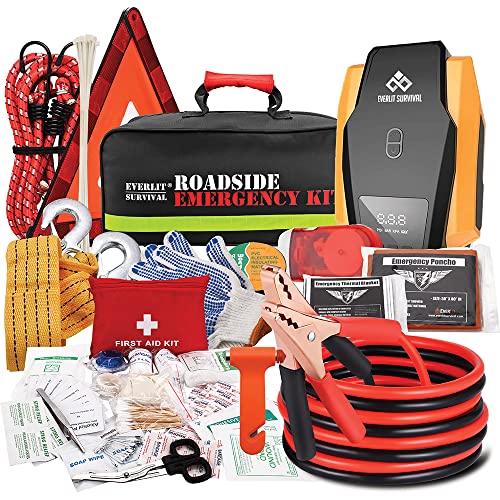
To protect your claim and simplify the process, it’s wise to have essential items ready in your vehicle. Investing in a quality car emergency kit can ensure you have everything from first-aid supplies to tools for documenting the scene right at your fingertips.





FAQs About how long to report car accident to insurance
How late is too late to report an accident to insurance?
While the ideal window is 24-72 hours, “too late” is when your insurance company can prove that your delay prejudiced their ability to investigate the claim. This could be days or weeks, depending on the circumstances. Reporting beyond your policy’s stated deadline always carries the risk of denial, so the best approach is to report immediately.
Should I report a minor fender-bender with no damage?
Yes, it is almost always recommended. What seems like no damage can later reveal a bent frame or internal sensor issue. More importantly, the other driver could leave the scene and later claim you caused significant damage or injuries. Reporting the incident, even if you don’t file a claim, creates an official record that protects you from false claims later.
What if I don’t notice my injuries until days after the accident?
This is a common scenario, especially with injuries like whiplash. You should report the accident to your insurer immediately and then update them as soon as you are diagnosed with an injury. The “date of discovery” rule can apply here, but reporting the incident itself promptly establishes the event that caused the future medical issues.
Does the reporting time limit change if the other driver was at fault?
No, your responsibility to report to your own insurance company remains the same regardless of who was at fault. You need to notify them to start the process of either covering your damages (if you have the right coverage) or beginning the subrogation process to claim from the at-fault driver’s insurer. Delaying can complicate this process.
Is filing a claim the same as reporting an accident?
Not exactly, but they are linked. “Reporting an accident” is the initial notification or “first notice of loss.” “Filing a claim” is the formal request for compensation that follows. The initial report kicks off the formal claim filing process. You cannot file a claim without first reporting the incident.
Final Summary: Act Now to Protect Your Claim
Navigating the aftermath of a car accident is stressful, but understanding the timelines is your first line of defense. The most important action you can take is to report the incident to your insurance provider immediately. This single step sets the foundation for a successful claim and protects your contractual and legal rights. Don’t let confusion or hesitation turn a manageable situation into a financial crisis.
Take control of the situation. Use the information from this guide to confidently contact your insurer and take the right steps to protect your financial and legal interests.
- ✅ Report to Insurance ASAP: Your first and most critical deadline is notifying your own insurer, ideally within 24-72 hours, to fulfill your policy obligations.
- ✅ Check Your State’s Legal Deadline: Remember to file a separate report with the DMV or police if the accident involved injuries or significant damage, typically within 10-30 days.
- ✅ Don’t Confuse Reporting with Suing: The statute of limitations for a lawsuit is a long-term deadline (usually 2-3 years) and is completely separate from your immediate reporting duties.
Last update on 2026-03-03 / Affiliate links / Images from Amazon Product Advertising API


![Aesthetic Nissan 370Z Photoshoot Ideas: [year] Posing Guide](https://i0.wp.com/carxplorer.com/wp-content/uploads/2026/03/Aesthetic-Nissan-370Z-Photoshoot-Ideas-year-Posing-Guide-1.png?resize=60%2C60&ssl=1 "Aesthetic Nissan 370Z Photoshoot Ideas: [year] Posing Guide 11")


