That sinking feeling when you turn the key and hear nothing but a click is a universal driver’s nightmare. You’ve managed to get a jump start, the engine is finally running, but now a new uncertainty sets in: how long do you actually need to keep the car running to avoid being stranded again? Getting this wrong can mean a repeat of the entire frustrating process.
For a partial charge sufficient for a restart, run the car for at least 20-30 minutes. For a more substantial charge, especially if the car battery was completely dead, aim for an hour or more of driving.
This guide cuts through the confusion, providing a data-backed, definitive answer to how long to keep your car running after a jump. We’ll break down exactly what’s happening under the hood, the key factors that can change your required run time, and what to do if the problem persists. Leveraging insights from automotive experts and established data, you’ll learn how to handle this situation with confidence and get back on the road safely.
Key Facts
- The 30-Minute Rule: According to automotive authorities like AAA, running your car for at least 20 to 30 minutes after a jump is the standard recommendation to ensure the battery has enough power to start again on its own.
- The Alternator Does the Work: A jump start only provides the initial power to crank the engine. As explained by sources like HowStuffWorks, it’s your car’s alternator that generates electricity to recharge the battery once the engine is running.
- Driving Beats Idling: Driving your car, especially at highway speeds, is more effective for recharging than letting it idle. The engine’s higher RPMs spin the alternator faster, producing more electrical power.
- Accessories Slow Charging: Using high-load electrical accessories like the air conditioning, headlights, and radio diverts power from the alternator that would otherwise go to charging the battery. Firestone Complete Auto Care notes this can significantly extend the required run time.
- Repeat Failures Signal Deeper Issues: If your car fails to start again after being properly charged, Car and Driver suggests the root cause is likely a battery that can no longer hold a charge, a faulty alternator, or a parasitic electrical drain.
How Long to Keep Your Car Running After a Jump: The Definitive Answer
For a partial charge sufficient for a restart, run the car for at least 20-30 minutes. For a more substantial charge, especially if the battery was completely dead, aim for an hour or more.

This advice, echoed by automotive experts at organizations like AAA and J.D. Power, is the gold standard for getting your car back to a reliable state. The goal is to give your car’s charging system, the alternator, enough time to replenish the power in the depleted battery.
Automotive experts recommend a minimum of 20 to 30 minutes of engine run time after a jump start. This allows the alternator to sufficiently recharge the battery so it can start the vehicle on its own next time.
But why is this 20-30 minute window so important? Let’s break it down.
Understanding Why Your Car Needs to Run: The Alternator’s Role
After a jump, the car must run so the alternator—the vehicle’s own power generator—can replenish the charge in the dead battery. A common misconception is that the jump start itself charges your battery, but that’s not the case.
Here’s the simple sequence of events, as detailed by technical sources like HowStuffWorks:
- The Jump Start: The jumper cables provide a temporary bridge of external power from a donor battery. This gives your car’s starter motor the jolt of electricity it needs to crank the engine and get it running.
- The Engine Takes Over: Once your engine is running, it powers a series of belts, including one connected to the alternator.
- The Alternator Generates Power: As the alternator’s pulley spins, it generates alternating current (AC) electricity, which is then converted to direct current (DC) to power all your car’s electrical systems and, most importantly, recharge your battery.

Quick Fact: A jump start doesn’t charge your battery; it only provides the spark to get the engine running. Your alternator does all the heavy lifting afterward!
Think of it this way: the jump start is like borrowing a cup of sugar to start a recipe. Your alternator is the factory that has to work to restock the entire sugar supply afterward.
Key Factors That Change How Long to Run Your Car
A completely dead or old battery requires a longer running time (1 hour+) than a partially discharged one (30 mins), and running accessories like A/C will slow the charging process. The “30-minute rule” is a great baseline, but several variables can affect the ideal time.
Understanding these factors will help you make a more informed decision for your specific situation.
- Battery’s State of Discharge: How dead was the battery? If you just left an interior light on for an hour, it’s far less drained than if it sat dead for a week.
- Battery Age and Condition: As noted in research from sources like Battery University, older batteries lose their ability to hold a full charge. They may charge slower and lose that charge faster.
- Alternator Health: A strong, healthy alternator will charge efficiently. A weak or failing one will struggle to replenish the battery, no matter how long you run the car.
- Electrical Load: This is a big one. Running your A/C, headlights, stereo, and wipers creates a high demand for electricity, leaving less available power to go back into the battery.
Here’s a simple breakdown of how these scenarios can impact your charging time:
| Scenario | Recommended Running Time |
|---|---|
| Minor Drain (e.g., lights left on for an hour) | 30 minutes of driving |
| Completely Dead Battery (e.g., sat for weeks) | 60+ minutes of highway driving |
| Older Battery (3+ years) | 45-60 minutes of driving |
| Driving with Heavy Electrical Load (A/C, Lights) | Add 15-20 minutes to baseline |
Pro Tip: To charge your battery as quickly as possible, turn off all non-essential accessories like the radio, A/C, and interior lights for the first 15-20 minutes.
Battery’s State of Discharge & Age
A partially drained battery may only need 30 minutes, while a completely dead one needs an hour or more of driving. This is the single most important factor. Think about why your battery died. Did you just leave the lights on, or has it been struggling for a while?
- Partially Discharged: If you left your headlights on while running into a store for 20 minutes, your battery has a good surface charge and just needs a top-off. A solid 30-minute drive should be more than enough to get it back to a reliable state.
- Completely Dead: If the car has been sitting for a long time or the battery was drained to the point where not even the dome lights would turn on, it will require a much longer charge. In this case, an hour or more of sustained driving is recommended to build a deep, lasting charge.
Furthermore, if your battery is over three years old, it’s wise to be cautious. Consumer Reports suggests that battery performance degrades significantly with age. An older battery may never regain a full charge from the alternator alone and might be a candidate for replacement.
Alternator Health & Electrical Load
Minimize electrical load by turning off A/C, radio, and lights to help a healthy alternator charge the battery faster. Your car’s electrical system is a constant balancing act between power generation (the alternator) and power consumption (the accessories).
A healthy alternator is designed to handle the car’s normal electrical needs while also maintaining the battery’s charge. However, if your alternator is weak or failing, it may not be able to do both. Signs of a bad alternator, according to Advance Auto Parts, include dimming headlights, a lit battery warning light on the dash, or a strange whining noise from the engine.
Even with a healthy alternator, a heavy electrical load forces it to work harder. The power it generates is split: some goes to the battery, and some goes to your accessories. To maximize the charge going to your battery, reduce the load:
- Turn off the Air Conditioning or Heater Fan.
- Turn off the Radio.
- Turn off Headlights (if safe to do so).
- Unplug any Phone Chargers or other devices.
Give your alternator a break. By turning off accessories for the first 20 minutes of your drive, you ensure the maximum amount of charging power is directed straight to your depleted battery.
Your Next Steps: What to Do Immediately After a Jump Start
Once started, safely disconnect the cables (black off dead car first), then drive or idle the car for at least 30 minutes to let the alternator do its job. Following the correct procedure ensures both safety and an effective recharge.
Here is a step-by-step checklist for what to do the moment your car starts:
- Keep Both Cars Running: Let the newly started car run for a minute or two while still connected. This helps stabilize its electrical system.
- Disconnect Cables Safely: Disconnect the jumper cables in the reverse order you attached them. As safety guides from NAPA Auto Parts and State Farm emphasize, this prevents sparks. The correct order is:
- Remove the black (negative) clamp from the dead car’s unpainted metal surface.
- Remove the black (negative) clamp from the donor car’s battery.
- Remove the red (positive) clamp from the donor car’s battery.
- Remove the red (positive) clamp from the dead car’s battery.
- Go for a Drive: The best way to charge the battery is to drive the car. Aim for at least 30 minutes of continuous driving. If possible, take it on a highway where higher engine speeds (RPMs) will help the alternator generate more power.
- Avoid Short Trips: Do not turn the car off after a 5-minute drive to the corner store. This is a sure way to end up needing another jump start, as you’ll have used more power to start the car than the alternator had time to replace.
Pro Tip: Driving the car, especially on a highway, is generally more effective for charging than letting it idle, as the alternator spins faster at higher RPMs.
Troubleshooting: What if the Car Dies Again?
If the car dies again, the problem is likely a bad battery (won’t hold a charge), a faulty alternator (won’t charge the battery), or a parasitic drain. If you’ve run the car for 30-60 minutes and it still won’t restart on its own, the dead battery was likely a symptom of a larger problem.
Here are the three most common culprits, with diagnostic tips from authorities like Car and Driver and Autozone:
- A Bad Battery: The battery itself may have reached the end of its life and is no longer capable of holding a charge. This is the most common reason for repeat failures.
- A Faulty Alternator: The alternator’s job is to recharge the battery. If it has failed, your car is running solely off the battery’s power, which will quickly drain, causing the car to die even while driving.
- A Parasitic Drain: This is an electrical component that continues to draw power even when the car is turned off. It could be anything from a faulty trunk light to a malfunctioning radio, slowly draining the battery overnight.
Use this table to help diagnose the issue:
| Symptom | Likely Cause: Bad Battery | Likely Cause: Bad Alternator |
|---|---|---|
| Car starts after jump, but won’t restart after being turned off | ✅ Yes | ❌ No (usually won’t die immediately) |
| Car dies while you are driving | ❌ No | ✅ Yes (classic symptom) |
| Headlights are dim and flicker while driving | ❌ No | ✅ Yes |
| Battery warning light is on | ❌ Maybe | ✅ Almost certainly |
| Battery is over 3-4 years old | ✅ Yes (high probability) | ❌ Less likely to be age-related |
If you suspect a bad alternator or a parasitic drain, it’s best to seek a professional diagnosis to avoid further issues and costly repairs.
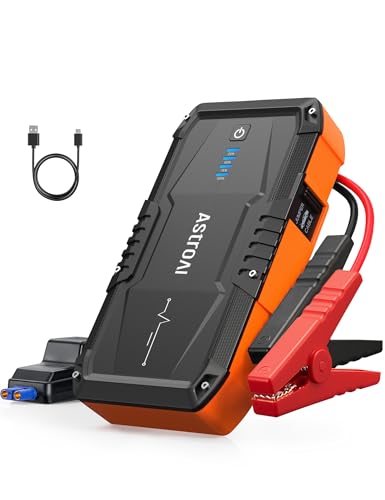
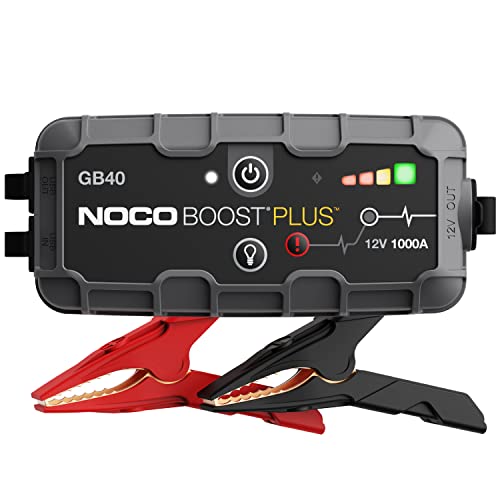
To avoid being stranded in the first place, investing in a reliable portable jump starter or a smart battery charger can be a lifesaver. These tools give you the independence to handle a dead battery without needing another vehicle.



FAQs About Running Your Car After a Jump Start
Is a 20-minute drive enough to charge a car battery?
A 20-30 minute drive is often enough to give the battery sufficient charge to restart the car again, but it may not provide a full charge, especially if the battery was completely dead. It’s a good minimum, but longer is always better.
How long should you leave cars connected when jump starting?
Once the dead car starts, you should disconnect the jumper cables immediately and correctly. The charging happens from your own car’s alternator, not by staying connected to the donor vehicle. Leaving them connected offers no benefit and poses a potential risk if cables are dislodged.
Is a car OK to drive immediately after a jump-start?
Yes, it is perfectly safe and actually recommended to drive the car for at least 20-30 minutes after a jump start. Driving helps the alternator recharge the battery more effectively than simply letting the car idle in your driveway.
Do I need to replace my battery after just one jump start?
Not necessarily. If the battery died for a clear reason (e.g., you left the headlights on), it might be perfectly fine after a full recharge. However, if the battery is old or dies again quickly after a proper charge, a replacement is likely needed.
Is it better to let the car idle or drive it to charge the battery?
Driving is generally better than idling. Driving at consistent, higher speeds (like on a highway) spins the alternator faster, allowing it to generate more electricity and charge the battery more efficiently than idling in a driveway.
Final Summary: Key Takeaways for Charging After a Jump
Navigating a dead battery can be stressful, but knowing the next steps brings peace of mind. The core principle is simple: a jump start is just the beginning; it’s the subsequent running time that truly revives your battery. By understanding the roles of the alternator, battery condition, and electrical load, you can ensure you won’t be left stranded again.
Remember these critical points:
- Run for 30 Minutes: The absolute minimum time to run your car after a jump is 20-30 minutes. If the battery was completely dead or is old, aim for a full hour of driving.
- Driving is Superior: Driving your car, particularly at highway speeds, charges the battery much faster and more effectively than letting it idle.
- Minimize Electrical Load: Turn off the A/C, radio, and other non-essential accessories for the first 20 minutes to direct all charging power to the battery.
- Troubleshoot Repeat Failures: If the car won’t start again after a long drive, the issue is likely a bad battery that can’t hold a charge or a faulty alternator that isn’t producing one.
Now you have the knowledge to confidently handle the situation the next time your car needs a jump. Drive safe
Last update on 2026-03-12 / Affiliate links / Images from Amazon Product Advertising API