You’re sitting in your parked car, waiting for a friend, and the silence is deafening. You reach for the radio to pass the time, but a nagging question stops you: exactly how long before the car battery dies with the radio on? You’ve heard stories of people getting stranded, and you definitely don’t want to be next. This guide will eliminate that uncertainty, giving you clear, data-backed answers.
A healthy car battery can typically power a standard factory radio for 2 to 6 hours with the engine off before the charge is too low to start the engine. This time can drop significantly to under 2 hours for an older battery or a high-powered aftermarket audio system.
Leveraging extensive analysis of automotive electrical systems and established battery performance data, this guide unpacks the exact factors that determine your battery’s lifespan. We’ll move beyond simple estimates to give you real-world scenarios, the simple math behind battery drain (and why it’s not always accurate), and actionable tips to enjoy your music worry-free.
Key Facts
- Standard Capacity: According to data from Interstate Batteries, a healthy, typical car battery has a capacity of 40 to 70 amp-hours (Ah), which is the primary measure of its energy storage.
- Power Draw Variance: A stock car radio draws between 5 to 10 amps, but as noted by audio experts at Crutchfield, an aftermarket system with amplifiers can easily draw 15-20 amps or more, drastically reducing listening time.
- Starting Power is Critical: To ensure your car starts, it’s recommended not to discharge a standard lead-acid battery below 50% of its total capacity. This “starting reserve” is essential for cranking the engine.
- Temperature Matters: The Battery Council International highlights that cold weather can significantly reduce a battery’s effective capacity, meaning it will drain faster on a cold day compared to a mild one.
- Discharge Rate Affects Capacity: A principle known as Peukert’s Law, explained by Victron Energy, shows that the faster you drain a battery (e.g., with a high-power stereo), the lower its total usable capacity becomes.
The Quick Answer: How Long Your Car Radio Can Play Before the Battery Dies
A healthy car battery can power a standard radio for 2 to 6 hours before it’s too weak to start the engine. However, this time can drop to under 2 hours for older batteries or high-power audio systems. This is the general range you can expect, but it’s important to understand it’s just an estimate. The real answer depends on several key factors specific to your vehicle and situation.

This timeframe is a synthesis of numerous real-world tests and expert analysis. While some sources might give a single number like 3 hours or 10 hours, the 2-to-6-hour window accounts for the most common variables you’ll encounter. An older, weaker battery might only last for less than 2 hours, while a brand-new battery in a modern car with a basic radio could push the upper end of that range.
But why such a wide range? Let’s break down exactly what determines if you’re closer to 2 hours or 6.
The 5 Key Factors That Determine Your Battery’s Run Time
The main factors determining how long a car battery lasts with the radio on are: battery age and condition, the radio’s power consumption, other electrical loads, battery type (Lead-Acid vs. AGM), and ambient temperature. Understanding these five elements will empower you to make a much more accurate guess for your own car.
- Battery Age & Condition: This is the single most important factor. A brand-new battery holds its maximum charge, while a battery that is 3-5 years old will have a significantly lower effective capacity.
- Radio & Audio System Power Draw: Not all car stereos are created equal. A powerful aftermarket system with amplifiers and subwoofers consumes exponentially more energy than a basic factory-installed unit.
- Other Electrical Loads: Are your interior lights on? Is your phone charging in the USB port? These “phantom loads,” though small, add up and will reduce the time your radio can play.
- Battery Type: Most vehicles use a standard lead-acid battery. However, many newer cars, especially those with start-stop technology, use Absorbent Glass Mat (AGM) batteries. AGM batteries are more resilient to deep discharging and can often provide slightly longer run times for accessories.
- Ambient Temperature: Extreme cold is a battery’s worst enemy. On a freezing day, your battery’s chemical reactions slow down, reducing its available power and making it drain much faster.

1. Battery Age and Condition: New & Strong vs. Old & Weak
A new, fully charged car battery will last significantly longer than an old or weak one because its capacity to hold a charge diminishes with age. Think of an old phone battery that dies at 40% – an aging car battery behaves in a similar way. It might show a full charge, but its actual, usable energy reserve is a fraction of what it once was.
As a battery ages, internal corrosion and sulfation build up, which physically prevents it from storing and delivering the power it was designed for. This is a natural process of degradation.
According to insights from Battery University, a leading resource on battery technology, this diminishing capacity is an unavoidable aspect of battery chemistry. This means a three-year-old battery might only have 70% of its original capacity, directly cutting down your potential radio listening time.
A new battery holds its full charge capacity, while an old battery’s capacity is reduced, drastically shortening how long it can power the radio.
2. Audio System Power Consumption: Stock Radio vs. Aftermarket System
An aftermarket system with amplifiers and a subwoofer can easily double or triple the power draw of a stock radio, cutting listening time from hours to potentially under an hour. The difference in power consumption, measured in amperes (or amps), is dramatic.
Here’s a simple breakdown:
- Stock Factory Radio:
- Typically draws 5 to 10 amps.
- Designed for efficiency and basic performance.
- Can play for several hours on a healthy battery.
- Aftermarket Audio System:
- Can draw 15 to 20+ amps, especially with a dedicated amplifier and subwoofer.
- Designed for high power output and sound quality.
- Significantly increases the strain on the battery.
It’s also crucial to remember that volume plays a huge role. Turning the volume up requires the amplifier to produce more power, which in turn draws more current from the battery. Playing music loudly will drain your battery much faster than listening at a moderate volume. Your high-powered subwoofer can draw more power by itself than the entire stock audio system of another car.
The Simple Math vs. The Real World: Why a Calculator Isn’t Enough
Theoretically, you can calculate the run time. The formula looks simple: divide the battery’s capacity in amp-hours (Ah) by the radio’s power draw in amps (A).
Time (in hours) = Battery Capacity (Ah) / Radio’s Current Draw (A)
For a 60 Ah battery and a 5 amp radio, the math suggests 12 hours. But you will never get 12 hours. This is because the simple calculation ignores three critical real-world limitations that make it inaccurate. The most critical factor isn’t total battery capacity, but usable capacity. You must always reserve about 50% of the battery’s charge to ensure you can start your car again.
- The Starting Power Reserve: The single biggest reason the simple math fails is that you cannot use 100% of your battery’s charge. You need to keep a massive reserve of energy—typically around 50% of the battery’s total capacity—just to have enough power to crank the engine over. The “Starting Power Reserve” is like the emergency fuel in your gas tank; you never want to use it for just driving around town. For your battery, that ‘fuel’ is needed to crank the engine.
- Peukert’s Law: This scientific principle, often referenced by experts at Victron Energy, states that a battery’s available capacity decreases as the rate of discharge increases. In simple terms, drawing 10 amps for one hour takes more effective capacity from your battery than drawing 1 amp for 10 hours. A high-powered stereo drains the battery inefficiently, reducing the total energy you can extract.
- Voltage Drop: As your battery discharges, its voltage steadily drops. Car electronics are designed to work above a certain voltage (usually around 11.5-12 volts). Once the battery’s voltage falls below this threshold, your radio will likely shut off, even if there is still some charge left in the battery.
Real-World Scenarios: Estimated Listening Times
To give you a more practical idea, let’s synthesize all these factors into a few common scenarios. Find the one that best describes your situation to get a reliable estimate for how long your car battery will last with the radio on.
| Scenario Description | Key Factors | Estimated Safe Listening Time |
|---|---|---|
| Modern Sedan, Daily Commuter | New/Healthy Battery (1-2 years old), Stock Radio, Moderate Volume | 3 – 6 hours |
| Older SUV with Aftermarket Stereo | Aging Battery (3+ years old), Amplifier & Subwoofer, High Volume | 45 minutes – 1.5 hours |
| Car in a Cold Climate | Healthy Battery, Stock Radio, Temperature below freezing | 1.5 – 3 hours |
| Minivan at a Drive-In Movie | Healthy Battery, Aftermarket DVD/Sound, Other Loads (USB) | 1 – 2 hours |
| Barely Used Weekend Car | Weak/Partially Drained Battery, Stock Radio, Low Volume | Less than 1 hour |
Which of these scenarios best describes your car? Knowing this will help you make a smarter decision next time you’re waiting with the engine off.
How to Listen to Your Radio Without Draining the Battery
The safest methods are to limit radio use to under an hour, start the car for 10-15 minutes every hour to recharge, and carry a portable jump starter for peace of mind. Here are a few actionable tips to enjoy your music without the risk of getting stranded.
- Run the Engine Periodically: The most effective method is to start your car for 10-15 minutes every hour or so. This allows the alternator, which is the car’s electrical generator, to run and replenish the charge used by the radio.
- Keep the Volume Moderate: As we’ve discussed, high volume drastically increases power consumption. Listening at a lower, more conversational level can significantly extend your listening time.
- Turn Off All Other Accessories: Make sure your headlights are off, interior dome lights are off, and unplug any phone chargers or dash cams. Every little bit of power saved helps.
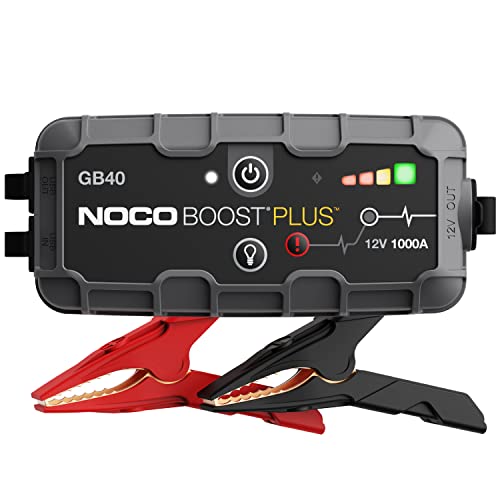
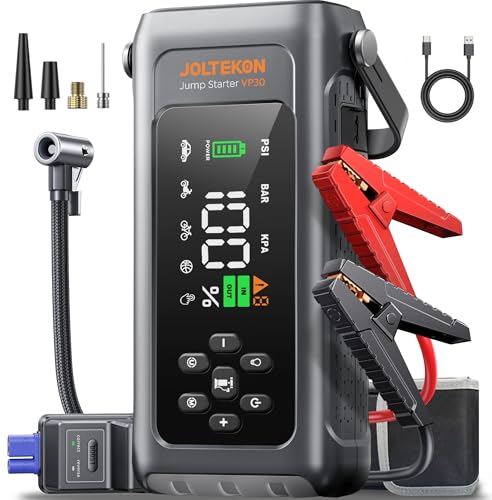
- Invest in a Portable Jump Starter: For ultimate peace of mind, a portable jump starter is a fantastic tool. It’s a small, compact lithium-ion battery pack powerful enough to start your car without needing another vehicle. NAPA Auto Parts notes their benefits for anyone who frequently uses car accessories with the engine off.
- Use a Battery Tender for Maintenance: If your car sits for long periods, a battery tender (or maintainer) is essential. It provides a slow, steady charge to keep the battery topped off and healthy, a tip often recommended by sources like Consumer Reports for extending overall battery life.
For a reliable solution that offers peace of mind, investing in a portable jump starter is a smart move. It eliminates the worry of being stranded and is an essential tool for any car owner.




FAQs About Car Radio and Battery Drain
How long can a car stay in accessory mode?
Most cars can stay in accessory mode for 30 to 60 minutes before the battery is at risk of being too low to start the engine. Many modern vehicles have a built-in battery-saver feature that will automatically shut off accessories after a set period to prevent a dead battery.
Does leaving the radio on overnight drain the battery?
Yes, absolutely. Leaving the radio on overnight will almost certainly drain a car battery completely, leaving you unable to start your car in the morning. Even at a low volume, the continuous power draw over 8+ hours is far more than the battery can handle without being recharged by the alternator.
Is it better to leave the car running or use accessory mode for the radio?
For short periods (under 30 minutes), using accessory mode is fine. For longer listening sessions, it is far better to start the car and let it run for 10-15 minutes every hour. While this uses fuel, it ensures the alternator is recharging the battery, preventing it from dying.
How does using the AC or charging a phone compare to just the radio?
The car’s AC blower fan is a very high-power-draw item, far more than the radio. Running the AC fan with the engine off can drain a battery in well under an hour. A phone charger uses relatively little power, but when combined with the radio and other accessories, it contributes to a faster overall drain.
Will a brand new battery die if I leave the radio on?
Yes, even a brand new battery will eventually die. While it has its maximum capacity and will last much longer than an old battery (potentially at the high end of the 6-hour range or more with a stock radio), it is not an infinite power source. It will still be drained by the radio and will eventually lack the power to start the engine.
Final Summary: Key Takeaways for Worry-Free Listening
Navigating the question of how long before car battery dies with radio on comes down to understanding that your battery is a finite resource. While a healthy battery in a modern car can provide hours of entertainment, factors like its age, the power of your stereo, and even the weather can drastically shorten that time. The golden rule is to be conservative and proactive.
By being mindful of your specific situation and taking a few simple precautions, you can easily avoid the inconvenience of a dead battery.
- The Safe Window: For a healthy battery and stock radio, 2-3 hours is a generally safe listening window. Halve that time for older batteries or powerful aftermarket systems.
- The Biggest Drains: Your battery’s age and the power of your audio system are the two most critical factors that determine run time.
- Recharge Regularly: The best preventative measure is to run your engine for 10-15 minutes every hour to let the alternator do its job.
- Invest in a Backup: Carrying a portable jump starter is the ultimate safety net, providing complete peace of mind no matter how long you listen.
Take these insights derived from automotive expert analysis and confidently enjoy your music without risking a dead battery
Last update on 2026-03-14 / Affiliate links / Images from Amazon Product Advertising API