
Walking into a car dealership with your checkbook in hand can feel like a moment of triumph, but it can also bring a wave of uncertainty. You’ve found the perfect car, negotiated the price, and you’re ready to pay, but will they even accept your personal check? It’s a common question that can lead to confusion, unexpected delays, and even surprise credit checks, turning a smooth process into a frustrating ordeal.
Yes, most car dealerships accept personal checks for both down payments and full purchases, but they will always verify the funds and may have other conditions, such as requiring a credit check, before releasing the vehicle. This policy is a balance between facilitating a sale and protecting the dealership from the significant financial risk of a bounced check.
Leveraging extensive analysis of dealership payment policies and common transaction patterns, this guide demystifies the entire process. We will unpack exactly how dealers verify your check, explain the unexpected reasons they might need to run your credit, and compare personal checks against other payment methods. This guide unpacks proven approaches and critical insights to help you effectively navigate paying for your next car with a personal check, ensuring you are prepared for every step.
Key Facts
- Conditional Acceptance is Standard: While most dealerships will accept a personal check, it is almost never unconditional. They will implement a verification process, which means you likely won’t be able to drive the car off the lot the same day.
- Backup Financing is Common: A dealership may require a hard credit pull even if you’re paying in full with a check. Data from consumer experiences shows this is to approve you for a backup loan in case the check fails to clear.
- Preferred Alternatives Exist: For a faster, more secure transaction, dealerships strongly prefer cashier’s checks or wire transfers. These methods represent guaranteed funds, eliminating the risk and delays associated with personal checks.
- Down Payments are Different: Using a personal check for a down payment is a widely accepted and common practice. The risk to the dealer is much lower since the bulk of the car’s value is covered by a financing agreement.
- Verification Causes Delays: The process of a dealership verifying a personal check—by calling the bank or waiting for it to fully clear—is the primary reason for delays. Just because you have the funds available does not mean the check has cleared from the bank’s perspective.
The Short Answer: Do Car Dealerships Accept Personal Checks?
Yes, most car dealerships accept personal checks for both down payments and full purchases, but they will always verify the funds and may have other conditions, such as requiring a credit check, before releasing the vehicle. While the answer is a qualified “yes,” it’s the “but” that every car buyer needs to understand. Dealerships want to make the purchasing process as easy as possible, and that includes accepting common forms of payment. However, given the high value of the transaction, they must take steps to protect themselves from potential fraud or non-payment.
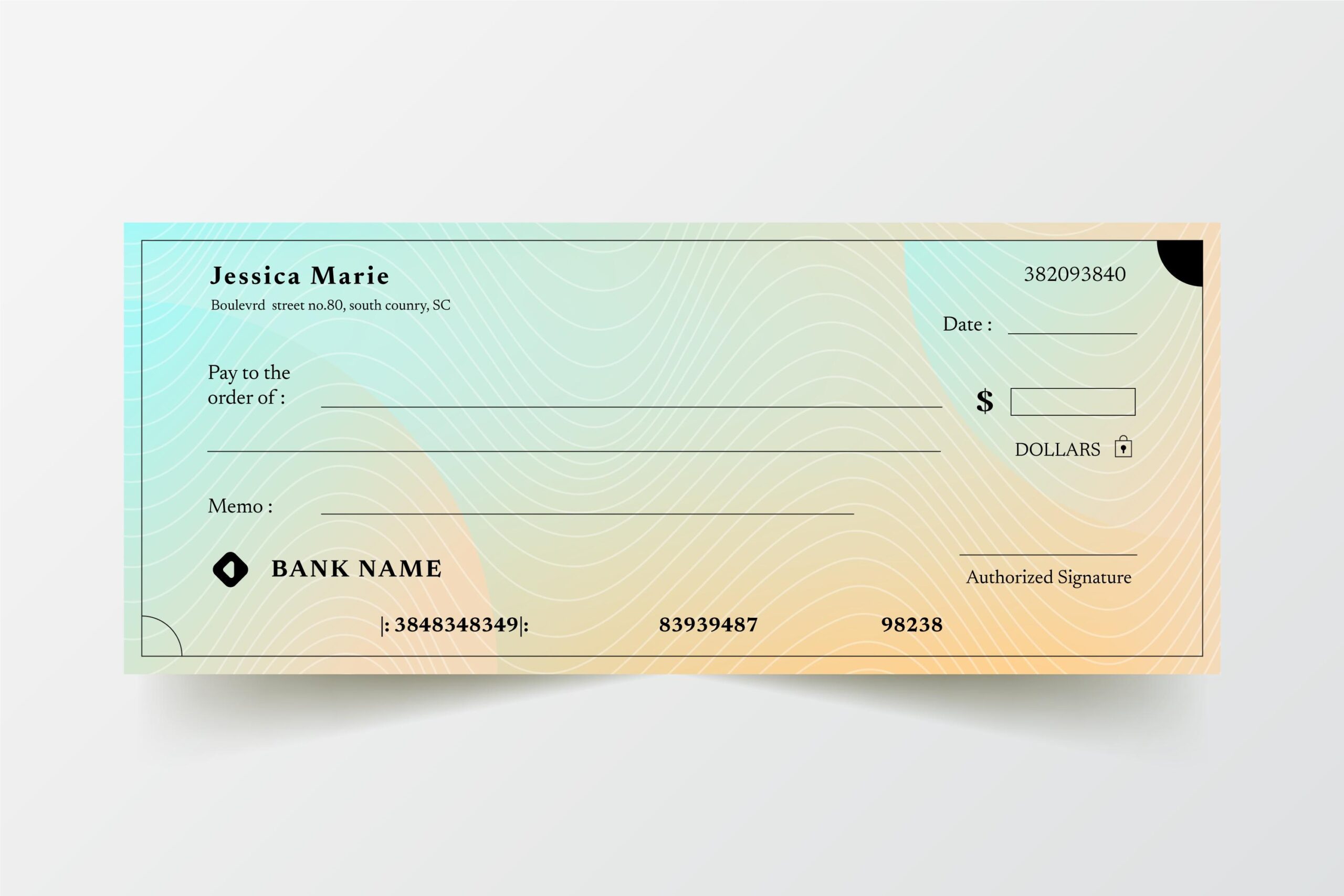
Think of it from the dealer’s perspective: handing over the keys to a vehicle worth tens of thousands of dollars in exchange for a piece of paper is a significant risk. To mitigate this, they have specific conditions in place.
Here are the typical conditions you can expect:
* Funds Must Be Verified: This is non-negotiable. The dealership will not release the car and its title until they have confirmed with your bank that the funds are available and the check is legitimate.
* A Delay is Likely: The verification process isn’t instant. This means you probably won’t be able to write a check and drive your new car home within the hour. Plan for a delay of one to several business days.
* May Require a Credit Check: In a surprising but common practice, some dealers will require a hard credit pull as a form of insurance, even if you are not financing the car. We’ll explore this in detail later.
* Not All Dealers Accept Them: While most do, some dealerships, particularly those that have been burned by fraud in the past, may have a strict policy against personal checks for the full purchase price.
So, why the hesitation from some dealers? It all comes down to one thing: risk. A personal check can bounce days after you’ve driven off the lot, leaving the dealership with a massive loss. Their verification procedures are designed to prevent that exact scenario.
How Dealerships Verify Funds and Why It Causes Delays
Dealerships verify checks to mitigate the risk of fraud. This process can involve calling your bank, using a verification service, or waiting for the check to clear, which may mean you won’t be able to take the car home the same day. When you hand over a personal check, the dealership’s accounting or finance department immediately initiates a process to ensure the payment is secure. This isn’t a matter of trust; it’s a standard business procedure for any large transaction.
The time it takes is often the biggest point of friction for buyers. You’re excited about your new car, and the last thing you want is a multi-day delay. Understanding how they verify the check demystifies the wait.
Here are the common verification steps a dealership will take:
- Contacting the Bank Directly: The simplest method is for a dealership employee to call the issuing bank listed on your check. They will ask to verify that the account exists and that there are sufficient funds to cover the amount of the check. While this can confirm the funds are present at that moment, it doesn’t guarantee the check will clear.
- Using a Third-Party Verification Service: Many larger dealerships subscribe to services that specialize in check verification. These services can quickly run the check’s routing and account numbers against a large database to flag accounts with a history of fraud, bounced checks, or other issues. This is a faster, more automated screening process.
- Waiting for the Check to Fully Clear: This is the most secure method for the dealership and the one that causes the longest delay for the buyer. The dealer deposits your check and waits for it to go through the entire banking system—a process known as “clearing.” This can take anywhere from three to seven business days. The dealership will not release the vehicle until their bank confirms the funds have been successfully transferred and are irreversible.
Pro Tip: To avoid unexpected delays, call the dealership’s finance department before your visit. Ask them directly about their policy for personal checks and what their specific verification process entails. Knowing this ahead of time allows you to either bring a different form of payment or set realistic expectations for when you can take your new car home.
Quick Fact: Just because funds are available in your account doesn’t mean the check has “cleared.” Funds might be “available” from a deposited check within a day or two, but the originating bank can still reject the check for various reasons (like insufficient funds that arise later or a stop payment) for several more days. This is the key distinction that causes delays; dealers wait for the irreversible “cleared” status.
The Unexpected Catch: Why a Dealership Might Require a Hard Credit Pull
Even if you’re not financing, a dealership might insist on a hard credit check when you use a personal check. This is to pre-approve you for a loan that will only activate if your check fails to clear, protecting the dealer from loss. This is perhaps the most confusing and frustrating part of using a personal check for many buyers. You’ve explicitly stated you’re paying in full, yet the finance manager insists on running your credit. This isn’t a sales tactic to push a loan on you; it’s a risk management strategy for the dealership.
Why the Credit Check?
The reason is a “backup financing contract” or a “secured instrument.” Here’s how it works: When you write a personal check, the dealership may have you sign a retail installment contract (a standard auto loan agreement). This contract is held in reserve and is only executed if your check bounces. By running your credit and getting you pre-approved for this backup loan, the dealership guarantees they have a legal and financial way to get their money for the car if your primary payment method fails. It converts a potential total loss into a standard auto loan.
A “hard credit pull” is an inquiry on your credit report that can temporarily lower your credit score by a few points. While the impact is usually minor, it’s an important consideration for anyone actively managing their credit, especially if they are planning other major purchases like a mortgage in the near future.
Pro Tip: Always ask the sales manager explicitly: “If I write a personal check for the full amount, will you need to run a hard credit check?” Get the answer before you provide any personal information, like your Social Security number. If they say yes, and you don’t want the inquiry on your credit report, you can then decide to use a different payment method like a cashier’s check or wire transfer, which do not require a credit pull.
Personal Checks vs. Other Payment Methods: A Head-to-Head Comparison
For a smooth and fast transaction, dealerships prefer cashier’s checks and wire transfers over personal checks due to their guaranteed funds and security. Personal checks are acceptable but often involve delays and extra verification steps. Choosing how to pay for your car is a significant decision that impacts the speed and simplicity of your purchase. While a personal check is an option, understanding how it stacks up against the alternatives can save you a lot of time and potential hassle at the dealership.
Here is a direct comparison of the most common payment methods:
| Payment Method | Dealer Preference (High/Medium/Low) | Transaction Speed | Key Consideration |
|---|---|---|---|
| Personal Check | Low | Slow (1-7 Business Days) | Funds must be verified, may cause delays and require a credit check. |
| Cashier’s Check | High | Fast (Immediate) | Funds are guaranteed by the bank; this is a preferred and secure method. |
| Wire Transfer | High | Fast (Few Hours to 1 Day) | A direct, secure transfer of funds; often used for out-of-state purchases. |
| Debit/Credit Card | Medium | Fast (Immediate) | Often accepted for down payments but may have transaction limits or fees. |
| Physical Cash | Low | Fast (Immediate) | May trigger federal reporting requirements for transactions over $10,000. |
As the table shows, a cashier’s check (a check drawn directly from a bank’s funds) or a wire transfer offers the path of least resistance. These methods provide the dealership with immediate, guaranteed payment, eliminating the risk and verification delays associated with a personal check.
Looking at the table, which method best balances convenience and security for your purchase? For most buyers who want to drive their car home the same day without any complications, a cashier’s check is the gold standard.
Using a Personal Check for a Down Payment
Using a personal check for a down payment is very common and almost always accepted by dealerships with minimal hassle. The dealership’s attitude towards a personal check changes significantly when it’s for a down payment rather than the full purchase price. The reason is simple: the risk is substantially lower.
When you use a personal check for a down payment, the majority of the vehicle’s cost is being covered by a financing agreement, either through the dealership or your own bank. That loan agreement is the dealership’s primary security.
Here’s why dealers are much more accepting of personal checks for down payments:
- Smaller Financial Risk: A bounced check for a $3,000 down payment is a manageable problem for a dealership, whereas a bounced check for a $30,000 vehicle is a major crisis.
- Financing Agreement is the Main Security: The legally binding loan contract ensures the dealership will be paid for the vehicle. The down payment is just a small fraction of the total secured amount.
- Builds Initial Trust: Accepting a personal check for the down payment is a good-faith gesture that helps move the sales process along smoothly while the financing paperwork is completed.
While they may still run it through a verification service, they are highly unlikely to hold the car or require a multi-day clearing period for a down payment check.
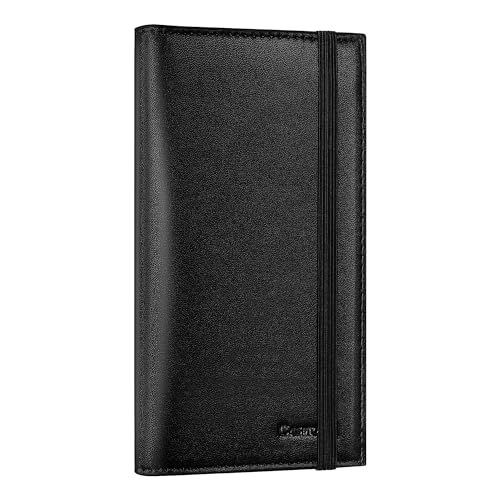
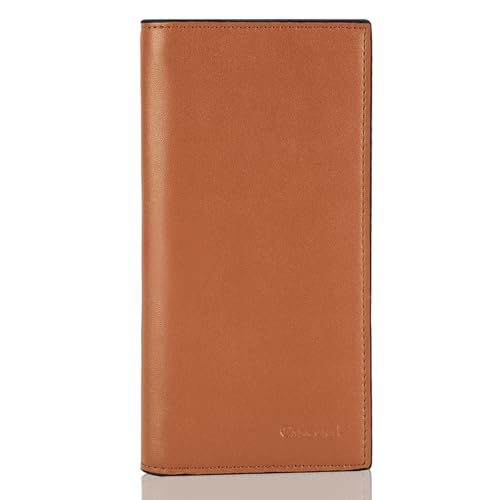
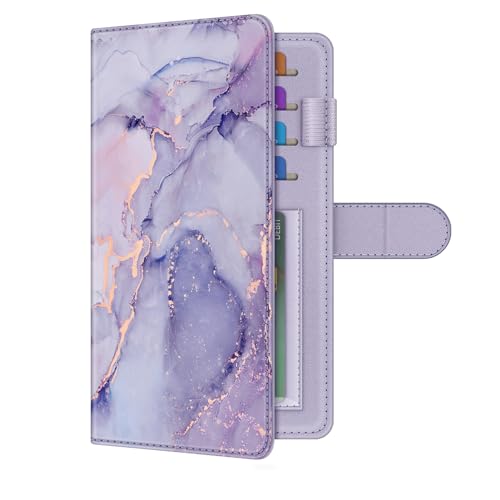
To ensure your transaction goes smoothly and you’re fully prepared, having the right tools for documentation and payment security is key.


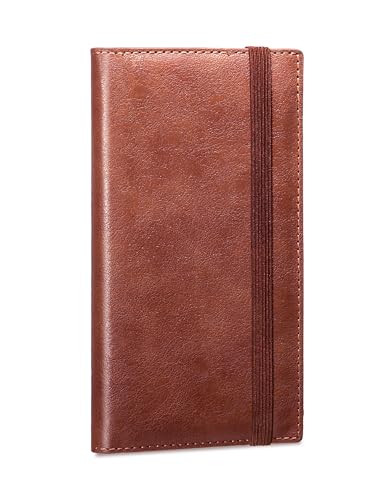
FAQs About Paying a Car Dealer with a Personal Check
Can you write a personal check for the full price of a vehicle?
Yes, you absolutely can write a personal check for the full price of a vehicle at many dealerships. However, you must be prepared for the dealership’s verification process. This will likely involve a delay of several business days before you can take possession of the car, and they may require a credit check as a backup measure.
Do dealership policies on personal checks vary by state, like in California?
Dealership policies on payments are set by the individual dealership or the larger corporate group (like AutoNation), not by state law. While there isn’t a specific California law dictating check acceptance, business practices in a particular area might create common trends. The policy at one dealer in the Bay Area could be completely different from another down the street, so you should always call and confirm directly.
What happens if I write a personal check and it bounces?
Writing a check that bounces for a vehicle has serious consequences. The dealership will immediately contact you to secure payment. If the “backup financing contract” was signed, they will activate it, turning the purchase into a loan. Legally, intentionally writing a bad check is a form of fraud and can lead to civil penalties and even criminal charges, depending on the amount and jurisdiction.
Is it safer to accept a personal check from a buyer if I’m a private seller?
As a private seller, accepting a personal check carries a very high risk. Unlike a dealership, you have no way to enforce a backup contract or absorb the loss easily. It is strongly recommended not to accept a personal check. For a secure transaction, insist on a cashier’s check (which you can verify by calling the issuing bank) or meet the buyer at their bank to witness the funds being withdrawn or transferred.
Do major dealership chains like AutoNation accept personal checks?
Yes, major dealership chains like AutoNation generally do accept personal checks. However, large corporations have very strict, standardized procedures to prevent fraud. You can expect them to have a non-negotiable verification process, which will almost certainly mean you cannot take the car home the same day you write the check. Always confirm the specific policy with the local dealership’s finance department.
Final Summary: Key Takeaways for Paying with a Personal Check
In summary, while you can use a personal check to buy a car, it’s often not the smoothest or fastest way to complete your purchase. Dealerships view personal checks with a necessary level of caution due to the inherent risk of fraud and bounced payments. This caution translates into verification processes that mean delays and potential complications, like unexpected credit checks, for you, the buyer.
For a hassle-free experience that allows you to drive your new car off the lot the same day, a cashier’s check or a pre-arranged wire transfer is the highly recommended path. These methods provide the dealer with the security of guaranteed funds, removing all doubt and delay from the payment process.
- ✅ Acceptance Comes with Conditions: Most dealers will take your personal check, but only after they verify the funds, which takes time.
- ✅ The Credit Check Risk is Real: Be prepared for the dealership to ask for a hard credit pull to secure a “backup loan,” even if you’re not financing.
- ✅ Smoother Alternatives are Preferred: A cashier’s check is the gold standard for a fast, secure, and uncomplicated car purchase, eliminating delays and extra steps.
Empower yourself for your next car purchase: call the dealership’s finance department ahead of time and confirm their payment policy. A five-minute call can save you hours of hassle
Last update on 2026-01-10 / Affiliate links / Images from Amazon Product Advertising API


![What Car Is Chevy Bringing Back in [year]? New Lineup Revealed](https://carxplorer.com/wp-content/uploads/2026/01/What-Car-Is-Chevy-Bringing-Back-in-year-New-Lineup-Revealed-1-1-60x60.jpg "What Car Is Chevy Bringing Back in [year]? New Lineup Revealed 15")
