
Navigating the aftermath of a car accident is stressful enough without the added confusion of paperwork. Knowing exactly how to get a police report for a car accident is a critical step, but the process can seem confusing, with different rules for every state and agency. You need this official document for your insurance claim and potential legal action, but where do you even begin?
A police report is a crucial factual record of your car accident, essential for filing insurance claims, pursuing legal action, and verifying the details of the incident. Getting a copy involves identifying the correct law enforcement agency, gathering specific information, and submitting a formal request either online, by mail, or in person.
This guide cuts through the confusion. Leveraging a comprehensive analysis of official state guidelines and procedures, we will provide a clear, step-by-step roadmap. We’ll break down the exact information you’ll need, the different ways you can request your report, and what to expect in terms of fees and wait times, ensuring you can get this vital document with confidence.
Key Facts
- Reporting Threshold is Key: A police report is generally required by law when a car accident involves injury, death, or property damage exceeding a certain amount, often around $1,000, as cited by numerous state guidelines.
- Wait Times Vary Widely: The time it takes for a report to become available can range from as little as 10 days in Florida to as long as 6 weeks in Ohio, according to their respective public safety departments.
- Expect to Pay a Fee: Official crash reports are almost never free. Data from multiple states shows fees typically range from $6 in Texas (TxDOT) to over $20 in states like Massachusetts (RMV) and New York (DMV).
- Access is Restricted: Crash reports contain confidential information and are not public records. As stated by agencies in Texas and Florida, access is legally limited to parties with a “proper interest,” such as drivers, vehicle owners, insurance companies, and legal representatives.
- Retention Periods Differ: How long an agency keeps a report varies. The New York State DMV retains reports for 4 years, while the Texas Department of Transportation (TxDOT) keeps them for the current year plus 10 years.
Why You Need a Police Report After a Car Accident (And How to Get It)
After the initial shock of a collision wears off, securing a copy of the official police report should be one of your top priorities. This document is far more than a simple formality; it is the official, objective record of the incident. From an E-E-A-T perspective, it’s essential knowledge for protecting yourself, as this report forms the backbone of all subsequent actions. It provides a factual foundation that insurance adjusters and legal representatives rely on to understand what happened.
The importance of obtaining your police report for a car accident cannot be overstated. Here are the primary reasons why this document is so critical:
- For Insurance Claims: This is the single most important document for your insurance company. It contains the investigating officer’s unbiased account of the accident, including diagrams, contributing factors, and contact information for all parties and witnesses.
- For Legal Purposes: If the accident results in a lawsuit or personal injury claim, the police report is a key piece of evidence. It helps establish the facts of the case and can be used to support your claim for damages.
- As a Factual Record: Memories fade and stories can change. The police report serves as a definitive, time-stamped record of the who, what, when, and where of the accident, preventing disputes over the basic facts later on.
Now that you know why it’s so important, let’s walk through exactly how to get your hands on it.
Step 1: Identify the Investigating Law Enforcement Agency
To get your report, you must first identify the correct agency: State Police for highways, the County Sheriff for unincorporated areas, or the Local Police Department for accidents within city limits. This is the most crucial first step because the agency that responds to the crash is the one that files and holds the report. You cannot get a report from the County Sheriff if the City Police handled the incident.

Here’s how to determine which agency likely has your report based on the accident’s location:
- State Police / Highway Patrol: If your accident occurred on a major state highway, interstate, or freeway, the report was most likely filed by the State Police or Highway Patrol (e.g., Florida Highway Patrol, Washington State Patrol).
- County Sheriff’s Office: For accidents that happened in unincorporated areas of a county—meaning outside of any official city or town limits—the County Sheriff’s department would be the responding agency.
- Local Police Department: If the crash took place within the limits of a specific city or town, the local police department is who you need to contact. For an accident in Nashville, you’d contact the Metro Nashville Police Department; for San Jose, it’s the San Jose Police Department.
Pro Tip: If you were given a business card or a slip of paper by the officer at the scene, the agency’s name will be on it. This is your starting point!
Step 2: Gather All Necessary Information for Your Request
Before you can successfully request a copy of a police crash report, you need to have your information in order. Agencies require specific details to locate your exact report among the thousands they handle. Having this information ready demonstrates preparedness and helps you meet the official requirements cited by agencies like the Virginia DMV.
Here is a checklist of the information you will almost certainly need:
- Date and Time of the Crash: The more precise, the better.
- Location of the Crash: This includes the street, nearest cross-street or intersection, and city or county.
- Names of Involved Parties: The full names of any drivers, passengers, or pedestrians involved.
- License Plate Numbers: The plate numbers for all vehicles involved in the collision.
- Report Number: If the officer gave you a report or case number at the scene, this is the single most helpful piece of information you can have.
In addition to the crash details, you must prove you have a “proper interest” in the report. Because these documents contain confidential information like driver’s license numbers and insurance details, access is legally restricted. According to official guidelines from multiple states, parties with a proper interest include a driver involved in the crash, an injured passenger, the registered owner of an involved vehicle, a parent or legal guardian of a minor involved, or a legal or insurance representative.
Quick Fact: Don’t have the report number? Don’t worry. Most agencies can find the report with the date, location, and names of those involved.
Step 3: Choose Your Request Method (Online, Mail, or In-Person)
You can typically request a police report online through state portals like FLHSMV or BuyCrash, by mailing a specific form (e.g., NY’s MV-198C), or by visiting an agency office in person. Most law enforcement agencies and state DMVs offer several ways to obtain a copy of your crash report, allowing you to choose the method that is most convenient for you.
Online Requests: The Fastest Option
Many states, including Texas, New York, and Florida, offer dedicated online portals for immediate search, purchase, and download of crash reports. This is often the quickest and most efficient way to get your document. You simply navigate to the correct website, enter your information, pay the fee, and in many cases, you can download a PDF of the report instantly.
Based on official state resources, here are a few examples of online systems:
- Texas: Use the TxDOT online purchase system for CR-3 (Peace Officer’s Crash Report) reports.
- New York: The NY DMV offers an online portal to search for, purchase, and immediately download certified accident reports.
- Florida: The Florida Highway Safety and Motor Vehicles (FLHSMV) provides the “Florida Crash Portal” for online report purchases.
- Illinois: The Illinois State Police offers an E-PAY system for obtaining redacted crash reports.
- Washington: The Washington State Patrol uses the Washington Request for Collision Records (WRECR) system for electronic requests.
Pro Tip: Online requests often allow for immediate download of the report once it’s available, saving you a trip or waiting for mail.
Mail-In Requests: The Traditional Method
To request a report by mail, you’ll need to complete a specific form, such as the MV-198C in New York or an Information Request Form in Virginia, and include payment. If you prefer or need to use the mail, you’ll have to find the correct request form on the agency’s website, print it, fill it out completely, and mail it in with a check or money order for the required fee.
According to official state DMV websites, specific forms are often required:
- New York: The NY DMV explicitly requires the “MV-198C” form for all mail-in requests.
- Washington: The Washington State Patrol provides a “Request for Copy of Collision Report Form” for mail submissions.
- Virginia: The Virginia DMV accepts mail-in requests using their “Information Request Form (CRD 1).”
In-Person Requests: For Local Access
Some agencies, like the Florida Highway Patrol and San Jose Police Department, allow you to request and obtain your crash report in person at their local offices. This method can be useful if you live near the appropriate agency office and want to handle the transaction directly. You will need to bring your identification and payment with you.
Specific examples provided by law enforcement agencies include:
- Florida: The FLHSMV states that requests for 10 or fewer records can be fulfilled in person at an FHP Troop Station.
- San Jose: The San Jose Police Department allows reports to be obtained from their Records Unit at police headquarters.
- Washington: The Washington State Patrol has a kiosk available in their main office lobby for in-person report requests.

Step 4: Understand the Fees and Wait Times
Expect fees from $6 to over $20 per report and wait times from a few days to several weeks, depending on the state and agency. Getting your police report for a car accident is rarely free and almost never instantaneous. It’s important to have realistic expectations about the costs and the time it will take for the report to be processed and made available. These figures are based directly on data published by the official state agencies.
Here is a breakdown of typical costs and wait times from various states:
| State/Agency | Report Fee | Estimated Wait Time |
|---|---|---|
| Texas (TxDOT) | $6 (regular), $8 (certified) | Varies, available after processing |
| New York (NY DMV) | $7 (search) + $15 (report) | 14-60 days |
| Florida (FLHSMV) | $10 + $2 online fee | Up to 10 days |
| Washington (WSP) | $10.50 | 2-4 weeks |
| Massachusetts (RMV) | $20 | Varies, available after processing |
| Virginia (DMV) | $8 | Varies, available after processing |
| Ohio (DPS) | Varies by agency | Up to 6 weeks |
Quick Fact: Report retention periods vary widely, from 4 years in New York to over 10 years in Texas. It’s best to request your report as soon as possible.
Step 5: Review Your Report and Follow Up
Once you receive the report, carefully review it for accuracy. If you find any mistakes, you must contact the original investigating officer, as only they can make corrections. This final step is crucial. The information in this report will be used by insurance companies and potentially courts, so any factual errors—like an incorrect license plate number, a misspelled name, or an inaccurate description of the accident—need to be addressed immediately.
Follow this simple review process:
1. Check all personal details: Verify that names, addresses, driver’s license numbers, and insurance information for all parties are correct.
2. Verify accident description and diagram: Read the officer’s narrative and check the diagram to ensure they accurately reflect how the accident occurred.
3. Note any discrepancies: Make a list of any factual errors you find in the report.
According to guidance from the Washington State Patrol and legal experts at Finderson Law, it is a critical point to understand that you cannot change the report yourself. You must contact the law enforcement agency that filed it and speak directly with the officer who wrote the report to request an amendment or supplement.
Important: The police report is a factual document. Avoid admitting fault or making statements about injuries without medical confirmation, as noted in accident reporting guidelines.
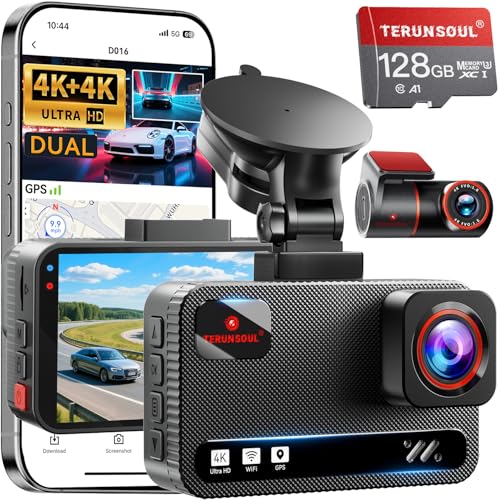
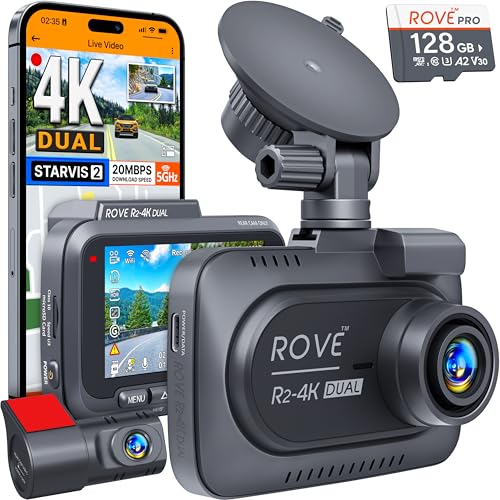
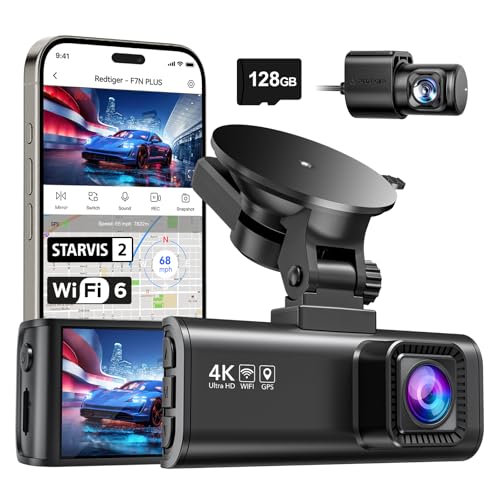
To safeguard against future incidents and ensure you have an unbiased record, investing in a quality dash cam is one of the smartest decisions a driver can make.



FAQs About Getting a Police Report for a Car Accident
How long does it take to get a police report after an accident?
Wait times vary by state, ranging from 10 days in Florida to as long as 6-8 weeks in states like Ohio or New York. The processing time depends entirely on the agency’s workload and procedures. It takes time for the officer to file the report and for it to be approved and entered into the system.
- Florida (FLHSMV): Up to 10 days.
- Washington (WSP): 2-4 weeks.
- New York (NY DMV): Can take 14-60 days.
- Ohio (DPS): May take up to 6 weeks.
How much does a police report cost?
The cost of a police report typically ranges from $6 to $25, depending on the state and whether you need a certified copy. Agencies charge these fees to cover the administrative costs of maintaining and providing these records.
- Texas (TxDOT): $6 for a regular copy, $8 for a certified.
- Florida (FLHSMV): $10 per report, plus a $2 convenience fee online.
- Washington (WSP): $10.50 per report.
- New York (NY DMV): A $7 search fee plus a $15 report fee, totaling $22.
- Massachusetts (RMV): $20 non-refundable search fee.
Can I get a police report for a car accident online for free?
No, official police crash reports are generally not available for free. Government agencies like the Florida Highway Safety and Motor Vehicles (FLHSMV) and the Texas Department of Transportation (TxDOT) charge fees to cover administrative costs. While some third-party services may claim to offer “free” reports, they are often just trying to collect your information. To get an official copy for legal or insurance purposes, you must go through the proper channels and pay the required fee.
What if the police didn’t file a report at the scene?
If police were not called, you may need to file a crash report yourself with the state DMV, especially if there were injuries or significant property damage. Most states have laws requiring drivers to report any accident that results in injury, death, or property damage over a certain threshold (often $1,000). Many states, like Colorado, allow individuals to file a crash report online if an officer was not dispatched to the scene.
Why can’t I just look up any accident report online?
Police reports contain confidential information and are not public records. Access is legally restricted to involved parties (drivers, owners, passengers), their legal representatives, and insurance companies to protect privacy. This is a standard practice across the country, as confirmed by agencies in Texas, Florida, and California. Allowing the general public to view reports would expose sensitive data like driver’s license numbers, home addresses, and insurance policy details.
Your Guide to Getting a Police Report: Key Takeaways
Navigating the process to get a police report for a car accident can feel daunting, but it follows a clear and logical path. By understanding the steps and preparing the necessary information, you can efficiently obtain this essential document. This guide has laid out the exact framework used by official agencies across the country.
Here is a final recap of the core steps to get your crash report:
- Step 1: Identify the Agency: Determine if it was the State Police, County Sheriff, or Local Police that responded.
- Step 2: Gather Your Information: Collect the date, time, location, names, and report number (if you have it).
- Step 3: Choose Your Method: Decide whether to request your report online, by mail, or in person.
- Step 4: Pay the Fee: Be prepared to pay a fee, which typically ranges from $6 to $25.
- Step 5: Review for Accuracy: Carefully check the report for any errors and contact the original officer to make corrections.
Armed with this step-by-step guide, you now have a clear roadmap to successfully obtain your car accident police report. Start with Step 1 and request your report with confidence.
Last update on 2026-03-10 / Affiliate links / Images from Amazon Product Advertising API


