
Tired of wondering if you’re harming the environment every time you wash your car? You see the soapy water run down the driveway and disappear into the storm drain, but you’re not sure where it goes or what damage it might do. You’ve heard that learning how to wash car on grass might be a better option, but you’re worried about killing your lawn or doing it wrong.
Washing your car on a grassy, permeable surface is significantly better for the environment than washing it on a driveway, as the soil acts as a natural filter for pollutants, preventing them from flowing directly into local waterways through storm drains. This comprehensive guide, leveraging extensive analysis of environmental best practices and established data, will show you exactly how to do it safely and effectively. We’ll unpack the proven steps, the right products to use, and the critical mistakes to avoid, empowering you to get a sparkling clean car without polluting local streams and rivers.
Key Facts
- Direct Pollution Path: When you wash a car on an impermeable surface like a driveway, the runoff carrying oil, heavy metals, and soap flows directly into storm drains which, according to stormwater management data, often empty into local rivers and lakes without any water treatment.
- Harmful Chemicals are Common: Many standard car wash soaps contain phosphates, nitrates, and hydrocarbons. Authoritative sources like the EPA have identified these substances as toxic to aquatic life, capable of causing harmful algae blooms that deplete oxygen in water bodies.
- Soil is a Natural Filter: The Soil Science Society of America confirms that soil acts as a powerful natural filter. Washing on grass allows the water to seep into the ground, where soil microbes can break down some of the pollutants before they ever reach groundwater.
- Product Choice is Crucial: To protect your lawn and local ecosystems, it is essential to use soaps explicitly labeled as “biodegradable” and “phosphate-free.” Standards from organizations like Green Seal help identify truly eco-friendly products.
- Water Conservation is Key: A standard garden hose can use a significant amount of water per minute. WaterSense guidelines show that using a hose with an automatic shut-off nozzle and a simple bucket for suds can drastically reduce water waste and runoff volume.
Washing Your Car on Grass vs. the Driveway: Which is Better?
Washing a car on grass is generally better for the environment than washing on a driveway because the permeable soil acts as a natural filter for some pollutants, whereas runoff from impermeable asphalt or concrete flows directly into storm drains and local waterways without treatment. Ever wonder where that soapy water from your driveway really ends up? The answer is a critical reason why your choice of washing location matters so much. The key difference lies in one simple concept: permeability. Your lawn is a permeable surface, while your driveway is not. This single distinction has major consequences for the environment.
A quick comparison makes the best choice obvious.
| Feature | Washing on Grass | Washing on Driveway/Street |
|---|---|---|
| Surface Type | Permeable (Soil & Roots) | Impermeable (Concrete/Asphalt) |
| Runoff Path | Water soaks into the ground, filtered by soil. | Water flows directly into a storm drain. |
| Environmental Impact | Soil naturally filters some pollutants, protecting waterways. | Pollutants are discharged directly into rivers, lakes, and oceans without treatment. |
| Key Consideration | Requires biodegradable soap to protect the lawn and soil. | Is a primary source of non-point source water pollution in urban areas. |
The Driveway/Street Problem: Direct Pollution Path
Runoff from washing a car on a driveway carries toxic chemicals directly into storm drains, which often empty into local rivers and lakes without any water treatment. Many people mistakenly believe that water entering a storm drain goes to a treatment facility, similar to the water from your home’s sinks and toilets. This is rarely the case. In most municipalities, the stormwater system is completely separate from the sanitary sewer system.
Here’s what happens when you wash your car on the street or driveway:
* Collection of Pollutants: The water mixes with not only soap but also oil, grease, heavy metals, and other residues from your car.
* Flow to Storm Drain: This contaminated cocktail flows across the impermeable asphalt or concrete surface directly into the nearest storm drain.
* Direct Discharge: That storm drain is essentially a pipe leading directly to the nearest body of water. According to well-established data on stormwater management, this means the untreated, polluted water is discharged straight into your local streams, rivers, lakes, or even the ocean.
* Environmental Damage: The chemicals and toxins harm aquatic life, degrade water quality, and contribute to larger pollution problems.
The Grass Advantage: A Natural Filtration System
Grass and soil act as a natural filter, allowing water to seep through and breaking down some pollutants before they can reach groundwater or local streams. Pro Tip: Think of your lawn as a living sponge that can help protect local waterways. When you wash your car on the grass, you are taking advantage of a powerful, natural environmental protection system that is working right under your feet.
The concept of “Soil as a Filter,” as highlighted by organizations like the Soil Science Society of America, is central to this benefit. Instead of creating a concentrated stream of polluted runoff, washing on grass allows the water to spread out and slowly percolate into the ground. As the water moves through the layers of soil and grassroots, a natural filtration process occurs. Soil particles and microorganisms trap and biodegrade many of the harmful substances found in car wash runoff, effectively cleaning the water before it can travel further.
The Environmental Impact of Car Wash Chemicals: Why It Matters
Chemicals in car wash soaps, like phosphates and hydrocarbons, are toxic to aquatic life, contaminate groundwater, and can cause harmful algae blooms in rivers and lakes when they enter waterways via runoff. The soap you choose is just as important as where you wash your car. While many products promise a brilliant shine, they often achieve it using harsh chemicals that have devastating effects on the environment. Understanding what’s in your car wash solution reveals the real stakes of irresponsible washing.
Based on information from environmental authorities like the EPA and the Water Quality Association, here are some of the most common harmful ingredients found in conventional car cleaners and their effects:
* Phosphates: These are common in many detergents and act as a fertilizer. When they wash into lakes and streams, they cause explosive algae growth. These “algae blooms” block sunlight from reaching underwater plants and, when they die and decompose, consume massive amounts of oxygen, creating “dead zones” where fish and other aquatic life cannot survive.
* Hydrocarbons: These are derived from petroleum and include oils, grease, and solvents. They are highly toxic to fish, can contaminate groundwater, and are slow to break down in the environment.
* Ammonia & Nitrates: These substances can be toxic to aquatic organisms and, like phosphates, contribute to nutrient pollution that disrupts the natural balance of water ecosystems.
* Harsh Solvents & Acids: Often found in heavy-duty degreasers and wheel cleaners, these aggressive chemicals can kill grass and plants on contact, disrupt the delicate pH balance of the soil, and are extremely toxic if they reach waterways.

How to Wash a Car on Grass Responsibly: A 5-Step Guide
To wash a car on grass responsibly, choose a flat area away from drains, use a biodegradable soap, conserve water with a shut-off nozzle and bucket, and avoid harsh chemical cleaners for wheels or engines. Ready to wash your car without harming your lawn or the environment? Following these simple steps, framed as “Best Practices” by environmental agencies, ensures you do it the right way. This isn’t just about moving your car from the pavement to the turf; it’s about adopting a smarter, eco-conscious approach from start to finish.
Step 1: Choose a Biodegradable, Phosphate-Free Soap
Always select a car wash soap explicitly labeled as “biodegradable” and “phosphate-free” to minimize harm to your lawn and the environment. This is the single most important decision you’ll make. The right soap cleans your car effectively without leaving a toxic legacy in your soil. Reading the label is non-negotiable. To ensure you’re making a safe choice, look for products vetted by trusted organizations. Guidance from sources like Consumer Reports and standards set by Green Seal can help you identify truly eco-friendly options.
- What to Look For:
- Biodegradable: This means the soap’s ingredients can be broken down into natural elements by microorganisms in the soil.
- Non-Toxic: Ensures the product is safe for plants, animals, and soil health.
- Phosphate-Free: This is crucial to prevent nutrient pollution and harmful algae blooms in local waterways.
- What to Avoid:
- Strong Degreasers: These are often petroleum-based and highly toxic to the environment.
- Acid-Based Wheel Cleaners: These can severely burn your grass and alter soil chemistry.
- All-Purpose Cleaners (APCs) with Harsh Solvents: Unless specifically rated as eco-friendly, these can contain chemicals harmful to your lawn.
Step 2: Position Your Car Strategically
Park your car on a flat patch of grass far from any storm drains, ditches, or bodies of water to allow maximum water dispersal and soil filtration. Where you park is just as important as what you park on. The goal is to give the wash water the best possible chance to soak into the ground and be naturally filtered. Positioning your vehicle correctly is considered a “best management practice” by environmental professionals because it maximizes the lawn’s ability to do its job. Avoid slopes where water will quickly run off before it has a chance to be absorbed. A flat, level area ensures the water spreads out evenly and percolates down into the soil, rather than creating a channel that flows into the street.
Step 3: Use Water Sparingly
Conserve water and reduce runoff by using a hose with an automatic shut-off nozzle and applying soap with a bucket rather than a continuously running hose. The less water you use, the less runoff you create. This simple principle minimizes the burden on your lawn’s filtration capacity and conserves a precious resource. Quick Fact: A running hose can use gallons of water per minute. A shut-off nozzle gives you complete control. Adopting tips recommended by programs like WaterSense for outdoor water use is a smart move.
- Use a Shut-Off Nozzle: Attach a pistol-grip or twist nozzle to your hose that stops the flow of water completely when you release the handle. This prevents wasting water between rinsing stages.
- Embrace the Two-Bucket Method: Fill one bucket with your soapy water and a second bucket with clean rinse water for your wash mitt. This prevents you from reapplying dirt to your car and reduces the need for continuous rinsing.
- Apply Soap with a Mitt, Not the Hose: Dunk your wash mitt in the soap bucket and apply it directly to the car’s surface. Only use the hose for the initial wetting and final rinse.

Step 4: Collect the First Rinse (If Necessary)
For very dirty cars, collect the initial, most polluted runoff in a bucket and dispose of it down a utility sink or toilet to prevent heavy metals and grease from reaching the soil. This advanced step is for those who want to take their environmental responsibility to the next level, especially when dealing with a vehicle that is caked in mud, road grime, or winter salt.
Important Note: Environmental health studies show that the first rinse of a very dirty car contains the most concentrated pollutants, including brake dust, oil, grease, and heavy metals. By strategically using a bucket or a small tarp to capture this initial, highly contaminated runoff, you can prevent the worst toxins from ever touching your lawn. This collected water should then be poured down a utility sink or toilet, as that water is sent to a wastewater treatment plant designed to handle such contaminants.
The Best Eco-Friendly Alternatives: Waterless & Rinseless Washes
The most environmentally friendly options are waterless or rinseless car wash products, as they use minimal to no water and eliminate contaminated runoff entirely. Want to wash your car with virtually zero environmental impact? These methods are the answer. While washing on grass is a great step up from the driveway, modern chemistry has provided even better solutions that are perfect for those living in apartments, areas with water restrictions, or anyone seeking the ultimate eco-friendly clean.
- Waterless Wash: This product comes in a spray bottle. You spray a small section of your car, and the formula encapsulates the dirt and dust particles, lifting them from the surface. You then gently wipe the area with a clean microfiber towel, followed by a buff with another clean towel. It requires no water and produces zero runoff.
- Rinseless Wash: This method is ideal for cars that are more than just dusty. You add a small amount of concentrated solution (often just one ounce, as with popular products like Optimum No Rinse) to a bucket with one or two gallons of water. You wash the car panel by panel with a microfiber mitt soaked in the solution and then immediately dry it with a clean towel. There is no hosing or rinsing required, which means no runoff.
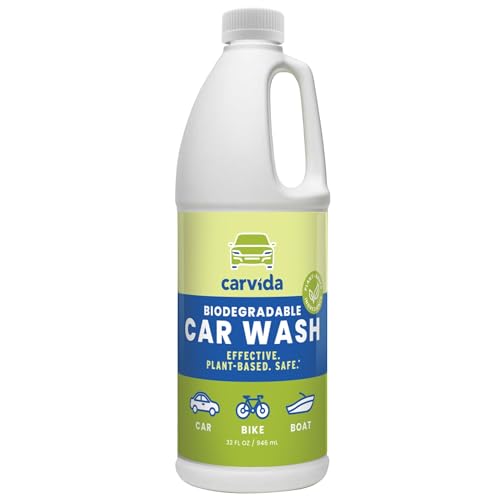
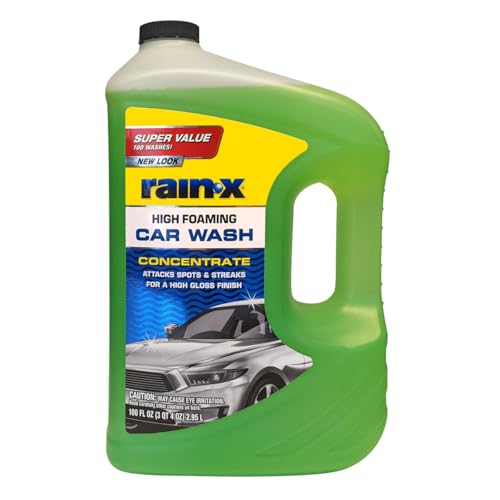
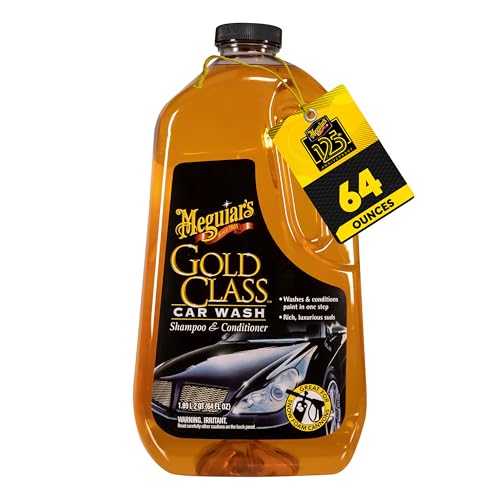
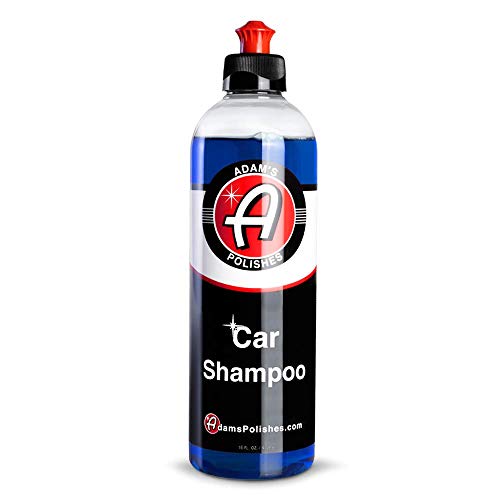
To make your eco-friendly car wash even easier, having the right supplies on hand is essential. Using a quality biodegradable soap is the most important step you can take.


FAQs About Washing Your Car on Grass
Is it okay to wash a car on grass?
Yes, it is okay to wash a car on grass provided you use a biodegradable, phosphate-free soap and avoid harsh chemicals that could damage the lawn or contaminate the soil. It is far preferable to washing on a driveway because the soil acts as a natural filter. However, this is conditional on using the right products and techniques as outlined in this guide.
Will car wash soap kill my grass?
A gentle, biodegradable car wash soap will not kill your grass. However, harsh degreasers, wheel cleaners with acid, or soaps with phosphates can harm or kill your lawn. The key is to read the label. Eco-friendly soaps are specifically formulated to break down safely in a natural environment. In contrast, aggressive, acid-based or solvent-heavy cleaners are highly toxic to all plant life and should never be used on or near your lawn.
Are there laws about washing your car at home?
Car washing regulations vary by location. Some cities or states have ordinances against allowing runoff to enter storm drains, so it’s always best to check your local rules. For example, some municipalities in states like Washington have specific codes prohibiting polluted wash water from entering the stormwater system. A quick search on your city or county’s public works department website or a phone call can clarify the specific regulations in your area.
What can I use to park a car on grass without damaging it?
To prevent ruts and damage from the weight of a car, you can use specialized grass protection mats or permeable paver systems designed for parking on lawns. If you plan to wash your car on the grass frequently, or if your ground is particularly soft, these mats distribute the vehicle’s weight over a larger area, preventing the tires from sinking in and creating unsightly ruts or damaging the root system of your turf.
Final Summary: The Eco-Conscious Way to a Clean Car
Choosing to learn how to wash car on grass is a significant step towards responsible car care. By moving off the driveway, you actively prevent a direct flow of pollutants into our precious local waterways. It’s a simple change in location that makes a world of difference. When you combine this with the right products and water-saving techniques, you can enjoy a sparkling vehicle with a clear conscience, knowing you’ve protected your lawn and the environment.
Here are the most critical actions for an eco-friendly car wash:
* Always wash on a permeable surface like grass or gravel, never on impermeable concrete or asphalt.
* Exclusively use car wash soaps that are clearly labeled “biodegradable” and “phosphate-free.”
* Conserve water by using a hose with an automatic shut-off nozzle and the two-bucket wash method.
* Never use harsh degreasers or acid-based wheel cleaners on your lawn.
* For the most eco-friendly clean with zero runoff, consider using a waterless or rinseless wash product.
Take these expert-backed tips and make your next car wash a win for both your vehicle and the environment
Last update on 2026-01-14 / Affiliate links / Images from Amazon Product Advertising API


![What Car Is Chevy Bringing Back in [year]? New Lineup Revealed](https://carxplorer.com/wp-content/uploads/2026/01/What-Car-Is-Chevy-Bringing-Back-in-year-New-Lineup-Revealed-1-1-60x60.jpg "What Car Is Chevy Bringing Back in [year]? New Lineup Revealed 18")