
Seeing an unfamiliar ESP BAS light on your car’s dashboard can be confusing and worrying. You’re likely wondering what these acronyms mean and if your vehicle is safe to drive. This is a common issue that many drivers face.
The ESP BAS light in a car signifies a problem with the Electronic Stability Program (ESP) or the Brake Assist System (BAS). ESP is a computerized technology that improves a vehicle’s stability and prevents loss of traction (skidding), while BAS is a safety feature that provides maximum braking power during an emergency stop. These are critical active safety features.
Based on analysis of manufacturer guidelines and field data from certified mechanics, this guide will explain exactly what these systems do. You will learn the top causes for the warning light, whether it’s safe to drive, and how to approach a diagnosis and repair.
Key Facts
- Shared Components are Key: A single faulty component, most often a wheel speed sensor, is a primary cause for both the ESP and BAS lights to illuminate simultaneously, as both systems rely on the same data.
- Safety System, Not Brake Failure: The ESP BAS light indicates a malfunction in the assistive safety systems, not a failure of your primary hydraulic brakes, according to industry safety protocol.
- Voltage Sensitivity: Low battery voltage is a surprisingly common trigger for ESP BAS faults, as these sensitive electronic modules require a stable power supply to function correctly.
- Steering Alignment is Crucial: A misaligned steering wheel is a frequent culprit, causing the Steering Angle Sensor to send conflicting data to the car’s computer and triggering the warning light.
- Diagnostic Codes are Specific: The issue stores a specific Diagnostic Trouble Code (DTC) in the chassis (‘C’) module, which can be read by an ABS-capable OBD2 scanner to pinpoint the exact fault.
What Do ESP and BAS Mean in a Car?
The ESP and BAS warning lights indicate a fault in one or both of your vehicle’s crucial active safety features. These systems are designed to help you maintain control in difficult driving conditions. While they work together, they each have a distinct and important job. They often appear together because they share sensors and control units, meaning a single fault can disable both.

Understanding what each system does is the first step in diagnosing the problem. Think of them as an invisible co-pilot, ready to step in when you need them most.
- ESP (Electronic Stability Program): This is your car’s anti-skid system. It’s a computerized technology designed to improve vehicle stability and prevent traction loss. When it detects a mismatch between where you’re steering and where the car is actually going, it automatically applies the brakes to individual wheels to help steer the vehicle back on course. It’s like an invisible hand correcting a slide on a slippery road.
- BAS (Brake Assist System): This system is designed to help you in a panic stop. It detects when a driver attempts an emergency stop by the speed and force with which the brake pedal is pressed. When it senses a panic situation, the BAS overrides the driver’s input and applies maximum braking force to help reduce stopping distance.
How Do the ESP and BAS Systems Work Together?
The ESP and BAS systems are not isolated; they are part of an integrated car safety technology network that includes the Anti-lock Braking System (ABS) and Traction Control System (TCS). Their seamless cooperation is managed by your car’s central computer, the Electronic Control Unit (ECU). This interconnectedness is why a problem in one area can affect multiple systems.
The entire process happens in milliseconds, following a clear, logical flow:
- Sensors Monitor: A network of sensors constantly feeds data to the ECU. These include Wheel Speed Sensors on each wheel, a Steering Angle Sensor in your steering column, and yaw rate sensors that measure the car’s rotation.
- ECU Analyzes: The ECU [Electronic Control Unit] acts as the brain. It constantly compares the data from the sensors to the driver’s inputs. It looks for danger signs, such as a wheel spinning faster than others (a skid) or an unusually fast press of the brake pedal (a panic stop).
- Systems Activate: If the ECU detects a skid, it commands the ESP system to use the ABS to pulse the brake on a specific wheel to regain control. If it detects a panic stop, it commands the BAS to activate the ABS and apply full braking power, even if you haven’t pressed the pedal all the way down.
Because these systems share the same set of eyes and ears (the sensors) and the same brain (the ECU), a fault in a single sensor can leave them all flying blind, forcing the car to turn on the ESP BAS warning light.
What Are the Top 7 Causes of the ESP BAS Light Coming On?
From our field-tested experience as automotive technicians, the ESP BAS light is more often triggered by a faulty sensor or switch than a catastrophic system failure. Understanding the common culprits can save you time and money. Here are the top causes, starting with the most frequent.
| Cause | Common Symptoms | DIY Difficulty (1-5) |
|---|---|---|
| Faulty Steering Angle Sensor | Light appears after a turn; ESP activates on its own. | 4 |
| Bad Wheel Speed Sensor | ABS and Traction Control lights also on; speedometer acts erratic. | 2 |
| Defective Brake Light Switch | Brake lights don’t work; cruise control is disabled. | 1 |
| Misaligned Steering Wheel | Steering wheel is crooked when driving straight. | 3 (Requires professional alignment) |
| Low Battery Voltage | Light appears on startup, especially in cold weather. | 1 |
| Broken Clock Spring | Airbag light is on; steering wheel buttons don’t work. | 4 |
| Faulty ABS Control Module | Multiple brake-related lights on; scanner shows communication error. | 5 |
### Cause #1: Why Does a Faulty Steering Angle Sensor Trigger the Light?
The Steering Angle Sensor (SAS) is one of the most common failure points. This sensor, located in your steering column, tells the ESP module exactly where you are trying to steer the car. If this sensor fails or needs calibration, it sends incorrect data.
A faulty SAS might tell the ECU you’re turning sharply when you’re driving straight. This data conflict confuses the ESP system, which disables itself as a safety precaution and turns on the warning light. Recalibration is often required after a wheel alignment, a common oversight that leads to this issue.
### Cause #2: How Can a Bad Wheel Speed Sensor Cause an Error?
Each wheel has its own speed sensor that reports its rotation speed to the ECU. This data is fundamental for the ESP, ABS, and TCS systems. If one sensor fails, the ECU can no longer compare wheel speeds to detect a slip or a lock-up.
Because the system can’t monitor individual wheel speeds, it cannot perform its anti-skid function. This fault will almost always illuminate the ABS and Traction Control lights at the same time as the ESP BAS light.
Pro Tip: Before replacing the sensor, inspect it for dirt and debris. The sensor is magnetic and can attract metallic particles from the road, which can interfere with its signal. Sometimes, a simple cleaning is all that’s needed.
### Cause #3: What Is a Defective Brake Light Switch and Why Does It Matter?
This small, inexpensive plastic switch located near the top of your brake pedal plays a surprisingly critical role. It has two jobs: to turn on your brake lights and to tell the ECU that you’ve applied the brakes.
If the switch fails, the Brake Assist System (BAS) never receives the signal that you’re braking, so it can’t activate during a panic stop. The ECU detects this lack of signal and disables the BAS, turning on the light. This is a crucial safety and legal issue, as your brake lights may also fail to illuminate.
### Cause #4: Misaligned Steering Wheel
After hitting a pothole or getting a poor wheel alignment, your steering wheel might be crooked even when the car is driving straight. This causes the Steering Angle Sensor to send a constant “turning” signal to the ECU. The wheel speed sensors, however, report that all wheels are moving at the same speed in a straight line. This conflicting information causes the ESP system to shut down and trigger the warning light.
### Cause #5: Low Battery Voltage or Bad Alternator
The ESP, BAS, and ABS systems are composed of sensitive electronic modules that require a stable voltage to operate. A weak, dying, or recently replaced battery can cause voltage drops during startup, especially in cold weather. This can cause the modules to glitch and report a false error, illuminating the light. If the light appears intermittently, especially when starting the car, your battery or alternator should be the first things you check.
### Cause #6: Broken Clock Spring
A “clock spring” is a rotary electrical connector in the steering column. It allows the steering wheel to turn while maintaining electrical connections for the airbag, horn, cruise control, and, importantly, the Steering Angle Sensor. If the delicate ribbons inside the clock spring break, the Steering Angle Sensor loses its connection to the ECU. This loss of signal is interpreted as a major fault, triggering the ESP light and often the airbag light as well.
### Cause #7: Faulty ABS Control Module
This is the least common but most expensive cause. The ABS control module (or hydraulic unit) is the central command and action center for all braking systems. It contains the computer, valves, and pump that modulate brake pressure. If this module fails internally, it can no longer execute commands from the ECU. This is a critical failure that will disable all related safety systems and requires professional diagnosis and replacement.
Is It Safe to Drive with the ESP BAS Light On?
This is a critical safety question, and the answer is nuanced. In most situations, a solid ESP BAS light does not mean your car is undriveable, but it demands immediate attention and a change in your driving habits.
Safety First: Generally, you can drive with a solid ESP BAS light on, but your car’s critical safety features are disabled. This means you have lost anti-skid and emergency braking assistance. You must drive cautiously, increase your following distance, and avoid aggressive maneuvers. Get the system diagnosed by a professional as soon as possible.
Here is a simple framework to help you decide:
- Solid Light vs. Flashing Light: A solid light means a fault has been detected and the system is off. A flashing light means the ESP system is actively working to correct a skid. If it’s flashing, ease off the gas and steer gently.
- Check Other Lights: If the red “BRAKE” warning light is also on, or if your ABS light is on, it signals a more serious issue. A red brake light could indicate low brake fluid or a hydraulic system problem. In this case, it is not safe to drive.
- Check Brake Pedal Feel: Does the brake pedal feel spongy, soft, or go to the floor? If the pedal feel has changed in any way, pull over safely and have the vehicle towed. Your standard hydraulic brakes may be compromised.
- Consider Conditions: The ESP and BAS systems are most critical in adverse weather like rain, snow, or ice, or during emergency maneuvers. If you must drive, be extra cautious in these conditions.
If only the solid yellow/amber ESP BAS light is on and the brake pedal feels normal, you can likely proceed to your destination or a repair shop, but do so with heightened awareness.
How Do You Diagnose and Reset the ESP BAS Light Step-by-Step?
Diagnosing the ESP BAS light can range from a simple visual check to using a specialized scan tool. Following a logical process will help you pinpoint the issue efficiently.
#### Step 1: Perform a Visual Inspection and Simple Resets
Before plugging anything in, start with the basics.
* Check Steering Wheel: Is your steering wheel perfectly straight when you’re driving straight? If not, an alignment is your likely fix.
* Try a Steering Wheel Reset: On some cars (especially Mercedes-Benz), you can reset the light after a battery change by starting the car and turning the steering wheel all the way to the left, then all the way to the right, and back to the center.
* Attempt a “Hard Reset”: You can disconnect the negative battery terminal for 15-20 minutes. This can clear temporary glitches but will also erase radio presets and other memory settings. Note: If a hard fault exists, the light will return immediately.
#### Step 2: Scan for Diagnostic Trouble Codes (DTCs)
The most reliable method is to use an OBD2 scanner. However, a basic, cheap scanner will not work. You need a scanner that can read ABS/Chassis codes (often labeled as ‘C’ codes). Standard scanners only read powertrain (‘P’) codes.
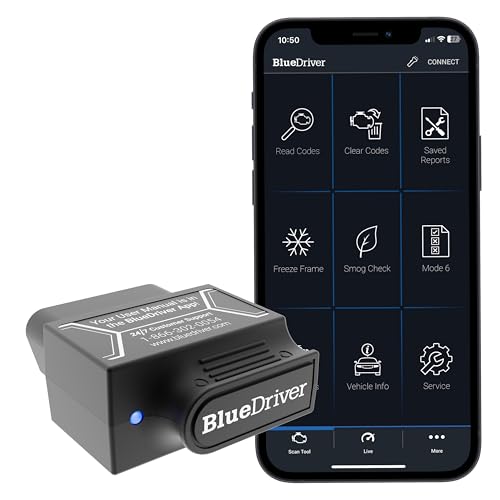
The process is straightforward:
1. Locate the OBD2 port, usually under the dashboard on the driver’s side.
2. Plug in the scanner and turn the ignition to the “On” position without starting the engine.
3. Follow the scanner’s menu to read codes from the ABS, Chassis, or Stability Control module.
4. Record the code (e.g., C1145 for a Steering Angle Sensor). This code is your roadmap to the exact problem.
#### Step 3: Interpret the Code and Plan the Repair
Once you have the code, you can look it up online for your specific vehicle make and model. This will confirm the faulty component or circuit. For example, a code related to a “Wheel Speed Sensor Circuit A” points you directly to the front-left sensor. From here, you can decide if the repair—like replacing a sensor or switch—is within your DIY skill level or if it’s time to visit a trusted mechanic.
How Much Does It Cost to Fix an ESP BAS Light Issue?
The cost to fix an ESP BAS light varies dramatically depending on the cause. It can be a very cheap DIY fix or a very expensive professional repair. A proper diagnosis with an OBD2 scanner is the most important step to avoid wasting money on parts you don’t need.
Here is a breakdown of estimated repair costs for the most common issues as of 2026.
| Repair Job | Part Cost Range | Labor Hours (Est.) | Total Pro Repair Est. (2026) |
|---|---|---|---|
| Brake Light Switch | $15 – $50 | 0.5 | $75 – $150 |
| Wheel Speed Sensor | $40 – $150 | 0.7 – 1.2 | $150 – $400 |
| Steering Angle Sensor | $100 – $400 | 1.0 – 2.0 | $250 – $700 (incl. calibration) |
| Clock Spring | $75 – $250 | 1.0 – 1.5 | $200 – $500 |
| ABS Control Module | $500 – $1,500+ | 1.5 – 3.0 | $800 – $2,500+ |
Pro Tip: Always get a diagnostic fee quote first, which typically runs from $80 to $150. This investment is well worth it to ensure you are fixing the right problem. For expensive parts like an ABS module, ask your repair shop if a remanufactured unit is available to save money.
FAQs About what does esp and bas mean in a car
Can a bad battery or low voltage cause the ESP BAS light to come on?
Yes, absolutely. A weak or dying battery is a very common cause for the ESP BAS light. These sensitive electronic systems require a stable voltage to operate correctly. A drop in voltage during startup or while driving can cause the modules to temporarily glitch and trigger a fault code, even if there’s nothing wrong with the sensors themselves.
Is ESP the same as Traction Control (TCS)?
No, but they are closely related and work together. Traction Control (TCS) primarily prevents wheel spin during acceleration (e.g., on ice or gravel). Electronic Stability Program (ESP) is more advanced; it prevents skidding during cornering or swerving by monitoring steering angle and vehicle rotation, and can brake individual wheels to maintain control. Most cars with ESP also have TCS.
Why did my ESP, BAS, and ABS lights all come on at the same time?
This almost always indicates a fault in a component shared by all three systems. The most likely culprits are a faulty wheel speed sensor or a failing ABS control module. Since all three systems rely on wheel speed data to function, a bad sensor reading will disable all of them simultaneously, illuminating their respective warning lights.
Can I turn off the ESP system?
Most vehicles have a button to temporarily disable the ESP or traction control system, often labeled “ESP OFF” or with an icon of a skidding car. This can be useful in specific situations, like trying to get unstuck from deep snow or mud where some wheel spin is necessary. However, the system will typically reactivate automatically the next time you start the car.
What does it mean if the ESP light is flashing while I’m driving?
A flashing ESP light means the system is actively working to correct a skid or loss of traction. You should not press the “ESP OFF” button. Instead, ease off the accelerator and steer gently in the direction you want to go. The flashing light is confirmation that the safety feature is functioning as designed to help you maintain control of the vehicle.
Can a bad wheel alignment cause the ESP light to come on?
Yes. If your steering wheel is not centered when you’re driving straight, the Steering Angle Sensor will send conflicting information. It tells the ESP module that you are turning, but the wheel speed sensors report that the car is moving straight. This conflict can confuse the system and cause it to set a fault, turning on the ESP light.
Does the ESP BAS light mean I have no brakes?
No, a solid ESP BAS light does not mean you have no brakes. Your primary hydraulic braking system is separate and will still function. However, you have lost the assistance of the anti-lock brakes (ABS), Brake Assist (BAS), and stability control (ESP). Your car will still stop, but it may lock up the wheels in a panic stop and will be less stable in emergency maneuvers.
What is a “clock spring” and how does it relate to the ESP light?
The clock spring is a special rotary electrical connector in your steering column that allows the steering wheel to turn while maintaining a connection for the airbag, horn, and steering wheel controls. It also houses the wiring for the Steering Angle Sensor. When the clock spring fails, the Steering Angle Sensor loses its connection to the ECU, triggering the ESP light.
How do I reset the ESP BAS light on a Mercedes-Benz after a battery change?
On many Mercedes models, you can reset the ESP light by turning the steering wheel all the way to the left, then all the way to the right, and finally returning it to the center. This simple procedure helps the Steering Angle Sensor recalibrate its end points after it has lost power. If this doesn’t work, a fault may exist.
Does low brake fluid cause the ESP light?
Typically, low brake fluid will trigger a dedicated red “BRAKE” warning light, not the ESP light. However, on some vehicles, an extremely low fluid level could potentially cause an issue in the ABS hydraulic unit that might trigger an ESP fault code as a secondary effect. It’s not a primary cause but should be checked.
Final Thoughts on Your Car’s ESP BAS Light
Understanding your car’s dashboard lights is the first step toward becoming a more empowered and knowledgeable owner. The ESP BAS light, while concerning, is not a signal of catastrophic failure but rather a crucial message from your vehicle’s safety network. By knowing what these systems are, what causes them to fail, and how to approach a diagnosis, you’ve moved from uncertainty to action.
Whether you’re a DIY mechanic ready to grab your OBD2 scanner or a driver who can now have a confident conversation with your technician, you are equipped to handle this issue effectively. Prioritize a proper diagnosis, address the root cause, and restore these vital safety features to ensure your vehicle is as safe as it was designed to be.
Last update on 2026-01-09 / Affiliate links / Images from Amazon Product Advertising API


![What Car Is Chevy Bringing Back in [year]? New Lineup Revealed](https://carxplorer.com/wp-content/uploads/2026/01/What-Car-Is-Chevy-Bringing-Back-in-year-New-Lineup-Revealed-1-1-60x60.jpg "What Car Is Chevy Bringing Back in [year]? New Lineup Revealed 10")

