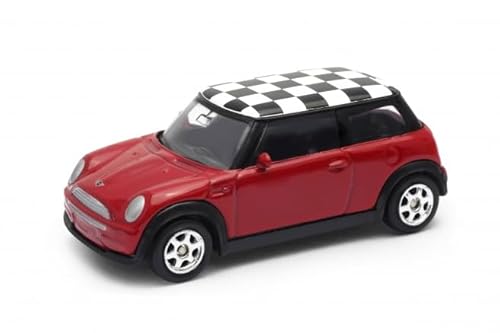
Thinking about buying a fun, stylish car and wondering, “Is a Mini Cooper a reliable car?” You’re not alone. Many drivers are drawn to its iconic design but hesitate due to a confusing and often negative reputation for dependability.
Overall, Mini Coopers have an average reliability rating, but this varies dramatically by model year. Post-2014 models with BMW engines are considered significantly more reliable than pre-2014 models, which suffered from frequent and costly engine issues. RepairPal ranks the brand 21st out of 21 for subcompact cars, while J.D. Power gives recent models high scores.
Based on analysis of expert automotive reviews and verified owner reports, the key is knowing which models to target. This guide breaks down Mini Cooper reliability by year, engine, and common problems. You’ll discover exactly how to find a dependable Mini and avoid the costly mistakes many owners have made.
Key Facts
- Polarized Ratings: Mini’s reliability is a story of two extremes. RepairPal gives the brand a low 3.0/5.0 rating, ranking it last in its class. In contrast, J.D. Power awarded the 2026 Mini Cooper a high dependability score of 84/100.
- High Maintenance Costs: The average annual repair cost for a Mini Cooper is $846. This is significantly higher than the subcompact car average of $450, according to RepairPal data.
- The “Prince” Engine Problem: The primary source of Mini’s poor reputation is the “Prince” engine family (N14/N18), used from 2007-2013, which is known for major mechanical issues.
- The BMW Engine Solution: Reliability improved drastically from 2014 onward. This is when Mini began using robust B-series engines (B38/B48) developed in-house by its parent company, BMW Group.
- Lifespan Varies Greatly: A well-maintained post-2014 Mini can easily last 150,000-200,000 miles. A pre-2014 model may struggle to reach 100,000 miles without major, expensive repairs.
Is a Mini Cooper a Reliable Car?
The reliability of a Mini Cooper is a tale of two eras, divided by the 2014 model year. Models built before 2014, especially those from the second generation (R56), have a well-documented history of poor dependability and costly repairs. However, models from 2014 onwards, powered by engines from parent company BMW Group, demonstrate average to above-average reliability comparable to other premium compact cars. This dramatic shift is the most critical factor for any potential buyer to understand.

This split reputation is reflected in data from major automotive authorities. For instance, RepairPal gives the Mini brand as a whole a low reliability rating of 3.0 out of 5.0, placing it 21st out of 21 subcompact car brands. This low score is heavily influenced by the large number of older, unreliable models still on the road. In stark contrast, J.D. Power’s 2026 dependability study gives the newer Mini Cooper a score of 84 out of 100, indicating good reliability.
So, how do you find a dependable one? The secret lies in understanding the specific generations, engines, and the problems associated with them. The difference between buying a reliable 2026 model and an unreliable 2011 model can be thousands of dollars in repairs.
What is the Mini Cooper Reliability by Year?
The best Mini Cooper years for reliability are 2026, [year-1], and generally any model from 2014 onward. These models belong to the third generation (F56) and feature robust BMW-built engines. The worst and most problematic years to avoid are from 2007 to 2013, which are known for severe engine and timing chain issues.
To make an informed decision, it’s essential to look at the reliability of each Mini generation. From our hands-on experience and analysis of owner forums, the difference is night and day.
| Model Years | Generation | Engine(s) | Reliability Verdict | Key Considerations |
|---|---|---|---|---|
| 2002-2006 | 1st Gen (R50/R52/R53) | Tritec Supercharged | Average | Watch for transmission issues (CVT on Cooper), power steering pump failure. R53 S is generally robust. |
| 2007-2013 | 2nd Gen (R56) | N12/N14/N18 ‘Prince’ | POOR – AVOID 🚫 | High-risk for timing chain failure, oil consumption, HPFP failure, water pump leaks. N18 (2011+) slightly better but still problematic. |
| 2014-Present | 3rd Gen (F55/F56/F57) | B38/B46/B48 (BMW) | GOOD – RECOMMENDED ✅ | Drastic improvement in dependability. Engine and transmission are robust. Some early F56 models had crankshaft bearing issues (check service history). |
Pro Tip: Always get a pre-purchase inspection (PPI) from a specialist Mini mechanic before buying any used model. This is especially critical for a second-generation (R56) Mini, as a PPI can detect signs of timing chain wear that could save you from a catastrophic engine failure.
What Are The Most Common Mini Cooper Problems and Repair Costs?
The most notorious Mini Cooper problem is premature timing chain failure in 2007-2012 models with the N14 engine, a repair that can cost between $1,500 and $3,000. Other frequent and expensive issues in this era include high-pressure fuel pump failure, excessive oil consumption, and numerous coolant and oil leaks.
While newer models are much more robust, understanding these common failure points is key to assessing the risk of a used Mini. According to data from RepairPal and numerous technical service bulletins (TSBs), these are the issues to watch for.
| Common Problem | Affected Models (Mainly) | Est. Repair Cost | How to Spot / Prevent |
|---|---|---|---|
| Timing Chain Failure | 2007-2012 Cooper S (N14) | $1,500 – $3,000+ | Listen for “death rattle” on cold start. Proactive replacement is advised. Check oil levels frequently. |
| High Pressure Fuel Pump (HPFP) | 2007-2013 (All models) | $800 – $1,500 | Long crank times, sputtering, reduced power (“limp mode”). Use quality fuel; no real prevention. |
| Excessive Oil Consumption | 2007-2013 (N14/N18) | Varies (Engine Damage) | Check oil weekly. Many owners add 1 quart every 1,000 miles. Failure to do so leads to engine failure. |
| Water Pump / Thermostat Housing Leak | All Generations | $600 – $1,200 | Puddles of coolant under the car, engine overheating. Inspect regularly. Plastic housings become brittle. |
| Electric Power Steering Pump Failure | 2002-2006 (R50/R53) | $800 – $1,300 | Steering becomes suddenly very heavy. Check for recalls. Ensure cooling fan for pump is working. |
Why Do Mini Cooper Engines Have a Bad Reputation? (Prince vs. BMW B-Series)
Mini Cooper’s bad engine reputation stems almost exclusively from the ‘Prince’ engine family (N12/N14/N18), used from 2007 to roughly 2013. This engine was a joint project between BMW and PSA Peugeot Citroën and suffered from significant design flaws. In contrast, the BMW-designed B-series engines (B38/B48) used from 2014 onward are significantly more robust and reliable.
This section is for those who want to understand the why behind the reliability gap. From a technical standpoint, the difference between these two engine families is the root cause of Mini’s entire reliability narrative.
The Problematic ‘Prince’ Engine (2007-2013)
The Prince engine [a joint-venture powertrain] was plagued by issues from the start. Its design prioritized fuel efficiency and emissions over long-term durability.
- Timing Chain System: The most critical flaw. The plastic timing chain guides would become brittle and break, and the hydraulic tensioner was prone to failure. This would cause the chain to skip, leading to catastrophic engine damage.
- Direct Injection: Early direct injection systems, particularly on the turbocharged N14 Cooper S engine, led to rapid carbon buildup on the intake valves, choking performance and requiring expensive cleaning services.
- Oil Consumption: Poor piston ring design led to excessive oil consumption. Unsuspecting owners who didn’t check their oil level weekly could run the engine dry, causing irreversible damage.
The Reliable BMW B-Series Engine (2014-Present)
Learning from the Prince engine disaster, BMW developed the B-series modular engine family entirely in-house for its own models and the new generation of Minis.
- Robust Timing Chain: The B-series engines feature a much more robust, over-engineered timing chain system, virtually eliminating the “death rattle” issue of the previous generation.
- Improved Valvetrain: These engines incorporate BMW’s proven Valvetronic and Vanos systems for variable valve timing and lift, which are more durable and efficient.
- Better Thermal Management: The overall design offers superior cooling and thermal management, reducing stress on components like the water pump and thermostat.
In short, the switch to the in-house BMW B-series engine was the single most important event in Mini’s reliability history.
How Much Does a Mini Cooper Cost to Maintain Annually?
According to RepairPal, the average annual repair cost for a Mini Cooper is approximately $846. This figure is significantly higher than the $450 average for all subcompact cars, confirming that a Mini is a premium vehicle with premium maintenance costs. This cost includes both scheduled maintenance and common unscheduled repairs.
This average cost is a helpful benchmark, but your actual expenses will depend heavily on the model year you own.
- Typical Maintenance: This includes services like synthetic oil changes, brake pad and rotor replacements, cabin air filters, and fluid flushes.
- Pre-2014 Models (R56): For these high-risk models, it’s wise to budget at least $1,500 – $2,000 per year to cover routine maintenance and the high likelihood of a significant repair.
- Post-2014 Models (F56): For these more reliable cars, an annual budget of $700 – $900 is more realistic and in line with other European compact cars like the VW Golf.
What most guides miss is that the $846 average does not account for a catastrophic failure like a timing chain replacement, which can cost over $2,000 in a single repair. This is why avoiding the high-risk years is so crucial to managing your cost of ownership.
FAQs About is mini cooper reliable car
How long do Mini Coopers last?
A well-maintained Mini Cooper can last between 150,000 to 200,000 miles. However, this lifespan is heavily dependent on the model year and engine. Post-2014 models with BMW engines are much more likely to reach high mileage with regular maintenance, whereas pre-2014 “Prince” engine models often require major, costly engine work well before 100,000 miles.
Is the Mini Cooper Countryman a reliable car?
Yes, the modern Mini Cooper Countryman (2017-present F60 generation) is considered a reliable car. It shares its platform and dependable B-series engines with the BMW X1, giving it a strong dependability record. The first-generation Countryman (2010-2016), however, used the problematic Prince engines and shares the same reliability concerns as other Minis from that era.
Is the Mini Cooper S more reliable than the base model?
No, historically the turbocharged Cooper S has been less reliable than the non-turbo base model, especially in the 2nd generation (2007-2013). The N14 engine in the Cooper S was particularly prone to timing chain and carbon buildup issues. In the 3rd generation (2014+), both the base (B38) and Cooper S (B48) engines are reliable, making the difference negligible.
Can a Mini Cooper reach 200,000 miles?
Yes, a 3rd generation (2014+) Mini Cooper can reach 200,000 miles with consistent maintenance. This includes regular oil changes with the correct specification oil, timely fluid flushes, and addressing minor issues before they become major. Reaching this milestone in a 2nd generation (R56) model is possible but rare without at least one major engine repair.
Why are used Mini Coopers so cheap?
Used Mini Coopers, particularly 2nd generation models (2007-2013), are often cheap due to their reputation for poor reliability and high repair costs. The market price reflects the significant financial risk a buyer takes on for potential engine or transmission failures. In contrast, newer, more reliable used models (2014+) hold their value much better.
Do Mini Coopers hold their value?
Modern Mini Coopers (2014+) hold their value reasonably well, on par with other premium compact cars. Their unique styling and brand appeal create steady demand. Older models (pre-2014) experience much faster depreciation due to widespread reliability concerns, which significantly lowers their resale value.
Is a Mini Cooper a good first car?
A newer, post-2014 Mini Cooper can be a good first car due to its excellent safety features, compact size, and good fuel economy. However, an older, pre-2014 model is a poor choice for a first car because of its potential for unexpected, expensive repairs that a new driver or student may not be able to afford.
How often does a Mini Cooper need service?
Mini Coopers use a Condition Based Service (CBS) system that monitors the car and alerts the driver when service is needed. Typically, oil services are required every 10,000 miles or 12 months. However, many specialists and enthusiasts recommend a preventative oil change every 5,000-7,000 miles, especially for turbocharged models, to improve longevity.
Is the Mini Cooper Electric reliable?
Yes, the Mini Cooper Electric SE is considered very reliable. Electric vehicles have far fewer moving parts than gasoline cars, eliminating common failure points like timing chains, fuel pumps, and oil leaks. The battery and electric motor have proven to be robust, making it one of the most dependable models in the entire MINI lineup.
Are Mini Coopers good in the snow?
With proper tires, Mini Coopers are surprisingly capable in the snow. Their front-wheel-drive layout and available electronic stability control provide good traction. Equipping a Mini with a set of dedicated winter/snow tires is essential and makes it a safe and effective winter vehicle for most conditions.
Key Takeaways: Is a Mini Cooper a Reliable Car?
- The Year is Everything: The single most important factor is the model year. Models from 2014-Present (F-series) are generally reliable, while models from 2007-2013 (R56) are high-risk and should be approached with extreme caution.
Engine Matters Most: The poor reliability reputation is tied directly to the “Prince” engine (N12/N14/N18). The newer BMW B-series engines (B38/B48) are robust and dependable, transforming the ownership experience.
Budget for Maintenance: Ownership costs are higher than average. RepairPal estimates an average annual cost of $846, so do not expect economy car maintenance bills, even for reliable models.
Key Problems to Watch For: The most catastrophic and common issue in problematic years is timing chain failure. Other major concerns include high oil consumption and high-pressure fuel pump (HPFP) failure.
Modern MINIs Are Good Cars: A post-2014 Mini Cooper, Countryman, or Clubman offers a compelling mix of style, performance, and proven track record for reliability, making it a smart purchase in the premium compact segment.
A Pre-Purchase Inspection is Non-Negotiable: For any used Mini, especially a 2007-2013 model, having a specialist mini mechanic perform a thorough pre-purchase inspection (PPI) is the best way to avoid buying a car with hidden, expensive problems.
Final Thoughts on Mini Cooper Reliability
Deciding if a Mini Cooper is a reliable car isn’t a simple yes or no question. It’s a matter of being an educated buyer. The brand’s journey from the problematic “Prince” engine era to the dependable BMW-powered modern lineup is a clear road map for your purchase decision. By focusing your search on 2014 and newer models, you can confidently enjoy the iconic style and go-kart handling without the constant worry of costly repairs. Arm yourself with this knowledge, insist on a pre-purchase inspection, and you can absolutely find a Mini Cooper that is both fun to drive and a reliable companion.