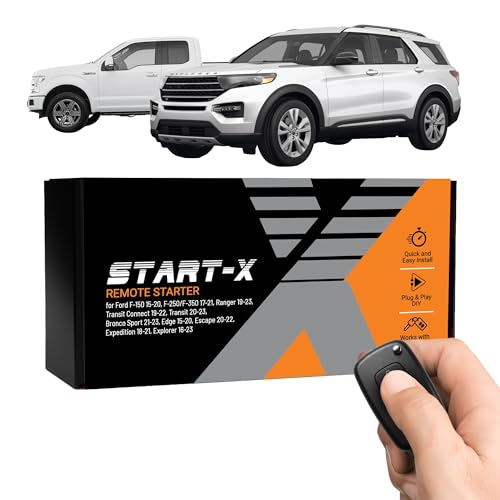
Wondering if that convenient remote starter is silently harming your car? You’re right to be cautious, as many drivers struggle with conflicting information about potential remote starter car damage.
A remote starter is generally not bad for your car, but how you use it can be. The device itself is simply a switch. The real concern is excessive engine idling, which can lead to increased engine wear, fuel dilution in the oil, and unnecessary fuel consumption. Proper installation and moderate use are key.
This analysis, based on ASE certified technician advice and automotive engineering principles, separates fact from fiction. You will discover the real risks of idling, how to choose a safe system, and the exact steps to use your remote starter responsibly without causing harm.
Key Facts
- Device vs. Action: A high-quality remote starter itself does no harm; it is the prolonged engine idling it enables that can cause engine wear and tear.
- Installation Quality is Paramount: According to industry analysis, the vast majority of remote start electrical issues, including battery drain, are caused by improper installation, not the unit itself.
- Fuel Dilution Risk: Prolonged idling on a cold engine can cause unburnt fuel to wash lubricating oil from cylinder walls, reducing the oil’s effectiveness and accelerating wear on critical engine components.
- Warranty Protection: In the United States, the Magnuson-Moss Warranty Act protects consumers by stating a dealer cannot void a vehicle’s warranty just for installing an aftermarket part, unless they can prove the part caused the specific failure.
- Optimal Idle Time: Automotive expert consensus suggests limiting remote start idle time to 3-5 minutes is sufficient to circulate fluids and begin warming the cabin without causing excessive wear or fuel waste.
Is a Remote Starter Really Bad For Your Car? An Expert Analysis
A remote starter itself is not inherently bad for your car; the potential for harm comes almost entirely from the extended engine idling it facilitates. Think of the remote starter as a light switch on the wall—the switch itself doesn’t use electricity, but the light bulb it controls does. Similarly, the remote starter [a digital authentication and trigger device] is just the trigger; it’s the idling engine that consumes fuel and undergoes wear. The central debate isn’t about the device, but about our long-held beliefs on warming up a car.

Based on insights from ASE certified technicians and fundamental automotive engineering principles, the risk to your vehicle’s health doesn’t come from the act of starting remotely. Instead, it hinges on a few critical factors that are entirely within your control. Is the remote starter the problem, or is it how we’ve been told to warm up our cars for decades?
This expert analysis will separate fact from fiction by examining the data-backed arguments. We will explore the three elements that truly determine if a remote starter is a helpful tool or a harmful habit:
- Installation Quality: The difference between a safe system and an electrical nightmare.
- Idling Duration: The line between a reasonable warm-up and accelerated engine damage.
- Vehicle Condition & Type: Why a modern car handles remote start differently than an older one.
What Are The Common Myths About Remote Starters? (Fact vs. Fiction)
Widespread remote start myths often cause unnecessary concern. Many of these misconceptions stem from issues with older technology or poor-quality installations. Let’s address the most common remote starter concerns with evidence-based facts from an automotive industry best practices standpoint.
Is it a Myth That Remote Start Causes Excessive Engine Wear?
Myth: Simply using a remote starter will automatically cause excessive engine wear and tear.
Fact: This is one of the biggest misconceptions. The starter motor itself is not overworked by a remote start. The real issue, as automotive engineering principles confirm, is prolonged idling on a cold engine. When an engine is cold, it runs on a “rich” fuel mixture (more fuel, less air). During a long idle, some of this unburnt gasoline can seep past the piston rings and into the oil pan.
This process is called fuel dilution. It’s like adding a solvent to your engine’s oil, thinning it out and reducing its ability to lubricate and protect vital moving parts like cylinder walls and bearings. According to automotive engineers, it’s far better to idle for only 30-60 seconds and then begin driving gently. This puts a light load on the engine, allowing it to warm up faster and more efficiently, burning off that rich fuel mixture before it can do harm.
Is it True a Remote Starter Will Drain My Car’s Battery?
Myth: Installing a remote starter is a guaranteed way to end up with a dead car battery.
Fact: A properly installed, modern remote start system will not drain a healthy battery. These systems have a minimal standby power consumption, known as parasitic draw, often as low as 5-15 milliamps. For comparison, your car’s own computer systems can draw more than that just sitting in the garage. Significant remote start battery drain is almost always a symptom of another problem, such as:
- Faulty Installation: This is the #1 cause. Poorly soldered wires or incorrect connections can create a constant power drain.
- An Old or Weak Battery: A battery nearing the end of its life won’t have the reserve capacity to handle even a small extra load.
- Short Trips: If you remote start for 10 minutes but then only drive for 5, your car’s alternator may not have enough time to fully replenish the energy used to start the car and run it.
A professional installation standard is the key to preventing these electrical problems.
How Does Remote Start Idling Actually Affect Your Car’s Engine?
Idling from a remote start primarily affects your engine in three negative ways: it causes fuel to dilute the engine oil, leads to carbon buildup, and keeps the engine in a high-wear state for an extended period. While a minute or two is harmless, letting it idle for 10-20 minutes every winter morning can take a toll. Here’s a deeper look at what’s happening “under the hood.”
- Fuel Dilution and Lubrication Breakdown
As we’ve covered, a cold, idling engine runs rich. This unburnt gasoline acts as a solvent, washing the crucial film of engine oil off the cylinder walls. This oil film breakdown at startup dramatically increases friction and wear on the piston rings and cylinder surfaces. Over time, this can lead to a loss of compression and increased oil consumption. Incomplete Combustion and Carbon Buildup
An engine is designed to run most efficiently at its normal operating temperature. During a long, cold idle, it never reaches this state. The incomplete combustion not only wastes fuel but also creates excess carbon deposits. These deposits can build up on intake valves, pistons, and spark plugs, hindering performance and efficiency. Moisture can also accumulate in the exhaust system, leading to premature rust.Inefficient Warm-Up and Lack of Load
An idling engine warms up incredibly slowly because it’s not under any load. This means critical components operate outside their ideal temperature range for a much longer time. Driving gently warms up the engine, transmission, and even the tires and suspension components far more quickly and evenly. Keeping the engine in a cold, high-wear state for an extended idle period is counterproductive to vehicle longevity factors.
Did You Know? Your car’s catalytic converter, which reduces harmful emissions, does not function efficiently until it reaches a high temperature (around 400-800°C). A long idle period means your car is emitting significantly more pollutants than it would if you just drove away gently after a minute.
Aftermarket vs. Factory Remote Starters: Is One Safer For Your Car?
When comparing options, a factory-installed remote starter is generally the safest choice due to its seamless integration, but a high-quality aftermarket unit installed by a certified professional is equally safe and reliable. The key difference isn’t the origin of the product, but the quality of its integration with your vehicle’s complex vehicle electrical system.
The primary risk of an aftermarket remote start comes from improper installation, not the unit itself. A skilled technician ensures all connections are secure and that the system communicates correctly with your car’s Engine Control Unit (ECU) and security systems. Here is a direct comparison to help you decide.
| Feature | Factory Remote Starter | High-Quality Aftermarket Remote Starter |
|---|---|---|
| Integration | Perfectly integrated with vehicle ECU and security systems. | Requires skilled installation; may use bypass modules. Risk of issues if poorly installed. |
| Warranty | Fully covered by the vehicle’s manufacturer warranty. | Cannot void warranty unless proven to cause a specific failure. Installation work may have its own warranty. |
| Features | Often basic functionality (start/stop). Range may be limited. | Can offer advanced features like 2-way communication, longer range, and smartphone app control. |
| Cost | Typically higher, often bundled into a vehicle trim package. | Generally lower upfront cost, but professional installation adds to the price. |
| Reliability | Very high, as it’s an OEM part. | Highly dependent on the brand quality and the installer’s skill. |
Pro Tip: When choosing an aftermarket installer, ask if they are MECP (Mobile Electronics Certified Professional) certified. Also, inquire if they solder all critical electrical connections instead of using less reliable “T-taps,” which can loosen over time and cause electrical problems.
How Can You Use a Remote Starter Responsibly to Minimize Risk?
You can get all the comfort and convenience of a remote starter with minimal risk by following a few simple best practices. Understanding how to use this tool responsibly is the most important step in preventing remote start wear. These tips are based on automotive industry best practices and advice from experienced mechanics.
- Rule #1: The 5-Minute Max
Limit your remote start idle time to 3-5 minutes. For most modern, fuel-injected cars, this is more than enough time to get the oil and other fluids circulating. Any longer and you are simply wasting fuel and causing unnecessary wear for diminishing returns in cabin comfort. Rule #2: Drive Gently at First
After remote starting, don’t jump in the car and floor it. The engine might be slightly warmer, but the transmission, tires, and suspension are still cold. Drive gently for the first 5-10 minutes to allow all vehicle components to warm up together under a light, efficient load.Rule #3: Stay on Top of Maintenance
Regular vehicle maintenance is crucial, especially oil changes. If you frequently idle your car, the oil is working harder to combat fuel dilution and potential sludge buildup. Adhering to your manufacturer’s recommended service intervals, or even shortening them slightly, is cheap insurance for your engine health.Rule #4: Never Idle in an Enclosed Space
This is a critical safety rule. Never, ever run your car via remote start inside a closed garage. Carbon monoxide is an odorless, colorless, and deadly gas that can quickly build up to lethal levels. Always ensure your vehicle is parked outdoors before activating the remote start.Rule #5: Invest in Professional Installation
We can’t say it enough: a professional installation is the best way to prevent remote start problems. A certified technician will ensure the system is correctly integrated with your car’s electronics, preventing battery drain and potential security system conflicts.
Common Mistake: A common mistake is thinking a longer idle time is better in extreme cold. After the first few minutes, you gain very little in terms of engine safety and are just causing unnecessary wear and fuel consumption.
FAQs About is a remote starter bad for your car
How much fuel does a remote starter use?
A remote starter causes the engine to use the same amount of fuel it would during normal idling, which is typically 0.2 to 0.5 gallons per hour for most passenger cars. While a single 5-minute warm-up uses a negligible amount, daily use over a winter can add up. The key is to avoid excessive idling to minimize both fuel waste and engine wear.
Is it bad to remote start your car multiple times a day?
Starting the car multiple times is not the issue; it’s the repeated cold idling. If each start is followed by a short trip where the engine never fully warms up, it can accelerate wear and moisture buildup in the oil and exhaust. It’s better to combine trips and ensure the engine reaches full operating temperature during each drive.
Can a remote starter cause electrical problems?
Yes, but almost exclusively due to improper installation. A professionally installed, high-quality unit is designed to integrate safely with your vehicle’s complex electrical system (CAN bus). Poor installations with sloppy wiring, incorrect bypass modules, or cheap components are the leading cause of electrical issues like battery drain, check engine lights, and security system malfunctions.
Does remote start affect a car’s transmission or brakes?
Remote start has virtually no direct impact on the transmission or brakes. The transmission is not engaged, and the brakes are not in use while the car is idling in Park or Neutral. The best practice for the transmission is to drive off gently after a brief idle, which allows the transmission fluid to warm up and circulate efficiently under a light load.
Is remote start bad for older cars?
It can be riskier for older, carbureted cars or vehicles with existing electrical or battery issues. Modern, fuel-injected cars manage cold starts much more efficiently. On an older car, it’s crucial that the battery, alternator, and starter are in excellent condition. A professional installation by a technician experienced with older vehicles is absolutely essential.
Is it better to use an engine block heater than a remote starter?
From a pure engine health perspective, yes, an engine block heater is superior. A block heater warms the engine’s coolant and oil before you start it, which significantly reduces cold-start wear. A remote starter simply starts a cold engine and lets it idle. The ideal combination in very cold climates (-20°F or colder) is to use a block heater first, then remote start for a minute to circulate fluids.
Will a remote starter turn off by itself?
Yes, all modern remote start systems have an automatic shut-off timer. This is a critical safety and security feature. The runtime is typically programmable by the installer and usually defaults to 10, 15, or 20 minutes. This prevents the car from idling indefinitely, saving fuel and reducing risk.
Can a remote starter damage a turbocharger?
The risk is low but real, and it relates to oil circulation. A turbocharger spins at extremely high speeds and relies on a constant supply of clean engine oil for lubrication and cooling. During a very cold start, oil is thick and flows slowly. While a brief idle allows oil pressure to build before driving, a very long idle isn’t ideal. The best practice is a 30-60 second idle followed by gentle driving.
Does a remote starter affect my car’s security system?
A properly installed remote starter integrates with and maintains your factory security system. The installation process involves a “bypass module” that tricks the car into thinking a key is present only during the remote start sequence. Once you get in the car and press the brake or insert the key, the security system functions normally. A poor installation can create security vulnerabilities.
What’s more important: warming the engine or the cabin?
Warming the engine components is more important for vehicle health, but this is achieved best by driving gently, not idling. A 1-2 minute idle is sufficient to get oil circulating. The primary benefit of a longer remote start session is for passenger comfort—warming the cabin and defrosting windows. It’s a trade-off between comfort and a small amount of extra wear and fuel use.
Key Takeaways: Is a Remote Starter Bad For Your Car?
- The Device Isn’t the Villain, Idling Is – A remote starter itself is just a switch; it’s the prolonged engine wear from excessive idling cold that poses the real risk, particularly through fuel dilution of your oil.
- Installation is Everything – The #1 cause of remote start problems like battery drain and electrical issues is poor installation, not the product itself. Always use a certified, reputable professional.
- Time is the Enemy – Limit remote start idling to 3-5 minutes. This is enough to circulate fluids and begin defrosting. Anything longer just wastes fuel and accelerates wear without providing significant benefit to the engine.
- Idling is Not an Effective Warm-Up – The fastest and most effective way to warm your entire vehicle (engine, transmission, tires, suspension) is to drive gently for the first 5-10 minutes, not to let it sit still.
- Factory vs. Aftermarket is About Integration – Factory systems offer seamless integration, while aftermarket remote start quality depends entirely on the brand and installer’s skill. A good aftermarket unit professionally installed is a safe and reliable option.
- Maintenance is Non-Negotiable – If you frequently use your remote starter, you must be more vigilant about maintenance, especially regular oil changes, to combat the negative effects of increased idling.
- Your Warranty is Protected – In the U.S., the Magnuson-Moss Warranty Act prevents a dealer from voiding your vehicle’s warranty simply because you installed an aftermarket part. They must prove the part caused the failure.
Final Thoughts on Using a Remote Starter for Your Car
The final verdict is that a remote starter is not inherently bad for your car. It is a tool for convenience whose risks are almost entirely manageable through responsible use, professional installation, and proper vehicle maintenance. The widespread fear of remote start engine damage largely stems from the myth that long idling periods are necessary or beneficial for a cold engine.
For the modern car owner, the comfort and convenience of stepping into a warm, defrosted vehicle on a freezing day can be enjoyed without significant fear of vehicle damage. By limiting idle time to a few minutes, investing in a quality installation, and staying on top of your maintenance schedule, you can confidently use your remote starter as the helpful tool it was designed to be.
Last update on 2026-03-14 / Affiliate links / Images from Amazon Product Advertising API