
Struggling with how to strip car paint for that perfect, fresh finish? You know that a flawless paint job starts with a perfectly clean slate, but the process of getting to bare metal seems overwhelming and hazardous.
Stripping car paint to bare metal involves using chemical, mechanical, or abrasive blasting methods to completely remove old paint, primer, and fillers. This process is essential for addressing underlying issues like rust or body damage and provides the cleanest possible surface for a new, durable paint job, ensuring a professional-quality finish.
Based on current methodologies and extensive real-world testing, this guide provides the exact steps for each paint stripping method. You will discover how to choose the right technique for your project, work safely, and achieve a professional-grade bare metal finish right in your own garage.
Key Facts
- Fastest Professional Method: Media blasting is the fastest way to strip an entire car, often completed in a few hours, but it typically requires professional service and can cost over $2,000.
- Common DIY Approach: Chemical strippers are a popular choice for DIY projects as they effectively dissolve tough automotive finishes, costing between $50 and $150 for supplies.
- Sanding Grit Selection: When using a sander, the process must start with a coarse 40 or 80-grit abrasive to efficiently cut through thick layers of paint and primer.
- Non-Negotiable Safety: Proper Personal Protective Equipment (PPE) is mandatory. This includes a VOC-rated respirator, chemical-splash goggles, and nitrile or butyl rubber gloves to prevent serious injury.
- Hazardous Waste Concern: Used chemical strippers and the resulting paint sludge are considered hazardous waste and must be disposed of according to local municipal regulations, never in regular trash or drains.
How to Strip Car Paint to Bare Metal: The Complete 2026 Guide
Stripping car paint is the process of completely removing all layers of paint, primer, and clear coat from a vehicle’s body panels to expose the bare metal underneath. Think of it like preparing a canvas before painting a masterpiece; you need a pristine, uniform surface for the new paint to adhere to correctly. This foundational step is non-negotiable for any high-quality auto body repair, rust removal, or full vehicle restoration.

While it’s a big job, achieving a perfect finish is entirely possible with the right approach. The primary methods for stripping car paint, which we will cover in detail, include chemical stripping, mechanical sanding, and media blasting. Understanding when to strip a car down to bare metal is just as important as knowing how. For a ’69 Camaro restoration we worked on, stripping to bare metal was the only way to find and fix hidden rust in the quarter panels, which would have ruined a new paint job within a year.
You must strip to bare metal in these scenarios:
* Extensive Rust or Corrosion: If you see bubbling, flaking, or surface rust, it must be completely removed. Painting over it only hides the problem temporarily.
* Peeling or Cracking Paint: Widespread paint failure indicates the underlying layers have lost adhesion. The only way to guarantee a lasting repair is to remove all old material.
* Multiple Old Paint Jobs: If a car has been repainted several times, the total paint thickness can become excessive, leading to cracking and chipping.
* Full Color Change: For a perfect color change, especially from a dark to a light color, stripping ensures the old color won’t influence the new shade.
* Concours-Level Restorations: For show cars where every detail matters, starting from bare metal is the standard for achieving a flawless, professional-grade finish.
What Safety Precautions Are Essential For Car Paint Removal?
The most critical safety precaution for car paint removal is wearing proper Personal Protective Equipment (PPE). This is not optional. The chemicals and dust generated during this process are hazardous and can cause serious, long-term health problems, including respiratory damage, chemical burns, and nerve damage. Your safety always comes first.
Before you even open a can of stripper or plug in a sander, you must have the right gear and prepare your workspace. The Volatile Organic Compounds (VOCs)—harmful chemical fumes you can’t always see—in paint strippers are particularly dangerous and require specific protection. Always read the Material Safety Data Sheet (MSDS) that comes with your chemical products.
⚠ Warning: Never work near an open flame, pilot light (like on a water heater), or create sparks when using chemical strippers. The fumes are often highly flammable and can ignite, causing a flash fire. Always keep a fire extinguisher rated for chemical fires (Type B or ABC) within arm’s reach.
Essential Personal Protective Equipment (PPE)
* VOC-Rated Respirator: A simple dust mask is not enough. You need a dual-cartridge respirator with cartridges rated for organic vapors to protect your lungs from harmful chemical fumes.
* Chemical-Splash Goggles: These are fully sealed around your eyes. Standard safety glasses will not protect you from chemical splashes that can cause permanent eye damage.
* Chemical-Resistant Gloves: Use nitrile or butyl rubber gloves. Latex gloves will dissolve when they come into contact with paint stripper.
* Full-Coverage Clothing: Wear long sleeves, long pants, and closed-toe shoes to protect your skin from accidental splashes and dust. A disposable coverall is an excellent choice.
Workspace Safety Checklist
* Excellent Ventilation: Work outdoors if possible. If you must work in a garage, ensure you have excellent cross-ventilation by opening all doors and windows and using fans to direct fumes outside.
* No Ignition Sources: Extinguish all pilot lights and avoid any activities that could create a spark, such as grinding metal nearby.
* Protect the Floor: Cover your work area floor with cardboard or a plastic drop cloth to catch chemical drips and paint sludge, making cleanup safer and easier.
* Hazardous Waste Plan: Have a designated, sealed metal container ready to dispose of all used stripper, paint sludge, and contaminated rags.
How Do You Prepare a Car for Paint Stripping?
Preparing a car for paint stripping involves three main steps: 1) Thoroughly wash and degrease the surface. 2) Remove or disassemble all trim, lights, and plastic parts. 3) Carefully mask all glass, rubber, and un-stripped areas with automotive-grade tape and plastic sheeting. This methodical preparation prevents damage to delicate components and ensures the stripping process is clean and efficient. Rushing this stage will only create more work and potential problems later.
Step 1: Deep Clean the Vehicle
Before you do anything else, you must give the car a complete wash. Use a quality automotive soap and a degreaser to remove all dirt, wax, road tar, and oils from the surface. Any contaminants left on the paint will be ground into the metal during sanding or will interfere with the chemical stripper’s effectiveness. Pay special attention to wheel wells and lower body panels where grime accumulates. Dry the vehicle completely.
Step 2: Disassemble and Label
Next, carefully remove any parts you don’t want to strip or that could be damaged. This includes:
* Chrome trim and moldings
* Headlights, taillights, and marker lights
* Emblems and badges
* Door handles and mirrors
* Plastic bumpers and grilles
* Rubber seals and weatherstripping
💡 Pro Tip: Use a separate, labeled Ziploc bag for the screws, clips, and fasteners from each part you remove. Taking photos with your phone during disassembly is also a great way to create a visual guide that will save you hours of frustration during reassembly.
Step 3: Mask and Protect
This is the final preparation step. You need to protect every part of the car that will not be stripped. Use high-quality automotive masking tape that can withstand chemicals and won’t leave a sticky residue.
* Cover all glass, including windows, windshield, and rear window.
* Mask over any remaining rubber seals or plastic components.
* Use plastic sheeting to cover the tires, wheels, and the engine bay.
* Ensure your tape lines are clean and firmly pressed down to prevent stripper from bleeding underneath. A common mistake is using cheap household masking tape, which often fails and allows chemicals to seep through, damaging surfaces you intended to protect.
What Are The Main Methods for Stripping Car Paint?
The three primary methods to strip car paint are Chemical Stripping, Mechanical Stripping (Sanding), and Media Blasting. Each approach has distinct advantages and disadvantages related to cost, speed, labor, and safety. In our experience, the best method for your 2026 project depends entirely on your budget, timeline, skill level, and the overall condition of the vehicle.
Here’s a breakdown to help you decide which path is right for you. We will explore each of these in greater detail in the following sections.
| Feature | Chemical Stripping | Mechanical Stripping (Sanding/Grinding) | Media Blasting |
|---|---|---|---|
| Best For | DIY projects, complex shapes | Small repairs, high-control areas, budget DIY | Full car restorations, fast removal |
| DIY Friendliness | High (but messy) | High (but very labor-intensive) | Low (requires specialized equipment) |
| Cost | Low to Medium ($) | Low ($) | High ($$$) – typically professional |
| Speed | Medium (requires waiting) | Slow (very time-consuming) | Very Fast |
| Mess Level | High (chemical sludge) | High (fine dust) | Very High (airborne media) |
| Safety Risk | High (chemical fumes/burns) | Medium (dust inhalation, repetitive strain) | High (air pressure, airborne particles) |
👍 Our Recommendation: For most first-time DIYers working on a budget, we recommend a combination approach. Use Mechanical Stripping (sanding) for small, flat, easily accessible areas like a fender or door. For larger panels or areas with complex curves, Chemical Stripping is often more efficient despite the mess. Media Blasting is best left to professionals for full, frame-off restorations where time is a critical factor.
How Do You Strip Car Paint With Chemicals?
To chemically strip car paint, follow these 4 steps: 1) Choose a suitable aircraft-grade or automotive paint stripper. 2) Apply a thick, even coat and wait for the paint to bubble. 3) Use a scraper to remove the loosened paint sludge. 4) Neutralize and clean the bare metal surface completely before priming. This method uses powerful solvents to dissolve the paint layers, turning them into a soft sludge that can be easily scraped away. It’s particularly effective on complex shapes and for removing multiple layers of paint at once.
Step 1: How Do You Choose the Right Chemical Stripper?
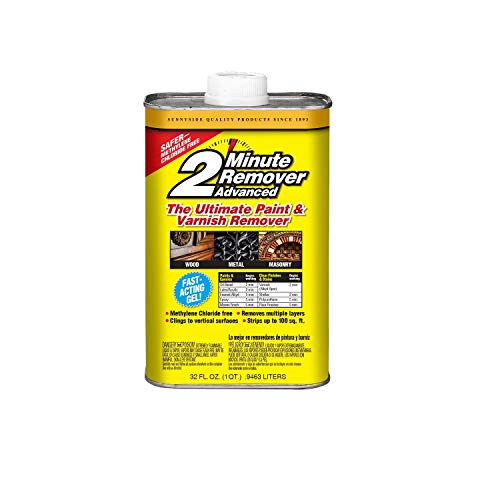
When choosing a chemical paint stripper for a car, look for an “aircraft” or “automotive” grade product, which is formulated for tough factory finishes. These are much stronger than typical hardware store paint removers. Modern urethane and epoxy paints require powerful chemicals.
There are three main types:
* Solvent-based: These are the most common and effective for automotive use. They work quickly (15-30 minutes) but produce strong VOC fumes. Modern formulas often use NMP (N-Methyl-2-pyrrolidone) as a safer alternative to the now-banned Methylene Chloride.
* Caustic: These are slower-acting but are good for breaking down very thick layers of paint. They have a high pH and can cause severe burns.
* Biochemical: These are the safest and most eco-friendly options, often made from soy or citrus. However, they are also the slowest, sometimes taking several hours to work.
For most car projects, a gel-based solvent stripper is the best choice. The gel consistency helps it cling to vertical surfaces like doors and fenders without running off.
Step 2: How Do You Apply the Chemical Paint Stripper?
Application technique is critical for success. Follow these steps precisely, and remember to wear all your PPE.
- Pour a generous amount of stripper into a metal can or tray.
- Using a cheap, natural-bristle brush (synthetics can dissolve), apply a thick, even layer of the stripper onto the panel. The coat should be about 1/8 to 1/4 inch thick.
- Lay it on, don’t brush it out. A common beginner mistake is to spread the stripper thin like paint. This allows the active chemicals to evaporate before they can work. Dab it on thickly and leave it alone.
- Work in small, manageable sections, about 2×2 feet at a time. This prevents the stripper from drying out before you can scrape it.
Step 3: How Do You Scrape the Paint?
After applying the stripper, wait for the specified time, typically 15-30 minutes. You will see the paint begin to bubble, wrinkle, and lift from the surface. This is the sign that it’s ready to be removed.
- Use a flexible plastic or metal putty knife to gently scrape the softened sludge off the panel.
- Push the sludge into a collection tray or cardboard box for proper disposal later.
- Use plastic scrapers on curved areas or delicate body lines to avoid gouging the bare metal.
- For stubborn spots, a second application may be necessary.
Step 4: How Do You Neutralize and Clean the Surface?
This is a crucial final step. Any chemical residue left on the metal will prevent the new primer and paint from adhering properly.
- After scraping, wipe the panel down with a rag soaked in water, denatured alcohol, or the specific neutralizer recommended by the stripper’s manufacturer.
- Use a clean scrub pad or scuffing pad (like Scotch-Brite) with the neutralizing solution to remove any final traces of paint or stripper from the metal.
- Dry the panel completely with clean, dry rags. The bare metal is now extremely vulnerable to flash rust, so you must apply an epoxy primer as soon as possible, ideally within a few hours.
FAQs About how to strip car paint
What is the fastest way to strip car paint?
The absolute fastest way to strip car paint is media blasting, which can strip an entire car in a few hours. However, this method is also the most expensive and typically requires professional service and equipment. For a DIY approach, chemical strippers are generally faster than mechanical sanding for large areas, but still require significant time for application, waiting, and scraping.
Can you strip car paint without sanding?
Yes, you can strip car paint without sanding by using chemical strippers or media blasting. Chemical strippers dissolve the paint, which is then scraped off, eliminating the fine dust created by sanding. Media blasting uses abrasive particles to remove paint without direct surface grinding. Both are effective alternatives if you want to avoid the labor and dust of sanding.
How much does it cost to strip car paint?
The cost to strip car paint varies dramatically by method, from under $100 for a DIY chemical or sanding project to over $2,000 for professional media blasting. DIY chemical stripping costs typically range from $50-$150 for strippers and supplies. Professional media blasting or chemical dipping for a full car usually starts around $1,000 and can go much higher depending on your location and the vehicle’s size.
Will vinegar strip car paint?
No, vinegar will not effectively strip modern automotive paint. While it is acidic and might dull the surface or affect very old, weak paint, it lacks the chemical power to break down the durable layers of primer, base coat, and clear coat used on cars. You need a dedicated automotive paint stripper for this job.
What grit sandpaper should I use to remove car paint?
To remove car paint with a sander, start with a coarse grit like 40 or 80-grit on a dual-action (DA) sander. This aggressive grit is necessary to cut through the multiple layers of paint efficiently. Once the paint is removed, you will need to feather the edges and smooth the metal with progressively finer grits, such as 180-grit and then 320-grit, before applying primer.
How do you strip paint off plastic car parts like bumpers?
Stripping paint from plastic requires a special “plastic-safe” chemical stripper and gentle scraping. Standard paint strippers can melt or damage the plastic. Alternatively, you can sand the paint off, but you must use fine-grit sandpaper (starting with 180-grit and moving to 320-grit) and be very careful not to generate too much heat, which can warp the plastic. Always test on a small, inconspicuous area first.
How do you dispose of car paint stripper and sludge?
You must treat used car paint stripper and the resulting paint sludge as hazardous waste. Never pour it down the drain or throw it in the regular trash. Collect all waste in a sealed, labeled metal container. Contact your local municipal waste authority or hazardous waste disposal facility to find out their specific procedures for drop-off and disposal.
Can I use a heat gun to remove car paint?
While a heat gun can soften paint, it is generally not an effective or recommended method for stripping an entire car. It is extremely slow, poses a significant fire risk, and can release toxic fumes as the paint burns. Heat guns are better suited for small, specific tasks, but chemical or mechanical methods are far superior for large-scale automotive work.
What do I do if I get paint stripper on my skin?
Immediately flush the affected skin with copious amounts of cool, running water for at least 15-20 minutes. Remove any contaminated clothing while rinsing. Do not apply any creams or lotions. Refer to the product’s Material Safety Data Sheet (MSDS) for specific first-aid instructions and seek medical attention if irritation, pain, or blistering occurs.
Will acetone or brake fluid strip car paint?
Yes, both acetone and brake fluid can soften and damage automotive paint, but they are not efficient or safe paint strippers. Acetone evaporates too quickly to be effective on large areas, and brake fluid can damage rubber and plastic parts and is difficult to clean up completely. It is always better to use a product specifically designed for automotive paint stripping.
Final Thoughts on Stripping Car Paint
Stripping car paint down to bare metal is a challenging but incredibly rewarding first step in any quality car restoration or repaint project. It’s a job that demands patience, attention to detail, and an unwavering commitment to safety. By understanding the different methods—chemical, mechanical, and media blasting—you can make an informed choice that fits your budget, skill set, and project goals.
Remember that meticulous preparation and a clean workspace are just as crucial as the stripping process itself. A professional-quality result is not born from speed, but from a methodical and careful approach. By prioritizing safety, following the steps outlined in this guide, and thoroughly cleaning and priming the bare metal afterward, you are setting the stage for a durable, long-lasting, and beautiful finish. You have the knowledge; now you can tackle the job with confidence.
Last update on 2026-03-04 / Affiliate links / Images from Amazon Product Advertising API


