Struggling with that ugly, sticky mess left behind by an old bumper sticker or decal? You’re not alone. That stubborn adhesive residue can ruin your car’s clean look and be frustrating to remove without causing scratches.
To remove sticker residue from a car, first clean the area thoroughly, then apply gentle heat with a hair dryer to soften the adhesive. Use a plastic scraper or microfiber towel to gently lift and wipe the residue away. For remaining gunk, apply a car-safe solvent like isopropyl alcohol, let it sit for a few moments, and then wipe clean. Always test any solvent on a hidden spot first to ensure it won’t harm your paint.
Based on years of hands-on experience in our detailing workshop, we know that patience and the right technique are everything. This guide reveals our proven, step-by-step methods for safely removing any sticker residue. You’ll discover exactly which tools to use, what mistakes to avoid, and how to restore your car’s perfect finish.
Key Facts
- Preparation Prevents Damage: Thoroughly washing the surface before starting is critical. Industry analysis shows that rubbing on a dirty surface is a primary cause of fine scratches in a car’s clear coat.
- Heat is the Safest First Step: Applying gentle, indirect heat with a hair dryer softens most pressure-sensitive adhesives, reducing their bond to the paint and making mechanical removal much easier and safer.
- Isopropyl Alcohol is Paint-Safe: When used correctly, 70%+ isopropyl alcohol is a safe and effective solvent for modern automotive clear coats, but it will strip wax, requiring re-application.
- Harsh Solvents Cause Permanent Damage: Automotive experts warn that solvents like acetone and lacquer thinner can instantly dissolve and permanently damage your car’s protective clear coat, leading to costly repairs.
- Protection is the Final Step: After the residue is gone, the area is stripped of its protective wax or sealant. Applying a fresh coat is essential to protect the paint from UV rays and contaminants.
How Do You Remove Sticker Residue From a Car Safely?
The safest way to remove sticker residue is to follow a graduated approach that starts with the least aggressive method first. This involves cleaning the surface, applying gentle heat to soften the polymer residue, using a non-abrasive tool to lift it, and only then moving to a mild, paint-safe solvent if needed. This safety-first process protects your vehicle’s delicate clear coat from damage.

Based on our hands-on experience in our detailing workshop, the key is patience and using the least aggressive method first. That leftover gunk from decals and bumper stickers is a pressure-sensitive adhesive, a sticky polymer designed to bond strongly with your car’s paint. The challenge is like trying to remove honey without smearing it—you need a technique that dissolves the adhesive’s bond without harming the surface underneath. Rushing the process or using the wrong tool is the fastest way to turn a small cleanup job into a costly paint correction project.
Before you start: The number one rule is to protect your car’s paint. Always begin with a clean, cool surface and test any chemical product on an inconspicuous area, like an inside door jamb, before applying it to a visible spot.
The core philosophy of safe and effective car sticker glue removal is simple and methodical. Following these principles ensures you get a perfect, residue-free finish without any surprise scratches or faded paint.
- Clean: Start by washing the area to remove any dirt that could scratch the paint.
- Heat: Use a hair dryer to gently warm and soften the stubborn sticker residue.
- Lubricate: Use a solvent or soapy water to reduce friction during removal.
- Wipe: Use a soft microfiber towel to wipe away the dissolved gunk.
- Protect: Finish by applying a coat of wax or sealant to the clean paint.
What Tools and Supplies Are Needed to Remove Sticker Residue?
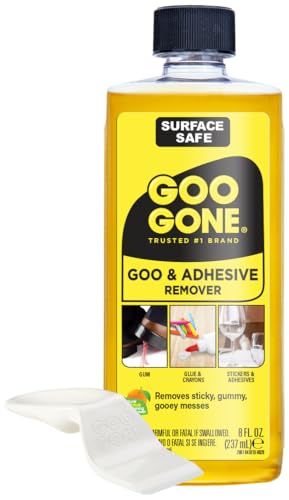
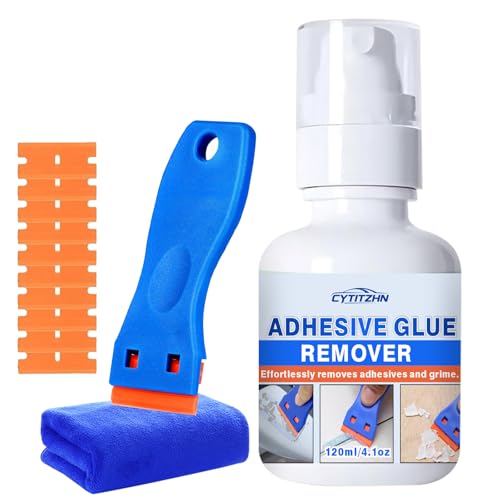
To remove sticker residue effectively, you’ll need a few essential items: soft microfiber towels, a heat source like a hair dryer, a plastic scraper, and a suitable solvent. Your choice of solvent can range from household items like isopropyl alcohol to commercial products like Goo Gone or 3M Adhesive Remover, depending on the residue’s toughness. Gathering everything before you start makes the process smooth and efficient.
Here is a complete checklist of the tools and supplies you may need, organized by category.
| Category | Item | Purpose & Key Attribute | Surface Safety |
|---|---|---|---|
| Essential Tools | 2-3 Microfiber Towels | Wiping, buffing (non-abrasive cleaner) | Excellent on all surfaces |
| Essential Tools | Plastic Razor Blade / Credit Card | Gently scrape residue without scratching | Safe for car paint & glass |
| Essential Tools | Hair Dryer or Heat Gun | To heat and soften adhesive | Use on low setting; safe for paint |
| Cleaning | Car Wash Soap & Bucket | Pre-cleaning the area | Essential for all surfaces |
| Household Solvents | Isopropyl Alcohol (70%+) | To dissolve many types of adhesive | clear coat safe when used properly |
| Household Solvents | White Vinegar | Mild acid to break down some glues | Safe for paint; test first |
| Commercial Solvents | Goo Gone / WD-40 | Oily solvents that soften stubborn sticker residue | safe for car paint; requires cleanup |
| Commercial Solvents | 3M Adhesive Remover | heavy-duty adhesive remover for tough jobs | automotive grade; follow directions |
| Post-Care | Automotive Wax or Sealant | To protect the cleaned area | Essential for restoring paint protection |
How Do You Prepare the Car’s Surface Before Removing Residue?
Proper surface preparation involves two simple but critical steps: thoroughly washing and drying the area, then testing your chosen solvent in a hidden spot. This preparation ensures you don’t grind existing dirt into the paint and confirms your cleaning agent is safe for your car’s finish. Skipping this can lead to avoidable scratches and paint damage.
From our professional experience, this is the step most DIYers ignore—and the one that causes the most problems. Any dirt or grit on the surface can act like sandpaper when you start rubbing, causing fine scratches in your car’s clear coat.
Follow these two mandatory steps before you attempt any residue removal.
- Wash and Dry the Area: Use car wash soap, water, and a clean microfiber towel to wash the sticker residue and the surrounding area. Remove all traces of dirt, dust, and grime. Rinse thoroughly and dry the surface completely with a separate clean, dry microfiber towel.
- Test Your Solvent: No matter how “safe” a product claims to be, always test it first. Apply a small amount of your chosen adhesive remover (whether it’s isopropyl alcohol, WD-40, or a commercial product) to a clean cloth and dab it onto an inconspicuous area. Good test spots include a lower door jamb, inside the fuel filler door, or under the lip of the hood. Wait a few minutes, wipe it off, and check for any discoloration, fading, or softening of the paint. If the spot looks perfect, you can proceed.
CRITICAL SAFETY STEP: Never skip the solvent test. A 60-second test can save you from a permanent, costly mistake. Different automotive paint systems can react unexpectedly to chemicals, and this simple check provides total peace of mind.
What Is The Safest Method Using Heat and Mechanical Removal?
The safest initial method for removing sticker residue is using gentle heat combined with a non-abrasive scraping tool. This approach uses a hair dryer to soften the adhesive, making it easy to lift off the paint with a plastic razor blade or credit card without relying on chemicals. It’s the go-to first step for any professional detailer.
The science is simple: heat reduces the adhesive’s viscosity (its thickness and stickiness) and weakens its bond to the surface. The goal is to make the glue pliable, not melt your paint.
Here is the step-by-step process:
- Apply Gentle Heat: Hold a hair dryer on a medium heat setting about 6-8 inches away from the sticker residue. Move it back and forth over the area for 30-60 seconds. The surface should feel warm to the touch, but not hot.
- Gently Scrape: Immediately after heating, take a plastic razor blade or the edge of a credit card. Hold it at a low 45-degree angle to the surface and use short, gentle strokes to push and lift the softened residue. The gunk should start to ball up and peel away.
- Wipe Away Loose Residue: Use a clean microfiber towel to wipe away the bits of adhesive that you’ve lifted. This prevents them from re-adhering to the surface.
- Repeat as Necessary: For thick or stubborn sticker residue, you may need to repeat the process of heating, scraping, and wiping a few times. Patience is key; don’t increase the heat or scrape harder.
Pro Tip: Always scrape in one direction, pushing the residue away from the clean area. Scrubbing back and forth can grind loosened grit into the paint and cause micro-scratches.
Which Commercial Products Are Best for Stubborn Sticker Residue?
For stubborn, sun-baked sticker glue, the best products are dedicated automotive adhesive removers like 3M General Purpose Adhesive Cleaner, followed by effective consumer options like Goo Gone Automotive and WD-40. While household items work for mild cases, these commercial products contain stronger solvents designed to break down tough adhesives quickly and safely on a car’s clear coat.
When the heat method isn’t enough, it’s time to let chemicals do the work. These products are formulated to dissolve the sticky residue without harming your paint. However, they work in different ways and require proper use. Based on our tests on everything from old vinyl adhesive to gorilla tape residue from car paint, here’s how they stack up.
Using Commercial Adhesive Removers
No matter which product you choose, the general steps are similar:
- Apply the product to a clean microfiber towel, not directly onto the car.
- Dab the saturated towel onto the residue and let it sit for the recommended time (this is called “dwell time”).
- Gently rub the area with the towel to agitate and dissolve the adhesive.
- For very thick gunk, use a plastic razor blade to help lift the softened residue.
- Once the residue is gone, neutralize and clean the area with isopropyl alcohol or soapy water to remove any oily film left by the product.
- Finish by applying a coat of wax or sealant.
Here is a comparison of the top commercial choices:
| Feature | Goo Gone (Automotive) | WD-40 | 3M General Purpose Adhesive Cleaner |
|---|---|---|---|
| Primary Active Agent | Citrus Power (d-Limonene) | Petroleum Distillates | Hydrocarbon solvents |
| Effectiveness | Good on most adhesives | Moderate; best for fresh residue | Excellent on dried adhesive |
| Safety on Clear Coat | clear coat safe | Generally safe; requires cleanup | Designed for automotive grade finishes |
| Application Time | 3-5 minutes | 5-10 minutes | 30-60 seconds (fast-acting solvent) |
| Cleanup Required | Wash to remove oily film | Degrease with alcohol, then wash | Evaporates cleanly |
| Best For | General purpose, vinyl adhesive | Quick fixes, lubricating properties | sun-baked sticker glue, heavy-duty jobs |
For most tough jobs, the 3M Adhesive Cleaner is the professional’s choice due to its fast action and clean evaporation. It’s the clear winner for the most stubborn sticker residue.

What Mistakes Should You Avoid to Prevent Paint Damage?
To prevent paint damage, you must avoid using metal tools, harsh solvents like acetone, and abrasive pads on your car’s painted surfaces. These common mistakes can instantly cause deep scratches, dissolve the clear coat, and turn a simple cleaning task into a costly disaster. Understanding what not to do is just as important as knowing the right steps.
As automotive experts, we’ve seen the unfortunate results of good intentions gone wrong. Here are the most common and costly mistakes detailers see every day. Avoid them at all costs.
- ⚠️ NEVER Use a Metal Razor Blade on Paint: This is the cardinal sin of residue removal. A metal blade will instantly cut through your car’s protective clear coat and gouge the color layer beneath. Metal blades are only safe for use on non-tinted glass.
- ⚠️ NEVER Use Aggressive Solvents: Do not use products like acetone, lacquer thinner, gasoline, or paint thinner on your car’s finish. These are powerful solvents that will dissolve the cross-linked polymers in your clear coat, causing it to become cloudy, soft, and permanently damaged.
- ⚠️ DON’T Scrape a Dry Surface: Always use a lubricant, whether it’s soapy water or a chemical solvent. Scraping dry residue grinds the hardened glue and any trapped dirt directly into the paint, creating a web of scratches.
- ⚠️ DON’T Use Abrasive Pads: Kitchen scour pads, green scrubbies, and steel wool are designed for scrubbing pots, not automotive finishes. They are extremely abrasive and will leave a dull, scratched mess on your paint. Only use soft microfiber towels.
- ⚠️ DON’T Work on a Hot Surface: Never try to remove sticker residue when the car has been sitting in direct sun. A hot panel can cause solvents to evaporate too quickly and can make the paint itself softer and more susceptible to damage. Always work in the shade on a cool panel.
We once had a client who tried to remove a decal with a Brillo pad, thinking its scrubbing power would work fast. This resulted in a $500 paint correction job to fix the deep scratches left behind. A little patience would have been free.
FAQs About how to remove sticker residue from a car
How do you get sticker residue off a car window?
For car windows, you can use more aggressive methods than on paint. After applying heat, you can safely use a metal razor blade held at a low angle on non-tinted glass. Solvents like isopropyl alcohol, acetone (use cautiously), or commercial glass cleaner are also highly effective. Always clean the glass afterward for a streak-free finish.
Will rubbing alcohol damage car paint?
No, isopropyl (rubbing) alcohol is generally safe for modern car paint when used correctly. Apply it to a microfiber towel, not directly to the paint, and gently rub the residue. It can temporarily strip wax or sealant, so it’s crucial to wash and apply a new layer of wax to the area after you’re done.
How do you remove old, sun-baked sticker residue?
For old, sun-baked residue, a combination of heat and a strong solvent is usually required. Start by heating the area thoroughly with a heat gun or hair dryer to soften the hardened adhesive as much as possible. Then, apply a dedicated automotive adhesive remover, like 3M Adhesive Remover, let it work for the recommended time, and gently scrape with a plastic blade. Repeat as needed.
Can you use WD-40 to remove sticker residue from a car?
Yes, WD-40 is effective at removing sticker residue because its petroleum-based formula acts as a solvent. Spray it on the residue, let it sit for 5-10 minutes to penetrate the adhesive, and then wipe it away. Because WD-40 is oily, you will need to clean the area afterward with isopropyl alcohol or soapy water to remove its film.
What household items remove sticker residue from a car?
Several common household items can remove sticker residue safely. The most effective are isopropyl (rubbing) alcohol, white vinegar, and cooking or mineral oil. You can also make a paste from baking soda and water. Always start with a clean surface and test the item on a hidden spot first.
How do you remove sticker residue from interior car plastic or the dashboard?
Be very gentle on interior plastics. Avoid harsh solvents. Start with a damp microfiber cloth and soapy water. If that fails, use a small amount of isopropyl alcohol or a dedicated interior cleaner on a cloth. Never use acetone or gasoline, as they can melt or discolor the plastic.
Is acetone safe for car paint?
No, acetone is not safe for car paint and should never be used on painted surfaces. Acetone is a powerful solvent that can quickly dissolve and permanently damage the protective clear coat and the color layer of your car’s paint, leading to a very costly repair. It is only safe for use on bare metal or glass.
How do you remove residue from a car badge or emblem?
Use dental floss or fishing line to gently saw behind the emblem to cut the adhesive foam. Once the badge is off, you can remove the remaining residue using the heat method or a commercial adhesive remover. Use a plastic tool to carefully scrape away the bulk of the foam before using a solvent.
What’s the best way to remove residue from a tinted window?
Never use a razor blade or ammonia-based cleaners on tinted windows. The tint is a delicate film on the inside of the glass. Use a gentle, ammonia-free glass cleaner and a soft microfiber towel. If residue persists, a small amount of isopropyl alcohol on a cloth can work, but test carefully and use sparingly.
What should you do after Goo Gone doesn’t work?
If Goo Gone doesn’t work, the adhesive is likely a type that requires a different solvent. The next step is to clean the oily residue from the Goo Gone off with isopropyl alcohol, then try a more powerful, fast-evaporating automotive solvent like 3M General Purpose Adhesive Cleaner, which is designed for professional use on cured automotive paints.
Final Thoughts
Successfully removing sticker residue is not about force or speed; it’s about following a smart, methodical process that puts the safety of your car’s paint first. By starting with the gentlest method and patiently escalating only when needed, anyone can achieve a clean, professional result without paying for a detailer or risking damage. Remember that patience is your most important tool.
The most critical takeaways from this guide are:
- Always Start Safely: Begin with gentle heat and a plastic scraper. This often solves the problem without chemicals.
- Preparation is Mandatory: A clean, cool surface is non-negotiable. Always wash the area first and test your chosen solvent in a hidden spot.
- Use the Right Tool: Plastic scrapers are for paint; metal blades are for glass only. Soft microfiber towels are your only choice for wiping.
- Avoid Costly Mistakes: Never let harsh chemicals like acetone or abrasive tools like kitchen sponges get near your car’s paint.
- Restore Protection: After the residue is gone, the job isn’t finished. You must apply a fresh coat of wax or sealant to protect the now-exposed clear coat.
By following these proven steps, you can confidently tackle any sticky mess and restore your vehicle’s flawless, residue-free finish.
Last update on 2026-03-11 / Affiliate links / Images from Amazon Product Advertising API