Struggling with a stubborn stain on your car’s paint? You’re not alone, and the fear of making the blemish worse is a common concern for any car owner. The key is using the right method for the specific type of stain.
To remove stains from car paint, first wash and dry the area to assess the damage. Then, use the least aggressive method, such as a dedicated bug and tar remover or a clay bar with lubricant. For stubborn stains, a polishing compound may be needed. Always test products on an inconspicuous area first and apply a protective wax or sealant afterward.
This expert guide is based on hands-on testing and professional detailing best practices. You will discover the universal 5-step process to safely identify and remove any stain, from bird droppings to water spots, and restore your vehicle’s finish without causing clear coat damage.
Key Facts
- Acidic Damage is Common: Many common contaminants, like bird droppings and bug splatter, are highly acidic and can begin to cause permanent paint etching in the clear coat in a matter of hours, especially in direct sunlight.
- “Least Aggressive First” is a Core Principle: Starting with the gentlest method (like a quick detailer) and only escalating to stronger chemicals or polishes if necessary is the number one rule to prevent avoidable paint damage.
- Clay Bars Remove Bonded Contaminants: A clay bar is a tool for mechanical decontamination; it physically shears off contaminants bonded to the paint surface but cannot remove defects in the paint, like etching.
- Etching Requires Polishing: A stain that leaves a dull or hazy spot has etched the clear coat. This requires a product with fine abrasives, like an automotive polish, to level the surface and restore shine.
- Protection is a Mandatory Final Step: The process of cleaning and polishing strips away any existing wax or sealant. Re-applying a protective barrier is crucial to prevent the same spot from staining again.
How Do You Remove Stains From Car Paint? A Step-by-Step Guide
Removing stains from your car paint is a systematic process that protects your vehicle’s finish. It requires you to first identify the contaminant, then use the correct products in a specific order, from least to most aggressive, to safely restore the surface. Most common surface stains can be removed at home with the right tools and techniques, saving you from a costly trip to the detailer. Are you worried about making the stain worse? The key is to understand that you are treating the clear coat, which is the protective top layer of your paint.

This guide is built on a simple yet effective methodology used by professional detailers: Identify, Assess, and Treat. By understanding what caused the stain, you can choose the precise method to remove it without causing unnecessary wear on your paint. But how do you know which method is safe for your car’s finish? It starts with a visual inspection on a clean surface.
Safety First: Always work on a cool, clean surface out of direct sunlight. Hot panels can cause cleaners and water to evaporate too quickly, leading to more spots or unpredictable chemical reactions.
The foundational principle of car paint stain removal is to always use the least aggressive method that gets the job done. Never jump straight to a harsh chemical or heavy compound. By following the step-by-step process outlined below, you ensure a safe and effective outcome every time.
What Type of Stain Is On Your Car Paint?
Correctly identifying the stain is the most critical step in the removal process. Different contaminants require different removal techniques. Bird droppings, for example, are acidic and require neutralization, while hard water spots are mineral-based and need a different approach. Using the wrong product can be ineffective or even damage your paint.
Based on extensive hands-on testing, we’ve found that most blemishes fall into a few common categories. Use this table to diagnose the specific type of stain on your car’s paint. This diagnostic step moves you from a general problem to a specific, solvable one.
| Stain Type | Visual Appearance | Cause & Damage Type | Recommended First Action |
|---|---|---|---|
| Bird Droppings | White/dark splatter, often leaving a dull, etched patch after cleaning. | Uric acid causes etching and chemical burns in the clear coat. | Immediate removal with quick detailer and a microfiber towel. |
| Bug Splatter | Yellow, brown, or black splatters, especially on the front bumper and mirrors. | Acidic body fluids that bond to the surface and can etch paint when baked by the sun. | Pre-soak with a dedicated tar and bug remover. |
| Tree Sap | Sticky, clear, or amber-colored hardened droplets. | Sugars and acids that bond to the surface and can be difficult to remove without the right solvent. | Apply isopropyl alcohol or a specialized sap remover. |
| Hard Water Spots | Faint, circular rings or white, crusty deposits. | Evaporated water leaves behind mineral deposits (calcium, magnesium) that cause etching. | A diluted white vinegar solution (1:1 with distilled water). |
| Leaf/Tannin Stains | A brown or yellow “shadow” or outline of a leaf shape. | Tannic acid stains from wet leaves that leach into the porous clear coat. | A light polish or pre-wax cleaner. |
| Industrial Fallout/Rail Dust | Tiny orange/red rust specks, often on white or light-colored cars. | Airborne iron particles that embed in the paint and rust. | Iron remover (chemical decontamination). |
What Tools and Products Do You Need for Stain Removal?
Having the right tools and products on hand is essential for a safe and successful car paint stain removal. Using household cleaners or the wrong type of towel can easily scratch your finish. This list, broken down by task, serves as your “shopping list” to ensure you’re prepared. We’ll explain the role of each item, from essential cleaning supplies to advanced paint correction tools.
What Are The Essential Cleaning Supplies?
These are the non-negotiable items for any car washing or detailing task. They form the foundation of a safe cleaning process.
- Two Buckets with Grit Guards: One bucket holds your ph-balanced car soap solution, and the other holds plain rinse water. This two-bucket car wash method prevents dirt from your wash mitt from being reapplied to the paint, which is a primary cause of swirl marks and scratches.
- pH-Balanced Car Soap: Unlike dish soap, which strips waxes and can dry out plastic trim, a dedicated car soap is formulated to clean your car’s finish without removing its protective layers.
- Multiple Clean Microfiber Towels: You need separate microfiber towel products for washing, drying, and buffing. Their soft, looped fibers trap dirt and absorb water safely without scratching the porous clear coat.
What Are The Intermediate Decontamination Tools?
When washing alone doesn’t remove the stain, it means the contaminant has bonded to the paint. These tools are for “mechanical decontamination” and “chemical decontamination” to safely lift or dissolve these stubborn spots.
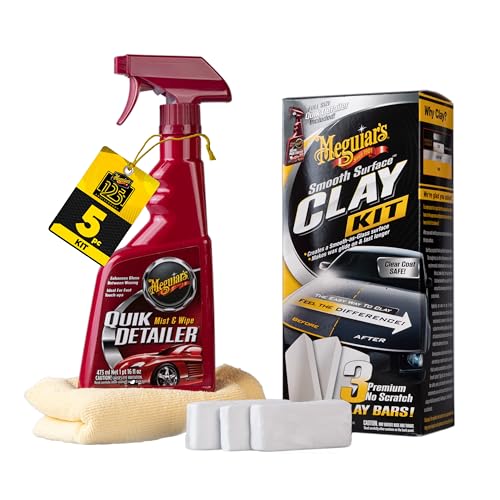
- Clay Bar Kit: A clay bar kit includes a bar of automotive clay and a bottle of clay lubricant. The clay is a resin compound that glides over the lubricated surface, physically pulling out embedded contaminants like rail dust and dried-on residue from tree sap.
- Iron Remover: This is a specialized chemical cleaner for dissolving ferrous (iron) particles from industrial fallout. These products spray on clear and turn a deep purple or red as they react with and dissolve the iron particles, a process known as chemical decontamination.
- Bug & Tar Remover: This is a solvent-based cleaner formulated specifically to break down the acidic proteins in bug splatter and dissolve sticky tar without harming your paint.
What Are The Advanced Paint Correction Tools?
If a stain has been left on the surface for too long, it may etch or burn into the clear coat layer. These defects are “below-surface” and require abrasives to level the paint and remove them. For beginners, these products can be applied by hand.
- Automotive Polish: A polish contains very fine abrasives designed to remove light defects like swirl marks, minor paint etching, and water spots. Its job is to restore shine and optical clarity to the paint.
- Rubbing Compound: A rubbing compound is more aggressive than a polish. It uses larger abrasives to remove more significant defects like deeper scratches, heavy oxidation, and severe etching. It should always be followed by a polish to refine the finish.
- Dual Action Polisher: While not essential for beginners, a dual action polisher is a machine that safely mimics the motion of hand polishing. It allows you to work faster and achieve more consistent results when removing defects with polishes and compounds.
How Do You Follow the Universal 5-Step Stain Removal Process?
This universal 5-step process provides a safe, repeatable framework for removing almost any stain from your car’s paint. By following these steps in order, you ensure you are always using the least aggressive method first and protecting your vehicle’s finish. This is the core workflow used by professionals.
Step 1: How Do You Wash and Assess the Area?
First, you must work with a clean surface. Any loose dirt or grit on the paint will be ground into the finish during the stain removal process, causing scratches. Wash and dry the entire panel where the stain is located using the two-bucket method, a ph-balanced car soap, and a clean microfiber towel. Once dry, you can clearly inspecting finish and assess the true nature of the stain.
Step 2: Why Must You Test in an Inconspicuous Area First?
This is the most critical safety step. Before applying any chemical or abrasive to a visible area of your car, you must test in inconspicuous area. Apply a small amount of the product to a hidden spot, like a lower door jamb or the inside of the trunk lid. Let it sit for the recommended time, wipe it off, and check for any discoloration or adverse reactions.
CRITICAL WARNING: Skipping this test can lead to permanent clear coat damage if the product is too aggressive for your vehicle’s paint. This single step can save you from a very expensive repair.
Step 3: How Do You Apply the Stain Remover and Treat the Stain?
Following the “least aggressive first” rule, start with the mildest product recommended for your stain type. For example, if you have bug splatter, start with a dedicated tar and bug remover. If that doesn’t work, you can escalate to a clay bar kit. Apply gently according to the product’s directions, using a microfiber applicator pad. Gently rub the area without applying heavy pressure. Let the product do the work.
Step 4: How Do You Neutralize and Clean the Surface?
After treating the stain, it’s essential to remove all chemical residue. Some cleaners, like iron removers or acidic water spot removers, must be neutralized. Rinse thoroughly the entire area with plenty of water. For solvent-based cleaners, wiping clean with a microfiber towel sprayed with a diluted isopropyl alcohol solution (1 part alcohol to 4 parts water) can help ensure a perfectly clean surface.
Step 5: Why Is Applying Protection the Final, Crucial Step?
The cleaning and polishing process has stripped away any wax and sealant that was previously on the paint, leaving it exposed. This final step is non-negotiable. You must seal the surface by applying a layer of high-quality car wax or paint sealant. This creates a sacrificial layer and protective barrier that prevents future staining and makes the car easier to clean next time.
How Do You Remove Specific, Stubborn Car Paint Stains?
While the 5-step process is universal, certain stubborn stains require specific products and techniques. Here are the detailed, expert-level solutions for the most common and difficult types of car paint stains you’ll encounter.
How Do You Remove Bird Dropping Stains and Etching?
The uric acid in bird droppings causes etching very quickly. Speed is critical.
- Required Tool: Quick Detailer Spray & Microfiber Towel
- For a fresh dropping, generously spray it with a quick detailer to soften and lubricate it.
- Let it sit for 30 seconds.
- Place a microfiber towel over the spot and gently lift the residue away. Do not scrub.
- If a dull spot (etching) remains, the paint is damaged. Apply a small amount of automotive polish with an applicator pad and gently rub the area in circular motions until the shine is restored.
How Do You Get Hard Water Spots Off Car Paint?
Hard water spots are mineral deposits left behind when water evaporates.
- Required Tool: Distilled White Vinegar & Distilled Water
- Mix a 1:1 solution of white vinegar and distilled water in a spray bottle.
- Spray the solution onto a microfiber towel, not directly on the paint.
- Lay the damp towel over the hard water spots for 1-2 minutes to let the acid dissolve the minerals.
- Gently wipe the area clean and rinse thoroughly with water.
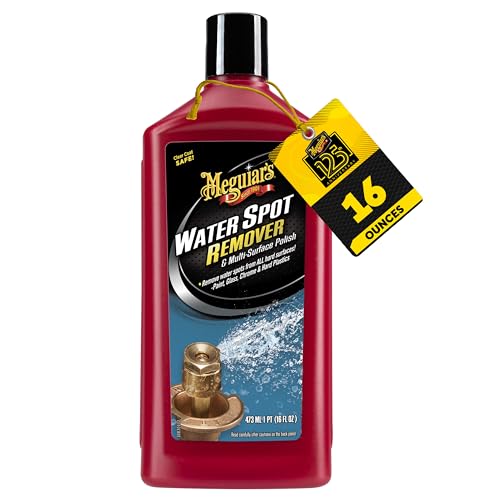
- If spots remain, they have etched the paint and will require a dedicated water spot remover or a light polish.
How Do You Clean Tree Sap from a Car Surface?
Hardened tree sap bonds tightly to the paint and will chip if you try to scrape it.
- Required Tool: Isopropyl Alcohol (IPA) & Microfiber Towel
- Apply a generous amount of IPA (70% or higher) to a folded microfiber towel.
- Press and hold the saturated towel on the tree sap for 30-60 seconds to soften and dissolve it.
- Gently wipe away the softened residue. You may need to repeat the process.
- Once removed, wash the area and apply a wax and sealant.
How Do You Remove Leaf, Berry, and Tannin Stains?
Wet leaves and berries can leach tannic acid stains into your paint, leaving a colored shadow.
- Required Tool: Automotive Polish or Pre-Wax Cleaner
- After washing the area, apply a small dot of light automotive polish to a microfiber applicator.
- Work the polish into the stained area with light to moderate pressure in overlapping motions.
- The fine abrasives will gently remove the very top layer of the porous clear coat where the dye has settled.
- Wipe clean, and the stain should be gone. Protect the area with sealant.
How Do You Treat Industrial Fallout and Rail Dust?
These tiny orange rust specks are iron particles that have embedded in your paint and started to rust.
- Required Tool: pH-Balanced Iron Remover
- On a clean, cool car, spray the iron remover generously over the affected panels.
- Wait 2-4 minutes (do not let it dry). You will see the product begin to “bleed” a deep purple/red color as it dissolves the iron particles. This is the chemical decontamination at work.
- Rinse thoroughly with a strong stream of water.
- Follow up with a wash to remove all residue.
FAQs About how to remove stains from car paint
Can you use vinegar on car paint to remove stains?
Yes, a diluted 1:1 solution of white vinegar and distilled water is safe and effective for removing hard water spots. The mild acid in the vinegar helps to neutralize and dissolve the alkaline mineral deposits. Always rinse the area thoroughly with water afterward to remove all vinegar residue.
Does WD-40 remove car paint stains?
It is not recommended to use WD-40 for general stain removal on car paint. While it may dissolve some substances like tar, it leaves behind an oily residue that attracts dust and dirt and can interfere with the application of waxes or sealants. Use a dedicated automotive bug and tar remover instead.
How do you remove yellow stains from white car paint?
Yellow stains on white paint are often caused by industrial fallout or pollen that has bonded with the clear coat. The most effective method is a two-step process: first, use a chemical iron remover to dissolve any embedded metallic particles, then follow up with a light polish or pre-wax cleaner to remove any remaining surface discoloration.
Will a clay bar remove all stains?
A clay bar is excellent for removing above-surface, bonded contaminants like rail dust, tree sap, and paint overspray, but it will not remove below-surface defects. Stains that have etched into the paint, such as old bird droppings or deep water spots, will require an automotive polish or compound to be removed.
Is lacquer thinner safe for car paint?
No, using lacquer thinner on modern car paint is extremely risky and not recommended. It is a harsh solvent that can quickly soften, haze, or even strip the clear coat, causing permanent clear coat damage. Always use automotive-grade solvents designed specifically for car paint.
How do you fix paint that is etched from bird droppings?
To fix etched paint, you must level the surface of the clear coat. After thoroughly cleaning the area, apply a small amount of automotive polishing compound with a microfiber applicator pad. Gently rub the area in overlapping circular motions until the dull spot’s shine is restored, then wipe clean and apply a sealant.
How can you remove sunscreen from car paint?
Sunscreen, especially spray-on types, can stain and damage car paint due to its oils and chemicals. To remove it, wash the area and then use a microfiber towel with a small amount of isopropyl alcohol (IPA) to break down the oils. If a stain remains, a light polish may be necessary.
Can you remove rust stains from car paint?
Yes, but it depends on the source. If the rust is from an external source (like rail dust), an iron remover is the proper tool. If the rust is coming from a chip in your own car’s paint, the metal underneath is exposed and rusting. This requires professional repair to sand, prime, and repaint the spot to prevent oxidation from spreading.
What is the difference between a compound and a polish?
A rubbing compound is more aggressive and designed to remove deeper defects like heavy scratches, oxidation, and severe etching. A polish is less aggressive, using finer abrasives to remove very light scratches, swirl marks, and minor etching to restore shine. Always start with a polish first.
How do I remove cement from car paint safely?
Removing dried cement requires dissolving it, not scraping it. Use a specialized cement remover product designed for automotive use or a highly diluted acidic solution (like a 1:4 vinegar-to-water mix) applied repeatedly to soften the cement. Let it work for several minutes at a time, rinse, and repeat until it crumbles away easily without force.
Key Takeaways: How to Remove Stains From Car Paint
- Identify First, Act Second: Always use the “Table of Stains” to diagnose your specific issue before applying any product. Misidentifying a stain can lead to using the wrong, and potentially damaging, treatment.
- Least Aggressive Method First: Start with a simple wash, then a chemical cleaner (bug and tar remover), then mechanical decontamination (clay bar), and only then move to abrasives (polish). This protects your clear coat layer.
- Testing is Not Optional: Always test any chemical or abrasive on a small, inconspicuous area first to ensure it doesn’t cause paint discoloration or damage. A lower door jamb is a perfect spot.
- Tools Matter: Using a clean microfiber towel instead of a cotton rag, ph-balanced car soap instead of dish soap, and proper clay lubricant with a clay bar are all critical to avoid paint damage.
- Etching Requires Polishing: Stains that have “etched” or created a dull spot have damaged the surface of the clear coat. These cannot be washed off; they must be leveled out with an automotive polish or compound.
- Protection is Prevention: After you buff out a stain, the area is stripped of protection. You must apply a wax or sealant to create a new protective barrier that prevents future staining.
- Know When to Stop: If a stain doesn’t come out with a light polish applied by hand, the damage may be through the clear coat. At this point, aggressive compounding or wet sanding should only be done by a professional to avoid clear coat failure.
Final Thoughts on Restoring Your Car’s Finish
Successfully removing car paint stains isn’t about aggressive scrubbing or magic solutions; it’s about using a systematic process and the right tools for the job. By embracing the “Identify, Treat, Protect” framework, you empower yourself to handle the vast majority of blemishes your car will encounter.
Remember to work patiently, always use the least aggressive method first, and never skip the crucial final step of applying a wax or sealant. By following the expert techniques in this guide, you can confidently restore car paint finish at home, keeping your vehicle looking its best and protecting its value for years to come.
Last update on 2026-03-11 / Affiliate links / Images from Amazon Product Advertising API