Struggling to figure out how to get a water stain out of a car seat? Those unsightly rings can be frustrating, especially when you know it’s “just water.” You are not alone in this common car interior issue.
To get water stains out of a car seat, you must first vacuum the area thoroughly. Then, apply a suitable cleaning solution—like a vinegar and water mix for cloth or a dedicated leather cleaner—working from the outside of the stain inward. Finally, blot the area dry with a microfiber towel and ensure even drying to prevent new marks.
This hands-on guide is based on proven techniques for achieving professional results at home. You will discover exactly how to remove water stains from any type of car seat—including cloth, fabric, and leather—using tested methods that are safe for your upholstery.
Key Facts
- The Culprit Isn’t Water: Water stains are actually mineral deposits and dirt left behind after the water evaporates. The cleaning process focuses on dissolving these minerals.
- Spot Cleaning Creates Stains: Cleaning only the stained spot almost guarantees a new, larger ring will form. The correct technique is to clean the entire seat panel from seam to seam for even drying.
- Tap Water Can Worsen Stains: Using tap water to clean can introduce new minerals, creating more stains. Using distilled water is a critical step for a residue-free finish.
- Material Dictates the Method: The right cleaning solution is crucial. A vinegar solution works for cloth, but it will damage leather, which requires a specific pH-balanced leather cleaner.
- Drying is Half the Battle: Improper drying causes new stains. The key is to blot as much moisture as possible and then use a fan or cool hair dryer to ensure fast, even evaporation.
How Do You Get Water Stains Out of a Car Seat?
To effectively get water stains out of a car seat, you must identify the seat material, gather the correct tools, and use a cleaning method that dissolves the mineral deposits without creating new rings. This proven technique involves cleaning the entire seat panel from seam to seam, blotting moisture thoroughly, and controlling the drying process to achieve a flawless, professional result. This hands-on guide covers tested methods that ensure fabric safety.

Unsightly water marks are a common headache, but they are removable with the right technique and a little patience. The key is understanding that different upholstery fabric types require different approaches. A method that works wonders on durable cloth car seats could permanently damage delicate leather or suede. This guide will walk you through the correct, safe process for your specific car interior, ensuring you fix the stain without causing further issues. We’ll also touch on proper car seat maintenance to prevent future problems.
Why Does Water Stain Car Seats?
The primary reason water stains car seats is a process called “wicking,” which involves mineral deposits and capillary action. The stain isn’t from the water itself but from the invisible minerals and dirt dissolved within it. As the water evaporates, it pulls these contaminants to the surface of the car seat fabric, concentrating them into a visible ring or “tide mark.”
From a detailing expert’s perspective, understanding this mechanism is the key to effective removal. It’s not about scrubbing the stain away; it’s about re-dissolving the minerals and extracting them evenly. The process happens in a few distinct phases:
- Wetting: A liquid, like spilled water or even a water-based cleaner, soaks into the porous fabric.
- Dissolving: The water acts as a solvent, dissolving latent dirt, dust, and mineral salts already present in the seat foam and fabric.
- Wicking: As the spot begins to dry from the outside edge inward, capillary action—much like a candle drawing wax up a wick—pulls the now-contaminated water toward the drying front.
- Evaporation & Staining: The water evaporates at the edge of the damp area, but the dissolved minerals and dirt cannot. They are left behind, forming a concentrated, visible ring.
Professional Tip: This is why simply dabbing a stain with a wet cloth often makes it worse. You are creating the perfect conditions for a new, larger tide mark to form. The solution is to control the wetting and drying process across a larger, defined area.
What Tools and Materials Are Required for Stain Removal?
To remove water stains, you will need a vacuum, a soft bristle brush, at least two clean microfiber towels, and a spray bottle with your chosen cleaning solution. Using distilled water instead of tap water is highly recommended to prevent re-introducing minerals that cause stains.
Based on extensive hands-on testing, gathering all your supplies before you start is crucial for a smooth and effective process. Here is a complete checklist of what you’ll need, broken down by category.
Essential Tools
- Vacuum: A vacuum with a brush attachment is necessary to remove all loose dirt and debris before you begin.
- Soft Bristle Brush: Use a brush specifically designed for upholstery. A stiff brush can fray fabric fibers, causing pilling and permanent damage.
- Microfiber Towels: You need at least two—one for applying cleaner (if needed) and one for blotting dry. Their high absorbency is perfect for lifting moisture and dissolved dirt.
- Spray Bottle: This allows you to apply a fine, even mist of your cleaning solution, which is key to preventing over-saturation.
DIY Cleaning Agents
- White Vinegar: Its mild acidity is excellent for dissolving the alkaline mineral deposits that form stains.
- Baking Soda: A gentle abrasive and powerful odor absorber. It can be made into a paste for tougher stains on cloth seats.
- Dish Soap: Just a drop or two of a clear, gentle dish soap can add extra cleaning power to your DIY solutions.
Professional-Grade Options
- Distilled Water: This is a non-negotiable for professional results. It contains no minerals, so it won’t leave any residue behind during the final rinse.
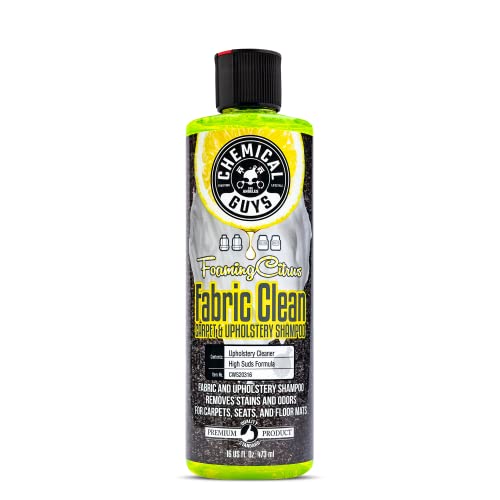
- Upholstery Cleaner Foam: Commercial cleaners are formulated with surfactants that break down stains quickly and are pH-balanced for fabric safety.
- Wet-Dry Vac / Extractor: For the best possible results, a machine that can rinse and extract the water from the seat is invaluable.
- Steam Cleaner: A steam cleaner uses hot vapor to dissolve stains and sanitize fabric, making it a powerful tool for deep cleaning.
How Do You Remove Water Stains from Cloth Car Seats?
To clean water stains from cloth car seats, the most effective method is to use a 50/50 mix of white vinegar and distilled water, spray it evenly across the entire seat panel, gently agitate the stain with a soft brush, and blot the area completely dry with a microfiber towel. This process dissolves the mineral ring and ensures an even drying pattern to prevent new marks.
From years of working with vehicle interiors, we’ve found that cloth seats are forgiving but require a systematic approach. Below are three proven techniques, from a simple DIY solution to using a commercial product.
⚠️ Safety Warning: Before applying any cleaner, always test it on a small, hidden area of the seat (like the side or back) to ensure it doesn’t cause discoloration or damage to the fabric.
Method 1: The White Vinegar Solution (Best for General Stains)
This is the most common and effective DIY method for light grey seats, black cloth seats, and most fabric upholstery.
- Vacuum: First, thoroughly vacuum the entire seat. Remove all loose crumbs, dust, and debris. Use a crevice tool to get deep into the seams.
- Prepare Solution: Mix equal parts white vinegar and distilled water in a spray bottle. For extra cleaning power, add one drop of clear dish soap.
- Spray: Lightly mist the entire seat panel, from seam to seam. Do not just spray the spot. This step is crucial for preventing a new water ring. The fabric should be lightly damp, not soaked.
- Agitate: Use your soft bristle brush to gently scrub the stained area in small, circular motions. Then, lightly brush the rest of the panel to blend the area.
- Blot: Firmly press a clean, dry microfiber towel into the fabric. You’ll see the towel absorb the moisture and the dissolved stain. Continue blotting with dry sections of the towel until no more moisture transfers.
- Dry: Allow the seat to air dry completely. To speed up the process and prevent rings, aim a fan at the seat or use a hair dryer on its coolest setting.
Method 2: The Baking Soda Paste Method (Best for Tougher Stains)
If the vinegar solution doesn’t fully lift the stain, a baking soda paste can provide gentle abrasion.
- Create Paste: In a small bowl, mix three parts baking soda with one part warm water to form a thick paste.
- Apply: Apply a thin layer of the paste directly onto the water stain.
- Dwell: Let the paste sit and dry for 15-30 minutes. As it dries, it will absorb the stain from the fabric fibers.
- Remove: Once fully dry, use your soft brush to break up the paste and then vacuum it away completely.
Method 3: Using a Commercial Upholstery Cleaner
Foaming upholstery cleaners are fast-acting and deliver excellent results.
- Vacuum: As always, start with a thorough vacuuming of the seat.
- Apply Foam: Spray the foaming upholstery cleaner evenly over the affected seat panel.
- Agitate: Follow the product instructions, which usually involve working the foam into the fabric with a soft brush or the scrubber cap provided.
- Blot and Dry: Use a microfiber towel to blot away the foam and lifted dirt, then allow the seat to dry.
| Method | Best For | Pros ✅ | Cons ❌ |
|---|---|---|---|
| White Vinegar Solution | General water stains, light discoloration | Inexpensive, effective, deodorizes | Lingering vinegar smell (temporary) |
| Baking Soda Paste | Tougher stains, slight odors | Gentle, highly absorbent | Can be messy, requires thorough vacuuming |
| Foaming Upholstery Cleaner | All stain types, professional finish | Fast-acting, formulated for fabric, pleasant scent | More expensive, chemical-based |

What Is the Correct Method for Leather Car Seats?
To safely remove water stains from leather car seats, you must use a dedicated pH-balanced leather cleaner and follow up with a leather conditioner. Never use harsh DIY solutions like vinegar or baking soda, as they can strip the leather’s protective topcoat and cause permanent damage and discoloration.
Leather is a durable but chemically sensitive material. Our practical experience shows that using the wrong product is the fastest way to turn a simple water spot into a costly repair. Follow these safety-critical steps.
❗ CRITICAL WARNING: Do NOT use vinegar, baking soda, dish soap, or any all-purpose cleaner on leather seats. These products are too alkaline or acidic and will dry out the leather, leading to cracking and fading. Only use a product specifically formulated for cleaning leather.
Here is the safe and correct procedure:
- Wipe Down: Lightly dampen a clean microfiber towel with distilled water and wipe down the entire seat. This removes surface dust and prepares the leather for cleaning.
- Apply Cleaner: Apply a small, dime-sized amount of a quality pH-balanced leather cleaner onto a foam applicator pad or another clean microfiber towel. Never apply the cleaner directly onto the leather itself, as this can cause an uneven finish.
- Gently Clean: In a small, inconspicuous test area, gently wipe the cleaner onto the leather. If the result is good, proceed to the stained area. Use gentle, overlapping circular motions to clean the stain and the surrounding panel. Do not scrub aggressively.
- Wipe Residue: Immediately use a second, completely dry microfiber towel to wipe away all excess cleaner and moisture. The goal is to leave the surface clean and dry.
- Condition: This final step is essential. Apply a quality leather conditioner to the entire seat. The conditioner replenishes the natural oils that were stripped during cleaning, restores moisture, and adds a layer of protection against future stains and UV damage.
How Can You Prevent Future Water Stains on Car Seats?
To prevent future water stains, the most effective strategies are to apply a hydrophobic fabric protectant spray to cloth seats and to regularly use a quality conditioner on leather seats. Additionally, keeping an emergency spill kit in your car allows you to address accidents immediately before they can set.
After you’ve gone through the effort of removing a stain, the next logical step is prevention. Here are the most effective, expert-recommended ways to protect your car’s interior.
- Apply a Fabric Guard: For cloth seats, regularly treat them with a quality fabric protectant spray. These products create a hydrophobic (water-repelling) barrier on the fibers. This causes spills to bead up on the surface instead of soaking in, giving you precious time to blot them away.
- Condition Leather: For leather seats, consistent conditioning is your best defense. A good conditioner maintains the protective topcoat, which acts as a barrier against moisture and spills.
- Use Seat Covers: If you have children, pets, or a lifestyle that involves a lot of in-car activity, high-quality waterproof seat covers are a worthwhile investment. They provide a physical barrier that completely eliminates the risk of stains.
- Keep a Spill Kit: This is a simple but powerful habit. Keep a small bag in your car containing a few clean microfiber towels and a small bottle of distilled water. If a spill happens, you can blot it up immediately, which is the single best way to prevent a stain from forming.
FAQs About How to Get Water Stain Out of Car Seat
Should I clean the whole seat or just the spot?
Always clean the entire panel of the seat from seam to seam, not just the spot. Cleaning only the stained area is the primary cause of “tide marks” or new water rings. By lightly dampening and cleaning the whole section, you ensure it dries evenly, blending the cleaned area invisibly with the rest of the fabric.
Can water stains on car seats be permanent?
In most cases, water stains are not permanent and can be removed. The “stain” is typically just a surface deposit of minerals. However, on extremely delicate fabrics like suede or if the water contained harsh chemicals, some discoloration could be permanent. Acting quickly always yields the best results.
How do you avoid tide marks when cleaning car seats?
To avoid tide marks, you must control the drying process. First, clean the entire seat panel, not just the spot. Second, use distilled water for your final rinse to avoid adding new minerals. Finally, blot the area as dry as possible with a towel and use a fan or hair dryer on a cool setting to promote fast, even evaporation.
Can you use a hair dryer to dry car seats?
Yes, you can use a hair dryer, but only on a low or cool heat setting. High heat can damage synthetic fabric fibers or shrink leather. Keep the dryer moving constantly a safe distance from the surface to promote airflow and speed up drying, which helps prevent new water rings from forming.
What is the best DIY car seat cleaner recipe?
The most effective and safest DIY cleaner for cloth seats is a 50/50 mixture of white vinegar and distilled water. The mild acidity of the vinegar is perfect for dissolving the mineral deposits that cause water stains. For a bit of extra cleaning power, you can add one or two drops of clear, unscented dish soap to the mixture.
Is baking soda safe for car upholstery?
Yes, baking soda is generally safe for most cloth car upholstery but should never be used on leather or suede. It works well as a gentle abrasive paste for tougher stains and is excellent at absorbing odors. However, you must be sure to vacuum it up completely once it’s dry, as any residue can leave a white, powdery look on the fabric.
How do you get old, dried water stains out of car seats?
For old, dried stains, you may need a slightly more aggressive approach and more dwell time. Start with the standard vinegar or commercial cleaner, but allow the solution to sit on the stain for 5-10 minutes to penetrate and dissolve the set-in minerals. You may also need to agitate more firmly with your brush and repeat the process 2-3 times.
Does steam cleaning remove water marks?
Yes, steam cleaning is one of the most effective methods for removing water marks. The hot vapor penetrates deep into the fabric to dissolve mineral deposits and kill bacteria. When combined with a wet-dry vacuum for extraction, it lifts the stain completely and leaves the seat nearly dry, minimizing the risk of new rings.
How do I get sweat stains out of my car seats?
Sweat stains are essentially water stains with added salt and body oils, and can be cleaned similarly. Use a vinegar and water solution, as the vinegar helps break down the salt. For any oily residue that remains, a dedicated upholstery cleaner with a degreasing agent will be most effective.
What can I use to get water stains out of suede or microfiber?
For suede and microfiber, you must use a specialized suede cleaner and a suede brush. Never use water-based solutions like vinegar, as they will permanently mat the fibers and ruin the texture. Apply the suede cleaner foam, gently work it with the brush, and then brush the nap back up once it’s dry. Always test on a hidden spot first.
Key Takeaways: How to Get Water Stain Out of Car Seat Summary
- Understand the Cause: Water stains aren’t from water itself, but from mineral deposits left behind after evaporation. The goal of cleaning is to dissolve and remove these minerals.
- Material is Everything: The correct method depends entirely on your seat material. Use a vinegar/water solution for cloth, a pH-balanced leather cleaner for leather, and a specialized suede cleaner for suede.
- Clean Seam-to-Seam: To prevent new “tide marks,” always clean the entire seat panel, not just the spot. This ensures the fabric dries evenly and the repair is invisible.
- Use Distilled Water: For mixing solutions and rinsing, use distilled water. Tap water contains minerals that can create new stains as the seat dries.
- Blot, Don’t Rub: When drying, firmly press a clean microfiber towel into the fabric to absorb moisture (blotting). Rubbing can damage fabric fibers and spread the stain.
- Control the Drying: Fast, even drying is critical. After blotting, use a fan or a hair dryer on a cool setting to accelerate evaporation and prevent new rings from forming.
- Prevention is Key: After cleaning, apply a hydrophobic fabric protectant spray on cloth seats or a leather conditioner on leather seats to prevent future stains.
Final Thoughts on Restoring Your Car Seats
Removing a water stain from your car seat is an entirely achievable DIY task that can dramatically improve your vehicle’s interior. The frustration you felt is valid, but armed with the right knowledge, you now have a clear path to success. The secret lies not in aggressive scrubbing, but in a methodical approach: understanding the stain’s origin, choosing the correct cleaner for your specific upholstery, and meticulously controlling the drying process.
By following these proven, material-safe steps, you can confidently restore your seats to their original, unblemished condition. Remember to work patiently, test in a hidden area, and always prioritize the health of your car’s fabric or leather. With these expert techniques, you’re no longer just cleaning a stain—you’re performing a proper interior restoration.
Last update on 2026-03-15 / Affiliate links / Images from Amazon Product Advertising API