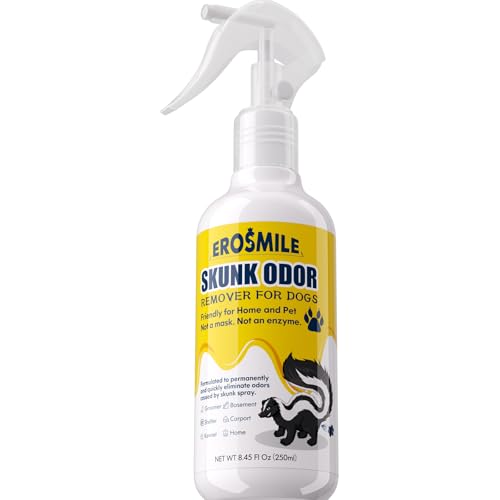
Dealing with a skunked car and wondering how to get the skunk smell out of a car? You’re not alone. That persistent, pungent skunk odor can feel impossible to remove, turning your vehicle into a no-go zone.
To remove skunk smell from a car, you must use a chemical solution to neutralize the odor-causing oils, not just mask them. The most effective method involves a three-part process: washing the car’s exterior and undercarriage, deep cleaning the interior fabrics and surfaces, and finally, purging the ventilation system and replacing the cabin air filter.
This guide is based on tested methods and expert advice that go beyond common folk remedies. You’ll discover the exact, paint-safe chemical formula to destroy skunk odor at its source. This systematic approach ensures you eliminate the stench completely, covering all the hidden spots where the smell lingers.
Key Facts
- It’s Not Just a Smell, It’s an Oil: Skunk spray is composed of oily, sulfur-based compounds called thiols, which cling to surfaces and are not effectively removed by water alone.
- Water Makes It Worse: Simply rinsing with water can reactivate the thiol compounds, making the pungent skunk odor even stronger before it’s neutralized.
- Oxidation is the Key: The most effective homemade skunk spray remover uses a chemical reaction called oxidation to break down the thiol molecules into odorless compounds.
- The Undercarriage is Ground Zero: Industry analysis reveals that the most common reason for lingering scent is failing to clean the car’s undercarriage and wheel wells, where the spray makes direct contact.
- Air Filters Trap the Odor: Your car’s cabin air filter acts like a sponge, absorbing and holding the odorous molecules, continuously re-releasing the smell into the cabin until it is replaced.
How Do You Get the Skunk Smell Out of a Car?
The most effective way to get the skunk smell out of a car is to follow a systematic, three-zone decontamination process. This involves using a specific chemical neutralizing solution on the car’s exterior, interior, and ventilation system. Simply washing the car or using an air freshener will fail because the sulfur-based oils in skunk spray must be chemically altered to be eliminated. This comprehensive guide outlines the exact steps to permanently remove the odor.

A skunk encounter is stressful, and the lingering, penetrating odor can make your vehicle unusable. The key is to act quickly and methodically. This guide provides a tested method that targets the skunk mercaptans directly. We will cover the exterior wash, a detailed interior cleaning for different materials, and the critical final step of cleaning the air vents.
Quick Action Checklist: How to De-Skunk Your Car
For those in a hurry, here is the immediate plan of attack. Each step corresponds to a detailed section in this guide.
- Gather Materials: Collect 1 quart of 3% hydrogen peroxide, ¼ cup of baking soda, liquid dish soap, rubber gloves, and a bucket.
- Mix the DIY Neutralizer: In an open bucket, mix the peroxide, baking soda, and 2 teaspoons of dish soap. Use it immediately and never store it in a sealed container.
- Wash the Exterior & Undercarriage: Focus on the lower half of the car, tires, and wheel wells. Apply the solution, let it sit for 5-10 minutes without drying, and rinse thoroughly.
- Deep Clean the Interior: Remove and clean floor mats. Use the solution carefully on fabric upholstery and carpets. Use a different, safer cleaner for leather.
- Purge the Vents & Replace the Filter: The final, crucial step is to replace the cabin air filter and clean the ventilation system to stop the smell from recirculating.
Why Is Skunk Smell So Hard to Remove?
The remarkable persistence of skunk smell is due to its unique chemical composition. It isn’t just a bad smell; it’s a potent defensive weapon made of oily, sulfur-based organic compounds called thiols, also known as skunk mercaptans.
Skunk smell is difficult to remove because its primary components are thiols, oily sulfur compounds that cling to surfaces and are not effectively removed by soap and water alone. To eliminate the smell, these thiol molecules must be chemically altered into odorless compounds through a process called oxidation. When you try to wash thiols with plain water, you often make the problem worse by spreading the non-water-soluble oil and making the volatile compounds more airborne.
Expert Insight: It’s All About Oxidation
Think of oxidation as “rusting” the smell away. The goal is to change the chemical structure of the thiol molecules so they can no longer create an odor. The hydrogen peroxide in our recommended formula acts as a powerful oxidizing agent. It donates oxygen atoms to the thiols, transforming them into sulfonic acid, which is completely odorless. Baking soda raises the pH, which helps the peroxide work more effectively to dissolve the thiols.
This is why folk remedies like tomato juice fail. They only mask the scent through olfactory fatigue—overwhelming your nose with a different strong smell. The underlying thiol molecules remain, and the skunk odor will return. You must chemically destroy the source.
What Is the Most Effective Homemade Skunk Odor Neutralizer?
The most effective and widely recommended homemade skunk odor neutralizer is a specific chemical formula praised by chemists and veterinarians alike. This isn’t a simple mask; it’s a chemical weapon designed to destroy the odor molecules.
The recipe requires three simple household ingredients that work together to create a powerful oxidizing solution. Here is the exact mixture you need to prepare.
The Proven Skunk Neutralizer Recipe
- 1 Quart of 3% Hydrogen Peroxide: This is the standard brown bottle version found in any pharmacy. It is the primary oxidizing agent.
- ¼ Cup of Baking Soda: This alkaline cleaner helps break down the oils and raises the pH to make the peroxide more effective.
- 2 Teaspoons of Liquid Dish Soap: This acts as a surfactant, breaking down the oily consistency of the skunk spray and allowing the peroxide to penetrate and do its job.
Mix these ingredients in an open bucket right before you plan to use them. Stir gently until the baking soda is dissolved. The solution will start to fizz as oxygen is released—this is a sign it’s working.
⚠️ CRITICAL SAFETY WARNING: Read Before Mixing
- NEVER Store This Mixture: This solution releases oxygen gas. If stored in a sealed bottle or container, it will explode, causing potential injury and a huge mess. Mix what you need and safely dispose of any excess down the drain.
- It Can Bleach Fabrics: Hydrogen peroxide is a bleaching agent. This solution can lighten or discolor carpets and upholstery. ALWAYS test it on a small, hidden area first (like under a seat or a small spot on the carpet in the trunk) to check for colorfastness before applying it to visible areas.
- Wear Gloves: The solution can irritate your skin. Always wear rubber gloves during mixing and application.
Step 1: How Do You Clean Skunk Spray from the Car’s Exterior?
To clean skunk spray from a car’s exterior, you must focus on the undercarriage, tires, and wheel wells, as these are the most common points of direct contact. Using the homemade neutralizing solution is crucial, as a standard car wash will not be effective.
Begin the decontamination process with the outside of your vehicle. The goal here is to neutralize any spray that hit the paint, tires, and especially the hard-to-see underbody.
- Pressure Wash First: If you have access to a pressure washer, start by thoroughly spraying the undercarriage, inside the wheel wells, and the tires. This will physically remove a significant amount of the oily residue before you begin the chemical treatment.
- Apply the Neutralizing Solution: Wearing gloves, use a large sponge or a garden sprayer to apply the hydrogen peroxide solution you mixed. Concentrate on the lower half of the car’s body, the front grille, all four tires, and as much of the undercarriage as you can reach. Be generous with the application.
- Let It Dwell (But Not Dry): Let the solution sit on the surfaces for 5 to 10 minutes. This dwell time is critical for the oxidation process to work. However, do not let the solution dry on your paint, especially in direct sunlight, as it can potentially harm the clear coat. If you see it starting to dry, mist it lightly with water.
- Rinse Thoroughly: After the dwell time, rinse the entire vehicle completely with clean water from a hose. Ensure you flush out the undercarriage and wheel wells to remove all traces of the cleaning solution.
Pro Tip: The undercarriage is the invisible culprit. Many people wash their car’s body and wonder why the smell persists. It’s almost always because the oily spray is trapped on the chassis, suspension components, and inside the wheel wells, continually releasing odor.
Step 2: How Do You Remove Skunk Smell from the Car’s Interior?
Once the exterior is decontaminated, the next step is to tackle the car’s interior, where the airborne odor molecules have settled into the upholstery, carpets, and floor mats. This step requires careful attention to different material types.
For fabric interiors, lightly spray the peroxide/baking soda solution, let it sit for 2-3 minutes, then blot and rinse with a water-dampened cloth. For leather, use a 50/50 mix of white vinegar and water to wipe down surfaces. Always test any cleaner on a small, hidden area first to prevent damage or discoloration.
First, remove all floor mats. Clean them separately outside the car, using the peroxide solution and a scrub brush, then rinse them thoroughly and let them air dry completely.
Interior Surface Cleaning Guide
| Surface Type | Recommended Cleaner | Application Method | Safety Note |
|---|---|---|---|
| Fabric Upholstery & Carpet | Peroxide/Baking Soda Solution | Lightly spray, blot, rinse with damp cloth | Test for colorfastness first. Avoid over-saturating. |
| Leather Seats | 50/50 White Vinegar & Water | Wipe with a soft cloth, then follow with leather conditioner | Peroxide will damage leather. Do not use the main solution. |
| Hard Surfaces (Dashboard, Doors) | Mild Soap & Water | Wipe down with a microfiber cloth | Clean thoroughly to remove any oily film. |
For fabric seats and carpets, do not saturate the material. Lightly mist the surface with the peroxide solution in a spray bottle. Let it sit for a few minutes, then use a clean, absorbent cloth to blot the area. Do not scrub, as this can push the odor deeper into the foam. Follow up by blotting with a new cloth dampened with only water to “rinse” the area.
For leather, the acetic acid in white vinegar is a safer way to neutralize the alkaline skunk spray without causing the damage that peroxide would. After wiping with the vinegar solution, it’s a good idea to use a dedicated leather conditioner to restore its moisture and finish.
Finally, place a few open boxes of baking soda or bowls of activated charcoal inside the closed car overnight to absorb any remaining, mild odors.
Step 3: How Do You Eliminate Skunk Odor from Car Vents and AC?
This is the final and most frequently missed step. If you’ve cleaned the exterior and interior but still get a whiff of skunk when you turn on the fan, the odor is trapped in your car’s ventilation system.
To eliminate skunk odor from car vents, you must first locate and replace the cabin air filter. After installing a new filter, start the car, turn the AC on high with the recirculation setting OFF, and spray a disinfecting/deodorizing vent cleaner into the exterior air intake vents, usually located at the base of the windshield.
Follow this expert process to purge the smell for good:
- Locate and Replace the Cabin Air Filter: This is non-negotiable. The old filter is saturated with odor and must be thrown away. Most cabin air filters are located behind the glove box. Consult your owner’s manual for the exact location and replacement procedure.
- Install the New Filter: Put the brand-new cabin air filter in place. This ensures you are starting with a clean, odor-free foundation.
- Prepare the Ventilation System: Start the car. Turn the fan to its highest setting, turn the AC on, and, most importantly, ensure the air recirculation button is OFF. You want the system to be pulling fresh air from the outside.
- Spray the Intake Vents: Locate the exterior air intake vents, which are typically found in the plastic cowl at the base of your windshield on the passenger side. While the fan is running, spray a dedicated automotive vent and duct cleaner generously into these intake vents. The fan will pull the cleaning mist through the entire system.
- Let the System Run: Allow the fan to run for at least 10 minutes to fully circulate the cleaner through all the ducts and vents, neutralizing any lingering thiol molecules.
What Are the Best Commercial Alternatives to DIY Solutions?
If the DIY approach seems too daunting or hasn’t fully worked, several powerful commercial products are designed specifically for extreme odors like skunk spray. The two most effective types are enzyme cleaners and ozone generators.
The best commercial skunk odor removers are enzyme-based cleaners, which digest the organic material, and ozone generators, which neutralize odors through oxidation. Enzyme cleaners are applied directly to surfaces, while ozone generators treat the entire enclosed space. Both are highly effective alternatives to homemade solutions.
Enzyme Cleaners
- How They Work: These cleaners use non-pathogenic bacteria that produce enzymes. These enzymes actively break down and “digest” the organic, odor-causing thiols, eliminating them completely.
- Pros: ✅ Very effective on organic odors. ✅ Safe to use on most fabrics (always test first). ✅ Excellent for spot-treating specific areas.
- Cons: ❌ Requires direct contact with the source of the smell. ❌ May need time to work as the enzymes break down the material.
Ozone Generators
- How They Work: An ozone generator is a machine that creates O3 (ozone) gas. Ozone is a powerful oxidizing agent that permeates the entire vehicle, destroying odor molecules in the air and on every surface, including inside vents and deep in fabrics.
- Pros: ✅ Extremely effective for whole-car treatment. ✅ Reaches every crack and crevice. ✅ The preferred method of professional detailers.
- Cons: ❌ Ozone is harmful to breathe. The vehicle must be completely unoccupied (no humans, pets, or plants) during treatment and aired out thoroughly afterward. ❌ Can be more expensive than liquid cleaners.
Which Commercial Solution Should You Choose?
For most DIYers, a high-quality automotive enzyme cleaner is the best choice. It is safe, easy to use, and highly effective for treating affected areas on your carpets and seats. It’s the perfect next step if the homemade solution doesn’t fully cut it.

An ozone generator is the ultimate weapon for the most severe cases. It’s what professionals use when nothing else works. You can purchase one for home use, but you must follow all safety instructions with extreme care.
FAQs About How To Remove Skunk Smell From A Car
Will tomato juice get skunk smell out of a car?
No, tomato juice does not chemically neutralize skunk smell; it only temporarily masks the odor through olfactory fatigue. The acidic nature of tomato juice has no effect on the sulfur-based thiols that cause the smell. You would be replacing one strong smell with another, and the skunk odor will return once the tomato scent fades.
How long does skunk smell last in a car?
Without proper cleaning, skunk smell can last for several weeks to months in a car. The oily thiols bond with fabrics and surfaces and can be reactivated by humidity or moisture. A thorough cleaning process using an oxidizing agent is the only way to permanently remove the odor quickly.
Can I use bleach to remove skunk smell from my car’s interior?
You should absolutely not use bleach on your car’s interior. Bleach is a harsh corrosive that will permanently damage and discolor virtually all types of automotive upholstery, carpet, and plastic. The hydrogen peroxide solution is a much safer and more effective oxidizing agent for this purpose.
Does Febreze work on skunk smell?
No, Febreze and other air fresheners are not effective against skunk smell because they are designed to trap and mask general odors, not neutralize powerful thiols. Spraying Febreze on skunk odor will, at best, create a temporary and unpleasant mix of scents. You must chemically destroy the skunk odor molecules, not cover them up.
Does hydrogen peroxide damage car paint?
The diluted 3% hydrogen peroxide solution is generally safe for modern car paint clear coats, but it should not be left to dry on the surface. The main risk comes from using higher concentrations or allowing the solution to sit for too long, especially in direct sunlight. Always rinse thoroughly after 5-10 minutes.
What if my car still smells like skunk after cleaning?
If a faint skunk smell remains after cleaning, the most likely culprits are the cabin air filter or a missed spot on the undercarriage. First, replace the cabin air filter if you haven’t already. Second, re-wash the undercarriage and wheel wells. If the smell persists, an ozone generator treatment may be necessary.
How to get skunk smell out of leather seats?
Do not use the peroxide solution on leather. Instead, use a 50/50 mixture of white vinegar and water. Wipe down the leather seats with a soft cloth dampened with the vinegar solution. The acetic acid in vinegar helps neutralize the odor without damaging the leather. Follow up with a quality leather conditioner to restore moisture.
Will a car wash get rid of skunk smell?
A standard automatic car wash is not effective at removing skunk smell. It will not properly clean the undercarriage and wheel wells where the spray is concentrated, and it uses standard soaps that do not neutralize thiols. You must manually apply a specific neutralizing solution to the key areas.
Can vodka remove skunk smell from a car?
While alcohol can act as a solvent, vodka is not an effective solution for removing skunk smell from a car. It is not a strong enough oxidizing agent to break down the thiol molecules. The primary ingredients you need are hydrogen peroxide for oxidation and baking soda to help the reaction.
When should I call a professional detailer for skunk smell?
You should call a professional detailer if the DIY methods are not fully effective, or if you are not comfortable performing the cleaning yourself. Professionals have access to commercial-grade ozone generators and powerful steam cleaners that can often eliminate the most stubborn, deeply embedded odors.
Key Takeaways: How to Get Skunk Smell Out of a Car
- The Right Formula is Chemical, Not a Mask: The effective DIY solution is 1 quart of 3% hydrogen peroxide, ¼ cup of baking soda, and 2 tsp of dish soap. This works by chemically oxidizing and neutralizing the smelly thiols, not just covering them up like tomato juice or Febreze.
- Target Three Key Zones: To be successful, you must decontaminate three areas: the Exterior (especially the undercarriage), the Interior (fabrics and carpets), and the Ventilation System. Missing any one of these will result in a lingering odor.
- The Undercarriage is Ground Zero: The most common reason for persistent smell is failing to thoroughly wash the car’s undercarriage, wheel wells, and tires, as this is the primary point of contact for skunk spray.
- The Cabin Air Filter Must Be Replaced: Your car’s cabin air filter absorbs and holds onto the odor molecules. After cleaning, you must replace the filter and clean the vents to stop the smell from recirculating.
- Different Surfaces Need Different Treatments: Never use the peroxide solution on leather seats. Use a 50/50 white vinegar and water solution for leather and always test any cleaner on an inconspicuous spot of fabric first.
- Safety is Paramount: The peroxide mixture creates pressure and should never be stored in a sealed container. Mix it in an open bucket and use it immediately.
Final Thoughts on Removing Skunk Odor
Successfully removing skunk smell from a car is not about finding a magic spray, but about following a methodical, science-backed process. By understanding that you are fighting an oily chemical compound, you can see why a multi-step attack is necessary. You are now equipped with a plan that professionals use, targeting the odor on the exterior, throughout the interior, and in the hidden ventilation system.
By using the correct neutralizing formula and being thorough in your application, you can permanently eliminate the odor and reclaim your vehicle. It takes effort, but by following these steps, you can restore your car’s freshness and put this unpleasant experience behind you.
Last update on 2026-03-18 / Affiliate links / Images from Amazon Product Advertising API