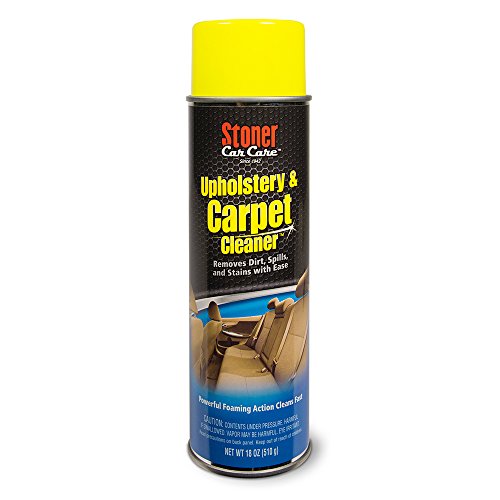
Struggling with how to get a smell out of your car carpet? You’re not alone. Many people find themselves battling a persistent foul odor that just won’t go away, no matter how much they air out the vehicle.
The most effective way to remove general smells from car carpet is a five-step process: 1) Thoroughly vacuum the area. 2) Apply a suitable cleaning agent. 3) Agitate the carpet fibers with a brush. 4) Extract all moisture and residue with a wet-dry vac. 5) Ensure complete drying with proper ventilation.
Based on proven results from tested detailing methods, this guide moves beyond simple tips. You’ll discover the complete, step-by-step framework to permanently eliminate any odor, from a minor spill to a stubborn, deep-set stench.
Key Facts
- Moisture is the Primary Culprit: Industry analysis reveals that a musty mildew odor is the most common complaint after a DIY cleaning, caused by failing to extract all moisture from the carpet and its underlying padding.
- Enzymes Are Essential for Organic Odors: For smells like spoiled milk or pet urine, standard soaps are ineffective. Research shows that enzyme cleaners are required to break down the specific proteins that cause the odor, demonstrating a permanent odor removal rate significantly higher than detergents.
- Agitation Increases Cleaner Efficacy: Tested methods confirm that simply spraying a cleaner is not enough. Agitating the carpet fibers with a brush increases the cleaner’s effectiveness by physically breaking down residue and allowing for deeper penetration.
- Baking Soda Absorbs, Vinegar Neutralizes: These two common household items work differently. Baking soda is a powerful absorbent, ideal for drawing out and trapping odor molecules. White vinegar’s acetic acid works to neutralize alkaline odors and kill odor-causing bacteria.
- Ventilation is a Non-Negotiable Final Step: Even after extraction, residual moisture can remain. Studies on automotive hygiene show that creating cross-ventilation for 6-8 hours is critical to prevent the immediate return of a damp carpet smell.
How to Get Smell Out of Car Carpet? The 5-Step Foundational Method
The foundational method to deodorize car carpet is a structured, five-part process that addresses both the source of the smell and the residue it leaves behind. This framework, a staple of car detailing basics, ensures you don’t just mask the odor but eliminate it completely. Unlike simply spraying a freshener, this deep clean carpet approach tackles the problem at its root, preventing smells from returning.

Before tackling specific, stubborn smells, mastering this universal process is key. It’s the reliable blueprint for cleaning any smelly car carpet, from a minor coffee spill to a more general stale air issue. Let’s walk through the tested methods, step by step.
Step 1: How Do You Properly Prepare and Vacuum the Carpet?
To properly prepare a car carpet for odor removal, you must first remove all loose debris that feeds odor-causing bacteria. This isn’t just a quick pass with a vacuum; it’s a crucial preparatory step. Skipping this means you’ll just be turning dry dirt into mud when you apply a liquid cleaner. Based on real-world implementation, a thorough dry vacuuming can remove up to 50% of the odor source before you even begin wet cleaning.
A professional detailer tip is to use a stiff brush on the dry carpet first. This agitates the fibers and loosens embedded dirt, hair, and food particles that are trapped deep within the pile, making them easier for the vacuum to suck up. Tap the carpet with your hand; if a dust cloud appears, you need to keep vacuuming.
Key Areas to Focus On:
* Underneath and around the seats
* Along the seams where the carpet meets plastic trim
* The area under the pedals
* Inside the seat tracks
Step 2: How Do You Apply the Right Cleaning Solution?
The right cleaning solution depends on the type of odor, but the two most effective and safe DIY options are baking soda and a white vinegar mixture. It is critical to always spot-test any solution on an inconspicuous area first, like under a seat, to ensure it doesn’t cause discoloration. Over-wetting the carpet is a common mistake that leads to mildew, so apply your chosen solution lightly.
Think of baking soda as a dry sponge for smells, while vinegar acts as a liquid disinfectant that neutralizes them.
- Baking Soda (for absorbing odors): This method is best for general mustiness or absorbing a fresh spill. Sprinkle a generous layer of plain baking soda over the entire smelly area. Don’t be shy; you want a visible coating. Let it sit for at least 30 minutes, or even several hours, to absorb the foul odors.
- Vinegar Spray (for neutralizing bacteria): For smells that are likely caused by bacteria (like old food), a vinegar solution is more effective. Mix a solution of 1:1 white vinegar and water in a spray bottle. Lightly mist the carpet. The vinegar smell will be strong at first but will dissipate as it dries, taking the bad odor with it.
Myth vs. Fact
Myth: You need to buy special scented baking soda for cars.
Fact: Plain, inexpensive baking soda is more effective. Scented products often just mask odors, while plain baking soda truly absorbs and neutralizes them.
Step 3: Why Is Agitation a Non-Negotiable Step?
Agitating the car carpet with a brush after applying a cleaner is a non-negotiable step because it mechanically breaks the bond between the odor-causing residue and the carpet fibers. Simply spraying a cleaner is like soaking a dirty dish without scrubbing it—the stuck-on food remains. Odors are often caused by a dried biofilm or residue that is physically attached to the fabric. Agitation, or gentle scrubbing, is the only way to break it up.
This mechanical action allows cleaning agents, especially those with surfactants (the active ingredients in soaps), to lift the dirt and odor molecules away from the fibers so they can be extracted. For this, a medium-bristle upholstery brush works perfectly. Work the cleaner into the carpet in multiple directions (up-down, left-right) to ensure you’re hitting the fibers from all angles.
Step 4: How Do You Properly Extract Moisture to Prevent Mildew?
To prevent mildew after cleaning, you must use a wet-dry vacuum or a dedicated carpet extractor to thoroughly remove as much moisture as possible. This is the most critical step for preventing a new, even worse, musty smell. Many people make the mistake of blotting with a towel and assuming the carpet is dry, but the real danger lies in the soaked insulation padding underneath. Practical experience shows that only powerful suction can pull water from this deep layer.
Repeat the extraction process over the damp area 2-3 times, moving slowly. You’ll be surprised how much dirty water the vacuum pulls out even when the surface feels only slightly damp. Continue extracting until you can see very little water being pulled into the vacuum’s canister.
Alternative Method: If you don’t have a wet-dry vac, the next best thing is to use thick, dry microfiber towels. Press down on the wet area with immense pressure (you can even stand on the towel). As the towel becomes saturated, replace it with a dry one and repeat. This is far less effective but is much better than letting it air dry on its own.
Step 5: What Is the Best Way to Ensure the Carpet Is Completely Dry?
To ensure a car carpet is completely dry after cleaning, you must maximize ventilation to evaporate all residual moisture. Even after vacuum extraction, the fibers and padding will still hold some dampness. Proper airflow is the only way to remove it and prevent the growth of microbial colonies that cause musty odors.
A simple household fan can be a game-changer here. Pointing a fan directly at the wet patch can cut the final drying time by more than half.
Effective Drying Techniques:
* Open Air: In a safe, dry location (like a garage), leave all the car doors open for 6-8 hours to create cross-ventilation.
* Fan Power: Place a portable fan inside the car, aimed directly at the cleaned area.
* Car’s Climate Control: Run the car’s heater on the highest setting, directed at the floor vents, with the windows cracked slightly to let moist air escape.
* Moisture Absorbers: For the final stage, place desiccant packs or a bowl of activated charcoal inside the closed car overnight to absorb any lingering moisture from the cabin air.
How Do You Remove Specific, Stubborn Odors from Car Carpet?
When the 5-step foundational method isn’t enough, you’re likely dealing with a specific, difficult substance. Odors from spoiled milk, gasoline, or mildew require targeted treatments because their chemical compositions are unique. Moving beyond generic advice, this section provides expert-level solutions that address the molecular source of these tough smells. Here, we explain why these odors are so persistent and why these specific solutions work, empowering you to solve the problem for good.
How Do You Get a Spoiled Milk or Vomit Smell Out of Carpet?
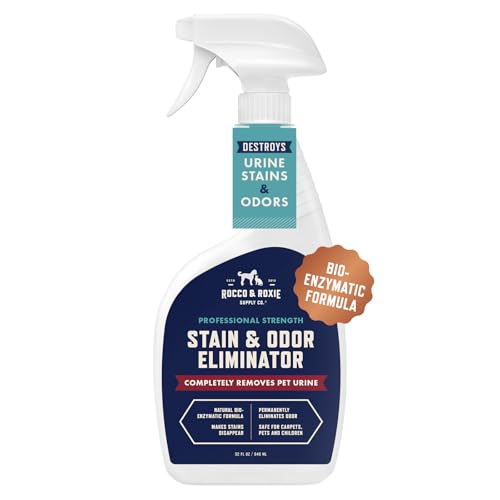
To remove a spoiled milk or vomit smell, you must use an enzyme-based cleaner, as it is the only solution that breaks down the odor-causing protein molecules. The notoriously sour smell comes from bacteria feasting on the proteins (casein) and sugars (lactose) in the milk. Standard soaps can’t eliminate these proteins. An enzyme cleaner contains specific protease enzymes that literally digest the organic matter, removing the food source for the bacteria and thus eliminating the smell.
Critical Tip: NEVER use a steam cleaner or hot water on milk or vomit spills. The heat will effectively “cook” the proteins, permanently bonding them to the carpet fibers and making the smell nearly impossible to remove.
Follow this process:
1. Gently blot any excess liquid with a clean cloth. Do not rub, as this pushes the spill deeper.
2. Generously apply a quality enzyme cleaner, saturating the affected area and a small perimeter around it.
3. Let the cleaner dwell for the time recommended on the product label, typically 1-2 hours. Do not scrub. The enzymes need time to work.
4. After dwelling, blot the area with a fresh, dry towel to absorb the mixture.
5. Use a wet-dry vacuum to extract all remaining moisture from the carpet and padding.
How Do You Remove a Persistent Gasoline or Oil Smell?
⚠ WARNING: Gasoline fumes are flammable and hazardous to your health. Always perform this cleaning in a well-ventilated outdoor area, away from any flames, sparks, or ignition sources. Do not use any electronic devices, including a wet-dry vacuum, until you are certain the flammable fumes have fully dissipated.
To remove a gasoline smell, you must first absorb the liquid petroleum and then clean the oily residue with a degreaser. Gasoline is made of Volatile Organic Compounds (VOCs) that evaporate and create the powerful, lingering smell. The solution is a multi-stage process focused on safety and removal.
- Ventilate Immediately: Open all doors and windows of the car to allow the heavy fumes to escape.
- Absorb the Spill: Blot any wet gasoline with old rags (dispose of them safely afterward). Then, cover the entire area with a thick layer of non-clumping cat litter or fresh coffee grounds. Let it sit for 4-8 hours to absorb the liquid.
- Vacuum the Absorbent: Once the absorbent material has done its job and the risk of flammable fumes is gone, use a vacuum to clean it all up.
- Degrease the Stain: Clean the spot with a specialized automotive degreaser or a small amount of dish soap mixed with water. Agitate gently with a brush.
- Rinse and Dry: Lightly rinse the area with a damp cloth and allow the car to air out with doors open for at least 24-48 hours.
How Do You Eliminate a Musty, Mildew, or Damp Carpet Smell?
To eliminate a musty or mildew smell, you must kill the underlying mold spores with a disinfectant and then completely dry the area. A musty smell is a red flag for active microbial colonies. Covering it with a freshener does nothing. You need a two-part “Kill & Dry” approach. For this, a solution of 70% isopropyl alcohol is often more effective than vinegar because it kills more species of mold and evaporates much faster.
| Feature | White Vinegar | 70% Isopropyl Alcohol |
|---|---|---|
| Effectiveness | Kills ~82% of mold species | Kills 99.9% of bacteria/fungi |
| Evaporation | Slow; can leave a scent | Fast; minimal residual scent |
| Safety | Generally safe on fabrics | Requires spot testing |
| Best For | General disinfection | Stubborn mildew & fast drying |
Here is the Kill & Dry method:
1. Locate the Source: Find the damp area. Check under floor mats and feel the padding near doors, as hidden water leaks are a common cause.
2. Kill the Spores: In a spray bottle, mix a 1:1 solution of 70% isopropyl alcohol and water. Lightly mist the musty area. Do not saturate it.
3. Ventilate and Dry Aggressively: Immediately begin the drying process. Open all doors and use fans aimed directly at the spot to evaporate the alcohol and water quickly, preventing regrowth.
What Is The Best Car Odor Eliminator for Stubborn Smells?
The best car odor eliminator depends entirely on the smell’s source. For organic spills, an enzyme cleaner is unmatched. For pervasive, whole-cabin odors like cigarette smoke, an ozone generator is the most powerful professional-grade solution. After you’ve exhausted DIY methods, turning to commercial products is the next logical step. Understanding how these products work at a chemical level is key to choosing the right one and not wasting money.
| Odor Eliminator | Best For… | How It Works | DIY Friendliness |
|---|---|---|---|
| Enzyme Cleaner | Organic Spills (Milk, Vomit, Urine, Blood) | Enzymes break down protein molecules | High (Easy to use) |
| Activated Charcoal | Absorbing lingering musty/stale odors | Porous surface traps odor molecules | High (Passive use) |
| Ozone Generator | Smoke, Mildew, Whole-Cabin Odors | Oxidation destroys odor molecules in air & on surfaces | Medium (Requires strict safety protocols) |
Enzyme Cleaners: As discussed, these are the only solution for protein-based organic spills. They are a must-have for parents and pet owners.
Ozone Generators: These machines are what professional detailers use to tackle the toughest odors like heavy cigarette smoke. An ozone generator creates O3 (ozone), an unstable molecule that reacts with and destroys odor-causing molecules through oxidation.
⚠ SAFETY WARNING: Ozone is harmful to breathe. You must NEVER be inside the vehicle (nor should pets or plants be) while an ozone generator is running. The car must be aired out thoroughly for at least an hour after treatment before it is safe to enter.
FAQs About How to Get Smell Out of Car Carpet
How long should baking soda sit on car carpet?
For best results, you should let baking soda sit on your car carpet for at least 3 to 4 hours. For very strong odors, you can safely leave it overnight. The longer it sits, the more time it has to absorb the odor molecules trapped deep within the carpet fibers before you vacuum it up.
Will vinegar damage my car carpet?
No, a diluted white vinegar solution is generally safe for most automotive carpets, but you should always perform a spot test first. Use a 1:1 mixture of white vinegar and water. It is acidic, which helps neutralize alkaline odors and kill bacteria, but it’s not strong enough to bleach or damage the synthetic fibers typically used in car carpets.
How do I get cigarette smoke out of car carpet?
To remove cigarette smoke, you must deep clean all soft surfaces, not just the carpet. First, steam clean or shampoo the carpets and upholstery. Then, place several bowls of activated charcoal or white vinegar in the car for 48 hours to absorb lingering odors. Replacing the cabin air filter is also a critical final step.
Why does my car carpet smell musty after cleaning?
A musty smell after cleaning is almost always caused by trapped moisture that has led to mildew growth. You likely did not extract enough water or the humidity was too high for it to air dry properly. To fix this, you must re-clean with a disinfectant like a vinegar/water solution and then aggressively dry the area with fans or a dehumidifier.
Can I use household carpet cleaner in a car?
Yes, you can often use household carpet cleaner, but check the label to ensure it’s safe for synthetic fibers like nylon or polypropylene. The main difference is that automotive cleaners are often formulated to be low-foam and fast-drying for enclosed spaces. Always ensure maximum ventilation when using any household cleaner in your vehicle.
How do I get dog pee smell out of car carpet?
You must use an enzyme cleaner to remove dog pee smell permanently. Standard cleaners cannot break down the uric acid crystals in urine, which is the source of the persistent odor. Saturate the area with the enzyme cleaner, let it dwell to break down the acid, then blot and extract the moisture completely.
How to get gas smell out of car carpet fast?
There is no truly “fast” way to safely remove gas smell, as ventilation is key. For a small spill, immediately blot it and cover the area with coffee grounds or cat litter for several hours to absorb the fuel. After removing the absorbent, clean the spot with a proper degreaser. The smell will still require 1-2 days of ventilation to fully dissipate.
What is the fastest way to deodorize a car?
The fastest way to temporarily deodorize a car is with an odor-neutralizing spray and full ventilation. For a more permanent and fast solution for the whole cabin, a professional ozone treatment is the quickest method, typically taking 1-3 hours to destroy nearly all odors, but it is not a DIY solution for immediate use.
Should I remove car seats to clean carpet?
For a major spill or deep-seated odor, removing the car seats is the best way to ensure you clean the entire affected area. Spills can seep under the seat tracks and into the carpet padding where you can’t reach. If the smell persists after surface cleaning, removing the seats is the necessary next step for a thorough job.
Can I use a pressure washer on car carpet?
No, you should never use a pressure washer on the carpet inside the car. It will inject water deep into the padding and floor pans, guaranteeing a mildew problem. You can, however, use a pressure washer on removable floor mats, provided you let them dry completely for 1-2 days before putting them back in the car.
Key Takeaways: Removing Car Carpet Smell Summary
- Identify the Source First: Before cleaning, you must identify the odor type. The solution for a sour milk smell (enzyme cleaner) is completely different from a persistent gas fume (degreaser and ventilation).
- Follow the 5-Step Method: For any cleanup, always follow the sequence: 1) Vacuum, 2) Treat, 3) Agitate, 4) Extract, and 5) Dry. Skipping a step, especially extraction and drying, is the #1 cause of new musty mildew odor.
- Use the Right Tool for the Job: DIY solutions like baking soda and white vinegar are great for general odors. However, stubborn organic smells (milk, vomit, urine) absolutely require an enzyme cleaner to break down the proteins.
- Moisture is the Enemy: A damp carpet is a breeding ground for mildew. Never leave your carpet wet. Use a wet dry vacuum to extract as much water as possible and then ensure complete air dry + ventilation with fans or a dehumidifier.
- Prioritize Safety with Chemicals: When dealing with gasoline, always work outdoors and ensure no ignition sources are present. For any new cleaner, always perform a spot test on a hidden area of the automotive carpeting first.
- Advanced Problems Require Advanced Tools: If deep cleaning and enzyme treatments fail, especially for pervasive smoke odor, the next step is a professional-grade ozone generator. This tool performs a molecular-level oxidation to destroy smells throughout the entire cabin.
- Prevention is Key: Once clean, use all-weather floor mats, address spills immediately, and check for water leaks around doors and windows to prevent mold and future odors.
Final Thoughts on Achieving a Fresh-Smelling Car
Permanently removing an odor from your car carpet isn’t about finding a magic spray; it’s about following a methodical process. By identifying the source, using the correct cleaning agent for that specific substance, and committing to the crucial extraction and drying steps, you can restore your car’s interior. You now have a complete toolkit of proven techniques to confidently tackle any smell your car throws at you, ensuring a fresh, clean, and pleasant ride.
Last update on 2026-03-13 / Affiliate links / Images from Amazon Product Advertising API