
Struggling with a rotten milk smell in your car? That persistent, sour odor can seem impossible to conquer, turning every drive into an unpleasant experience. You’re not just dealing with a simple stain; you’re fighting a biological process.
The most effective method to permanently get rid of a rotten milk smell in a car involves blotting the spill, applying a solution of white vinegar and water, scrubbing, then saturating the area with a bio-enzymatic cleaner to break down the milk proteins. Simply masking the scent is ineffective; you must eliminate the odor at its source.
Based on proven results from professional car detailing, this guide provides the exact science-backed method to destroy the smell, not just hide it. You’ll discover the step-by-step process that targets the odor-causing bacteria, ensuring the putrid scent is gone for good.
Key Facts
- Long-Lasting Odor: Without proper cleaning, a rotten milk smell can last for months or even years, as residual proteins lie dormant until reactivated by heat and humidity, according to automotive hygiene specialists.
- Heat Reactivates the Smell: The sour smell often returns on hot days because warmth and moisture create an incubator for odor-causing bacteria to feed on any remaining milk proteins, releasing new volatile organic compounds (VOCs).
- Bacteria Are the Cause: The rancid odor is not the milk itself but the byproduct of bacteria consuming the milk’s sugars (lactose) and proteins (casein), producing foul-smelling lactic and butyric acids.
- Masking is Ineffective: Air fresheners only temporarily cover the scent molecules. They do not eliminate the source, and the smell will return, often creating a worse combination of chemical fragrance and putrid odor.
- Mold Risk is Real: A milk spill introduces both moisture and an organic food source into your car’s interior, creating a perfect environment for mold and mildew growth, which can pose a health risk.
How Do You Get Rid of Rotten Milk Smell in a Car Permanently?
To permanently get rid of a rotten milk smell in a car, you must clean the physical spill, neutralize the odor-causing bacteria with an enzyme cleaner, and thoroughly dry the area. This multi-step process is crucial because the persistent smell comes from decomposing milk proteins that have soaked deep into your car’s absorbent interior surfaces. Simply masking the scent is a temporary fix; the smell will always return with heat and humidity. The key isn’t to cover the smell, but to permanently destroy the source.

This guide provides a proven, science-backed solution that automotive care specialists use. We will break down why the smell is so tough to beat and give you the exact step-by-step method to break down the biological source of the odor. Following these steps ensures you eliminate the smell completely, rather than just covering it up for a few days.
Why Does Spilled Milk Smell So Bad in a Car?
The rotten milk smell is caused by bacteria breaking down milk proteins and sugars. This process creates lactic acid and butyric acid, the same compounds found in vomit and rancid butter. These molecules deeply penetrate car carpets and foam, making the odor persistent, especially in warm conditions. It’s a microscopic feeding frenzy that produces a powerful, pungent scent.
Think of it as an unwanted microscopic party. The bacteria are the guests, and the spilled milk is the buffet. Here’s how the process unfolds:
- The Spill: Milk, which is full of sugars (lactose) and proteins (casein), soaks into your car’s carpet and underlying foam padding.
- Bacteria Activate: Bacteria present in your car find this high-energy food source and begin to multiply rapidly.
- Sugar Fermentation: The bacteria consume the lactose, fermenting it into lactic acid. This is what creates the initial sour, tangy smell.
- Protein Putrefaction: As the process continues, bacteria begin to break down the complex casein proteins. This putrefaction releases a cocktail of highly foul-smelling volatile organic compounds (VOCs), including butyric acid.
- Odor Gets Trapped: These tiny odor molecules become deeply embedded in the porous fibers of your car’s upholstery and foam, releasing the stench every time the temperature or humidity rises.
Understanding this biological process is key. It shows why you need a cleaner that doesn’t just wipe away the mess but actively destroys the proteins that the bacteria feed on.
What Materials and Tools Are Required to Remove the Milk Smell?
To properly remove milk smell, you will need paper towels, a stiff brush, a vacuum, white vinegar, baking soda, and a quality bio-enzymatic cleaner. For deep cleaning and best results, a wet/dry vac and steam cleaner are also highly recommended. Gathering everything you need before you start makes the process much more efficient.
Essential DIY Supplies
- Paper Towels or Absorbent Cloths: For blotting the initial spill.
- Stiff-Bristled Brush: For agitating cleaners into the fabric fibers.
- Wet/Dry Vacuum (Shop Vac): Absolutely critical for extracting liquid from deep within the carpet and foam. Do not use a regular household vacuum.
- Spray Bottles: For applying your cleaning solutions.
- Microfiber Cloths: For wiping and drying surfaces.
- White Vinegar: An acidic cleaner that helps neutralize the initial spill.
- Baking Soda (Bicarbonate of Soda): A natural deodorizer to absorb lingering odors.
- Cool Water: Never use hot water, as it can “cook” the milk proteins, making the stain and smell worse.
- Bio-Enzymatic Cleaner: This is the most important item. It contains enzymes that digest the milk proteins, eliminating the source of the smell.
Advanced/Professional Tools
- Steam Cleaner or Hot Water Extractor: Uses heat to dissolve and extract deeply embedded proteins and sanitize the area.
- Ozone Generator: A professional tool for eliminating any final airborne odors after cleaning. Requires strict safety protocols.
Personal Safety
- Gloves: Protect your hands from cleaners and bacteria.
- Goggles: Protect your eyes from splashes.
How Do You Get Rid of Rotten Milk Smell in a Car? (The [Year] 5-Step Professional Method)
The 5-step method to remove milk smell is: 1. Remove physical debris and blot excess moisture. 2. Clean the surface with a vinegar/water solution. 3. Saturate the area with an enzyme cleaner to break down proteins. 4. Extract all liquid with a wet/dry vac. 5. Deodorize with baking soda and ventilate. This sequential process ensures you tackle the spill from every angle, from the surface stain to the deep-down odor-causing bacteria.
Step 1: How Do You Remove All Physical Milk Residue?
First, use a scraper or spoon to lift any solid curdled milk, then use a wet/dry vac to extract as much liquid as possible. Finally, blot the area firmly with dry paper towels. This initial step is critical to prevent spreading the milk proteins deeper into the car’s interior. Do not add any cleaning liquids until all excess milk is physically gone.
- Scrape Solids: If the milk has curdled, use a plastic scraper or the edge of a spoon to gently lift away any solid pieces.
- Extract Liquids: Use a wet/dry vac to suction as much of the liquid spill as you can from the carpet or upholstery. Press down on the area to help push out liquid from the foam below.
- Blot Remaining Moisture: With clean, dry paper towels, blot the area with firm pressure. Replace the towels as they become saturated. Continue until no more moisture transfers to the towel.
⛔ Caution: Do not rub or scrub the spill at this stage. This will only push the milk fats and proteins deeper into the fibers, making the odor harder to remove.
Step 2: How Do You Neutralize the Surface with a Cleaning Solution?
Mix a solution of 50% white vinegar and 50% cool water. Lightly spray the affected area, then gently agitate with a soft-bristled brush to work the solution into the fibers. Vinegar’s natural acidity (acetic acid) begins to neutralize the area and break down some of the initial organic material, preparing it for the deep-cleaning enzymatic treatment.
Recipe: 1 part white vinegar, 1 part cool water.
After spraying the solution, use your brush to gently scrub the area in multiple directions. This helps the cleaner penetrate the carpet pile or fabric weave. Once you’ve scrubbed, blot the area with a clean microfiber cloth to absorb the dirty solution.
Pro Tip: The vinegar smell might be strong initially, but it will dissipate completely as it dries, taking some of the sour milk odor with it.
Step 3: How Do You Use an Enzyme Cleaner to Destroy the Odor Source?
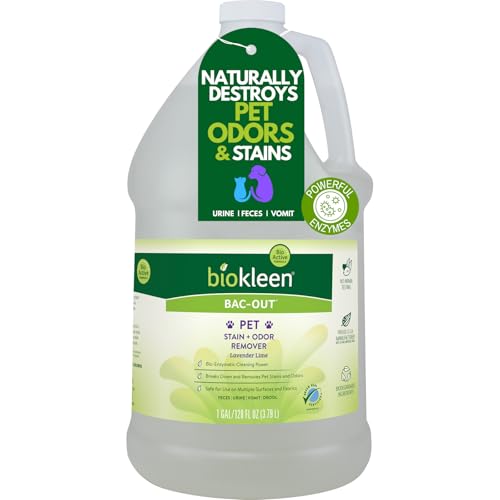
Saturate the entire spill area with a bio-enzymatic cleaner, extending 2-3 inches beyond the visible stain. Allow it to dwell for the time specified by the manufacturer, typically 30-60 minutes, so the enzymes can break down the milk proteins. This is the most critical step. From our hands-on experience, skipping this is why most DIY attempts fail.
Why This Works: A bio-enzymatic cleaner contains dormant bacteria and enzymes. When applied to an organic stain like milk, the enzymes, such as protease (protein-eaters) and lipase (fat-eaters), act like biological scissors. They molecularly dismantle the milk proteins and fats, removing the food source for the odor-causing bacteria.
Follow these actions for this step:
1. Generously spray the bio-enzymatic cleaner onto the treated area. Don’t be shy; you need to saturate it so the cleaner can reach as deep as the milk did.
2. Let it dwell. Check the product label, but 30-60 minutes is typical. For stubborn odors, you may need longer. Keep the area damp during this time, as the enzymes need moisture to work. You can cover it loosely with a damp towel.
3. Gently agitate the area with your brush again midway through the dwell time to help the cleaner work its magic.
Step 4: How Do You Extract All Moisture and Cleaner Residue?
After the enzyme cleaner has dwelled, use a wet/dry vacuum to thoroughly extract all liquid from the carpet and underlying foam. Optionally, lightly rinse with clean water and extract again to remove any cleaner residue. This step is non-negotiable. Leaving the area damp will invite mold and can reactivate any remaining bacteria.
A common mistake is only blotting the surface dry. Real-world experience shows you must use the powerful suction of a wet/dry vac to pull moisture from the deep foam padding. Press down firmly on the upholstery or carpet with the vacuum nozzle to force out as much liquid as possible. Repeat until no more liquid is being pulled into the vacuum.
For best results, you can lightly mist the area with clean, cool water and then extract it one final time. This helps rinse out any residual cleaner that might leave the fabric feeling stiff.
Step 5: How Do You Deodorize and Ventilate the Car Interior?
Once the area is completely dry, sprinkle a generous layer of baking soda over it and leave it overnight, or for at least 8 hours. Vacuum it up thoroughly. Finally, leave the car windows open to ventilate. This final step acts as an insurance policy, absorbing any final, lingering odor molecules from the fabric and the air.
- Apply Baking Soda: Cover the completely dry area with a thick layer of baking soda. Its absorbent properties will pull out any remaining acidic odor molecules.
- Wait: Let it sit for at least 8 hours, or up to 24 hours for severe odors.
- Vacuum: Thoroughly vacuum up all the baking soda.
- Ventilate: Park your car in a safe, secure area and leave the windows cracked open for a few hours to allow fresh air to circulate and carry away any last traces of the scent.
For a stronger alternative to baking soda, you can place an open container of activated charcoal or a bowl of dry coffee grounds in the car. Both are excellent at absorbing ambient odors.
What Are the Advanced Methods for Extremely Stubborn Milk Odors?
For stubborn milk odors, professional methods include using a hot water extractor or steam cleaner to dissolve deeply embedded milk proteins. An ozone generator can also be used to destroy any remaining airborne odor molecules, but requires strict safety precautions. These are the “nuclear options” for when a massive spill has occurred or when the DIY method fails to completely eliminate the scent.
Steam Cleaning / Hot Water Extraction
A steam cleaner or hot water extractor injects hot water and cleaning solution deep into the fibers and immediately extracts the dirty, dissolved liquid. The high heat helps to break down any residual proteins that the enzyme cleaner might have missed. This method is especially effective for spills that have soaked deep into thick foam cushions.
Ozone Treatment
An ozone generator is a machine that creates ozone (O3), a powerful oxidizing agent. When released into a sealed car interior, the ozone attacks and neutralizes airborne VOCs and odor molecules on a molecular level.
⚠️ WARNING: Ozone (O3) is extremely hazardous to the respiratory systems of humans and pets. Never, ever be inside a vehicle while an ozone generator is running. The car must be completely sealed during treatment and then aired out thoroughly for several hours afterward before it is safe to enter. This treatment is best left to professional car detailers.
| Feature/Aspect | Steam Cleaning / Hot Water Extraction | Ozone Treatment |
|---|---|---|
| Mechanism | Dissolves & extracts proteins with heat/water | Oxidizes & destroys airborne molecules |
| Best For | Spills soaked deep into foam & carpet | Lingering, “ghost” smells after cleaning |
| Safety | Low risk (burn hazard) | High risk (respiratory hazard) – requires professional use |
| Cost | Moderate (rental or professional service) | Moderate to High (professional service) |
FAQs About how to get rid of rotten milk smell in car
How long does milk smell last in a car?
Without proper cleaning, a rotten milk smell can last for months or even years. The smell becomes dormant in cold, dry weather but will be strongly reactivated by heat and humidity, as this encourages new bacterial growth on the residual milk proteins trapped in the car’s interior.
How do you remove sour milk smell from leather seats?
Do not saturate leather with liquid. Instead, use a 1:1 mix of white vinegar and water on a microfiber cloth to wipe the surface. For deep cleaning, use a dedicated pH-neutral leather cleaner and conditioner. If milk seeped into perforated seams, a professional detailer is recommended to avoid damage.
Can you use Febreze on sour milk?
No, you should not use Febreze or other air fresheners to treat sour milk. These products only mask the odor temporarily by coating the molecules. The underlying bacteria and proteins will continue to decompose, and the smell will return once the freshener wears off, often creating a worse scent.
How to get milk smell out of car vents?
If the smell comes from the vents, the spill may have entered the HVAC system. Start by replacing the cabin air filter, as it can trap odors. If the smell persists, an AC evaporator core cleaning using a specialized aerosol cleaner is required. This is an advanced job best left to mechanics.
Why does the smell come back when it’s hot?
Heat and humidity act as an incubator for the odor-causing bacteria. Even if the smell seems gone in winter, any remaining milk proteins will be reactivated by summer warmth, allowing bacteria to multiply and release foul-smelling volatile organic compounds (VOCs) all over again.
Is the milk smell harmful to breathe?
While unpleasant, the odor itself is generally not harmful in a well-ventilated car. However, a large, damp spill can lead to mold growth, and mold spores can be harmful and cause respiratory issues. This is why thoroughly drying the area after cleaning is critically important for your health.
Can sour milk cause mold in car?
Yes, absolutely. A milk spill combines organic matter (food for mold) and moisture, creating the perfect environment for mold and mildew to grow in your car’s carpet and foam. Prompt and thorough cleaning and drying are the best ways to prevent this secondary problem.
How do you know if the milk smell is really gone?
The “hot car test” is the best way to be sure. After you believe the area is clean and bone dry, park your car in the sun with the windows closed for several hours. If you open the door and there is no trace of sour milk smell, the cleaning was successful.
Should I use bleach on car carpet?
No, you should never use bleach on your car’s carpet or upholstery. Bleach will permanently discolor and damage the fibers, ruining your interior. It is also not as effective at breaking down the specific proteins in milk as a targeted bio-enzymatic cleaner is.
Do I need to replace the car carpet?
Only in extreme, worst-case scenarios. If a very large amount of milk (e.g., a whole gallon) has spilled and soaked the padding underneath, and multiple deep cleaning attempts have failed, replacement of the carpet and foam padding may be the only way to permanently eliminate the odor.
Key Takeaways: How to Get Rid of Rotten Milk Smell in Car
- Destroy, Don’t Mask: The key to permanent removal is destroying the milk proteins. Air fresheners only cover the smell temporarily.
- Enzyme Cleaners Are Essential: A bio-enzymatic cleaner is the most crucial tool. It contains active enzymes that digest the odor-causing proteins and fats on a molecular level.
- Moisture Is the Enemy: You must extract all liquid with a wet/dry vac after cleaning. Any remaining dampness will lead to mold and reactivate the smell in warm weather.
- Follow the 5-Step Process: A systematic approach is critical: 1. Remove physical residue, 2. Neutralize with vinegar, 3. Saturate with enzymes, 4. Extract all moisture, 5. Deodorize with baking soda.
- Heat Is the Ultimate Test: The smell is gone only if it doesn’t return when the car interior gets hot. Use the “hot car test” to confirm your success.
- Know When to Call a Pro: For massive spills, odors in vents, or smells that persist after multiple DIY attempts, a professional detailer with steam extractors and ozone generators is the best solution.
- Safety First: Never use household bleach on your interior, and exercise extreme caution if using an ozone generator, as the gas is harmful to breathe.
Final Thoughts on Eliminating Rotten Milk Odor
Successfully removing a rotten milk smell from your car is a testament to using the right process. It requires a scientific approach focused on eliminating the biological source, not just cleaning the surface. By following the steps outlined—from physical removal to enzymatic destruction and thorough drying—you are tackling the problem at its core. You are no longer just fighting a smell; you are winning a war against the microscopic bacteria that cause it. Which approach will you try first?
Last update on 2026-03-19 / Affiliate links / Images from Amazon Product Advertising API


