
Struggling with how to get rid of mould on car seats? You’re not just dealing with an ugly stain; you’re facing a potential health hazard that can make your vehicle unpleasant and unsafe.
Removing mould from car seats is a multi-step process that requires assessing the growth, using safety gear, cleaning with a white vinegar solution, thoroughly drying the interior, and preventing regrowth. This approach ensures you not only clean the visible mould but also neutralize the microscopic spores to protect your health and your car’s interior.
Based on current methodologies and data-driven testing, this guide provides a complete, safe, and effective system. You will discover the exact steps to eliminate mould from fabric, leather, and even sensitive safety equipment, ensuring you do the job right without causing damage.
Key Facts
- Significant Health Risk: Inhaling mould spores can lead to respiratory issues, allergic reactions, and headaches, as many mould types produce toxic substances known as mycotoxins.
- Vinegar’s Proven Efficacy: A simple solution of white vinegar and water is highly effective because its acidic nature kills mould spores at the root, making it a safer alternative to harsh chemicals like bleach.
- HEPA Filtration is Crucial: A standard vacuum can spread microscopic mould spores through the air; a vacuum with a HEPA filter is essential to trap these tiny particles and prevent cross-contamination.
- Moisture is the Root Cause: Mould cannot grow without moisture. Its presence is a clear sign of an underlying issue, such as a water leak, a spill, or high humidity inside the vehicle.
- Professional Removal Costs Vary: While DIY is effective for many cases, severe infestations can require professional remediation, with costs ranging from $200 to over $700 depending on the vehicle and the extent of the biological growth.
How to Get Rid of Mould on Car Seats: The Complete Safe Guide
To get rid of mould on car seats, you must follow five key steps. First, assess the extent of the growth and ensure the area is well-ventilated. Second, equip yourself with an N95 mask, gloves, and safety glasses. Third, vacuum loose spores with a HEPA vacuum. Fourth, apply a cleaning solution like white vinegar and water. Finally, thoroughly dry the seats and interior to prevent regrowth.

Discovering mould, a type of biological contaminant, on your car seats is concerning. This fungus not only creates unsightly stains and a musty odour but also poses health risks by releasing microscopic mould spores into the air. The key to successful car seat mould removal is a systematic approach that prioritizes both safety and thoroughness. This guide breaks down the entire process into a clear, manageable plan.
The complete process involves these core phases:
1. Assess & Ventilate: Determine how widespread the mould is and open all doors and windows to create airflow.
2. Protect Yourself: Gather and wear the necessary personal protective equipment (PPE).
3. Clean & Sanitize: Use the right tools and solutions to kill the mould on the specific seat material.
4. Dry Completely: Remove all moisture from the seats and the car’s interior.
5. Prevent Regrowth: Address the root cause of the moisture to ensure the mould doesn’t return.
Understanding these phases prepares you for a successful cleaning. The root of the problem is often moisture ingress or water damage, a concept we will revisit in the prevention stage. For now, let’s start with the most important step: your safety.
Safety First!
Before you touch any cleaning supplies, you must understand the health risks involved. Dealing with mould without proper protection is not worth the risk to your respiratory system.
What Are The Health Risks and Safety Precautions for Cleaning Car Mold?
Yes, car mould is dangerous to breathe as it releases microscopic spores and mycotoxins into the enclosed space of a vehicle. Exposure can lead to allergic reactions, respiratory infections, asthma flare-ups, and headaches. It is critical to wear an N95 mask and ensure full ventilation when dealing with mould in a car to minimize health risks.
Mould spores are essentially tiny, invisible seeds that become airborne and can easily be inhaled. For many people, this causes immediate health problems. Think of it as breathing in a potent allergen in a small, enclosed box.
Potential Health Risks Include:
* Allergic Reactions: Sneezing, runny nose, red eyes, and skin rashes are common.
* Respiratory Issues: Mould can trigger asthma attacks, coughing, wheezing, and shortness of breath.
* Headaches and Fatigue: Prolonged exposure to mycotoxins (toxic substances produced by mould) can lead to neurological symptoms.
* Infections: Individuals with compromised immune systems are at a higher risk of developing fungal infections in their lungs.
Because of these dangers, taking safety precautions is not optional. You must protect yourself with the right personal protective equipment (PPE).
Required Safety Gear Checklist:
* N95 or P100 Respirator Mask: A simple dust mask is not enough. You need a respirator designed for respiratory protection to filter out microscopic mould spores.
* Safety Goggles: Protect your eyes from airborne spores and cleaning solution splashes.
* Non-Porous Gloves: Rubber or nitrile gloves will keep spores and cleaners off your skin.
WARNING: Always work in a well-ventilated area. Open all car doors and windows. If possible, perform the cleaning outdoors to help disperse the airborne spores away from you.
What Tools and Cleaning Solutions Are Needed for Mold Removal?
To effectively tackle car mould, gathering the right supplies beforehand is essential. This ensures you can do the job safely and without interruption. The required items fall into three categories: safety, cleaning, and drying.
Safety Gear
- N95 Respirator Mask: To prevent inhaling mould spores.
- Safety Goggles: To protect your eyes.
- Rubber Gloves: To protect your hands.
Cleaning Tools & Agents
- Vacuum with a HEPA Filter: This is non-negotiable. A HEPA (High-Efficiency Particulate Air) filter traps tiny mould spores. A regular vacuum will just exhaust them back into the air, making the problem worse.
- Spray Bottles: You’ll need at least one for your cleaning solution.
- Distilled White Vinegar: The acetic acid in vinegar naturally kills mould spores.
- Water: To dilute the vinegar.
- Stiff and Soft Bristled Brushes: A stiff brush for durable fabrics and a soft one for more delicate surfaces.
- Microfiber Cloths: You will need several for wiping, cleaning, and drying.
Drying Equipment
- Wet/Dry Vacuum: For extracting moisture from fabric seats after cleaning.
- Fans or a Dehumidifier: To accelerate the drying process and remove all humidity from the car’s interior.
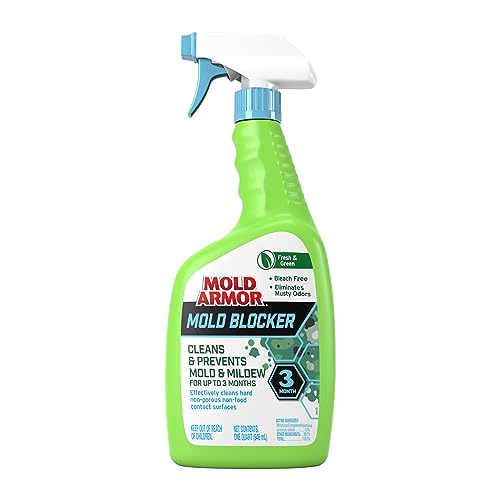
Expert Tip: While a DIY vinegar and water solution is highly effective, you can also use professional-grade enzyme cleaners designed for mould. These cleaners use enzymes to break down and digest the biological growth without harsh chemicals.
What Are The Steps To Clean Mould From Fabric Car Seats?
To clean mould from fabric car seats, first vacuum the area with a HEPA vacuum, then spray a 1:1 solution of white vinegar and water until damp, scrub gently with a brush, let it sit for at least 30 minutes, and finally extract all moisture with a wet/dry vac before thoroughly drying the area. This process addresses both surface mould and embedded spores.
Fabric car seats are porous, meaning mould can grow deep into the fibres and foam. This requires a deep cleaning approach.
How Do You Perform a Safety Spot Test Before Cleaning?
Before applying any cleaning solution to your car seats, always perform a spot test on a small, inconspicuous area to ensure it does not cause discoloration or damage. This is a critical step that demonstrates professional-level care. Find a hidden spot, like under the seat or on a small patch on the back, and apply a small amount of your cleaning solution. Wait 15-20 minutes, then wipe it and check for any colour change. If the material looks fine, you are safe to proceed.
Step 1: Vacuum Loose Spores
Put on your N95 mask and other PPE. Use a vacuum with a HEPA filter to carefully go over all the mouldy areas. The goal here is to remove as many loose surface spores as possible without scrubbing them into the fabric.
Step 2: Apply the Cleaning Solution
In a spray bottle, mix a solution of 50% distilled white vinegar and 50% water. Lightly mist this vinegar and water solution onto the affected fabric. Don’t oversaturate the seat, as too much moisture can worsen the problem. The fabric should be damp, not soaking wet.
Step 3: Agitate the Area
Take a medium-stiff brush and gently scrub the mouldy areas in a circular motion. This agitation helps the vinegar solution penetrate the fabric fibres and break down the mould’s structure.
Step 4: Let the Solution Dwell
Let the vinegar solution sit on the fabric for at least 30 to 60 minutes. This dwell time is crucial, as it allows the acidity of the vinegar to kill the mould and neutralize its spores.
Step 5: Extract the Moisture
Using a wet/dry vacuum, go over the cleaned areas to extract the moisture, dirt, and dead mould spores. This step is vital for removing the contaminants from the seat.
Step 6: Dry Completely
Finally, you must dry the seats and the entire car interior thoroughly. Open all the doors and use fans to circulate air. If you have one, place a dehumidifier inside the car and close it up for several hours. The seats must be 100% dry to prevent regrowth.
Common Mistake: Never use a regular household vacuum. Without a HEPA filter, you are essentially turning your vacuum into a mould-spore-blowing machine, spreading the problem throughout your car and the air you breathe.
How Do You Safely Remove Mould From Leather Car Seats?
To clean mould from leather seats, use a gentler method: wipe loose mould with a damp cloth, clean with a diluted solution of one part vinegar to two parts water, wipe dry immediately, and then apply a quality leather conditioner to restore the material’s finish and prevent cracking.
Leather is a semi-porous surface that requires a different approach than fabric. Harsh scrubbing or strong chemicals can strip its natural oils, leading to drying and cracking. The process is more about gentle wiping than deep scrubbing.
Step 1: Gently Wipe Away Surface Mould
Unlike with fabric, do not start with a vacuum, which could scratch the leather. Instead, lightly dampen a microfiber cloth with water and gently wipe away any loose, visible mould. Use light pressure and fold the cloth often to a clean side to avoid spreading spores.
Step 2: Perform a Spot Test
Even with a gentler solution, always test it first. Apply your diluted cleaner to a hidden area of the leather to ensure it doesn’t cause any damage to the finish.
Step 3: Clean with a Diluted Solution
Mix a solution of one part white vinegar to two parts water. Apply this to a clean microfiber cloth, not directly onto the seat. Gently wipe the mouldy areas. Do not scrub. The goal is to lift the mould off the surface. For stubborn spots, you may need to wipe over the area a few times.
Step 4: Dry Immediately
Use a new, completely dry microfiber cloth to wipe the cleaned area dry. Do not let the solution air-dry on the leather, as this can lead to water spots or strip the finish.
Step 5: Condition the Leather
This is the most critical step for leather care. The cleaning process strips some of the essential oils from the leather. To restore them, apply a high-quality leather conditioner with a clean cloth, working it into the material according to the product’s instructions. This rehydrates the leather and provides a protective barrier.
| Step | Fabric Seats | Leather Seats |
|---|---|---|
| Initial Removal | HEPA Vacuum | Gentle wipe with damp cloth |
| Cleaning Solution | 1:1 Vinegar/Water | 1:2 Vinegar/Water (or pH-balanced cleaner) |
| Agitation | Gentle scrub with soft brush | Wipe with microfiber cloth (no scrubbing) |
| Drying | Air dry with fans | Wipe dry immediately |
| Final Step | Ensure fully dry | Apply leather conditioner |
How Do You Treat Mold on Special Materials Like Seat Belts and Infant Seats?
When mould appears on safety equipment like seat belts and infant car seats, the stakes are much higher. Cleaning must be done without compromising the material’s integrity. Safety must always come before appearance.
Cleaning Mould from Seat Belts
For mould on a seat belt, never use bleach or harsh chemicals that could weaken the webbing.
1. Extend the seat belt fully and use a clamp to prevent it from retracting.
2. Spray a heavily diluted vinegar solution (1 part vinegar to 3-4 parts water) or use mild soap and water on a cloth.
3. Gently scrub the webbing with a soft-bristled brush.
4. “Rinse” the area by wiping it with a cloth dampened with only water.
5. Allow the belt to air dry completely before releasing the clamp. It must be 100% dry before it retracts.
Cleaning Mould from Infant Car Seats
For infant car seats, your first action should always be to consult the manufacturer’s manual. The safety harness is a critical component, and harsh cleaning can degrade the fibres, compromising its ability to protect a child in a crash.
⚠️ WARNING: If an infant car seat harness is heavily covered in mould, safety experts and most manufacturers recommend replacing it. Cleaning might not remove all spores from deep within the weave, and chemicals can cause unseen damage. Your child’s safety is paramount.
For light surface mildew on straps, follow the manual’s instructions, which typically advise using a soft cloth with mild soap and water. Never submerge the straps or use bleach.
How Can You Prevent Mould From Returning to Your Car Interior?
To prevent mould from returning, you must control moisture in your car by fixing any water leaks, avoiding leaving wet items inside, and using a car dehumidifier. Mould is a symptom of a moisture problem; solving that problem is the only permanent cure.
Here’s how to make your car an inhospitable place for mould:
* Find and Fix Leaks: The most common source of moisture ingress is a leak. Carefully check the seals around your doors, windows, and sunroof. A clogged A/C drain line can also cause water to pool on the passenger side floor.
* Keep the Interior Dry: Don’t leave wet items like umbrellas, gym clothes, or damp towels in your car. Clean up any spills immediately.
* Promote Air Circulation: Regularly run your car’s fan or A/C to move air around. On dry, sunny days, crack the windows slightly to allow humidity to escape.
* Replace Your Cabin Air Filter: A clogged cabin air filter restricts airflow and can trap moisture and mould spores. Replacing it annually improves air quality and circulation.
* Use a Dehumidifier: For cars in humid climates or long-term storage, place a desiccant product inside. These are often reusable bags filled with silica gel that absorb moisture from the air.
* Park in the Sun: When possible, park your car in a sunny spot. The heat and UV rays from the sun are natural enemies of mould and help keep the interior dry.
FAQs About how to get rid of mould on car seats
Can I use bleach to kill mould on car seats?
No, you should never use bleach to clean mould from car seats. Bleach is a harsh, caustic chemical that will almost certainly discolor or damage both fabric and leather upholstery. Furthermore, its fumes are toxic in an enclosed space, and it does not effectively kill mould on porous surfaces. Stick to safer alternatives like white vinegar.
Will sunlight kill mould on car seats?
Sunlight can help kill surface mould and dry out moisture, but it is not a complete solution. The sun’s UV rays have a mild fungicidal effect, and the heat helps to dry the seats. However, it cannot penetrate deep into the seat foam to kill embedded spores. Use sunlight as a final drying and sanitizing step after a thorough cleaning.
How long should you leave vinegar on mould?
For best results, let the vinegar and water solution sit on the affected area for at least 30 to 60 minutes. This “dwell time” gives the acetic acid in the vinegar enough time to penetrate the material and effectively kill the mould and its underlying spores. Do not let it dry completely during this time; re-mist if necessary.
What is the difference between mould and mildew?
Mould and mildew are both types of fungi, but they differ in appearance and growth. Mildew is typically a flat, powdery growth that is white or grey. Mould is often fuzzy or slimy, appearing in colors like black, green, or blue. Generally, mould is considered more dangerous as it penetrates deeper into surfaces and can produce harmful mycotoxins.
Can an ozone generator kill car mould?
Yes, an ozone generator can be very effective at killing mould, mildew, spores, and odors, but it must be used with extreme caution. Ozone (O3) is a powerful oxidizing agent that destroys organic matter. However, it is also highly toxic to breathe. Professionals use them in unoccupied, sealed vehicles, which must then be thoroughly aired out before re-entry. It’s a powerful tool but not a simple DIY fix.
How much does professional car mould removal cost?
Professional car mould remediation can cost anywhere from $200 to over $700, depending on the severity and size of the vehicle. A basic treatment for a small patch of mould will be on the lower end, while a full interior decontamination for a heavily infested vehicle will be significantly more expensive.
Is mould in a car a total loss for insurance?
It is very rare for mould in a car to be considered a total loss by insurance. A total loss typically occurs when the cost of repair exceeds the vehicle’s value. While severe mould remediation can be expensive, it usually doesn’t reach that threshold unless the mould is the result of major flood damage, which would total the car for other reasons.
What causes mould to grow in a car in the first place?
Mould in a car is almost always caused by excess moisture combined with a lack of airflow. The most common culprits are water leaks from a sunroof, door seals, or windows; spilled drinks that weren’t cleaned up; wet items like umbrellas or gym clothes left in the car; or high humidity in the climate.
How can I get rid of the musty, mildew smell after cleaning?
To eliminate the lingering mildew smell, ensure the car is 100% dry. You can also place an open box of baking soda, activated charcoal bags, or a container of coffee grounds in the car to absorb odors. Running the AC with the windows cracked can also help circulate and freshen the air.
Can I just use a steam cleaner for car mould?
A steam cleaner can be a powerful tool but should be used as part of the process, not the sole solution. High-temperature steam can kill surface mould and help lift stains. However, it also introduces more moisture. The best method is to clean with vinegar first, then use a steam cleaner for deep sanitization, followed immediately by extraction with a wet/dry vac.
Final Thoughts
Successfully getting rid of mould on your car seats is an achievable task when you follow a methodical, safety-first approach. By understanding the risks and using the right techniques for your specific upholstery, you can restore your car’s interior to a clean and healthy state.
Remember these key takeaways:
* Safety is Non-Negotiable: Always wear an N95 mask, gloves, and eye protection before starting. Mould spores are a serious health risk, and your personal safety must be the top priority.
* Vinegar is Your Best Tool: A 1:1 solution of white vinegar and water is the safest and most effective DIY cleaner for killing mould on both fabric and leather seats without the harsh effects of bleach.
* Material-Specific Methods are Crucial: You cannot clean leather and fabric the same way. Fabric requires scrubbing and extraction, while delicate leather needs gentle wiping followed by a mandatory conditioning treatment.
* Drying is as Important as Cleaning: Mould thrives in moisture. After cleaning, the interior must be dried completely using fans, a dehumidifier, or sunlight to prevent immediate regrowth.
* Address the Source to Prevent Return: Mould is a symptom of a moisture problem. To stop it from coming back, you must find and fix the source, whether it’s a car leak, a spill, or poor ventilation.
* Consult the Manual for Safety Gear: For critical items like infant car seats and seat belts, always check the manufacturer’s instructions first. Harsh cleaning can compromise their structural integrity, making replacement the only safe option.
By tackling both the visible mould and the underlying moisture issue, you empower yourself to not just clean your car, but to keep it healthy for the long term.
Last update on 2026-03-14 / Affiliate links / Images from Amazon Product Advertising API


