
Struggling with how to get rid of fleas from your car? You’re not alone. That phantom itch you feel while driving is a frustrating sign that these pests have made your vehicle their new home.
To get rid of fleas in your car, you must perform a deep clean targeting all life stages. This involves thoroughly vacuuming all surfaces, washing removable fabrics in hot water, and applying a pet-safe flea spray with an Insect Growth Regulator (IGR). Repeating the treatment after 10-14 days is critical to kill newly hatched fleas and break the cycle permanently.
Based on a scientific approach to pest control, this comprehensive guide moves beyond temporary fixes. We’ll show you the proven methods to not only kill adult fleas but completely break their life cycle. You will discover exactly how to reclaim your car and ensure it stays a flea-free zone for good.
Key Facts
- Hidden Infestation: Adult fleas you see are only 5% of the total problem; the other 95% (eggs, larvae, and pupae) are hidden in your car’s carpets and upholstery.
- Dormant Threat: Flea pupae can remain dormant in their protective cocoons for up to five months, waiting for heat or vibration to hatch, which explains why infestations can suddenly reappear.
- Heat Kills: Temperatures above 100°F (38°C) are lethal to all flea life stages, making hot water washing and steam cleaning highly effective, chemical-free weapons.
- Life Cycle Interruption: An Insect Growth Regulator (IGR) is a chemical that acts like a birth control for fleas, preventing eggs and larvae from ever developing into biting adults.
- The Primary Source: A car infestation is almost always a symptom of a larger problem; successfully preventing re-infestation requires treating your pet with a veterinarian-approved preventative.
How Do You Get Rid of Fleas From a Car?
A car flea infestation requires a systematic, multi-step process that targets every stage of the flea’s life cycle. Simply killing the adult fleas you see is a common mistake that leads to frustrating, recurring problems. The real battle is against the unseen flea eggs, larvae, and incredibly resilient pupae hiding deep within your vehicle’s interior. From a deep clean car protocol to applying the right flea removal for cars treatment, a comprehensive approach is the only way to succeed.

We understand the frustration. You’ve likely tried a few failed flea treatments already, only to find more fleas a week later. This guide provides the expert advice needed to permanently eliminate fleas in car by breaking the re-infestation cycle. The key is understanding that your car is just one piece of the puzzle. A truly effective strategy also involves treating pets for fleas and can extend to flea removal from house to ensure you’ve covered all bases.
A critical mistake is underestimating the enemy. The majority of the infestation is invisible to the naked eye. What you don’t see—the eggs and pupae—is what will cause the problem to return.
Why Is It Critical to Understand the Flea Life Cycle First?
Understanding the flea life cycle is critical because most treatments only kill adult fleas, leaving 95% of the problem (eggs, larvae, and pupae) behind. The pupal stage is protected by a cocoon, making it resistant to sprays. This is why vacuuming to stimulate hatching and repeating the treatment is essential for complete eradication.
The common cat flea, Ctenocephalides felis, has four distinct life stages. Only by targeting all of them can you achieve a flea-free car.
- Egg: Adult fleas lay eggs on a host (your pet). These microscopic eggs are not sticky and quickly fall off into the environment—in this case, your car’s carpets and seats. They make up about 50% of the infestation.
- Larva: Eggs hatch into tiny, worm-like larvae that avoid light. They burrow deep into carpet fibers and upholstery, feeding on “flea dirt” (the digested blood excreted by adult fleas). Larvae account for about 35% of the problem.
- Pupa: After growing, the larva spins a sticky, protective cocoon to become a pupa. This stage is the biggest challenge in flea control. The cocoon is like a tiny armored tank, protecting the developing flea from insecticides and environmental changes. This dormant stage can last for months.
- Adult: When the pupa detects heat, vibration, or carbon dioxide (signs of a host), the adult flea emerges. It immediately seeks a blood meal and, within days, begins laying eggs, starting the cycle all over again.
The most difficult period is the pupal window: the 1-2 week (or longer) period when the flea is in its cocoon. Because sprays cannot penetrate this cocoon, new fleas will continue to hatch even after a thorough initial treatment. This is why a second treatment is not just recommended—it’s mandatory.
What Tools and Materials Are Needed to Kill Fleas in a Car?
Gathering the right supplies before you start is essential for an efficient and effective flea removal process. Using a standard vacuum or the wrong type of spray can lead to failure. Here is a checklist of the items you will need.
Cleaning Equipment
- Powerful Vacuum Cleaner: A model with a HEPA filter is highly recommended. The HEPA filter traps flea eggs, flea dirt, and other allergens, preventing them from being blown back into the air. A strong suction and a crevice tool attachment are non-negotiable.
- Steam Cleaner (Optional): If available, a steam cleaner is an excellent, chemical-free tool. The high heat kills all flea stages on contact.
- Stiff Brush: For agitating carpet fibers and upholstery before vacuuming to dislodge eggs and larvae.
Treatment Products
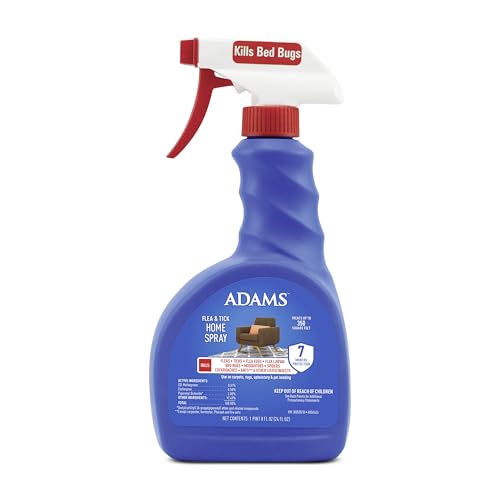
- Automotive Flea Spray with IGR: This is the most critical product. Look for a spray specifically labeled as safe for automotive interiors that contains an Insect Growth Regulator (IGR) like Methoprene or Pyriproxyfen. Brands like Novacide or Adams often have suitable options.
- Diatomaceous Earth (Food Grade): A natural, non-toxic powder that kills fleas by dehydrating them. Ensure it is “food-grade,” as this is safer to handle.
General & Safety
- Trash Bags: For immediately sealing and disposing of vacuum contents and any infested trash from the car.
- Gloves and Respirator Mask: Essential for safety when applying any chemical spray in an enclosed space.
- Washing Machine & Hot Water: For cleaning all removable fabrics.
What Are the 7 Steps to Completely Remove Fleas From Your Car?
Follow this proven, 7-step process to systematically and permanently remove the car flea infestation. Do not skip any steps, as each one is designed to target a specific part of the flea life cycle.
Step 1: How Do You Prepare and Declutter the Vehicle?
First, remove all items from your car, including floor mats, seat covers, pet carriers, toys, and any trash. Fleas hide in every possible nook and cranny, so creating a completely empty space is the only way to ensure the treatment reaches every surface.
- Remove all loose items from the cabin and trunk. This includes blankets, jackets, gym bags, and children’s car seats.
- Take out all removable floor mats and any seat covers. These will be treated separately.
- Seal any washable items (blankets, pet beds) immediately in a plastic trash bag. This prevents fleas from escaping into your home on the way to the laundry room.
- Dispose of all trash from the car in a sealed outdoor garbage can.
This preparation is non-negotiable. A single infested blanket left behind can cause the entire infestation to start over.
Step 2: How Do You Thoroughly Vacuum Every Surface?
Thoroughly vacuum every surface of the car interior for 15-20 minutes, using a crevice tool to clean seams, under seats, and along floor edges. The vibration helps stimulate flea pupae to hatch. Immediately dispose of the vacuum bag or empty the canister outside in a sealed bag.
This is the single most important mechanical removal step. A meticulous vacuuming can remove up to 90% of flea eggs and larvae.
- Use a stiff brush to agitate the carpets and seats. This helps bring hidden eggs and larvae to the surface.
- Start vacuuming from the top down. Vacuum the seats, including between and underneath the cushions.
- Use the crevice tool to get deep into all seams, cracks, and corners where flea larvae hide. Pay special attention to the area where the carpet meets the car’s frame.
- Vacuum the entire floor, moving the front seats all the way forward and back to clean underneath them. Don’t forget the trunk.
- Immediately after finishing, take the vacuum outside. Seal the vacuum bag in a trash bag and throw it away in an outdoor bin. If your vacuum is bagless, empty the canister into a trash bag, seal it, and dispose of it.
Pro-Tip: The physical vibration and heat from the vacuum motor are crucial. They act as a signal for the dormant pupae to hatch into adult fleas, making them vulnerable to the chemical treatment you’ll apply next.
Step 3: How Do You Wash All Removable Fabrics Correctly?
Wash all removable fabrics from your car, such as floor mats, seat covers, and pet blankets, in the washing machine using the hottest water setting possible, ideally 140°F (60°C) or higher. Dry them on the highest heat setting for at least 30 minutes to kill any remaining fleas, eggs, or larvae.
Hot water and detergent are a lethal combination for all flea stages. You do not need any special flea-killing soaps.
Take the sealed bags of fabrics you prepared in Step 1 directly to the laundry room. Wash on the hottest setting your fabrics can tolerate. For most items, this will be wash + 60C. After washing, dry on high heat for a full cycle. The intense heat of the dryer will ensure nothing survives. Do not return these clean items to the car until after the final treatment is complete.
Step 4: How Do You Apply a Flea Treatment Spray with IGR?
Apply a flea spray containing an Insect Growth Regulator (IGR) to all fabric surfaces in the car, including carpets, seats, and the trunk. An IGR prevents flea eggs and larvae from developing into adults, breaking the life cycle. Ensure proper ventilation by opening all doors and wear protective gear.
This is where you chemically interrupts life cycle of the fleas. A standard flea spray kills adults, but an IGR provides residual efficacy that stops the next generation.
⛔ CRITICAL SAFETY WARNING: Always read and follow the product label’s instructions. Use a spray specifically labeled as safe for car interior. Ventilate the vehicle by opening all doors and windows during and after application. Wear gloves and a respirator mask to avoid inhaling fumes.
- Put on your gloves and mask.
- Apply a light, even mist of the IGR spray to all fabric surfaces. Do not oversaturate.
- Focus on key areas: carpets, under the seats, the seats themselves (especially cloth), and the trunk area.
- Allow the vehicle to air out completely with the doors open for the time specified on the product label (usually a few hours) before closing it up.
Step 5: How Do You Use Natural Methods Like Diatomaceous Earth?
For a natural method, sprinkle a light layer of food-grade diatomaceous earth or a mixture of salt and baking soda onto the car’s carpets and upholstery. Let it sit for 12-24 hours to dehydrate and kill fleas, then vacuum it up thoroughly.
If you prefer a natural flea killers approach or want a secondary treatment, diatomaceous earth (DE) is a great option. It consists of fossilized algae with microscopic sharp edges that cut through a flea’s exoskeleton, causing it to die from dehydration in a desiccation process.
- Ensure you are using food-grade diatomaceous earth, which is uncalcined and safe to use around pets and people.
- Lightly sprinkle powder over the carpets and cloth seats. You only need a fine dusting.
- Use a brush to work the powder deep into the fibers.
- Let it sit for at least 12 hours, or up to 24 for best results.
- Vacuum thoroughly to remove all the powder and the dead fleas. Dispose of the vacuum contents safely outside.
While effective against adult and larval fleas, DE has little effect on the protected pupal stage, making it slower than an IGR spray for heavy infestations.
Step 6: How Do You Set Flea Traps to Monitor and Capture Survivors?
After treatment, place a flea trap with a light and a sticky pad inside the car overnight to monitor for and capture any surviving or newly hatched fleas. This helps you confirm if the treatment was successful or if a follow-up is needed.
This step is your quality control check. It answers the question, “how to tell if fleas are gone from car?”
- Place one flea trap for car on the floor in the front passenger area and another on the floor in the back.
- Turn the trap on overnight. The light and warmth attract newly hatched fleas, which then get stuck to the adhesive pad.
- Check the trap in the morning. A few fleas are expected as pupae continue to hatch. A large number may indicate you missed a spot.
- This monitoring process gives you peace of mind and confirms the infestation is dwindling.
Step 7: How Do You Repeat the Process to Break the Life Cycle?
To completely break the flea life cycle, you must repeat the treatment process, especially thorough vacuuming, 10 to 14 days after the initial cleaning. This targets the new adult fleas that have hatched from the chemical-resistant pupal stage before they can lay more eggs.
This step is the difference between success and re-infestation.
Remember the pupal window we discussed? The initial treatment killed the adults and larvae, and the IGR is preventing new eggs from developing. However, the pupae that were already in their cocoons were unaffected. Over the next two weeks, they will hatch. The repeat repeat treatment catches these new adults, eliminating them for good and breaking the flea cycle permanently.
How Do Natural Remedies Compare to Chemical Sprays for Car Fleas?
Choosing between a natural vs chemical approach depends on your priorities regarding safety, speed, and the severity of the infestation. While natural flea killers like diatomaceous earth can be effective, chemical sprays with an Insect Growth Regulator (IGR) are generally more potent and faster for clearing a heavy flea infestation.
Here is a direct comparison to help you decide.
| Feature/Aspect | Chemical Sprays (with IGR) | Natural Remedies (Diatomaceous Earth/Salt) |
|---|---|---|
| Effectiveness | Very High. Kills adults and prevents egg/larva development. | Moderate. Kills adults and larvae by contact/dehydration. |
| Speed of Action | Fast. Kills adults on contact, residual action works for weeks. | Slow. Requires hours or days of contact to be effective. |
| Impact on Life Cycle | Excellent. interrupts life cycle by targeting multiple stages. | Poor. No effect on the protected pupal window. |
| Safety | Requires caution. Use pet-safe car spray, ventilate well. | High. non-toxic flea treatment when using food-grade products. |
| Ease of Use | Simple spray application. | Can be messy to apply and vacuum up. |
| Best For | Heavy infestations, long-term prevention. | Light infestations, chemical sensitivity, follow-up treatments. |
For most people dealing with a frustrating car flea infestation, a pet-safe car spray containing an IGR is the most reliable and fastest solution. Natural methods are best used for very light infestations or as a follow-up measure.
How Can You Prevent Future Flea Infestations in Your Car?
Preventing future fleas is far easier than eliminating an existing infestation. The strategy is two-pronged: treat the source (your pet) and maintain the environment (your car).
- Treat the Source: This is the most important step. If your pet brings fleas into the car, infestations will be a constant problem. Use a veterinarian-approved monthly flea preventative (like a spot-on treatment or oral medication) year-round.
- Vacuum Regularly: If your pet travels in the car often, make a habit of vacuuming the seats and floors weekly. This will remove any stray fleas or eggs before they can establish a population.
- Wash Bedding Frequently: Regularly wash your pet’s blankets, carriers, and any covers you use in the car in hot water.
- Groom Your Pet: After walks in wooded areas or parks, use a flea comb on your pet before they get into the car. This can catch hitchhiker fleas before they jump off.
- Be Mindful of Infested Areas: If you visit a location known to have fleas (like a friend’s house with an infested pet), take precautions. Check your clothing and consider leaving pet carriers outside.
By making these simple actions part of your routine, you can create a safe environment for kids and pets and ensure your car remains a flea-free zone.
FAQs About How to get rid of fleas from car
Can fleas live in a car?
Yes, fleas can absolutely live and create a breeding population in a car. The carpets, upholstery, and hidden crevices provide an ideal environment for eggs, larvae, and pupae to develop. A car provides shelter and readily available hosts (pets or people) for blood meals, allowing the infestation to sustain itself.
How long can fleas live in a car without a host?
Adult fleas can survive for 1-2 weeks in a car without a blood meal, but the infestation can last much longer. The pupae can remain dormant in their cocoons for up to 5 months, waiting for signs of a host like heat or vibrations from the car starting before hatching. This is why a car can seem flea-free and then suddenly have a new wave of adults.
Can I use a flea bomb or fogger in my car?
It is generally not recommended to use a flea bomb (total release fogger) in a car. The concentrated chemicals can damage sensitive interior surfaces and electronics, and they often fail to penetrate the cracks and crevices where flea larvae and pupae hide. A targeted car flea spray is a safer and more effective option.
Will high heat kill fleas in a car?
Yes, high heat is very effective at killing fleas in all life stages. If the interior of your car can reach and sustain a temperature above 100°F (38°C) for several hours, it will kill most fleas and eggs. Parking in direct, hot sun can help, but a steam cleaner that produces heat over 140°F is a more reliable method for direct application to fabrics.
Can fleas live in leather car seats?
Fleas cannot live in leather, but they can live around it. While leather seats are non-porous and don’t provide a place for larvae to burrow, fleas can still thrive in the seams, cracks, and the carpeting underneath the seats. You must still thoroughly vacuum and treat the areas around leather seats.
How did fleas get in my car in the first place?
The most common way fleas get into a car is by hitching a ride on a pet, like a dog or cat. They can also be brought in on infested blankets, clothing, or from a person who has recently been in a flea-infested area. Fleas from an infested yard can easily jump onto a person or pet just before they get into the vehicle.
Does isopropyl alcohol kill fleas on contact?
Yes, spraying isopropyl (rubbing) alcohol directly on a flea will kill it on contact through dehydration. However, it is not a practical solution for an infestation. It has no residual effect to kill eggs or pupae, evaporates quickly, and can be a fire hazard. It can also damage or discolor some car interior fabrics and plastics.
How do I know if the fleas are gone from my car?
The best way to know if fleas are gone is to see no new bites and find no fleas on a monitoring trap. Place a sticky flea trap in the car overnight a week after your final treatment. If the trap remains empty for several days in a row, and you are not getting bitten, the infestation is likely eliminated.
Can I just get a car wash to get rid of fleas?
No, a standard car wash will not get rid of a flea infestation. While a deep interior detailing might help, a typical wash and vacuum is not thorough enough. It will not kill the eggs, larvae, and pupae hidden deep in the carpet fibers and upholstery, leading to an inevitable re-infestation.
Should I treat my pet if my car has fleas?
Absolutely. If your car has fleas, your pet is almost certainly the source or a carrier. You must treat your pet with a veterinarian-approved flea preventative at the same time you treat your car and home. Failing to treat the pet will guarantee that the car becomes re-infested almost immediately.
Key Takeaways: How to Get Rid of Fleas From a Car Summary
- Target the Entire Flea Life Cycle: Success depends on killing not just adult fleas, but also the eggs, larvae, and pupae. Adults are only 5% of the infestation; the rest are hidden in your car’s carpets and seats.
- Vacuuming is Your Most Powerful Tool: A thorough, deep vacuuming with a HEPA filter vacuum removes the most fleas at all stages and stimulates hardy pupae to hatch, making them vulnerable to treatment.
- Use a Spray with an IGR: An Insect Growth Regulator (IGR) is a proven method that interrupts the life cycle of fleas, preventing eggs and larvae from maturing into biting adults. This is a critical component for long-term success.
- Repetition is Mandatory, Not Optional: You must repeat the vacuuming and treatment process 10-14 days after the initial cleaning to kill the new fleas that have hatched from the chemical-resistant pupal window.
- Treat the Source (Your Pet): A car infestation is almost always linked to a pet. You must treat your pet with a vet-approved flea preventative simultaneously to stop the cycle and prevent future fleas.
- Heat is an Effective Killer: Washing fabrics on a hot cycle (140°F/60°C) and using a steam cleaner are highly effective, chemical-free ways to kill all flea stages on contact.
- Safety First: When using any chemical flea treatment for car interior, ensure it’s labeled as safe for automotive use, wear protective gear, and ventilate the vehicle thoroughly during and after application.
Final Thoughts on Eliminating Car Fleas
Eliminating a flea infestation from your car is more than just a cleaning task; it’s a strategic battle against a resilient pest. By understanding and targeting the entire flea life cycle, you move from a cycle of frustration to a position of control. The combination of mechanical removal through deep vacuuming, thermal death through hot washing, and chemical control via an IGR spray is a powerful, proven methods that delivers real results.
Remember that a clean car is only safe as long as its primary passenger—your pet—is also protected. Consistent prevention is the ultimate key to ensuring you never have to deal with itching while driving again. With the knowledge from this guide, you are now fully equipped to not only solve your current flea problem but to keep your vehicle a comfortable and pest-free space for every journey ahead.
Last update on 2026-03-04 / Affiliate links / Images from Amazon Product Advertising API


![How to Start a Car Lot With No Money Zero Capital Guide [year]](https://i0.wp.com/carxplorer.com/wp-content/uploads/2026/03/How-to-Start-a-Car-Lot-With-No-Money-Zero-Capital-Guide-year-2.jpg?resize=60%2C60&ssl=1 "How to Start a Car Lot With No Money Zero Capital Guide [year] 4")


