Struggling with a stubborn odor in your car seats that just won’t go away? You’re not alone; many drivers find that lingering smells from spills, pets, or smoke can make any trip unpleasant. This issue often seems impossible to solve with simple air fresheners.
The most effective method to get odors out of car seats involves four main steps: 1) Thoroughly vacuum the seat to remove all loose debris. 2) Apply a cleaning solution and gently scrub the affected area. 3) Blot the seat with a clean, dry towel to lift moisture. 4) Ventilate the car and allow the seat to dry completely. This process targets the source of the smell, rather than just masking it.
Based on an analysis of proven professional and DIY methods, this guide provides a systematic approach to permanently eliminate odors. You will discover exactly how to tackle any smell by matching the right cleaning agent to both the specific odor source and your car’s upholstery, whether it’s cloth or leather.
Key Facts
- Enzyme Cleaners are Essential for Organic Odors: For smells from sources like milk, vomit, or urine, an enzyme cleaner is required. It releases proteins that chemically break down the organic waste, eliminating the odor at its source.
- Baking Soda is a Powerful Neutralizer: Sprinkling baking soda on dry cloth seats and letting it sit can effectively absorb and neutralize many acidic odor molecules, making it a powerful and inexpensive deodorizing tool.
- Oversaturation is the Enemy: Soaking a car seat’s absorbent foam with too much liquid is a primary cause of mildew growth and musty smells. Always use cleaning solutions sparingly and prioritize drying.
- Leather Requires pH-Neutral Cleaners: Unlike cloth, leather is a natural hide that can be damaged by acidic cleaners like vinegar. Using a dedicated, pH-neutral leather cleaner is critical to avoid drying out or staining the material.
- Air Fresheners Only Mask Odors: Industry analysis confirms that air fresheners and car colognes do not eliminate odors; they only cover them temporarily. True odor removal requires cleaning the source.
How to Get an Odor Out of Car Seats? (A 4-Step Method)
The most effective method to get odors out of car seats involves four main steps: 1) Thoroughly vacuum the seat to remove all loose debris. 2) Apply a cleaning solution and gently scrub the affected area. 3) Blot the seat with a clean, dry towel to lift moisture. 4) Ventilate the car and allow the seat to dry completely. This proven 4-step framework provides a universal starting point for tackling nearly any smell. Following this process ensures you are cleaning deeply and removing the source of the odor, not just temporarily hiding it. Each step is critical for a successful and permanent result.

This method creates a clear path to a fresher car interior. By systematically removing debris, treating the stain, extracting the grime, and drying properly, you prevent new problems like mildew from forming. Now, let’s break down each step in detail.
Step 1: How Do You Thoroughly Vacuum and Prepare the Seat?
Before applying any liquid, you must remove all loose debris. This is the most critical preparation step. Skipping it can turn loose dirt and crumbs into mud, making the stain worse and harder to remove. A thorough vacuuming ensures your cleaning solution can work directly on the odor source. From our experience, spending an extra few minutes on this step saves a lot of time later.
First, use a stiff detailing brush to agitate the fabric, especially in seams and textured areas. This action dislodges embedded dirt, pet hair, and food particles that the vacuum might otherwise miss. Then, spend at least 3-5 minutes vacuuming each seat. Use a crevice tool to get deep into the tight spaces where debris loves to hide.
Key Areas to Vacuum:
* Between the seat bottom and backrest.
* Along all fabric seams and stitching.
* Around and under the seat belt buckles.
* Under the headrest and along seat adjustment levers.
Step 2: How Do You Choose and Apply a Cleaning Solution?
With the seat prepared, it’s time to apply a cleaning agent. The key is to use a light mist and avoid oversaturation. Soaking the car seat foam [the absorbent padding beneath the fabric] can lead to mildew, creating a new, musty odor that’s even harder to remove. Always test any cleaning solution on an inconspicuous area first, like the underside of the seat, to ensure it doesn’t cause discoloration.
Here are two effective DIY solutions for most common odors on cloth seats:
- White Vinegar Solution (For General Odors): Mix equal parts white vinegar and water in a spray bottle. White vinegar is a natural deodorizer that neutralizes many alkaline odor particles. Lightly spray the affected area.
- Baking Soda Paste (For Tougher Spots): Mix three parts baking soda with one part water to form a paste. Apply a thin layer to the odorous spot, let it sit for 15-20 minutes, and then proceed to the next step.
Step 3: How Do You Agitate and Blot the Area?
After applying your chosen cleaner, you need to work it into the fabric and then lift it, along with the dissolved grime, back out. This is a two-part process: agitating and blotting.
First, agitate the area. This means gently scrubbing the cleaner into the fabric to help it break down the odor-causing agents. Use a soft-bristled interior detailing brush and work in gentle, circular motions. Do not scrub harshly, as this can damage fabric fibers and cause pilling.
Second, blot the area immediately. Press a clean, dry microfiber towel firmly onto the wet spot. The absorbent fibers of the towel will pull the moisture, cleaner, and dissolved odor source out of the seat. Repeat with a dry section of the towel until no more moisture is being lifted. Remember to blot, don’t rub. Rubbing can spread the stain and fray the fabric.
Step 4: How Do You Properly Dry and Ventilate the Area?
This final step is non-negotiable for mildew prevention. Trapped moisture is the number one cause of new, musty odors after cleaning. The car seat must be 100% dry before you close up the car for an extended period. Real-world experience shows this can take anywhere from 6 to 24 hours, depending on the climate.
To properly dry the seat, ensure there is maximum ventilation. Open the car doors or windows to allow air to circulate freely. You can accelerate the process significantly with these methods.
Effective Drying Methods:
* Use a Fan: Point a household fan directly at the wet area.
* Use Sunlight: If possible, park the car in direct sunlight for a few hours. The UV rays also help kill any remaining bacteria or mold spores.
* Use a Wet Vac: If you have a wet/dry vacuum or hot water extractor, use its vacuum function to pull out the remaining moisture.
Pro Tip: Never use a high-heat hair dryer or heat gun to dry the seats. Excessive heat can permanently set some stains or even melt synthetic fabric fibers.
How Do You Clean Odors from Cloth vs. Leather Car Seats?
The most important rule is to match your method to the material: for cloth car seats, solutions like diluted vinegar are effective, but for leather car seats, you must use a pH-neutral cleaner specifically designed for leather to prevent damage. Understanding this distinction is the key to safely and effectively removing odors without causing costly harm to your car’s interior. Leather and cloth have fundamentally different properties and react differently to cleaning agents.
Cleaning Odors from Cloth Car Seats
Cloth car seats [upholstery made from synthetic fabrics like polyester or nylon] are more absorbent and generally more tolerant of various DIY cleaners. The open weave of the fabric allows odors to penetrate deep into the car seat foam.
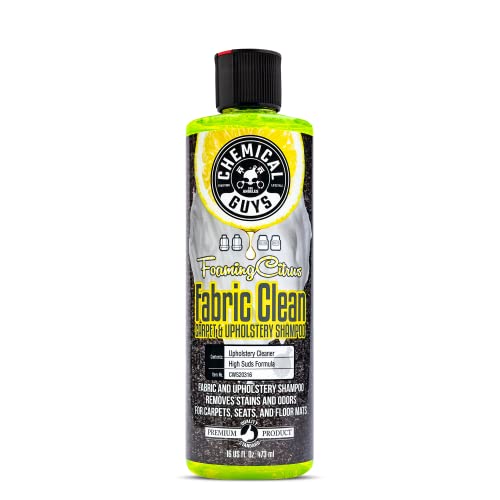
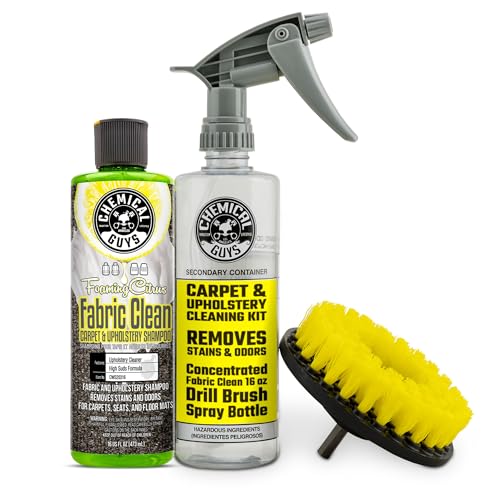
- Safe Cleaners: You can safely use a 50/50 white vinegar and water solution, a baking soda paste, or a dedicated upholstery shampoo. For tough organic smells, an enzyme cleaner is the best choice.
- Method: The 4-step method described above (vacuum, spray, agitate/blot, dry) is perfectly suited for cloth seats. Because cloth is so absorbent, the main precaution is to avoid oversaturating the seat.
Cleaning Odors from Leather Car Seats
Leather seats [upholstery made from a natural, porous hide] require a more delicate approach. The wrong cleaner can strip the leather’s natural oils, leading to dryness, cracking, and discoloration.
- Safe Cleaners: Only use a pH-neutral cleaner specifically formulated for leather. Never use vinegar, ammonia, or bleach-based products, as their acidity or alkalinity will damage the finish.
- Method: The process is different. Never spray cleaner directly onto the leather. Instead, apply a small amount of the pH-neutral cleaner to a microfiber towel, gently wipe the surface, and immediately dry it with a second, clean towel.
- Conditioning is Crucial: After cleaning, you must apply a leather conditioner. This replenishes the essential oils and moisture, keeping the leather soft and protecting it from future damage.
| Feature | Cloth Car Seats | Leather Car Seats |
|---|---|---|
| Safe Cleaners | Vinegar/water mix, baking soda, enzyme cleaners, upholstery shampoo | pH-neutral leather cleaner, small amount of mild soap in water |
| Tools | Soft brush, microfiber towels, wet vac | Soft brush, 2-3 microfiber towels (one for cleaning, one for drying, one for conditioning) |
| Method | Spray, agitate, blot, dry | Apply cleaner to towel (not seat), wipe, dry immediately, condition |
| Crucial Precaution | Avoid oversaturation of foam | Never use vinegar, bleach, or ammonia. Always condition after cleaning. |
How to Clean Odors from Specific Stubborn Sources
Sometimes, a general cleaning isn’t enough. For stubborn, nasty smells from specific sources like vomit, smoke, or mildew, you need a targeted solution that addresses the unique chemistry of the odor. Here’s how to tackle the toughest challenges.
For Vomit, Urine, and Other Organic Waste
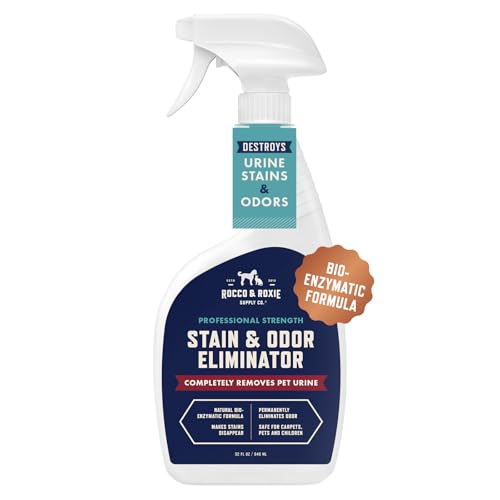
To remove vomit or urine smell from a car seat, you must use an enzymatic cleaner. These smells are caused by bacteria breaking down proteins in the organic waste. Standard cleaners won’t work. An enzyme cleaner contains specific proteins that actively seek out and break down the organic molecules causing the odor, eliminating it at its source.
- Remove any solid material first.
- Lightly blot the area to absorb excess liquid.
- Saturate the affected area with a quality enzyme cleaner, allowing it to penetrate the fabric and foam.
- Let it dwell for the time specified on the product label (often 30-60 minutes).
- Blot the area dry and allow it to fully ventilate.
For Smoke Smell (Cigarette or Weed)
To remove smoke smell, you must clean all interior surfaces and then use an absorbent to capture lingering odor particles. Smoke particles are tiny and get everywhere, including the headliner, carpets, and air vents.
- Start by thoroughly cleaning all hard and soft surfaces with an appropriate cleaner.
- Shampoo the cloth seats and carpets using a wet vac if possible.
- After cleaning, place several bowls of an odor absorbent in the car. Good options include activated charcoal, fresh coffee grounds, or white vinegar.
- Close the doors and windows and let the absorbent sit overnight to trap the remaining odor molecules.
For Musty or Mildew Smell
A musty smell indicates the presence of mold or mildew, usually caused by trapped moisture. The goal is to kill the microbial colonies and completely dry the area.
- Identify the source of the moisture if possible (e.g., a leak or a previous spill that didn’t dry).
- Lightly spray the affected area with a solution of one part white vinegar and two parts water. The acidity of the vinegar helps kill mold spores.
- Park the car in direct, bright sunlight for several hours. The UV radiation is a natural sanitizer.
- Ensure 100% complete drying with fans and ventilation to prevent regrowth.
FAQs About how to get odor out of car seats
How do you get a smell out of car seat straps?
To clean car seat straps, use a cloth dampened with a solution of mild soap and water. Never submerge or soak seat belt or car seat harness straps in water, as this can weaken the fibers and compromise their safety performance. Gently wipe the straps, then rinse with a cloth dampened with plain water, and allow them to air dry completely before use.
Can baking soda alone remove car odors?
Yes, baking soda is excellent at absorbing and neutralizing many common odors. For a simple deodorizing treatment, sprinkle a generous layer of baking soda over your dry cloth car seats. Let it sit for at least 30 minutes, or even overnight for severe odors, and then vacuum it up thoroughly. It works by absorbing the acidic molecules that cause bad smells.
Is white vinegar safe for all car seats?
No, white vinegar is not recommended for leather car seats. While a diluted vinegar solution is very effective on cloth upholstery, its acidic nature can dry out and potentially damage the finish of leather. For leather, you must use a dedicated, pH-neutral leather cleaner to safely remove odors without harming the material.
How do you get a sour milk smell out of a car seat?
To remove sour milk smell, you must use an enzyme cleaner. The smell is caused by bacteria feeding on the milk proteins. First, blot any remaining liquid. Then, saturate the area with a high-quality enzyme cleaner and let it dwell according to the product’s directions. The enzymes will break down the proteins, eliminating the source of the odor.
What is the best way to get dog smell out of car seats?
The best way to remove dog smell is a two-step process: deep clean and then neutralize. First, vacuum thoroughly to remove all pet hair and dander. Then, clean the seats with an upholstery cleaner or an enzyme cleaner for any specific spots. Finally, sprinkle baking soda over the dry seats and let it sit overnight before vacuuming again to absorb any lingering odors.
How do you remove a musty or mildew smell?
A musty smell is caused by moisture trapped in the foam, so the key is to kill the mildew and dry the seat completely. Lightly spray the area with a solution of one part white vinegar and two parts water. Allow the car to ventilate in direct sunlight if possible, as UV rays help kill mold spores. Ensure the seat is 100% dry afterward.
Can I use a steam cleaner on my car seats?
Yes, a steam cleaner can be very effective, but with caution. Steam is excellent for killing bacteria and deodorizing. However, use a low-moisture setting and a proper upholstery attachment. Avoid oversaturating the seat, especially the foam underneath. This method is generally safer for cloth than for most types of leather, which can be damaged by high heat.
How do professionals get smells out of cars?
Professionals often use a combination of deep cleaning and an ozone generator. They start with a hot water extractor (wet vac) to deep clean the fabric and foam. For persistent odors like smoke, they then use an ozone (O3) generator. Ozone is a powerful oxidizing agent that alters the chemical structure of odor molecules, permanently eliminating them. This requires professional handling due to safety concerns.
Will an air freshener get rid of the odor?
No, an air freshener will only mask the odor temporarily. It covers the bad smell with a stronger, more pleasant scent but does not address the root cause. To permanently eliminate an odor, you must find the source (e.g., bacteria from a spill) and remove it through proper cleaning and neutralization.
How can I prevent future car seat odors?
To prevent odors, clean up spills immediately before they soak in. Keep a small “spill kit” in your car with a microfiber towel and a small bottle of upholstery cleaner. Use car seat covers for children and pets to protect the underlying fabric. Finally, regularly vacuuming your car’s interior will prevent the buildup of odor-causing debris.
Key Takeaways: How to Get Odor Out of Car Seats Summary
- Identify the Source First: Before cleaning, you must identify the source and type of odor. General mustiness requires a different approach than a specific organic spill like milk or vomit.
- Material Dictates Method: Always adapt your cleaning method to the material. Use vinegar or upholstery shampoo on cloth seats, but only use a dedicated, pH-neutral cleaner and conditioner on leather seats to prevent damage.
- Use Enzymes for Organic Odors: For smells from organic sources like urine, vomit, blood, or milk, a standard cleaner is not enough. An enzyme cleaner is required to chemically break down the proteins and eliminate the odor at its source.
- Blot, Don’t Rub, and Never Oversaturate: When cleaning, gently agitate the cleaner and then blot with a dry towel to lift the stain. Never rub, as it can damage fibers. Avoid soaking the seat, as trapped moisture in the foam will lead to mildew.
- Baking Soda and Vinegar are Powerful Tools: For general deodorizing on cloth, baking soda is excellent for absorbing smells, and a diluted white vinegar solution is great for neutralizing them. These are effective, low-cost first steps.
- Drying is a Critical Step: An incompletely dried seat is a breeding ground for mildew. Ensure 100% dryness by providing ample ventilation, using a fan, or parking in the sun. This step is as important as the cleaning itself.
- Air Fresheners Mask, They Don’t Eliminate: To permanently get rid of an odor, you must remove its source. Air fresheners only cover up the problem temporarily and are not a long-term solution.
Final Thoughts on Removing Car Seat Odors
Successfully removing odors from car seats is less about magic and more about method. By understanding that you must attack the source of the smell, you move beyond the temporary fix of an air freshener and into a permanent solution. The key to a fresh-smelling interior lies in correctly identifying the problem, choosing the right tool for the job—whether that’s a simple vinegar solution for cloth or a specialized enzyme cleaner for organic spills—and respecting the material you’re working with.
Most importantly, never underestimate the final step: complete drying. A clean but damp seat will only trade one bad smell for another. Armed with this knowledge, you are now fully equipped to tackle any odor your car throws at you, restoring the comfort and enjoyment of your drive. The power to eliminate those stubborn, lingering smells is now in your hands.
Last update on 2026-03-04 / Affiliate links / Images from Amazon Product Advertising API