Thinking about how to cam a car to get that signature lumpy idle? You’re envisioning the power and sound, but the complexity of the engine modification process feels daunting. This is a common challenge for many DIY automotive enthusiasts.
To cam a car, you must first disassemble the top part of the engine to access the old camshaft, including removing the intake, timing cover, and valvetrain components like rocker arms and pushrods. You then carefully extract the old cam, install the new performance camshaft with proper lubrication, and reassemble the engine, ensuring the timing is set perfectly before tuning the ECU.
From the perspective of an expert engine builder, this guide is based on proven methodologies and hands-on experience. A camshaft [an internal engine part that controls valve timing] swap is a precision job. You’ll discover exactly how to select the right parts, follow a systematic installation process, and avoid common pitfalls for a successful upgrade.
Key Facts
- Significant Power Gains: A camshaft upgrade is one of the most effective ways to increase horsepower, with typical gains of 20 to 50+ horsepower on a V8 engine, according to aggregated dyno-tested results.
- Mandatory ECU Tuning: A professional ECU tune is not optional after a cam swap; industry analysis reveals it’s required to adjust fuel and timing maps to prevent potential engine damage and unlock performance.
- Project Cost: The total cost to cam a car, including parts and a professional tune, generally falls between $1,500 and $4,000, based on component choices and whether you perform the labor yourself.
- Time Commitment: For a DIY enthusiast, a camshaft installation is a significant undertaking, typically requiring a full weekend (16-20+ hours) to complete the job with precision.
- Critical Break-In: The initial 20-30 minutes of engine run time after installation constitute a critical break-in procedure, especially for flat-tappet cams, to prevent catastrophic lobe failure.
How to Cam a Car: The Definitive Step-by-Step Guide
Camming a car, or performing a camshaft swap, is a mechanical upgrade that replaces the engine’s stock camshaft with a performance one. This modification is designed to increase horsepower and alter the engine’s powerband for a dramatic change in performance and sound. The process involves significant engine disassembly to access and replace the camshaft and supporting valvetrain components. A successful camshaft installation requires precise timing, correct torque application, and a corresponding ECU tune to function correctly.

This guide provides a comprehensive, step-by-step walkthrough of the entire process, from parts selection to the final startup. It’s designed for the motivated DIY enthusiast who understands the basics of how an internal combustion cycle works.
Safety & E-E-A-T Disclaimer: This is an advanced mechanical procedure that carries the risk of severe engine damage if performed incorrectly. Always use safety goggles, refer to the manufacturer specifications for your specific engine for all torque values, and use a calibrated torque wrench. If you are unsure about any step, consulting a professional engine builder is highly recommended.
What Does Camming a Car Actually Accomplish?
A performance camshaft upgrade primarily accomplishes three things: increased horsepower, an altered powerband, and a changed idle quality. Beyond the raw numbers, it fundamentally changes the personality of your engine. By altering the valve timing, a new cam optimizes how much air and fuel get into the cylinders and when. This is the key to unlocking more power.
The primary benefits you can expect from a performance camshaft include:
* ✅ Increased Horsepower and Torque: By changing the cam duration—how long the valves stay open—a performance cam allows more air-fuel mixture into the cylinders. This directly results in a more powerful combustion event, typically adding 20 to 50+ horsepower based on dyno tested results.
* ✅ Altered Powerband: A new cam can shift where your engine makes peak power in the RPM range. A mild cam might boost low-end torque for better street driving, while an aggressive cam profile will move the powerband higher, ideal for racing applications.
* ✅ The Signature “Lumpy Idle”: The sought-after “choppy” or “lumpy” idle sound is a direct result of increased valve overlap in an aggressive cam profile. This is when both the intake and exhaust valves are slightly open at the same time, creating the distinct sound that signals a high-performance engine.
Pro-Tip: The key to a successful build is matching the cam to your goals. Think about your desired RPM range. Do you want more pulling power for towing, or do you want maximum horsepower at the drag strip? Your answer will guide your camshaft selection.
How Do You Choose the Right Camshaft for Your Build?
To choose the right camshaft, you must first define your performance goals and then match the cam’s specifications—like valve lift, cam duration, and lobe separation angle—to your engine and intended use. For daily drivers, you should select a “Stage 1” or mild cam with lower duration for better low-end torque and drivability. For dedicated race applications, a “Stage 2” or more aggressive cam with higher lift and duration will provide more peak horsepower.
Understanding Your Goals: Daily Driver vs. Race Car
Your driving habits are the most important factor. A cam designed for a drag car will be miserable in stop-and-go traffic because its power is all at high RPMs. Be honest about how you use your vehicle. A mild cam that provides a fun boost on the street is often more enjoyable than a race cam that’s hard to live with every day. You must also consider supporting modifications; an aggressive cam requires stronger valve springs, and an automatic transmission will likely need a higher-stall torque converter.
How to Read a Cam Card
The cam card is the camshaft’s birth certificate. It lists all critical specifications. The three most important are:
1. Lift: How far the valve opens. More lift generally means more airflow and more power.
2. Duration: How long the valve stays open, measured in degrees of crankshaft rotation. More duration moves the powerband to a higher RPM.
3. Lobe Separation Angle (LSA): The angle in degrees between the centerlines of the intake and exhaust lobes. A smaller LSA (e.g., 110°) creates more overlap and a lumpier idle, while a wider LSA (e.g., 114°) provides better drivability and engine vacuum.
Cam Stage Comparison
| Feature | Stage 1 Cam (Street) | Stage 2 Cam (Street/Strip) | Stage 3+ Cam (Race) |
|---|---|---|---|
| Powerband | Strong Low-Mid Range | Strong Mid-Top End | Max Power at High RPM |
| Idle Quality | Near Stock / Light Chop | Noticeable “Lumpy” Idle | Very Aggressive / Rough |
| HP Gain | +15-30 HP | +30-50 HP | +50-100+ HP |
| Drivability | Excellent | Good / May lose low-speed torque | Poor in traffic |
| ECU Tune | Recommended | Required | Required |
| Supporting Mods | Stock springs often okay | Requires stronger valve springs | Requires springs, converter, etc. |
What Tools and Parts Do You Need for a Cam Swap?
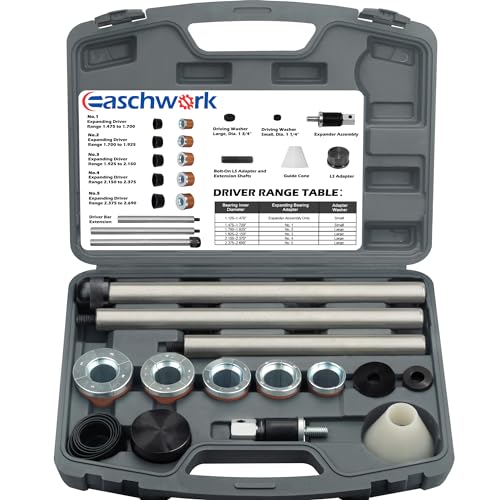
For a cam swap, essential parts include a new camshaft, lifters, valve springs, pushrods, a timing set, and a full engine gasket kit. Key tools include a complete socket set, a calibrated torque wrench, a harmonic balancer puller, a valve spring compressor, and a cam installation handle. Gathering everything before you start is a critical step that experienced engine builders never skip.
Required Tools Checklist
| Tool Category | Specific Items |
|---|---|
| Basic Hand Tools | Socket Set (Metric & SAE), Wrench Set, Screwdrivers, Pliers |
| Specialty Tools | Calibrated Torque Wrench, Harmonic Balancer Puller, Valve Spring Compressor |
| Measurement Tools | Pushrod Length Checker, Dial Indicator with Magnetic Base, Degree Wheel |
| Installation Aids | Cam Installation Tool (Handle), Piston Stop, Engine Turning Tool |
| Consumables | Assembly Lube, Gasket Scraper, Brake Cleaner, Shop Towels |
Required Parts Checklist
| Part Category | Specific Items | “While You’re In There” Upgrade |
|---|---|---|
| Core Components | Performance Camshaft, New Lifters (e.g., hydraulic roller) | N/A |
| Valvetrain | Matched Valve Springs, Hardened Pushrods, Upgraded Rocker Arms (Trunnion Kit for LS) | N/A |
| Timing | New Timing Chain & Gear Set, Cam Retainer Plate (if applicable) | Upgraded Oil Pump |
| Seals & Fluids | Front Timing Cover Seal, Water Pump Gaskets, Crank Bolt, Coolant, Oil & Filter | N/A |
How Do You Install a New Camshaft? (The 15-Step Guide)
The camshaft installation process involves draining fluids, removing engine accessories and the radiator, taking off the timing cover and valvetrain, swapping the old cam for the new one, re-aligning the timing marks, and reassembling the engine in reverse order using new gaskets and correct torque specs. This is a methodical process where precision is paramount.
Step 1: How Do You Prepare and Disassemble the Top End?
First, disconnect the battery for safety. Then, drain the engine oil and coolant completely. Begin removing components that block access to the front of the engine. This includes the air intake, belts, radiator, and water pump. From our experience, labeling every disconnected wire and hose with masking tape will save you hours during reassembly.
Step 2: How Do You Access the Timing Set?
Use a harmonic balancer puller to remove the main crankshaft pulley. This specialized tool is essential to avoid damaging the balancer or crankshaft. Be prepared for the main crank bolt to be extremely tight. Once the balancer is off, you can unbolt and remove the front timing cover to expose the timing chain and gears.
Step 3: How Do You Set the Engine to Top Dead Center (TDC)?
Rotate the engine by hand using a socket on the crank bolt until the timing marks on the crankshaft and camshaft gears are perfectly aligned. On most V8 engines, the cam gear mark will be at the 6 o’clock position and the crank gear mark at 12 o’clock, pointing directly at each other. This is the most critical step for ensuring correct timing upon reassembly.
Step 4: How Do You Remove the Valvetrain Components?
Remove the valve covers, then unbolt the rocker arms and pull out the pushrods. Keep these components organized in the exact order they came out, as they have worn into their specific positions. For LS engines, remove the lifter trays. For older engines, you will need to pull the lifters out from the top of the engine block.
Step 5: How Do You Remove the Old Camshaft?
Unbolt the camshaft retainer plate (if applicable) and carefully remove the timing chain. With the chain off, you can now thread a long bolt or a cam installation tool into the front of the camshaft. Pull the camshaft straight out of the engine block.
Warning: Be extremely careful not to drag the cam lobes across the cam bearings inside the block. Scratched bearings can cause a catastrophic drop in oil pressure.
Step 6: How Do You Install the New Lifters?
Soak your new lifters—especially hydraulic roller types—in fresh engine oil for at least 30 minutes. Apply a generous coat of assembly lube to the bottom of each lifter before carefully inserting them back into their bores in the engine block. Never reuse old lifters with a new cam.
Step 7: How Do You Prepare and Install the New Camshaft?
Liberally coat every lobe and journal of the new performance camshaft with high-quality assembly lube. This is not a place to be stingy; this lube is the only thing protecting the cam on its first startup. Using a cam installation tool, gently slide the new cam into the engine block, rotating it slightly to help it pass through the bearings without damage.
Step 8: How Do You Install the New Timing Set?
Install the new crankshaft gear and camshaft gear, followed by the new timing chain. Reinstall the cam retainer plate. The absolute most important action here is to ensure the timing marks on the gears are perfectly aligned just as they were during disassembly. Double and triple-check this alignment.
Pro Tip: How Do You Degree a Cam for Maximum Performance?
For ultimate precision, expert engine builders degree the cam. This involves using a degree wheel on the crankshaft and a dial indicator on a lifter to verify the cam’s valve timing events match the cam card specs exactly. This process accounts for small manufacturing tolerances and can unlock a few extra horsepower by ensuring the intake centerline is perfect.
Step 9: How Do You Reinstall the Timing Cover and Balancer?
Install a new front crankshaft seal into the timing cover. Apply a new gasket or RTV sealant as required by your engine’s manufacturer specifications, and reinstall the timing cover. Carefully tap the harmonic balancer back onto the crankshaft and tighten the new crank bolt to the specified torque, which is often a multi-stage torque-to-yield process.
Step 10: How Do You Check Pushrod Length?
A new cam and lifters often require a different pushrod length. Use an adjustable pushrod length checker to determine the exact length needed for proper lifter preload. This ensures the valvetrain operates quietly and efficiently. This is a step many beginners skip, often leading to valvetrain noise or damage.
Step 11: How Do You Install New Valve Springs?
Using a valve spring compressor, remove the old valve springs and install the new springs that are matched to your camshaft. This is necessary to handle the increased lift and RPM of the new cam and prevent valve float, which is a loss of valvetrain control at high engine speed. Be careful not to drop the tiny retainer keys into the engine.
Step 12: How Do You Install the Pushrods and Rocker Arms?
Install your new, correctly-sized pushrods. Place the rocker arms back onto their studs and tighten them down following the manufacturer’s specified torque sequence. For non-adjustable valvetrains like on an LS engine, you simply torque the bolts. For adjustable ones, you will need to set the valve lash.
Step 13: How Do You Finalize Engine Reassembly?
Reassemble the rest of the engine in the reverse order of disassembly. This includes reinstalling the intake manifold, fuel injectors, valve covers, water pump, radiator, belts, and all hoses. Use new gaskets for every component you removed.
Step 14: How Do You Prime the Oiling System?
This is a critical step to prevent a dry start and a wiped lobe. Before starting the engine, you must prime the oiling system. For older engines, this is done with a special priming tool that spins the oil pump with a drill. For modern engines like the LS, you can crank the engine for 15-20 seconds with the fuel pump relay removed until you see oil pressure on the gauge.
Step 15: How Do You Refill Fluids and Check for Leaks?
Refill the engine with fresh oil and the radiator with new coolant. Do a final check of all bolts, clamps, and fittings. Before the first start, carefully inspect the engine bay for any signs of fuel, oil, or coolant leaks.
What Are the Critical Post-Installation Steps?
After a cam install, you must first perform the engine’s initial startup and break-in. For flat tappet cams, this involves running the engine at 2,000-2,500 RPM for 20-30 minutes. After break-in, you absolutely need to get a professional ECU tune to recalibrate the engine’s fuel and spark timing for the new cam.
The First Start and Break-In
The first startup is a moment of truth. Once the engine fires, immediately check for oil pressure and listen for any unusual noises.
Critical Warning for Flat-Tappet Cams: If you installed a flat tappet camshaft, the break-in is non-negotiable. You must immediately bring the engine RPM to 2,000-2,500 RPM and hold it there for 20-30 minutes, varying the RPM slightly. This ensures the lifters rotate and mate properly with the cam lobes. Failure to do this will result in a wiped lobe within minutes.
The Mandatory ECU Tune
A new cam dramatically changes the engine’s airflow characteristics. The stock computer tune is no longer valid. The engine needs to be professionally tuned to adjust the fuel and ignition timing maps. Skipping this step will result in poor performance, terrible drivability, failed emissions tests, and the risk of running too lean or rich, which can cause engine damage.
FAQs About how to cam a car
How much does it cost to cam a car?
The cost to cam a car typically ranges from $1,500 to $4,000. The parts themselves (cam, springs, lifters, gaskets) can cost $800 to $2,000, while professional installation labor can add another $700 to $2,000. The mandatory ECU tune will cost an additional $400 to $800.
How long does it take to cam a car?
For an experienced mechanic, a cam swap takes approximately 8 to 15 hours. For a first-time DIYer, it’s wise to budget a full weekend (16-20+ hours) to account for unexpected issues, cleaning parts, and double-checking work. The time varies greatly depending on the engine type (e.g., LS vs. old Small Block).
Can you cam a car with the engine in?
Yes, on most pushrod V8 engines like the LS or Small Block Chevy, you can install a cam with the engine in the car. This is the standard procedure. However, you will need to remove the radiator and condenser to have enough clearance to slide the long camshaft out of the front of the engine block.
Do I need a tune after a cam swap?
Yes, an ECU tune is absolutely mandatory after a cam swap. A performance cam changes the engine’s airflow characteristics so dramatically that the stock fuel and ignition timing maps are no longer safe or effective. Skipping a tune will lead to poor performance, bad drivability, and potential engine damage.
How much horsepower does a cam really add?
A camshaft typically adds between 20 and 50 horsepower on an otherwise stock V8 engine. More aggressive “Stage 3” or “Stage 4” cams, when combined with other modifications like cylinder heads and intake manifolds, can add over 100 horsepower. The gains depend entirely on the cam’s specs and supporting mods.
Can you cam a V6 or 4-cylinder car?
Yes, you can install performance camshafts in almost any engine, including V6 and 4-cylinder models. However, the process is often more complex and expensive for Overhead Cam (OHC) engines, as they have two or four camshafts that are more difficult to access than the single, block-mounted cam in a pushrod V8.
What happens if the cam timing is off by one tooth?
If the cam timing is off by a single tooth, the engine will run very poorly or not at all. It can cause hard starting, constant misfires, a complete lack of power, and backfiring. In an interference engine, it can also cause catastrophic damage as the pistons can collide with the valves.
Will a performance cam pass emissions tests?
It depends on the cam’s specifications and your local laws. A mild, “emissions-friendly” cam with minimal valve overlap may pass. However, most aggressive performance camshafts with significant overlap will not pass modern tailpipe emissions tests, especially in states like California. Always check your local regulations.
What are the main risks of a cam swap?
The biggest risks are incorrect timing, valvetrain failure, and engine damage from a bad break-in. Incorrectly timing the cam can destroy the engine. Using mismatched valve springs can lead to valve float or broken springs. Improperly breaking in a flat tappet cam will “wipe” the lobes, sending metal through the engine.
Is a bigger cam always better?
No, a bigger cam is not always better. A very large, aggressive cam will produce high peak horsepower but will have poor low-speed torque, terrible drivability in traffic, and low engine vacuum, which can affect power brakes. The best cam is one that is properly matched to your car’s intended use.
Key Takeaways: How to Cam a Car Summary
- Choose the Right Cam: The most critical step is selecting a camshaft whose valve lift, cam duration, and lobe separation angle match your car’s intended use, whether for daily driving or racing. A bigger cam is not always better.
- A Tune is Not Optional: After installation, an ECU tune is mandatory. The engine’s computer must be recalibrated to account for the new airflow characteristics to prevent poor performance and potential engine damage.
- Get ALL the Parts: A cam swap is more than just the cam. You will need new lifters, valve springs, pushrods, gaskets, and fluids at a minimum. Create a comprehensive parts list before you start.
- Timing is Everything: The single most critical mechanical step is perfectly aligning the timing marks on the new camshaft and crankshaft gears. Being off by even one tooth can lead to poor running or catastrophic engine failure.
- Precision and Cleanliness are Key: This is a precision job. Use a calibrated torque wrench for every bolt, apply assembly lube generously to all moving parts, and keep your work area impeccably clean to prevent contamination.
- The Break-In Is Crucial: The first 20-30 minutes of runtime are vital, especially for a flat tappet camshaft. Follow the manufacturer’s break-in procedure exactly to ensure the lifters and cam lobes mate correctly and avoid a wiped lobe.
- It’s a Major Job: A cam swap is a complex and time-consuming project. For a DIYer, it can easily take a full weekend. Be prepared by having all the right tools, including specialty items like a harmonic balancer puller and valve spring compressor.
Final Thoughts on Your Cam Swap Journey
Successfully camming a car is one of the most rewarding DIY projects an enthusiast can undertake. It dramatically transforms a vehicle’s performance, sound, and overall character. The key to success is not brute force, but meticulous planning, choosing the right components for your goals, and executing each mechanical step with the precision of a surgeon.
From aligning the timing marks to torquing the final bolt and getting that essential ECU tune, every step matters. By following this guide, you are equipped with the knowledge of an expert engine builder. Take your time, double-check your work, and you’ll soon be enjoying the horsepower and sound you’ve been dreaming of.
Last update on 2026-03-04 / Affiliate links / Images from Amazon Product Advertising API