
Wondering how much it is to repaint a car door? You’re not alone. A nasty scratch or peeling clearcoat can ruin your car’s look, and getting a quote can be confusing.
On average, the cost to repaint a car door ranges from $300 to $1,500. This price includes professional labor and automotive grade materials. The final price depends on the extent of damage, the type of paint, and whether blending onto adjacent panels is needed for a seamless color match.
Based on an analysis of current professional shop quotes and industry standards, this guide breaks down every cost factor. You’ll learn what a fair price includes, from bodywork to the final polish. This reveals exactly what you’re paying for and why a quality paint job is a skilled investment.
Key Facts
- Average Cost Range: The typical cost for a professional car door repaint is between $300 and $1,500, depending on complexity and the shop’s labor rate.
- Labor is the Main Cost: Labor typically accounts for 70-80% of the total bill, covering meticulous prep work, painting, and finishing that can take several hours.
- Damage Drives the Price: Pre-existing damage like dents, deep scratches, or rust is the single largest factor that increases cost, as it requires significant bodywork before painting.
- Paint Type Matters: Three-stage pearl and metallic paints are significantly more expensive to apply than standard solid colors, requiring more material and higher technician skill.
- Blending is Crucial: For a perfect color match, professionals blend the new paint onto adjacent panels, a necessary step that adds $150-$300 but prevents a visible, mismatched repair.
How Much Does It Cost To Repaint a Car Door?
On average, the cost to repaint a car door ranges from $300 to $1,500. This price includes labor and materials for a professional job. Minor touch-ups can be cheaper, while complex repairs involving dent removal, three-stage pearl paints, and blending will push the cost towards the upper end of this estimate. A professional job ensures a durable, factory finish that restores your vehicle’s appearance.

The wide price range exists because a car door paint job is more than just applying color. The final car door painting cost is a combination of intensive labor and high-quality materials. Factors like the initial damage, such as a minor scratch repair versus a significant dent, play a huge role. Furthermore, your vehicle’s specific paint code and whether it requires a multi-layer metallic or pearl coat can dramatically affect the price.
Understanding these variables is key to evaluating a body shop quote. A cheap estimate might skip critical steps like proper surface preparation or blending, leading to a mismatched and short-lived repair. But what are you actually paying for when you get a professional quote? Let’s break down the costs to see where your money goes.
What Is the Detailed Cost Breakdown for a Professional Car Door Paint Job?
A professional car door paint job cost is primarily split between labor and materials. Labor, which is typically billed at a shop labor rate of $75 to $150 per hour, accounts for the majority of the bill. Materials, including primer, a specific basecoat, and a durable clearcoat, can range from $100 to over $400. This breakdown demystifies the total estimate and shows the value behind a quality repair.
Most of the time spent on the job is in preparation. This includes cleaning, sanding the surface, fixing any dents or deep scratches, and meticulously masking the car to prevent overspray. The painting process itself involves applying multiple coats of primer, color (basecoat), and a protective clearcoat, with specific flash time between coats. Finally, the finishing stage involves wet sanding and polishing to achieve a perfect gloss level.
Here is a typical breakdown you might see on a detailed body shop quote:
| Cost Component | Typical Price Range | Key Influences on Cost |
|---|---|---|
| Labor: Preparation (Sanding, Cleaning, Masking, Dent Repair) | $150 – $600 | Extent of existing damage (dent and scratch), need for rust on door edge removal. |
| Materials (Primer, Basecoat, Reducer, Clearcoat) | $100 – $400 | Paint type (three stage paint vs. standard), brand (PPG paint products), and quantity. |
| Labor: Painting (Application of Primer, Basecoat, Clearcoat) | $100 – $400 | Number of coats required, complexity of blending into panels, flash time between coats. |
| Labor: Finishing (Wet Sanding, Buffing, Polishing) | $75 – $250 | Desired gloss level, removal of imperfections like orange peel texture. |
| Total Estimated Cost | $425 – $1,650+ | Combination of all factors, including local shop labor rate. |
Pro Tip: Always ask for an itemized body shop quote that separates labor and materials. This allows you to compare different estimates accurately and understand exactly what services you are paying for.
As you can see, the final cost heavily depends on several key factors. Let’s explore the seven most important variables that influence your final bill.
What Are the 7 Key Factors That Influence Car Door Repainting Costs?
The price to repaint a car door isn’t a single number because every job is unique. Several key variables can dramatically change the final estimate. Understanding these factors will help you assess your specific situation and know what to expect when you get a quote. From the condition of your door to the type of paint on your car, here are the seven biggest influences on cost.
What Is Factor #1: The Extent of Pre-Existing Damage?
Pre-existing damage like dents, deep scratches, or rust is the single biggest factor that increases repainting costs. This is because painting is the final step; most of the labor is spent creating a perfectly smooth and stable surface. Prep work often accounts for 60% of the total labor on a repair.
A small surface scratch might only require light sanding. However, a deep scratch that has gone through the clearcoat and basecoat needs to be filled and feathered. A dent requires pulling or body filler, followed by extensive sanding and shaping. If there’s rust on the door edge, it must be completely removed to prevent it from bubbling up under the new paint. A perfect paint job on a damaged surface will still look flawed, so professionals spend the necessary hours to ensure the panel is flawless before any color is applied.
What Is Factor #2: The Type and Color of Your Car’s Paint?
The type of paint on your vehicle dramatically affects both material costs and labor time. Paints are generally categorized into three tiers of complexity and cost. A three stage paint job, for example, needs professional tools and significantly more time.
- Solid Colors: These are the most basic and least expensive. A simple black, white, or red requires a standard basecoat and clearcoat application.
- Metallic Paint Finish: This paint contains small aluminum flakes that create a sparkle. It costs more for the materials and requires more skill to apply evenly to avoid a blotchy or streaky appearance.
- Three-Stage (Pearl or Candy) Paints: This is the most expensive category. A pearl coat requires a solid base, a translucent mid-coat containing the pearl crystals, and a final clearcoat. This nearly triples the application time and material cost compared to a solid color.
What Is Factor #3: The Necessity of Blending Paint?
Blending is the process of fading the new paint onto adjacent panels to create an invisible repair. Any reputable shop will recommend blending for metallic or pearl colors to ensure a seamless color match. While this can add $150 to $300 to the job, it’s a critical step to avoid a noticeable, mismatched paint color.
Car paint fades over time due to sun exposure. Even with a perfect formula match, the new paint will be slightly different from the old, weathered paint on the fender or rear door. By lightly spraying the new color onto these adjacent panels, the technician creates a gradual transition that the human eye cannot detect. A shop that offers to do a “hard line” repair (stopping the new paint at the edge of the door) on these colors is cutting corners.
What Is Factor #4: The Amount of Disassembly Required?
The cost increases if the job requires removing the door handle, mirror, window trim, and weather stripping. This adds labor time but is crucial for a professional finish. Masking around a car door handle always leaves a paint edge that can start to peel over time. Proper disassembly is non-negotiable for a quality job.
While amateurs might try to save time by masking these components, a professional technician will remove them. This allows the new paint to wrap around the edges of the panel, creating a factory finish. It prevents overspray on your trim and ensures there are no visible tape lines. Removing these parts can add 30-60 minutes of labor but guarantees a more durable and cleaner-looking result.
What Is Factor #5: The Size of the Door and Vehicle?
Larger doors, such as those on trucks and SUVs, require more paint, clearcoat, and labor time. This is a simple matter of surface area. A Ford F-150 door has nearly 30% more surface area than a Honda Civic door, meaning it requires more materials and more passes with the spray gun.
The preparation time for sanding and masking also increases with the size of the panel. While it might seem like a minor factor, this can add $50 to $100 to the total cost when comparing a compact car to a large truck or van.
What Is Factor #6: The Quality of Materials Used?
The quality of materials, from the primer to the final clear coat, significantly impacts both the cost and the longevity of the paint job. Professional body shops use high-quality, automotive grade paint systems from brands like PPG paint products or Glasurit. These premium systems offer superior color match accuracy, durability, and UV protection.
While cheaper paints can look good initially, they often lack UV protection and can start to fade, peel, or fail within a few years. A high-quality clearcoat is scratch resistant and provides a deep, lasting gloss. Paying more for premium materials means you’re investing in a durable finish that will last for the life of the vehicle.
What Is Factor #7: The Auto Body Shop’s Labor Rate and Location?
A body shop’s hourly labor rate, which can vary from $75 to over $150, is heavily influenced by its geographic location, certifications, and reputation. Labor rates are the most variable component of any quote. A shop in a major metropolitan area with high overheads will naturally charge more than a rural shop.
Furthermore, a shop with certifications like I-CAR Gold Class or technicians who are ASE certified has invested in training and equipment. These credentials justify a higher shop labor rate because they correlate with more experienced technicians and better-quality repairs. Choosing a local shop versus a large chain can also impact price, so it’s wise to get quotes from a few reputable places.
Why Is Color Matching So Critical and How Do Professionals Achieve a Perfect Blend?
Professionals achieve a perfect color match using a combination of the vehicle’s factory paint code and a high-tech device called a spectrophotometer. This process ensures the new paint is visually identical to the surrounding panels, making the repair invisible. This is where the skill of a certified technician and the investment in professional tools truly pays off, especially for a three-stage pearl process.
Simply using the paint code on your car’s door jamb is rarely enough. Your car’s paint fades and changes over time due to sun exposure and environmental factors. To account for this, professionals follow a meticulous process to create a guaranteed color match.
Here is the step-by-step process used by top-tier auto body shops:
- Find the Factory Paint Code: The technician starts with the paint code provided by the manufacturer. This gives them the standard formula for the color.
- Digital Scan with a Spectrophotometer: For a precision match, the technician uses a spectrophotometer. Think of it like a digital scanner for color, but far more precise. It’s placed on the panel next to the damaged area and uses multiple light angles to analyze the exact shade, texture, and metallic flake size of the faded paint.
- Mix a Custom Variant: The data from the spectrophotometer is fed into a computer, which adjusts the original formula to create a custom variant that perfectly matches the car’s current color.
- Create a Spray-Out Card: Before painting the car, the technician sprays the custom formula onto a small test card. They hold this card up to the car door to verify it’s an exact match under different lighting conditions.
- Apply and Blend: Once the match is confirmed, the paint is applied to the door and expertly blended onto the adjacent panels for a completely seamless finish.
Common Myth: “The factory paint code is always a perfect match.” This is false. Factories often have multiple “variants” of the same color code, and years of sun exposure will alter the shade. Professional color matching is essential to account for these differences.
Is It Cheaper to Repaint a Car Door Yourself (DIY) vs. Hiring a Professional?
While a DIY car door repaint can be significantly cheaper, costing between $100 and $250 for materials, it rarely achieves the quality, durability, or seamless color match of a professional job. The decision between professional vs diy comes down to a trade-off between your budget, your expectations for the final finish, and your own time and skill.
A professional paint job costs more due to specialized equipment like an HVLP spray gun and a controlled paint spray booth, which are essential for a factory finish free of dust and imperfections. A DIY attempt in a driveway or garage is exposed to dust, humidity changes, and inconsistent lighting, all of which can ruin the final result. The biggest challenge for a DIYer is replicating the complex color matching and blending process we just discussed.
Here’s a realistic comparison to help you decide:
| Feature | DIY Repaint (Using Cans/Kits) | Professional Repaint (Body Shop) |
|---|---|---|
| Estimated Cost | $100 – $250 | $400 – $1,500+ |
| Finish Quality | Variable; often shows orange peel texture, uneven gloss. | Consistent, smooth factory finish. |
| Color Match | Difficult; relies on pre-mixed cans which may not match faded paint. | Excellent; uses spectrophotometer matching and blending. |
| Durability | Lower; less resistant to chipping and UV damage. | High; uses automotive grade basecoat clearcoat with warranty. |
| Time Investment | 8-12 hours of active work + curing time. | 15 minutes for drop-off and pickup. |
| Required Tools | Sandpaper, primer, paint, clearcoat, masking supplies. | Professional paint spray booth, HVLP spray technology, orbital sander. |
A DIY attempt requires purchasing sandpaper in multiple grits, a good quality primer, custom-mixed aerosol cans of basecoat, and a high-quality 2K clearcoat. For those determined to attempt a DIY repair on minor scratches or small areas, a high-quality automotive paint repair kit is essential to get the best possible result.
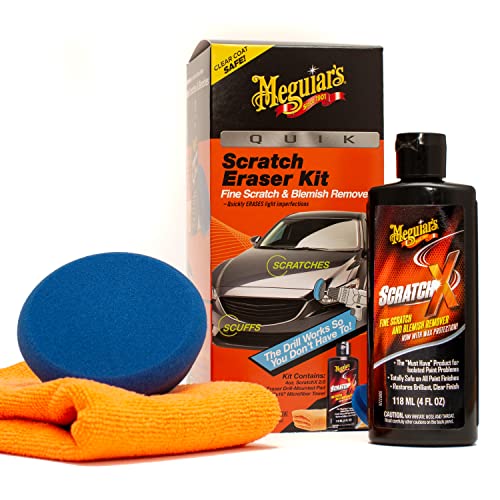
Even with a kit, achieving a professional result is extremely challenging. While you can save hundreds of dollars, it’s important to be realistic about the outcome.
Reality Check: Remember to factor in the cost of your own time and the risk of a mistake. A bad DIY job with runs, drips, or mismatched paint might require a professional to strip and repaint the entire door, potentially costing more in the end.
FAQs About how much is it to repaint a car door
How long does it take to repaint a car door?
A professional repaint of a single car door typically takes 2 to 3 days. While the active work might be 4-6 hours, the process involves multiple stages with required curing times. This includes time for body filler to dry, for primer to cure before sanding, and for multiple coats of basecoat and clearcoat to “flash off” between applications.
Is it cheaper to replace or repaint a car door?
It is almost always cheaper to repaint a car door than to replace it, unless the door has severe structural damage. A used door from a salvage yard might cost $200-$500, but it will still need to be repainted to match your car, adding to the total cost. A new OEM door shell can cost over $1,000 before any paint or labor is even considered.
Does repainting a door lower car value?
A high-quality, professionally repainted door does not lower a car’s value; in fact, it restores it. A mismatched, peeling, or scratched door is a major cosmetic flaw that will significantly reduce resale value. A seamless, well-blended repair makes the damage disappear and maintains the vehicle’s aesthetic appeal, which is crucial for preserving its market price. A poor-quality DIY job, however, will absolutely lower the value.
Can you paint a car door without taking it off?
Yes, professionals can and often do paint a car door while it is still on the car. However, they will typically remove the handle, mirror, and all trim to ensure a clean application. The adjacent panels (fender, roof, quarter panel) are carefully masked off to prevent overspray. This method is standard practice and ensures proper alignment and blending.
Why is painting a car door so expensive?
Painting a car door is expensive due to the high cost of skilled labor and professional-grade materials. Labor accounts for up to 80% of the cost and covers hours of meticulous prep work, dent repair, sanding, and polishing. High-quality automotive paint and clearcoat are also costly but are essential for a durable, long-lasting finish that matches the original factory look.
Final Thoughts
Determining how much it is to repaint a car door reveals that you’re paying for much more than just a coat of paint. You are investing in a technician’s skill, meticulous preparation, and advanced technology to restore your vehicle’s appearance and protect its value.
Here are the key takeaways to remember:
- The Cost Varies Widely: Expect to pay between $300 for a simple job and up to $1,500 for a complex repair involving significant damage and premium three-stage paint.
- Preparation is Everything: The majority of the cost is in the labor required to fix dents, sand the surface perfectly smooth, and prepare for painting. This is the step that separates a professional job from a DIY attempt.
- Color Matching is a Science: Achieving a seamless, invisible repair requires advanced tools like a spectrophotometer and the skill to blend paint onto adjacent panels. This is a non-negotiable for metallic and pearl colors.
- DIY is a Gamble: While cheaper upfront, a DIY paint job is risky. It’s unlikely to match the quality and durability of a professional finish and could even lower your car’s resale value if done poorly.
Ultimately, getting a few itemized quotes from reputable, certified body shops is the best way to find a fair price for your specific situation. By understanding the factors that influence the cost, you can make an informed decision and ensure you get a quality repair that lasts.
Last update on 2026-03-11 / Affiliate links / Images from Amazon Product Advertising API


