
Wondering how many quarts of paint to paint a car? You’re in the right place, trying to get a precise number to budget your project and avoid waste. This is a critical planning step for any automotive paint job.
For a standard, mid-size sedan, you will typically need 3 to 4 quarts of basecoat, 3 to 4 quarts of ready-to-spray clearcoat, and 2 to 3 quarts of primer. Larger vehicles like SUVs and trucks require 1 to 2 gallons of each. These amounts vary based on color change, paint type, and painter experience.
Based on professional auto body techniques, this guide provides reliable estimates. We will break down quantities by vehicle size, paint layer, and other key factors. You will learn to calculate exactly what you need by consulting paint manufacturer specifications for a flawless finish.
Key Facts
- Standard Sedan Estimate: A typical mid-size car requires approximately 3-4 quarts of basecoat and 3-4 quarts of clearcoat for a complete exterior repaint, according to automotive refinishing standards.
- Color Change Impact: Drastically changing a car’s color, especially from dark to light, can increase your basecoat paint needs by 25-50% to achieve full, even coverage.
- The 20% Rule: Industry best practice is to always purchase 15-20% more paint than your final estimate. This extra volume covers mixing, potential mistakes, and material for future touch-ups.
- Paint is a System: A modern paint job is not a single product. It’s a three-part system requiring separate volumes of primer for adhesion, basecoat for color, and clearcoat for protection and gloss.
- TDS is Law: The paint’s Technical Data Sheet (TDS) provides the exact, non-negotiable mixing ratios for reducers and activators. Following these chemical formulas is critical for paint durability.
How Many Quarts of Paint to Paint a Car?
The total paint volume needed depends on vehicle size, paint color, desired number of coats, and the painter’s technique. A typical mid-size sedan requires approximately 3-4 quarts of basecoat and 3-4 quarts of clearcoat for a complete exterior repaint. However, this is just a starting point for your calculation.

To get an accurate car paint quantity, you must move beyond simple forum anecdotes. The most reliable estimates come from understanding the variables that influence paint consumption. Always consult the paint’s Technical Data Sheet (TDS)—the manufacturer’s official guide—for precise coverage information. The concepts of surface preparation and mixing ratios, which we will explain later, also play a huge role in your final automotive paint volume.
The key influencing factors include:
* Vehicle Size: A compact car needs far less paint than a full-size truck.
* Paint Layers: You need to purchase separate quantities for primer, basecoat (color), and clearcoat.
* Color & Coverage: A drastic color change or using a transparent color like red requires more material.
* Application Method: Your spraying technique and equipment efficiency affect how much paint is wasted.
What Are The Average Paint Quantities By Vehicle Size?
To move from a general estimate to a number specific to your project, you need to match your vehicle’s class to standard automotive paint volume requirements. These industry standard estimates are based on applying 2-3 coats with a modern HVLP spray gun and do not include door jambs or the engine bay. The table below breaks down the paint required for a car into specific volumes for primer, basecoat, and clearcoat across common vehicle sizes.
| Vehicle Size & Examples | Primer (RTS) | Basecoat (RTS) | Clearcoat (RTS) |
|—|—|—|—|
| Compact Car (e.g., Honda Civic, VW Golf) | 2 – 3 Quarts | 2 – 3 Quarts | 2 – 3 Quarts |
| Mid-Size Sedan (e.g., Toyota Camry, BMW 3-Series) | 3 – 4 Quarts | 3 – 4 Quarts | 3 – 4 Quarts |
| Full-Size SUV/Truck (e.g., Ford Explorer, Chevy Silverado 1500) | 1 – 1.5 Gallons | 1 – 1.5 Gallons | 1 – 1.5 Gallons |
| XL Vehicle (e.g., Chevy Suburban, Crew Cab Dually) | 1.5 – 2 Gallons | 1.5 – 2 Gallons | 1.5 – 2 Gallons |
*RTS = Ready-to-Spray. This is the final volume after adding required reducer and/or activator. 1 Gallon = 4 Quarts.
How Do Different Paint Layers Affect The Total Volume?
A modern automotive paint job is a multi-layer system, not just a single can of color. Understanding the function and quantity requirements of each layer—primer, basecoat, and clearcoat—is essential for a durable, professional-looking finish. Think of it like building a house; you need a solid foundation before you can paint the walls and add a protective finish.
How Many Quarts of Primer Are Needed?
For a mid-size car, you will typically need 2-3 quarts of ready-to-spray primer surfacer to apply two full coats. Primer is the foundation of your paint job. Its primary role is to ensure the new paint adheres properly to the car’s surface. A high-build primer surfacer also has the benefit of filling minor surface imperfections like sanding scratches, creating a perfectly smooth canvas. The amount you need can increase if you are starting with a bare metal car, which requires complete coverage.
How Many Quarts of Basecoat (Color) Are Needed?
Most mid-size cars require 3-4 quarts of ready-to-spray basecoat to achieve full coverage in 2-3 coats. The basecoat is the layer that provides the actual color. The volume needed is heavily influenced by the color’s transparency. While most solid colors cover well, bright reds, yellows, and some pearl finishes are notoriously poor for coverage and may require an extra quart or a specific colored ground coat to look uniform. A practical tip from our experience: always buy an extra pint of basecoat for future repairs, as getting a perfect color match later can be difficult.
How Many Quarts of Clearcoat Are Needed?
Plan for 3-4 quarts of ready-to-spray clearcoat for a mid-size car, which is enough for two wet coats. The clearcoat is the protective, glossy top layer that shields the delicate basecoat from UV rays, scratches, and chemicals. According to paint manufacturer specifications, two solid coats are the minimum for durability. Many professionals apply a third coat; this extra layer provides more material to safely wet sand and buff out imperfections for a show-car shine without compromising the protective layer.
What Key Factors Influence Your Total Paint Needs?
Beyond vehicle size, several critical factors can significantly alter your total car paint quantity. Understanding these variables will help you refine your estimate and prevent the frustrating experience of running out of paint mid-project. Here’s what our practical testing and real-world experience show are the most important considerations.
- Color and Coverage: A dramatic color change, like from black to white, will require at least one extra coat of basecoat. This is because the old, dark color will show through the first few layers of the new, light color. Similarly, some colors like bright reds and yellows have poor “hiding” ability and naturally require more coats, increasing your total paint consumption. An often-overlooked strategy is to use a sealer tinted to a color close to your new basecoat to improve coverage.
- Spraying Technique & Equipment: The concept of Transfer Efficiency is critical here. This is the percentage of paint that actually lands on the car versus drifting away as overspray. A professional painter using a high-quality HVLP (High Volume, Low Pressure) spray gun might achieve 70-80% transfer efficiency. A beginner may only achieve 50-60%, meaning they will use significantly more paint to get the same amount of coverage.
- Paint Type and Solids Content: Automotive paints come in high-solids (HS), medium-solids (MS), and low-solids (LS) versions. A high-solids clearcoat contains more protective resins and less solvent, meaning it covers better and builds thickness faster. While often more expensive per quart, you may need slightly less volume of an HS paint compared to an LS alternative to achieve the same protective film thickness.
- Included Surface Area: Standard estimates are for the exterior panels only. If you plan to paint inside the door jambs, under the hood, and inside the trunk for a truly complete color change, you must increase your material estimate. For a mid-size car, this can easily add another 1-2 quarts to your basecoat and clearcoat needs.
- The Golden Rule: Always purchase 15-20% more paint than your most accurate estimate. This isn’t waste; it’s insurance. This buffer accounts for paint left in the mixing cup, in the gun, accidental spills, and the need for a potential extra coat. Most importantly, it gives you perfectly color-matched material for future repairs.
How Do You Properly Mix Automotive Paint?
Buying the right amount of automotive paint is only half the battle. You cannot use it straight from the can. Correctly mixing the paint with its required reducer and/or activator is a chemical process vital for proper application, drying, and durability. The mixing ratio listed on the paint can or its Technical Data Sheet (TDS) is not a suggestion—it is a chemical formula that must be followed precisely.
- ✅ Read the Technical Data Sheet (TDS): Before you open a single can, locate the TDS for your specific paint products. This document provides the exact mixing ratio. Common ratios are 1:1 for basecoat (one part paint to one part reducer) and 2:1 or 4:1 for clearcoat (two or four parts clear to one part activator).
- ✅ Use a Graduated Mixing Cup: Do not “eyeball” the measurements. Use a mixing cup with printed ratio markings on the side. These cups make it simple to pour each component to the correct line accurately.
- ✅ Follow the Correct Order: In our experience, the best practice is to add the components in order. First, pour the paint (basecoat or clearcoat) to the appropriate mark. Second, add the specified reducer or activator to its corresponding mark on the scale.
- ✅ Stir Thoroughly: Use a clean stir stick and mix the components for at least one full minute. Scrape the sides and bottom of the cup to ensure all the material is fully incorporated. Improperly mixed paint will not cure correctly.
- ✅ Strain the Paint: Always pour the mixed paint through a fine-mesh paint strainer into your spray gun cup. This step is crucial for removing any small clumps or contaminants that could clog your gun or ruin your finish.
- ✅ Be Mindful of Pot Life: Once you mix an activated paint like clearcoat, a chemical reaction begins, and you have a limited time to use it before it hardens in the cup. This is called “pot life,” which is usually listed on the TDS. Only mix an amount of paint you can comfortably spray within that window.
What Are The Essential Tools and Materials For a Car Paint Job?
Achieving a professional finish requires more than just paint. A successful car paint job depends on having the right tools for preparation, application, and most importantly, safety. Here is a comprehensive car paint supply list to ensure you’re fully equipped for the project.
Safety Gear
Prioritizing safety is non-negotiable. Urethane paints contain isocyanates, which are extremely hazardous to inhale.
* NIOSH-Approved Respirator: The single most critical piece of safety equipment. It must be rated for organic vapors and isocyanates.
* Safety Goggles or Face Shield: Protects your eyes from splashes and overspray.
* Nitrile Gloves: Protects your skin from solvents and paints.
* Paint Suit: Keeps paint and dust off your clothes and skin.
Surface Preparation
Proper prep work is 90% of a quality paint job.
* Wax and Grease Remover: A chemical cleaner to create a pristine, contaminant-free surface.
* Sandpaper: Various grits are needed, typically 400 grit for final primer sanding, and 600-800 grit for scuffing existing clearcoat.
* Sanding Blocks: Helps keep surfaces flat and avoid finger marks when sanding.
* Masking Tape and Paper: For protecting windows, trim, and areas you don’t want painted.
* Tack Cloth: A slightly sticky cloth used to remove the final bits of dust right before you spray.
Painting Application
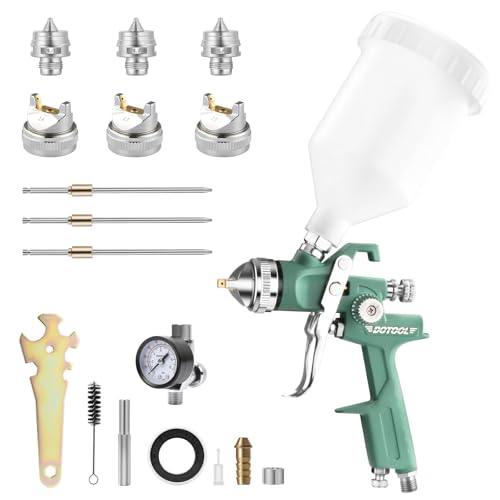
- HVLP Spray Gun: A quality gravity-feed HVLP gun is the standard for applying basecoat and clearcoat.
- Air Compressor: Must be large enough to supply the consistent volume and pressure (CFM) required by your spray gun.
- Air Hose, Regulator, and Moisture Trap: Essential for delivering clean, dry, and properly regulated air to the gun.
- Graduated Mixing Cups and Stir Sticks: For accurately mixing paint components.
- Paint Strainers: To filter the mixed paint before it goes into the gun.
FAQs About how many quarts of paint to paint a car
Is 2 quarts of paint enough to paint a whole car?
Generally, no. Two quarts of ready-to-spray basecoat is typically only enough for a very small car (like a Mazda Miata) with no color change. For most vehicles, this amount will leave you short, resulting in uneven coverage. It’s always safer to have at least 3-4 quarts for any vehicle larger than a subcompact.
How much paint do I need for just one panel, like a hood?
For a single, medium-sized panel like a car hood or door, you will typically need about 1 pint (16 oz) of ready-to-spray basecoat and 1 pint of clearcoat. This allows for 2-3 coats of each. Larger panels like the roof of an SUV may require up to 1 quart to ensure full coverage.
Do I need more paint for a complete color change?
Yes, absolutely. A drastic color change, especially from dark to light (e.g., black to white), will almost always require an extra 1-2 coats of basecoat for full coverage. This can increase your basecoat requirement by 25-50%. Using a tinted sealer close to your new color can help reduce this.
How many quarts of paint for a motorcycle?
For an average-sized motorcycle with a tank, fenders, and side covers, you will typically need about 1 quart of basecoat and 1 quart of clearcoat. A larger touring bike with fairings and saddlebags may require up to 2 quarts of each material to ensure complete and even application across all parts.
How much extra paint should I buy for mistakes or future repairs?
It is an industry best practice to purchase at least 15-20% more paint than your estimate. For a job requiring one gallon of basecoat, this means buying an extra pint or quart. This covers accidental spills, mixing errors, and provides material for future stone chip repairs or panel damage.
Does metallic paint require more volume than solid colors?
Not necessarily more volume, but it requires a different technique. Metallic paints need a final, lighter “orientation coat” to ensure the metallic flakes lay evenly. While this doesn’t significantly increase volume, running out mid-panel is disastrous for metallics, making it even more critical to have extra on hand.
How much paint is needed to paint door jambs and under the hood?
Painting door jambs, the engine bay, and under the trunk lid can add 1-2 quarts to your total basecoat and clearcoat needs for a mid-size car. This is often overlooked in DIY estimates. If you want a professional-level, comprehensive finish, be sure to factor in these extra surface areas.
Can I paint a car with 1 gallon of paint?
Yes, 1 gallon (4 quarts) of ready-to-spray basecoat and 1 gallon of clearcoat is a safe amount for most mid-size cars and sedans. This volume is often sold in “car kits” and provides enough material for 2-3 full coats with a small reserve for safety, adhering to the “buy extra” rule.
How many coats of paint does a car need?
A standard, quality paint job consists of 2-3 coats of basecoat and 2 coats of clearcoat. Some transparent basecoat colors may require 4 coats for full coverage. The clearcoat provides the gloss and UV protection, and 2 wet coats are the professional minimum for durability and long lasting results.
Quarts vs. Gallons: Which should I buy?
If your estimate is 3 quarts or more, it is often more cost-effective to buy a full gallon. Paint is usually cheaper per ounce in larger quantities. For a full-body repaint on anything but the smallest compact cars, purchasing by the gallon is the standard professional approach and ensures you have enough material.
Key Takeaways: How Many Quarts of Paint to Paint a Car
- Estimate by Size First: A mid-size sedan is the baseline, requiring about 3-4 quarts of basecoat and clearcoat. Use our table to adjust this estimate up for trucks and SUVs, or down for compacts.
- Paint is a System: A complete job requires three products: primer for adhesion (2-3 qts), basecoat for color (3-4 qts), and clearcoat for protection and gloss (3-4 qts).
- Always Buy Extra: The single most important rule is to purchase 15-20% more paint than your final estimate. This provides a crucial buffer for mistakes, extra coats, and future repairs. Running out is not an option.
- Color Drastically Affects Quantity: A major color change (e.g., black to white) or using a transparent color (e.g., bright red) can increase your basecoat needs by up to 50%. Plan for an extra coat.
- Read the Technical Data Sheet (TDS): The TDS is the manufacturer’s official guide. It provides the exact mixing ratios for reducer and hardener, which are not optional. Following the TDS is critical for chemical compatibility and a durable finish.
- Factor in All Areas: Standard estimates are for the vehicle’s exterior only. If you plan to paint door jambs, under the hood, or inside the trunk, you will need an additional 1-2 quarts of material.
- Tools Matter: Your final quantity is based on using an HVLP spray gun. Using inefficient equipment or poor technique will increase paint waste and overspray, consuming more material than estimated.
Final Thoughts on Calculating Car Paint Quantity
Accurately calculating how many quarts of paint you need is the foundational first step to a successful, professional-quality DIY paint job. It’s about more than just a single number; it’s a systematic process. By carefully considering your vehicle size, the specifics of your paint system, the nature of your color choice, and your application technique, you can budget correctly and eliminate the risk of running out of material. This guide has given you the framework for that planning. Armed with this knowledge, you are well-equipped to purchase the right materials and achieve a flawless finish you can be proud of.
Last update on 2026-03-05 / Affiliate links / Images from Amazon Product Advertising API


