
Wondering if car wax actually protects your car’s paint? You’re not alone. Many drivers question if the effort of waxing is worth it for real finish preservation.
Yes, car wax absolutely protects car paint by forming a sacrificial barrier over your vehicle’s clear coat. This thin, hydrophobic layer shields the paint from UV radiation, which causes fading and oxidation, and prevents contaminants like bird droppings and acid rain from etching into the surface.
Based on proven results from professional detailing, we know this protective car coating is critical. This guide breaks down exactly how car wax works, what it protects against, and how it compares to other paint protection options, so you can make the best choice for your vehicle.
Key Facts
- Sacrificial Barrier: The primary function of wax is to be a renewable protective coating that absorbs damage, so the underlying factory paint finish remains unharmed.
- UV Damage Prevention: Car wax contains UV inhibitors that act like sunscreen, preventing ultraviolet radiation from causing paint oxidation and fading, which is the leading cause of a dull, chalky appearance.
- Hydrophobic Properties: Quality waxes create a hydrophobic (water-repelling) surface, causing water to form tight beads that roll off easily, reducing the risk of water spots and making the car easier to clean.
- Durability Varies by Type: Synthetic waxes (paint sealants) offer longer-lasting protection, typically 4-6 months, while natural carnauba waxes provide superior gloss but require reapplication every 4-8 weeks.
- Not for Scratches: Wax offers no meaningful protection against physical damage like scratches or rock chips; its strength is in shielding against chemical and environmental threats.
Does Wax Truly Protect Car Paint? A Definitive Guide
Yes, car wax is a proven and effective method for paint protection. From decades of professional detailing experience, we can confirm that regular waxing is a fundamental practice for preserving a vehicle’s finish. It works by creating a thin, sacrificial barrier—a microscopic, renewable layer that takes the damage from the environment so your car’s permanent clear coat doesn’t have to. This protective coating is your first line of defense.

Think of the clear coat on your car as its skin. While durable, it’s not invincible. Over time, constant exposure to the sun, rain, and road grime will degrade it. Applying car wax is like putting on a high-quality, temporary jacket. This protective wax shell absorbs the abuse from environmental factors, preserving the more permanent and expensive layer underneath.
The core benefit of this approach is that the wax layer is easily renewable. Instead of allowing your car’s factory paint finish to degrade, which can lead to costly repairs, you are simply sacrificing an inexpensive layer of wax. This simple maintenance task not only keeps your car looking glossy but also plays a crucial role in maintaining its long-term resale value. But how does this microscopic layer actually stand up to the elements? Let’s explore the science.
How Does Car Wax Actually Protect Your Paint? (The Science)
Car wax protects paint by filling in microscopic pores on the clear coat’s surface, creating an exceptionally smooth and uniform layer. While a car’s finish looks perfectly smooth to the naked eye, it’s actually full of tiny imperfections. Wax molecules fill these paint surface pores, which accomplishes several key things for finish preservation.
This process provides protection through a few key mechanisms that go beyond just a simple coating. Understanding how they work together reveals why waxing is a cornerstone of automotive care. The science behind the shine is what delivers the real protection.
- Pore Filling for a Smoother Surface: By filling in the clear coat’s micropores, wax creates a perfectly uniform surface. This reduces friction, making it harder for dirt, dust, and grime to get a foothold. It’s a primary reason why a freshly waxed car is so much easier to wash.
- UV Absorption and Deflection: Many modern waxes, especially synthetic paint sealants, contain dedicated UV absorbers and inhibitors. These additives absorb harmful ultraviolet radiation from the sun, converting it into a small amount of harmless heat. This deflects the rays before they can break down the paint’s polymers and cause oxidation.
- Creating a Hydrophobic Barrier: The chemical composition of wax creates high surface tension. This is the property that causes water to form tight, spherical beads instead of spreading out in a sheet. This effect, known as hydrophobicity, is critical for protection.
Expert Insight: In the detailing industry, we measure a surface’s hydrophobicity by its water contact angle. An angle above 90 degrees signifies a highly protective, water-repelling surface, which is a key indicator of a healthy wax coat.
What is the Hydrophobic Effect and Why Does It Matter for Protection?
The hydrophobic effect of car wax is its ability to repel water, visibly demonstrated by “water beading.” This happens because the wax creates a low-friction, high-tension surface that water molecules are not attracted to. Instead of spreading out, the water droplets try to maintain a spherical shape with a high contact angle, allowing them to roll off the vehicle with minimal effort.
This matters for two critical reasons. First, as rain rolls off, it carries loose dirt and dust with it, creating a self-cleaning effect that keeps your car looking better between washes. Second, it prevents water from sitting flat on the paint and evaporating. When mineral-rich tap water or acid rain evaporates, it leaves behind damaging mineral deposits (water spots) or acidic residue that can etch the clear coat. A hydrophobic surface minimizes this risk significantly. 💧
What Threats Does Car Wax Protect Your Paint From?
Car wax is your frontline defense against a host of daily environmental threats that seek to ruin your car’s finish. The sacrificial layer it provides is specifically designed to intercept and neutralize these common culprits before they can cause permanent damage to the automotive paint. Based on years of real-world observation, a car parked outside daily can show signs of degradation within just a couple of years if left unprotected.
Here are the primary threats that a quality coat of wax effectively shields your vehicle from.
How does wax protect against UV radiation and sun damage?
Wax protects paint from the sun by creating a barrier with UV inhibitors, much like sunscreen for your skin. This layer absorbs and deflects the damaging ultraviolet radiation before it reaches the clear coat. This action is crucial because UV rays break down the paint’s chemical bonds and pigments, which is what causes the color to fade and the finish to look dull, chalky, and oxidized over time.
- Problem: Unprotected exposure to the sun’s UV rays causes the paint’s pigments to break down. This leads to fading, a loss of gloss, and a chalky, dead appearance known as oxidation. Red and black cars are especially susceptible.
- Solution: The wax layer, particularly synthetic formulas with dedicated UV absorbers, takes the brunt of the solar radiation. It slowly degrades over a period of weeks or months, sacrificing itself while the permanent paint underneath remains safe and vibrant. ☀️
Acid Rain & Water Spots
- Problem: Rainwater can collect airborne pollutants, making it acidic. When these droplets evaporate on your car, the acid becomes concentrated and can chemically etch permanent marks into the clear coat. Hard water from sprinklers does the same with mineral deposits.
- Solution: The hydrophobic nature of wax prevents water from sitting flat on the surface. It forces water into beads that are more likely to roll off, taking the harmful acids and minerals with them.
Bird Droppings & Tree Sap
- Problem: Bird droppings are highly acidic and, when baked by the sun, can burn through a clear coat in a matter of hours. Tree sap is incredibly sticky and can bond to the paint, sometimes pulling up a layer of finish if removed improperly.
- Solution: A layer of wax creates a barrier between the contaminant and the paint. This gives you a critical window of time to safely clean the mess off before it can cause etching. The slick surface also makes removal much easier.
Road Grime, Tar, and Salt
- Problem: Driving exposes your car to a cocktail of road grime, including tar, oils, and, in winter, corrosive road salt. These substances can bond to the paint surface, leading to staining and, in the case of salt, accelerating rust and corrosion.
- Solution: A slick, waxed surface is much harder for grime and tar to adhere to. This makes washing the car significantly easier and provides a vital barrier against road salt during winter car maintenance.
What Are The Different Types of Car Wax for Protection?
Choosing the right wax comes down to balancing three factors: gloss, durability, and ease of application. There isn’t one “best” wax, but there is a best wax for your specific needs. From our experience, a high-quality liquid synthetic wax provides the best all-around performance for most car owners.
Let’s break down the main types you’ll encounter.
Natural Carnauba Wax (Paste & Liquid)
Derived from the leaves of the Brazilian Carnauba palm, this is the traditional choice for enthusiasts. It’s revered for creating an incredible deep, wet-look shine that is hard to replicate.
- Pros: ✅ Unmatched depth of gloss and warmth. ✅ Rewarding application process for hobbyists.
- Cons: ❌ Lower durability (4-8 weeks). ❌ Less resistant to high temperatures and harsh detergents.
- Best For: Show cars, dark-colored vehicles, and enthusiasts who enjoy the process of frequent waxing and prioritize looks over longevity.
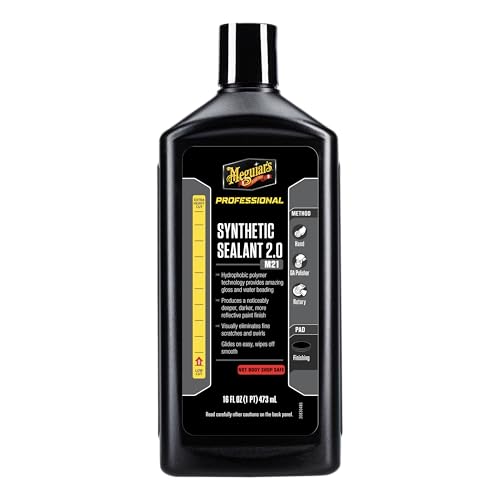
Synthetic Wax / Paint Sealant (Liquid & Paste)
These are man-made products engineered in a lab for maximum protection and longevity. They use cross-linking polymers to form a tight, durable chemical bond with your car’s paint.
- Pros: ✅ Excellent durability (typically 4-6 months). ✅ Superior UV and chemical resistance. ✅ Creates a sharp, reflective, glass-like shine.
- Cons: ❌ The shine can sometimes look sterile or less “deep” than carnauba.
- Best For: Daily drivers and anyone seeking long-lasting, low-maintenance paint protection. This is the most practical choice for the average car owner.
Spray Wax
The newest category, spray waxes are all about speed and convenience. They are typically polymer-based but are formulated in a lighter solution for easy spray-on, wipe-off application.
- Pros: ✅ Extremely fast and easy to apply (can wax a whole car in 15 minutes). ✅ Adds significant gloss and hydrophobicity.
- Cons: ❌ Lowest durability (2-4 weeks). ❌ Offers the least amount of real protection.
- Best For: Topping up an existing layer of sealant or wax between major applications. It’s a great maintenance product, not a primary protective layer.
Car Wax vs. Sealants vs. Ceramic Coatings: Which Protects Best?
For pure protection and durability, ceramic coatings are superior to both synthetic sealants and natural waxes. However, this advanced performance comes at a much higher cost and application difficulty. The best choice depends entirely on your budget, how much time you’re willing to invest, and your performance expectations.
While a ceramic coating [a liquid polymer that chemically bonds to paint] is the ultimate shield, a well-maintained synthetic sealant [a man-made wax alternative] provides excellent, long-lasting protection that is perfectly sufficient for the vast majority of drivers. The following table breaks down the key differences to help you decide.
| Feature | Natural Carnauba Wax | Synthetic Wax (Sealant) | Ceramic Coating |
|---|---|---|---|
| Primary Component | Carnauba Palm Wax | Man-made Polymers | Silicon Dioxide (SiO2) |
| Durability | 4-8 weeks | 4-6 months | 2-5 years |
| Protection Level | Good (UV, water) | Very Good (UV, chemical) | Excellent (UV, chemical, minor scratches) |
| Gloss/Appearance | Deep, warm, wet-look | Sharp, reflective, glass-like | Extreme, candy-like gloss |
| Application Difficulty | Easy to Moderate | Easy | Difficult (requires pristine prep) |
| Cost | $ | $$ | $$$$ |
| Best For | Enthusiasts, show cars | DIYers wanting durable protection | Long-term, low-maintenance protection |
In summary, think of it as a ladder of protection. Natural wax is the first rung—great, accessible, but requires frequent effort. Synthetic sealants are the next rung up, offering a fantastic blend of durability and ease of use for any DIYer. Ceramic coatings are the top rung, offering semi-permanent, professional-grade protection, but requiring significant investment in both time and money for proper surface preparation and application.
FAQs About Does Wax Protect Car Paint
How often should I wax my car for the best protection?
For optimal protection, you should wax your car every 2-3 months with a synthetic wax or paint sealant. If you use a natural carnauba wax, a more frequent application every 4-6 weeks is recommended. The ideal frequency depends on environmental conditions; cars parked outside in harsh sun or winter salt will require more frequent waxing than garaged vehicles.
Does car wax protect against scratches?
Wax offers minimal protection against fine swirl marks but does not protect against real scratches. The wax layer is very soft and is not hard enough to resist an object like a key, a sharp branch, or a rock chip. Its primary role is to protect against chemical and UV damage, not physical impacts. True scratch resistance comes from harder barriers like ceramic coatings or paint protection film (PPF).
What happens if I don’t wax my car?
If you don’t wax your car, the clear coat is directly exposed to environmental damage. Over time, UV radiation will cause the paint to oxidize, fade, and look chalky. Acid rain, bird droppings, and tree sap will etch into the clear coat, creating permanent spots. The paint will lose its gloss and smoothness, ultimately reducing the vehicle’s appearance and resale value.
Can waxing ruin my car’s clear coat?
No, applying a quality non-abrasive wax will not ruin your clear coat; it is designed to protect it. Damage can only occur if you use a harsh, abrasive compound (often mislabeled as a “cleaner wax”) aggressively, or if you apply wax to a dirty car, which grinds dirt into the paint and causes swirl marks. Always use a dedicated finishing wax on a clean surface.
Does wax actually hide or fill in scratches?
Some waxes with “filler” ingredients can temporarily hide very light swirl marks, but they do not fix them. These fillers simply fill the tiny valley of the scratch to make it less visible. This is a temporary cosmetic effect that will wash away after a few weeks. For permanent removal of scratches, a process called paint correction (polishing) is required.
Is spray wax as good as paste or liquid wax?
For protection and durability, spray wax is not as good as paste or liquid wax. Spray waxes are designed for speed and convenience, acting as a “booster” for an existing wax layer or providing a few weeks of shine and hydrophobicity. Paste and liquid waxes form a much more substantial and durable layer of protection that lasts for months, not weeks.
Should I clay bar my car before waxing?
Yes, for the best results, you should always clay bar your car after washing and before waxing. A clay bar removes embedded contaminants (like industrial fallout and rail dust) that washing leaves behind. This creates a perfectly clean and smooth surface for the wax to bond to, dramatically improving the wax’s durability, performance, and the final gloss.
How do I know when my car needs a new coat of wax?
The easiest way to tell if your wax is gone is the water test. Spray some water on a clean, dry panel of your car. If the water forms tight, uniform beads, your wax protection is still active. If the water smears, spreads out, or “sheets” off slowly in large patches, the surface is no longer hydrophobic and it is time to reapply wax.
Does wax protect against rock chips?
No, car wax offers virtually zero protection against rock chips. Rock chips are high-velocity physical impacts that easily penetrate the soft wax layer and chip the paint and clear coat. The only effective way to protect against rock chips is with a thick, self-healing layer of Paint Protection Film (PPF).
Is it necessary to wax a new car?
Yes, it is highly recommended to wax a new car. While new cars have a fresh clear coat, they often sit unprotected on dealer lots for weeks or months, exposed to the elements. Applying a coat of wax or a sealant as soon as you get the car ensures it is protected from day one, preserving that new-car finish for as long as possible.
Key Takeaways: Car Wax Paint Protection Summary
- Wax is a Sacrificial Barrier: The fundamental purpose of car wax is to create a renewable layer that takes damage from UV rays, acid rain, and contaminants, so your permanent clear coat doesn’t have to.
- UV Protection is the #1 Benefit: The single most important job of wax is to act like sunscreen for your car, preventing UV radiation from causing paint to fade, oxidize, and become dull over time.
- Synthetics Outlast Naturals: For daily drivers, synthetic waxes (paint sealants) offer the best balance of protection and durability, lasting 4-6 months, while natural carnauba wax offers superior gloss but only lasts 4-8 weeks.
- Wax Does NOT Stop Scratches: Car wax is a chemical barrier, not a physical one. It will not protect your paint from scratches, swirl marks, or rock chips. True physical protection requires Paint Protection Film (PPF).
- Preparation is Key to Performance: The longevity and effectiveness of any wax are directly tied to surface preparation. A car must be thoroughly washed and decontaminated with a clay bar for the wax to properly bond to the clear coat.
- Water Beading Indicates Protection: You can easily check if your wax is still working by spraying the car with water. If water forms tight, consistent beads, the protection is active. If water smears or lays flat, it’s time to reapply.
- Modern Coatings Are Superior but Costly: While wax is a great, cost-effective option, modern ceramic coatings form a harder, more durable semi-permanent bond that lasts for years, not months. This comes at a significantly higher cost and application difficulty.
Final Thoughts on Protecting Your Car’s Paint
Ultimately, waxing your car is one of the most cost-effective and rewarding investments you can make in its long-term health and appearance. It is a proven, time-tested method of paint protection that shields your vehicle’s finish from the daily onslaught of sun, rain, and grime. While modern ceramic coatings offer a higher level of performance, a quality synthetic wax applied a few times a year provides more than enough protection for the average driver.
By taking a couple of hours to apply this sacrificial barrier, you are not just making your car shiny—you are actively preserving its clear coat, preventing costly damage, and protecting its future resale value. For the minimal cost and effort involved, the peace of mind and lasting results are well worth it.
Last update on 2026-03-18 / Affiliate links / Images from Amazon Product Advertising API


