
Thinking about owning a piece of automotive history that can still conquer the wilderness? The legendary 1986 Toyota Land Cruiser often sparks that very dream, but turning it into a reality requires navigating a minefield of potential issues, from hidden rust to complex mechanical quirks. You need to know what to look for, what it’s worth, and what it truly takes to own one.
The 1986 Toyota Land Cruiser FJ60 is a highly sought-after classic 4×4, celebrated for its rugged 2F inline-six engine, 4-speed manual transmission, and exceptional off-road durability. It represents a significant era for Toyota, blending utilitarian strength with increasing comfort, making it a valuable asset for collectors and enthusiasts in 2026. This classic is a bridge between pure utility and modern comfort.
Drawing from comprehensive analysis of current market data and proven inspection methodologies, this guide breaks down everything you need to know. We will explore the critical inspection points that separate a gem from a money pit. You’ll discover how to assess its true market value, understand common problems, and learn the essential maintenance that keeps this icon running strong for decades to come.
1986 Toyota Land Cruiser FJ60: Essential Buying Guide & Value in 2026
The 1986 Toyota Land Cruiser FJ60 is more than just a classic truck; it’s a passport to adventure and a tangible investment in automotive history. For prospective buyers in 2026, understanding this vehicle means looking beyond its iconic, boxy silhouette. It requires a deep dive into the mechanical heart that gives it its legendary reliability, an honest assessment of the common pitfalls like frame rust, and a clear picture of its current market value. This guide is your roadmap, designed to equip you with the expertise to evaluate an FJ60 like a seasoned pro, whether you’re seeking a turnkey daily driver, a capable overlander, or a promising restoration project. We’ll cover everything from the initial research to the final handshake, ensuring you invest in a legend, not a liability.
1. Researching Current 1986 Toyota Land Cruiser FJ60 Market Value in 2026

Pin this value analysis to your ‘Classic Car Investing’ board!
Before you even look at a specific 1986 Toyota Land Cruiser, understanding its current market value is crucial. The price for these classic 4x4s can vary dramatically based on condition, originality, and location. A rust-free example from a dry climate like a California truck will command a significant premium over one with a history of corrosion. To get an accurate picture, it’s essential to look past optimistic asking prices and focus on real-world sales data. Platforms dedicated to the collector car market offer a wealth of information that can help you gauge what you should expect to pay.
What You Need: (Market Research Tools & Data)
- Access to Online Marketplaces: Platforms like Classic.com, Bring a Trailer, and dedicated FJ60 forums (e.g., IH8MUD forum).
- Vehicle History Reports: Services like CarFax or AutoCheck for VIN check and detailed maintenance records.
- Comparable Sales Data: Recent verified sale price listings for similarly configured 1986 Land Cruisers.
Why It Works: (How to Interpret Value)
- Analyze Condition vs. Price: A rust-free chassis and original interior significantly boost value. Look for descriptions like “well maintained” or “low mileage.”
- Factor in Originality: Vehicles with their original 2F engine and 4-speed manual transmission typically command higher prices.
- Consider Documentation: Comprehensive maintenance records and original documentation add confidence and value.
- Geographic Influence: Prices can vary based on regional demand, with California trucks often holding value due to less frame rust.
Pro-Tip: Don’t solely rely on asking prices. Always seek out verified sale price data from reputable auction sites to get a realistic understanding of the 1986 Toyota Land Cruiser‘s true market value. Consider the impact of any smog legal modifications on resale, especially in strict states.

2. Inspecting the Legendary 2F Engine & 4-Speed Manual Transmission

Pin this engine inspection guide to your ‘FJ60 Maintenance’ board!
The heart of the 1986 Toyota Land Cruiser FJ60 is its legendary 2F engine, a 4.2-liter inline 6-cylinder known for its torque and durability. Paired with the robust 4-speed manual transmission, this drivetrain is the foundation of the FJ60’s reputation for reliability. However, after decades of service, these components require a thorough inspection. Common carburetor issues can lead to poor performance and smog test failure, while deferred engine maintenance can hide costly problems. A careful evaluation here is non-negotiable.
What You Need: (Inspection Tools & Knowledge)
- Flashlight & Inspection Mirror: For checking hard-to-reach areas of the 2F engine and chassis.
- Service Manual/Diagrams: To identify original components and common vacuum diagrams.
- Knowledge of 2F engine characteristics: Understanding normal operating sounds and common carburetor issues.
- Diagnostic Tools (optional): For checking ignition timing and emissions.
Steps: (Engine & Transmission Inspection)
- Visual Inspection: Look for oil leaks around the 2F engine, especially valve cover and oil pan. Check condition of belts, hoses, and wiring.
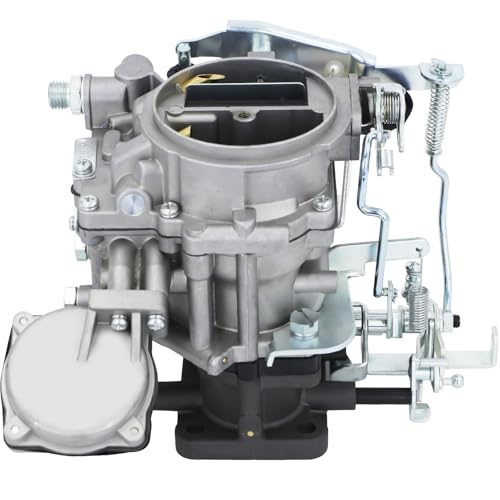
- Carburetor Assessment: Examine the Aisin carburetor for cleanliness, proper linkage, and signs of fuel leaks. Listen for proper function at idle and during acceleration; rough idling could indicate carburetor issues or vacuum leaks.
- Smog Equipment Check: Verify all EGR system components are present and functional, crucial for smog legal compliance.
- Transmission Functionality: Test the 4-speed manual transmission for smooth shifts, checking for excessive play in the shifter and any unusual noises. Ensure the clutch engagement is firm and progressive.
- Fluid Checks: Inspect oil and transmission fluid levels and condition. Look for signs of water or metallic particles.
- Engine Compression Test: If possible, perform a compression test to assess 2F engine reliability and overall health.
Pro-Tip: Many 1986 Toyota Land Cruiser FJ60 models may have had their original Aisin carburetor replaced or poorly serviced. A proper carburetor adjustment is vital for both performance and passing smog tests. Familiarize yourself with the 2F vs 3F engine differences if considering later models.
3. Uncovering Rust: The Achilles’ Heel of the FJ60 Chassis

Pin this rust inspection guide to your ‘FJ60 Restoration’ board!
While mechanically robust, the single greatest threat to a 1986 Land Cruiser FJ60 is frame rust. Decades of exposure to moisture, road salt, and mud can wreak havoc on the chassis, turning a solid investment into a structural nightmare. Finding a rust free Land Cruiser is the goal, but knowing where to look for hidden corrosion is the skill. Critical areas include the frame rails, body mounts, and suspension mounting points. Ignoring this step can lead to costly repairs that far exceed the vehicle’s value, making a thorough rust inspection the most important part of your evaluation.
What You Need: (Inspection & Prevention Supplies)
- Bright Flashlight: To illuminate dark chassis areas.
- Small Hammer/Tap Tool: To lightly tap suspicious areas and listen for solid metal vs. soft rust.
- Magnet: To check for body filler over rust.
- Rust Converters/Preventatives: Such as phosphoric acid treatments and underbody coating.
Steps: (Rust Inspection Checklist)
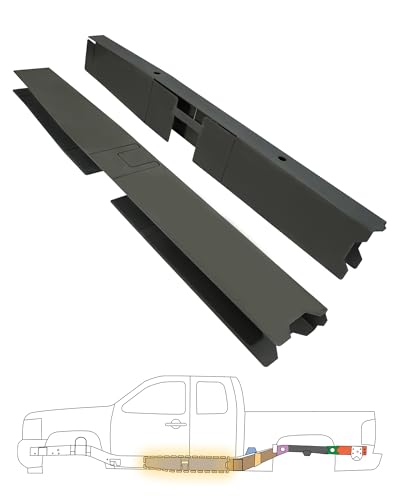
- Frame Rails: Thoroughly inspect the main frame rails, especially near the front and rear axles and behind the wheels, where mud and moisture collect. Pay attention to the chassis code area.
- Floorboards & Rockers: Check the integrity of the floorboards from both inside and underneath, and examine the rocker panels for bubbling paint or perforations.
- Body Mounts: Inspect where the body meets the frame; these are common areas for hidden frame rust.
- Leaf Spring Shackles: Examine the leaf spring shackle mounts and spring perches, as these are exposed and prone to severe corrosion.
- Inner Fenders & Cowl: Look inside the wheel wells and under the cowl for hidden rust pockets.
- Behind Bumpers: Remove or pull back rubber trim to inspect areas behind chrome bumpers, which can hide significant corrosion.
Pro-Tip: Don’t just look for obvious holes; heavy scaling, bubbling paint, or poorly executed rust repair panels can indicate deeper structural frame rust. A well-done professional restoration will have proper rust prevention measures.
4. Evaluating the Interior & Electrical: Comfort Meets Classic

Pin this interior check to your ‘Classic SUV Inspiration’ board!
The original interior of the FJ60 is a charming blend of utilitarian design and emerging comfort. While the durable vinyl upholstery can withstand years of use, other components are prone to age. The most common interior issue is dash cracks from sun exposure, which can be difficult and expensive to properly repair. Beyond cosmetics, the vehicle’s electrical system can develop electrical gremlins over time. Thoroughly testing all gauges, switches, and accessories like the air conditioning is essential to avoid frustrating and hard-to-diagnose problems down the road.
What You Need: (Inspection & Repair Materials)
- Flashlight: To check for hidden damage and assess wiring.
- Multimeter: For diagnosing electrical gremlins.
- Service Manual/Wiring Diagrams: For understanding the FJ60‘s specific electrical layout.
- Dash Repair Kits: Or original documentation for replacements.
Steps: (Interior & Electrical Checklist)
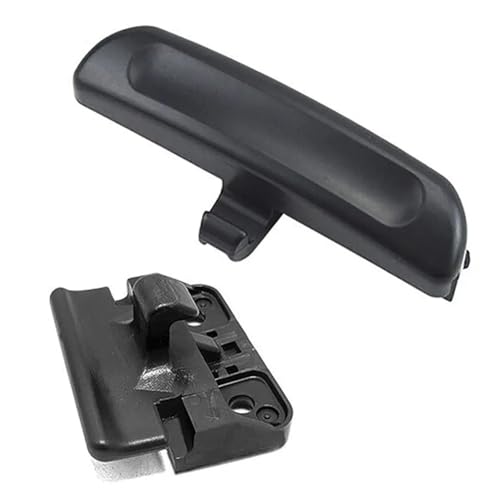
- Dashboard Condition: Inspect the dashboard for dash cracks, fading, or previous repairs. An original interior without significant cracking is a rare find.
- Upholstery & Trim: Check the vinyl upholstery for rips, tears, or excessive wear. Examine door panels, headliner, and carpet for condition.
- Electrical Functions: Test all lights (headlights, tail lights, interior lights), gauges, power windows (if equipped), and the radio. Look for signs of electrical gremlins like intermittent operation.
- Air Conditioning: Confirm the air conditioning system blows cold. If not, budget for air conditioning repair which can be costly.
- Heater Operation: Ensure the heater fan and temperature controls function correctly.
- Power Steering: Check the power steering gearbox for leaks and excessive play in the steering wheel.
Pro-Tip: Even a well-maintained 1986 Toyota Land Cruiser FJ60 can develop electrical gremlins due to aging wiring. Always test all accessories thoroughly. Replacing original interior components can be costly, so factor in any necessary dash repair kits or upholstery work.

5. Suspension & Drivetrain: Off-Road Readiness of the FJ60

Pin this off-road inspection to your ‘Overland Ready Rigs’ board!
The off-road capability of the 1986 Toyota Land Cruiser is legendary, thanks in large part to its simple yet effective leaf spring suspension and solid front axle. This setup is designed for durability and articulation on rough terrain. However, years of use (and abuse) can lead to sagging springs and worn bushings, resulting in a sloppy ride and compromised handling. Inspecting the entire drivetrain, from the transfer case to the front axle’s Birfield joints, is critical to ensure its 4WD capability is intact and ready for your next adventure.
What You Need: (Inspection Tools & Parts)
- Jack Stands & Floor Jack: For safely lifting the vehicle.
- Pry Bar: To check for play in bushings and joints.
- Grease Gun: For lubricating Birfield joints and other components.
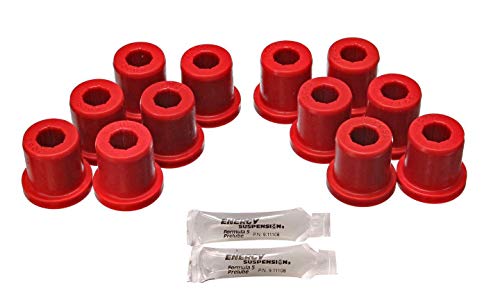
- Replacement Bushings/Shocks: In case of worn bushings or sagging springs.
Steps: (Suspension & Drivetrain Inspection)
- Visual Inspection (Suspension): Check leaf spring suspension for sagging springs or broken leaves. Look for cracks or damage to the leaf spring shackle mounts.
- Bushings & Joints: Inspect all bushings (shackles, control arms, sway bars) for cracks, tears, or excessive wear, which can cause worn bushings.
- Birfield Joints & Knuckles: Check the front axle Birfield joints for leaks or signs of a pending knuckle rebuild. Look for play in the steering linkages.
- Driveshafts & U-Joints: Inspect driveshafts for dents and U-joints for play. Ensure all components are properly greased.
- Transfer Case & Differentials: Check for fluid leaks around the transfer case and differentials. If possible, test differential lockers engagement.
- Tires & Wheels: Evaluate tire wear patterns for signs of alignment issues or worn suspension components. Confirm tire size for an FJ60.
Pro-Tip: When inspecting for worn bushings or sagging springs on an FJ60, pay close attention to the leaf spring shackle mounts. These are prone to serious frame rust and can be an indicator of overall chassis health. Understanding Birfield joints and the need for a knuckle rebuild is key for serious off-roaders.
6. Deciphering the Differences: FJ60 vs. FJ62

Pin this comparison guide to your ‘Land Cruiser History’ board!
When shopping for a 60 Series Land Cruiser, you’ll inevitably encounter the FJ60 vs FJ62 debate. While they share the same iconic body, there are key mechanical and cosmetic differences. The 1986 FJ60 represents the earlier, more mechanically simple iteration, while the later FJ62 (from 1988 onwards) introduced more modern conveniences. Understanding these distinctions is vital for choosing the model that best suits your preferences for performance, maintenance, and classic appeal.
What You Need: (Knowledge for Differentiation)
- Visual Reference: Photos of both FJ60 (1981-1987) and FJ62 (1988-1990) models.
- Understanding of Engine Codes: Knowing the 2F engine vs. 3F engine characteristics.
- Transmission Familiarity: Recognizing the 4-speed manual transmission vs. automatic transmission shifters.
Steps: (Key Differentiators)
- Headlights: The 1986 FJ60 features classic round headlights, while the FJ62 introduced rectangular headlights.
- Engine: The FJ60 is powered by the 2F engine, whereas the FJ62 typically features the 3F engine (fuel-injected).
- Transmission: The 1986 FJ60 predominantly comes with a 4-speed manual transmission. FJ62 models commonly offered an automatic transmission.
- Interior: The FJ62 often had a more refined original interior with slightly updated dashboard ergonomics compared to the earlier FJ60.
- Grille Design: Subtle differences exist in the grille design, often corresponding with the headlight changes.
- Emissions: FJ62 models, with their fuel injection, often have different EGR system and smog legal considerations.
Pro-Tip: While distinguishing an FJ60 vs FJ62 by round headlights vs rectangular is the easiest visual cue, remember the significant internal difference is the 2F vs 3F engine. The FJ62 was generally seen as a more comfort-oriented vehicle, while the FJ60 remains a purist’s choice for its mechanical simplicity and 4-speed manual transmission.
7. Post-Purchase Essentials: Maintaining Your Classic FJ60

Pin these maintenance tips to your ‘Vintage Toyota Care’ board!
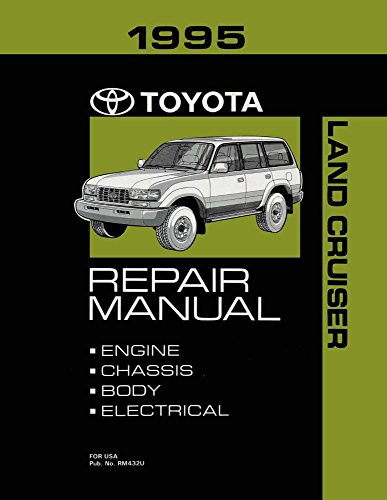
Once you’ve acquired your 1986 Toyota Land Cruiser FJ60, the journey of ownership truly begins. Maintaining this classic vehicle is key to preserving its value and ensuring its legendary reliability. Sticking to a regular maintenance schedule, using high-quality Toyota genuine parts, and having the right resources on hand, like a factory service manual, will make all the difference. Proactive care, from consistent rust prevention to periodic carburetor adjustment, is the best way to enjoy a trouble-free ownership experience.
What You Need: (Maintenance Supplies & Resources)
- Factory Service Manual: The ultimate resource for all FJ60 maintenance.
- OEM Parts: Seek out Toyota genuine parts for critical components.
- Quality Fluids: Appropriate engine oil (e.g., best oil for a 2F engine), transmission fluid, and differential fluid.
- Basic Tool Set: Essential for routine maintenance.
- Rust Prevention Products: Undercoating, rust converters.
Steps: (Essential Maintenance Tasks)
- Regular Fluid Changes: Adhere to the factory service manual schedule for engine oil, transmission, transfer case, and differential fluid changes. Research what is the best oil for a 2F engine.
- Carburetor Tuning: Learn how to perform basic carburetor adjustment to ensure optimal performance and emissions.
- Rust Prevention: Regularly clean the undercarriage and apply rust prevention treatments, especially in areas prone to frame rust.
- Chassis & Suspension Inspection: Periodically check for worn bushings and leaks from Birfield joints and knuckle rebuild areas.
- Ignition System: Inspect and replace spark plugs, cap, and rotor as per the factory service manual.
- Brake System: Monitor brake pad/shoe wear and fluid levels. Understand how to bleed brakes on an FJ60.
Pro-Tip: Investing in a factory service manual is the single best investment any 1986 Toyota Land Cruiser FJ60 owner can make. It contains invaluable vacuum diagrams and specifications crucial for long-term maintenance and troubleshooting. Using Toyota genuine parts will ensure the best fit and longevity.
8. Common Problems & Solutions for the 1986 FJ60

Pin these troubleshooting tips to your ‘FJ60 Repair Guides’ board!
No classic vehicle is without its quirks, and the 1986 Toyota Land Cruiser FJ60 has a well-documented list of common problems. Being aware of these issues and their solutions can save you significant time and money. The most notorious culprits are frame rust and persistent carburetor issues. Beyond that, owners frequently deal with smog test failure, age-related electrical gremlins, and various leaking seals. Knowing how to identify and address these problems is a core part of FJ60 ownership.
What You Need: (Diagnostic & Repair Resources)
- Problem-Solution Keywords: Familiarity with terms like frame rust, carburetor issues, electrical gremlins.
- Diagnostic Tools: Multimeter, vacuum gauge, fuel pressure tester.
- Replacement Parts: 2F engine rebuild kit components, gaskets, seals, wiring.
Steps: (Troubleshooting & Repair Approaches)
- Carburetor & Fuel System: If experiencing slow acceleration or poor gas mileage, inspect the Aisin carburetor for clogs, worn components, or vacuum leaks. A full carburetor adjustment or rebuild may be necessary.
- Rust Management: For frame rust or body rust, assess severity. Minor surface rust can be treated with rust converters, while significant rust may require FJ60 rust repair panels or professional welding.
- Emissions Concerns: If facing smog test failure, focus on the EGR system, catalytic converter, and ensuring proper carburetor adjustment.
- Electrical Issues: Diagnose electrical gremlins by checking grounds, wiring harnesses, and specific components like the alternator or starter. Consult vacuum diagrams.
- Fluid Leaks: Address leaking seals from the engine, transmission, or differentials promptly to prevent further damage.
- Interior Deterioration: For dash cracks or worn vinyl upholstery, consider repair kits or sourcing replacement original interior parts.
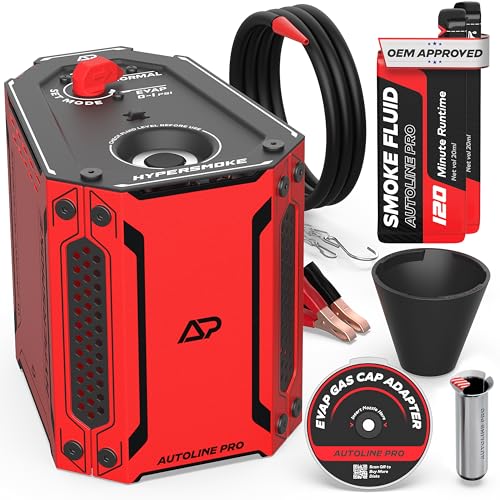
Pro-Tip: Persistent carburetor issues on a 1986 Toyota Land Cruiser FJ60 often stem from overlooked vacuum leaks or an improperly functioning EGR system. A comprehensive check of these, often with the help of a factory service manual, can resolve many smog test failure scenarios.
9. Upgrading & Modifying Your FJ60 for Modern Use

Pin these upgrade ideas to your ‘Modified FJ60 Builds’ board!
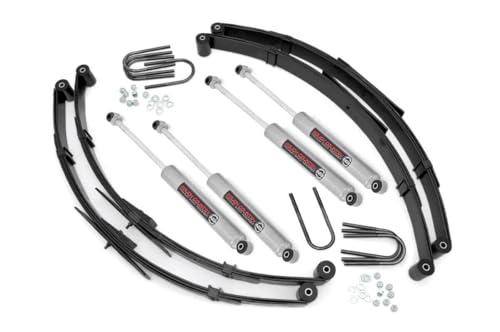
While a stock 1986 Toyota Land Cruiser is incredibly capable, many owners choose to upgrade and modify their vehicles to enhance performance and suit modern needs. Popular upgrades range from simple bolt-on additions like aftermarket bumpers to significant mechanical overhauls. Installing a lift kit on a 1986 Land Cruiser is a common first step for serious off-roaders, while adding differential lockers can dramatically improve traction. For those seeking better highway performance, the H55F transmission swap is a well-regarded but intensive modification.
What You Need: (Upgrade Components & Tools)
- Aftermarket Parts: Lift kits, aftermarket bumpers, differential lockers.
- Specialized Tools: For suspension work, drivetrain modifications, or H55F transmission swap.
- Research: Understanding the impact of modifying the vehicle on its smog legal status.
- Budget: For significant upgrades like an H55F transmission swap.
Steps: (Popular Modifications)
- Suspension Lift: Consider a lift kit on a 1986 Land Cruiser to increase ground clearance and improve articulation. Options range from mild spring replacements to SOA (Spring Over Axle) conversions.
- Wheel & Tire Upgrade: Install larger, more aggressive tires for enhanced off-road performance. Ensure they are compatible with the tire size for an FJ60 and any lift.
- Bumpers & Protection: Add aftermarket bumpers and rock sliders for increased protection and mounting points for winches or overlanding gear.
- Drivetrain Enhancements: Install differential lockers for improved traction off-road. Consider an H55F transmission swap for better highway cruising and lower RPMs.
- Engine & Performance: While the 2F engine is reliable, some owners explore diesel conversion or mild performance enhancements, keeping smog legal considerations in mind.
- Interior Comforts: Upgrade seating, audio systems, or add modern amenities while retaining the classic aesthetic of the original interior.
Pro-Tip: Before embarking on a major upgrading project like an H55F transmission swap or SOA (Spring Over Axle), thoroughly research the implications for driveline angles, steering geometry, and smog legal compliance. Always prioritize safety and reliability with OEM parts where possible.
10. Driving Experience: Living with a Classic 1986 FJ60

Pin your next adventure with this FJ60 to your ‘Classic Off-Roaders’ board!
So, can you daily drive a 1986 Land Cruiser? The answer is yes, but it comes with caveats. The driving experience of this vintage SUV is charmingly analog. It’s known for being hilariously slow by modern standards, and you can expect poor gas mileage. The ride is firm, thanks to its leaf spring suspension and solid front axle. Yet, for many, these are not drawbacks but part of the appeal. It’s a reliable 4WD that offers a direct, mechanical connection to the road that modern vehicles simply cannot replicate.
What You Need: (Realistic Expectations & Driving Prep)
- Patience: The 1986 FJ60 is hilariously slow by modern standards.
- Awareness of Fuel Economy: Expect poor gas mileage from the 2F engine.
- Understanding of Handling: Its leaf spring suspension and solid front axle lead to a less refined ride than modern SUVs.
- Proper Maintenance: Ensure everything is in top shape for reliability.
Steps: (Tips for Driving Your Classic FJ60)
- Embrace the Pace: Accept that the 1986 Land Cruiser isn’t a speed demon. It’s built for durability, not drag racing.
- Plan for Fuel Stops: Given its poor gas mileage and often modest fuel tank capacity of an FJ60, plan routes with available gas stations.
- Adjust Driving Style: Drive defensively, allow more stopping distance, and be mindful of its higher center of gravity, especially with a lift kit.
- Enjoy the Experience: Appreciate the mechanical feedback, the commanding view of the road, and the classic aesthetic of your vintage SUV.
- Off-Road Adventures: Take advantage of its inherent off-road capability and reliable 4WD for weekend adventures.
- Regular Checks: Before long trips, perform a quick inspection of fluids, tires, and lights to ensure continued reliability.
Pro-Tip: While it’s possible to daily drive a 1986 Land Cruiser, be prepared for a very different experience than a modern vehicle. The charm is in its simplicity and ruggedness, but it demands a different kind of driver. Its off-road capability shines where modern SUVs fear to tread.

11. Customization & Personalization: Making Your FJ60 Unique

Pin your dream FJ60 build ideas here!
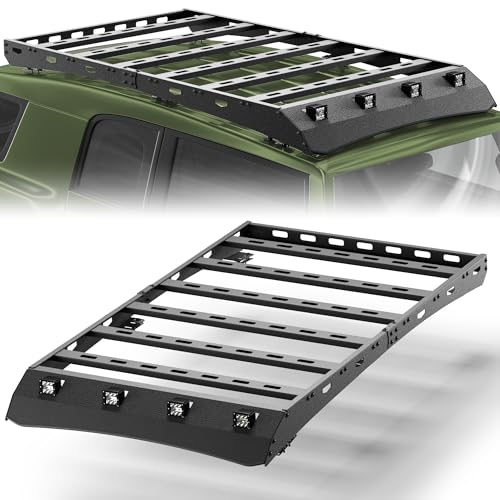
One of the greatest joys of owning an FJ60 is modifying it to make it uniquely yours. Whether you’re building a dedicated overlander or creating a stylish custom Land Cruiser for weekend drives, the platform is a fantastic canvas. Personalization can range from aesthetic choices like custom paint and vintage decals to functional upgrades like fitting aftermarket bumpers or installing the best suspension for 60 series Land Cruiser to suit your needs. Equipping it with overlanding gear like a roof rack and recovery tools transforms it from a restoration project into a truly capable adventure vehicle.
What You Need: (Customization Components & Vision)
- Creative Vision: A clear idea of the desired aesthetic or functional goal for your custom Land Cruiser.
- Aftermarket Parts: Aftermarket bumpers, lift kits, overlanding gear, custom wheels.
- Professional Assistance: For complex modifications like H55F transmission swap or custom fabrication.
- Budget: Customization can range from inexpensive to extensive.
Steps: (Personalizing Your FJ60)
- Exterior Styling: Consider custom paint schemes, vinyl wraps, or period-correct decals to enhance the FJ60‘s aesthetic appeal.
- Wheel & Tire Combinations: Choose wheels + tires that complement your style and intended use, balancing form and function.
- Lighting Upgrades: Install LED headlights, auxiliary lights, or period-correct fog lights for improved visibility and style.
- Interior Refinements: Upgrade seating, add a modern sound system (while retaining a classic look), or install custom storage solutions for overlanding gear.
- Recovery Gear & Armor: Install aftermarket bumpers with winch mounts, rock sliders, and underbody protection for serious off-road capability.
- Roof Racks & Storage: Add a robust roof rack for extra cargo, perfect for longer trips or carrying bulky overlanding gear.
Pro-Tip: When modifying your 1986 Toyota Land Cruiser FJ60, strive for a balance between personalization and respecting its classic heritage. Thoughtful upgrades that enhance functionality without detracting from its original charm will often yield the best results and maintain market value. Always prioritize safety and legal compliance, especially with smog legal requirements.
Key Takeaways
- The 1986 Toyota Land Cruiser FJ60 is a highly desirable classic for its robust 2F engine, legendary reliability, and timeless design. This classic truck offers exceptional off-road capability but demands a discerning eye from buyers.
- Market value for the FJ60 in 2026 is strong, heavily influenced by overall condition, originality (especially the 2F engine and 4-speed manual), and comprehensive maintenance records. Always seek verified sale price data from reputable sources.
- Rust, particularly frame rust, is the primary concern for any prospective FJ60 owner. Thorough inspection of the chassis and common rust areas is paramount, and addressing frame rust quickly is a priority.
- Common mechanical issues often revolve around carburetor issues (specifically the Aisin carburetor) and potential electrical gremlins due to age. These are manageable with knowledge and a factory service manual.
- Distinguishing an FJ60 from an FJ62 is key, with the FJ60 featuring round headlights and the 2F engine, while the FJ62 typically has rectangular headlights and the 3F engine. This impacts both performance and collectibility.
- Owning an FJ60 is a unique driving experience; expect poor gas mileage and slower acceleration, but appreciate its mechanical simplicity and rugged charm. It’s more about the journey than the speed.
- Long-term maintenance and strategic upgrades enhance both the enjoyment and longevity of your FJ60. Prioritize OEM parts and consider upgrades like a lift kit or H55F transmission swap for modern use.
People Also Ask About the 1986 Toyota Land Cruiser FJ60
What is a 1986 Toyota Land Cruiser worth in 2026?
The worth of a 1986 Toyota Land Cruiser FJ60 in 2026 varies significantly based on condition, mileage, and originality, typically ranging from $10,000 for a running project to over $40,000 for a well-restored, rust-free example. Factors like a pristine original interior, a documented 2F engine rebuild, or a smog legal status in certain regions can substantially increase its market value.
Is the 1986 Land Cruiser FJ60 reliable?
Yes, the 1986 Toyota Land Cruiser FJ60 is renowned for its exceptional mechanical reliability and durability, particularly its robust 2F inline 6-cylinder engine and sturdy 4-speed manual transmission. While it may require routine maintenance and address age-related issues like carburetor problems or electrical gremlins, its simple design and quality engineering contribute to its long lifespan, often reaching hundreds of thousands of miles with proper care.
How many miles can an FJ60 last?
A well-maintained 1986 Toyota Land Cruiser FJ60 can last for 300,000 to 500,000 miles or more, thanks to its overbuilt 2F engine and durable drivetrain. The longevity largely depends on consistent engine maintenance, diligent rust prevention, and prompt attention to wear items such as worn bushings and leaking seals. Many examples are still actively on the road, demonstrating their inherent resilience.
What engine is in a 1986 Land Cruiser?
The 1986 Toyota Land Cruiser FJ60, primarily for the North American market, is powered by Toyota’s legendary 4.2-liter 2F inline 6-cylinder engine. This carbureted engine is known for its low-end torque and extreme durability, paired with a 4-speed manual transmission, making it a workhorse ideal for off-road applications.
Is the 1986 Land Cruiser good on gas?
No, the 1986 Toyota Land Cruiser FJ60 is generally not considered fuel-efficient, with owners typically reporting poor gas mileage in the range of 10-14 miles per gallon. Its heavy-duty construction, large 2F engine, and older carburetor technology contribute to its higher fuel consumption compared to modern vehicles. Carburetor issues or improper carburetor adjustment can further exacerbate poor gas mileage.
How do you identify an FJ60 vs FJ62?
The easiest way to identify an FJ60 vs FJ62 is by their headlights: the 1986 FJ60 features classic round headlights, whereas the later FJ62 (1988-1990) introduced rectangular headlights. Other key differences include the FJ60’s 2F carbureted engine and 4-speed manual transmission, while the FJ62 typically has a 3F fuel-injected engine and an automatic transmission.
Where to find 1986 Land Cruiser parts?
Genuine 1986 Toyota Land Cruiser parts can be found through Toyota Heritage Parts programs, specialized aftermarket vendors, and online communities like the IH8MUD forum. Many common OEM parts are still available, and numerous companies specialize in reproduction or upgraded components for the FJ60, including FJ60 rust repair panels and 2F engine rebuild kits.
Are 1986 Land Cruisers smog exempt?
The smog exemption status for 1986 Toyota Land Cruisers depends on the specific state or regional regulations, as rules vary significantly. In some states, vehicles over a certain age (e.g., 25 or 30 years old) may be exempt, but others, like California, have specific rolling or fixed exemption dates. Always verify local smog legal requirements, as smog test failure can be a common issue for the carbureted 2F engine.
What are common problems with 1986 Land Cruisers?
Common problems with 1986 Land Cruisers (FJ60) include significant frame rust, carburetor issues (often leading to slow acceleration and poor gas mileage), and age-related electrical gremlins. Other frequent concerns are leaking seals (especially at the knuckles and differentials), dash cracks, and worn suspension components like sagging springs or worn bushings. Regular inspection and maintenance are crucial for mitigating these issues.
Can you daily drive a 1986 Land Cruiser?
Yes, you can absolutely daily drive a 1986 Toyota Land Cruiser FJ60, and many enthusiasts do, but it requires realistic expectations regarding its vintage nature. While it is a reliable 4WD, be prepared for poor gas mileage, slow acceleration, a less refined ride due to its leaf spring suspension and solid front axle, and a lack of modern amenities. Its charm lies in its mechanical simplicity and classic driving experience.
Final Thoughts
The 1986 Toyota Land Cruiser FJ60 stands as a testament to Toyota’s engineering prowess, embodying a rugged simplicity and reliability that is increasingly rare in the automotive world. Whether you’re a seasoned collector, an aspiring overlander, or simply someone drawn to the undeniable charm of a vintage SUV, understanding its nuances is key to a rewarding experience. From diligently inspecting for frame rust to appreciating the distinct character of its 2F engine and 4-speed manual transmission, every aspect of the FJ60 tells a story of enduring utility and growing collectibility.
While the journey of finding and maintaining a rust-free 1986 Land Cruiser may present challenges—from navigating carburetor issues to ensuring smog legal compliance—the satisfaction of owning such a capable and iconic classic truck is immense. Its market value in 2026 reflects this enduring appeal, making an informed purchase a sound investment. We’ve equipped you with an essential buying guide, detailed insights into its mechanical heart, and strategies for both addressing common problems and executing thoughtful upgrading.
Ultimately, the 1986 Toyota Land Cruiser FJ60 is more than just a vehicle; it’s a statement. It’s an invitation to adventure, a nod to a bygone era of straightforward engineering, and a canvas for personalization. With the right knowledge and a commitment to its care, your FJ60 can continue its legendary journey for decades to come. What aspect of the 1986 Toyota Land Cruiser FJ60 are you most excited to explore or experience?
Last update on 2026-03-30 / Affiliate links / Images from Amazon Product Advertising API


![Dubai Luxury Cars: Ultimate Guide for Buying & Renting [year]](https://i0.wp.com/carxplorer.com/wp-content/uploads/2026/03/Dubai-Luxury-Cars-Ultimate-Guide-for-Buying-Renting-year-1.jpg?resize=60%2C60&ssl=1 "Dubai Luxury Cars: Ultimate Guide for Buying & Renting [year] 24")
![9 Old Luxury Cars: Cheap, Reliable & Built to Last [year]](https://i0.wp.com/carxplorer.com/wp-content/uploads/2026/03/9-Old-Luxury-Cars-Cheap-Reliable-Built-to-Last-year-1.jpg?resize=60%2C60&ssl=1 "9 Old Luxury Cars: Cheap, Reliable & Built to Last [year] 26")

![Luxury Cars White: 9 Elegant Designs & Top Models for [year]](https://i0.wp.com/carxplorer.com/wp-content/uploads/2026/03/Luxury-Cars-White-9-Elegant-Designs-Top-Models-for-year-1.jpg?resize=60%2C60&ssl=1 "Luxury Cars White: 9 Elegant Designs & Top Models for [year] 30")
![Blue Luxury Cars: 11 Stunning Models & Shades in [year]](https://i0.wp.com/carxplorer.com/wp-content/uploads/2026/03/Blue-Luxury-Cars-11-Stunning-Models-Shades-in-year-1.jpg?resize=60%2C60&ssl=1 "Blue Luxury Cars: 11 Stunning Models & Shades in [year] 32")