
Thinking about pulling the trigger on a classic truck? It’s easy to fall for the rugged good looks of a 1984 Ford F150 4×4, but buying a 40-year-old vehicle can be a minefield of hidden problems and costly repairs. You need to know exactly what to look for to avoid inheriting someone else’s unfinished project.
When buying a 1984 Ford F150 4×4, you should primarily look for frame rust, the condition of the Twin Traction Beam (TTB) front suspension, engine health (specifically the 300 I6 or 302 V8), and the functionality of the 4×4 system, including the transfer case and manual locking hubs. These areas represent the most common and expensive potential issues on a ‘Bullnose’ Ford truck.
Drawing from a comprehensive analysis of factory specifications and proven restoration methods, this guide will empower you. The 1984 Ford F150 4×4, a key model in the seventh-generation ‘Bullnose’ era, is a fantastic classic. You’ll discover how to inspect one like a seasoned expert, ensuring you drive away with a gem, not a lemon.
What Should I Look for in a 1984 Ford F150 4×4?
The appeal of a Ford Bullnose F150 is undeniable, blending classic, tough aesthetics with features that were modern for their time. As a prime example of a Vintage 4×4 pickup, its popularity has soared among collectors and restorers. However, its age means that a thorough inspection is not just recommended—it’s essential. This guide is designed to be your expert checklist, focusing on the model-specific quirks and common failure points. We’ll move beyond generic advice and dive into the critical details, from its unique Twin Traction Beam suspension to common engine issues, ensuring you have the confidence to assess any Classic 1984 F150 you encounter. Are you ready to find the perfect Bullnose without inheriting someone else’s problems?
Your 9-Point Bullnose Buyer’s Guide: What to Inspect Before You Buy
This is the core of our guide—a highly actionable, 9-point inspection that walks you through every critical system of the 1984 Ford F150 4×4. Each step is designed for real-world use, telling you exactly what to look for and how to inspect it on the spot. From the all-important frame integrity to the notoriously tricky TTB front suspension and specific engine checks, this checklist covers the high-stakes areas where a small issue can mean a big expense. Following this methodical evaluation will help you accurately gauge the truck’s true condition, value, and the potential work it might need, establishing your expertise and bargaining power.
1. Inspect the Frame & Cab for Critical Rust

Pin this inspection tip to your ‘Bullnose Project’ board!
What to Look For
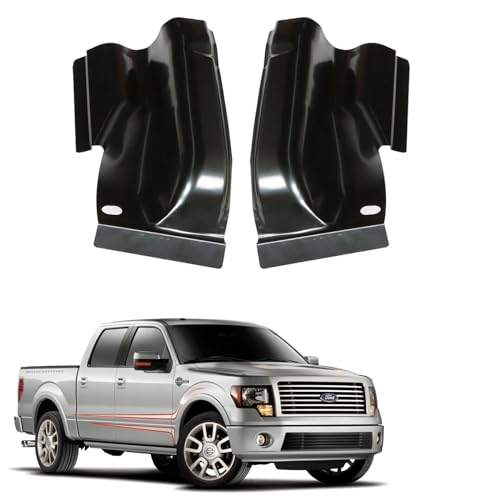
- Frame Rot: Pay close attention to the frame rails, especially around the steering box mount, radius arm pockets, and rear leaf spring hangers.
- Cab Corners & Rocker Panels: These are notorious for rusting from the inside out. Look for bubbling paint or soft spots.
- Floor Pans: Lift the rubber floor mat or carpet to inspect for holes, especially under the driver’s feet and near the cab mounts.
- Bed Floor & Supports: Check the bed floor for rust-through and inspect the cross-member supports underneath.
How to Inspect
- Bring a flashlight and a small hammer or screwdriver.
- Visually inspect the entire length of the frame on both sides. Look for flaking metal or fresh undercoating that could hide problems.
- Gently tap suspect areas of the frame with the hammer. A solid “thud” is good; a crunchy or hollow sound indicates significant rust.
- Press firmly on the lower cab corners and rocker panels with your thumb to check for softness or flex.
- Get inside the cab and pull back the flooring to expose the metal floor pans for a direct visual check.
Pro-Tip: In my experience, a truck from a dry climate with a faded, original paint F150 finish is often a better starting point than a freshly repainted truck from a rust-belt state. The patina is honest; new paint can hide cheap Rust Repair.
2. Evaluate the Engine’s Health (300 I6 vs. V8)

Save this engine check guide for your next truck inspection!
What to Look For
- Engine Options: The most common are the nearly indestructible Ford 300 inline 6 (known for torque) and the classic 302 V8 Engine (known for its sound and aftermarket support). The 351 Windsor V8 was also available.
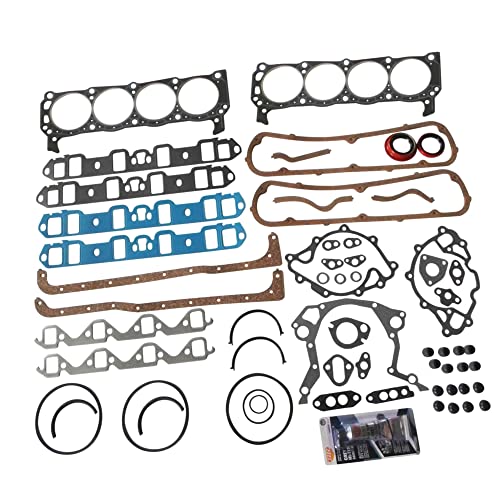
- Obvious Leaks: Check for oil leaking from valve covers, the oil pan, and the rear main seal (between engine and transmission). Look for coolant leaks from the radiator, hoses, and water pump.
- Smoke from Exhaust: Blue smoke indicates burning oil (bad valve seals or piston rings). White smoke (if sweet-smelling) can indicate a head gasket leak.
- Vacuum Lines: These trucks have a complex network of vacuum lines controlling the Feedback Carburetor and emissions systems. Cracked or disconnected lines cause Hard Starting and poor performance.
How to Inspect
- Start the engine cold. Listen for unusual noises like knocking, ticking, or squealing belts. A cold start is the best test.
- Let the engine warm up and watch the temperature gauge. It should sit in the middle of the normal range.
- Check the oil dipstick. Look for milky, brown oil, which indicates coolant is mixing with the oil (a major red flag).
- With the engine running, listen for hissing sounds around the carburetor and intake manifold, which would indicate a Vacuum Leak.
- Perform a test drive to see how the engine performs under load. Note any hesitation or lack of power.
Pro-Tip: Many 1984 models were equipped with the Feedback Carburetor and EEC-IV Computer Control system. If you experience running issues, a common and effective upgrade is to convert to a simpler, non-feedback Holley Carburetor and a Duraspark II Ignition system from an earlier truck.
3. Test the Complete 4×4 Drivetrain

Don’t get stuck! Pin this 4×4 check to your truck board.
What to Look For
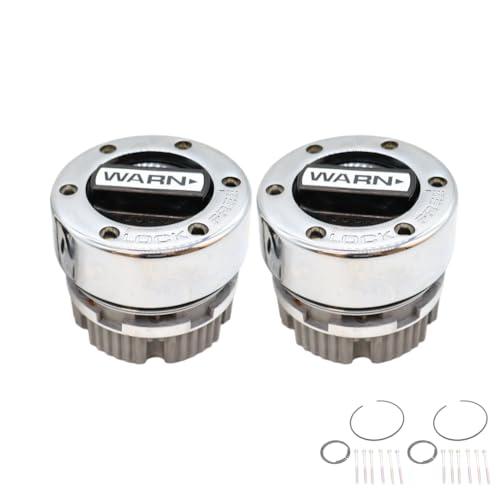
- Manual Locking Hubs: Most 1984 Ford F150 4×4 models came with manual hubs on the front wheels. They should turn smoothly from “FREE” to “LOCK.”
- Transfer Case Shifter: The floor-mounted shifter should move firmly between 2H (2-Wheel Drive High), 4H (4-Wheel Drive High), and 4L (4-Wheel Drive Low).
- Driveshafts: Look underneath to ensure both the rear and front driveshafts are present and the U-joints appear solid.
- Leaks: Check the transfer case and both front and rear differentials for signs of gear oil leaks.
How to Inspect
- With the truck parked, get out and turn both front hubs from “FREE” to “LOCK.”
- Get back in the truck, start the engine, and put the transmission in neutral.
- Shift the transfer case from 2H to 4H. It should engage with a firm clunk.
- Drive forward slowly on a loose surface (like gravel or dirt, never dry pavement) and make a slow turn. You should feel the steering tighten and the front wheels pulling, indicating 4H is working.
- To test 4L, come to a complete stop, put the transmission in neutral, and pull the shifter firmly back into 4L. Drive forward slowly; you will feel the much lower gearing.
- Listen for any Transfer Case Grinding or popping noises during engagement or driving.
Pro-Tip: The T-Case Linkage bushings are a common failure point. If the shifter feels excessively sloppy or won’t engage, it’s often due to small, inexpensive plastic bushings in the linkage having disintegrated over time. This is a relatively easy fix.
4. Troubleshoot the Twin Traction Beam (TTB) Front Suspension

Pin this TTB suspension guide to your ‘Off-Road Builds’ board!
What to Look For
- Uneven Tire Wear: The most obvious sign of TTB Alignment Issues is the top of the front tires leaning in or out (negative or positive camber), causing excessive wear on the inner or outer tire edges.
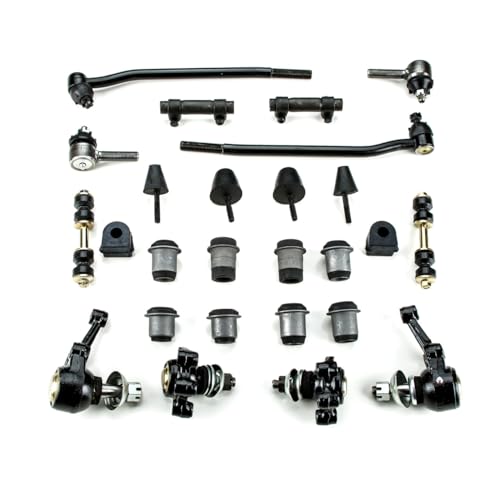
- Worn Bushings: The TTB system relies heavily on large Radius Arm Bushings and pivot bushings. Look for cracked, dry-rotted, or missing rubber.
- Sagging Springs: The front coil springs can weaken over 40 years, causing the front end to sit low.
- Steering Play: Excessive play or looseness in the steering wheel can indicate worn tie rods, ball joints, or a worn steering box.
How to Inspect
- Stand back from the front of the truck on a level surface and visually inspect the front tires. Do they appear to stand straight up, or are they tilted?
- During the test drive, pay close attention to the steering. Does the truck wander or require constant correction?
- Find a rough patch of road. Drive over it and listen for clunking or popping sounds from the front end.
- After the drive, feel the front shocks. If one is much hotter than the other or covered in fluid, it’s likely bad.
- Look for signs of “Death Wobble”, a violent shaking of the front end after hitting a bump, which points to severely worn components.
Pro-Tip: Proper Twin Traction Beam Geometry is crucial. Many alignment shops don’t know how to properly align these trucks. A proper alignment requires installing specialized Camber Adjustment Shims. If a seller says “it just needs an alignment,” be skeptical; it likely needs worn parts replaced first.
5. Check for Dual Fuel Tank Switching Problems

Pin this vital tip—don’t get stranded by a bad fuel tank switch!
What to Look For
- Selector Switch: The small switch on the dash controls which tank the fuel gauge reads and, on some models, which tank the engine draws from.
- Fuel Gauge Reading: The fuel gauge should change its reading when you flip the switch (assuming different fuel levels in each tank).
- Selector Valve: A mechanical valve on the driver’s side frame rail is the most common point of failure. It’s prone to sticking or leaking.
How to Inspect
- Ask the seller if both tanks are functional. Many owners just use one tank if the system is broken.
- With the ignition on, flip the selector switch between “FRONT” and “REAR.”
- Watch the fuel gauge. It should move to reflect the level in the selected tank. This tests the switch and the in-tank sending units.
- If possible, drive the truck and run it off each tank for a few minutes to ensure it pulls fuel from both.
- Look at the selector valve on the frame rail for any signs of fuel leaks.
Pro-Tip: The most common Dual Tank Switching Problem is a failed selector valve. A bad valve can cause the truck to pump fuel from one tank into the other, eventually causing the receiving tank to overflow and spill gas on the ground. This is a must-check safety issue.

6. Verify the Brakes and Steering Systems

Stay safe on the road. Pin this brake and steering checklist.
What to Look For
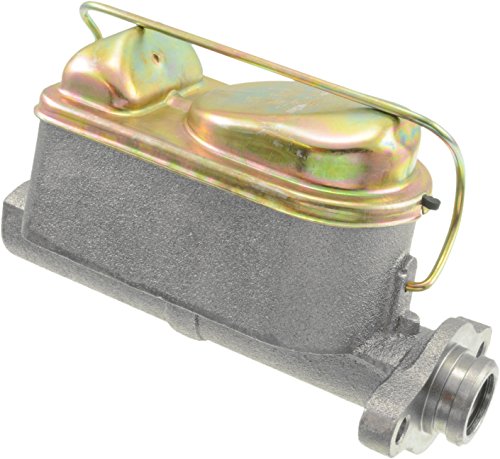
- Spongy Brake Pedal: The brake pedal should feel firm. A soft or spongy pedal that goes to the floor indicates air in the lines, a bad master cylinder, or a leak.
- Steering Wander: The truck should track relatively straight on a flat road. Constant correction points to worn steering components.
- Leaking Fluids: Check the power steering pump for leaks and listen for whining noises when turning the wheel. Inspect the master cylinder and brake lines for any signs of brake fluid leaks.
- Pulling Under Braking: When you apply the brakes, the truck should stop in a straight line. Pulling to one side indicates a stuck caliper or other brake issue.
How to Inspect
- With the engine off, pump the brake pedal several times. It should get very firm. Hold pressure on the pedal and start the engine; the pedal should drop slightly. This confirms the brake booster is working.
- During the test drive, find a safe, empty area and perform a firm stop from about 30 mph to check for pulling.
- Feel the steering wheel for excessive “play” or looseness before the wheels start to turn. A small amount is normal, but more than a few inches is a problem.
- Turn the steering wheel from lock to lock while parked and listen for any grinding or popping from the power steering pump or steering components.
Pro-Tip: The stock Ford steering boxes are a known weak point. A very popular and effective upgrade is a Saginas Steering Swap, using a steering box from a 2WD F-series truck. If a truck has this upgrade, it’s a significant improvement in steering feel and reliability.
7. Examine the Interior for Wear and Authenticity

A clean interior is a sign of a well-cared-for truck. Pin this tip!
What to Look For
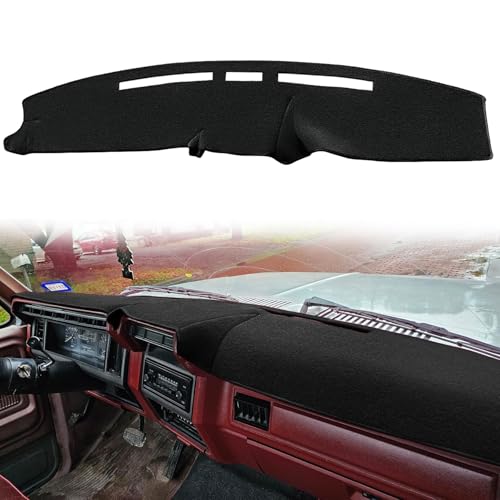
- Cracked Dash: The single most common interior problem. The original plastic dashboards are extremely prone to cracking from sun exposure.
- Seat Condition: Check for torn upholstery, collapsed foam, and a broken frame. Original seat material is difficult to find.
- Headliner: Look for a sagging or missing headliner.
- Door Panels: Check that the door panels are secure and that the armrests aren’t cracked or broken.
- Gauges and Controls: Ensure all gauges appear to work and that heater/AC controls move freely.
How to Inspect
- Do a visual sweep of the entire interior, noting the overall condition. Does it look cared for or neglected?
- Press on the dashboard in several places to check for brittleness and the severity of any cracks.
- Sit in the driver’s seat. Does it feel supportive, or do you sink into it?
- Operate the window cranks and door locks to ensure they function smoothly.
- Check the heater/AC controls. Slide them through their full range of motion. A stuck cable is a common issue.
Pro-Tip: Interior parts for Bullnose trucks are getting harder to find. A truck with a perfect, uncracked dash and clean original seat is significantly more valuable and desirable than one with a trashed interior. Companies like LMC Truck and National Parts Depot offer replacements, but a good original is always best.
8. Test All Electrical Components and Lights

Don’t get left in the dark. Save this electrical checklist!
What to Look For
- Flickering Lights: Headlights that flicker or dim at idle can indicate a weak alternator or a bad ground.
- Non-Functional Accessories: Check the horn, wipers, radio, and interior lights.
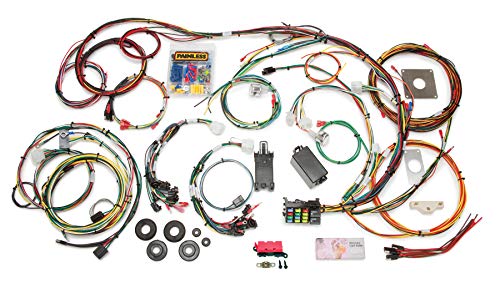
- Modified Wiring: Look for sloppy, unprofessional wiring additions under the dash or in the engine bay, often using mismatched connectors and electrical tape. This is a major red flag for future Electrical Short issues.
- Corroded Fuse Box: Check the fuse box for any signs of corrosion or melted fuses.
How to Inspect
- Start with the truck off. Turn the key to the “on” position and test the horn and interior lights.
- Turn the headlight switch through all its positions: parking lights, headlights, and high beams. Walk around the truck to verify all are working.
- Test the turn signals and brake lights. You may need a friend to help check the brake lights.
- Start the engine and test the windshield wipers on all speeds.
- Turn on all accessories at once (headlights, wipers, radio, heater fan on high) and watch the voltage or battery gauge. It should not drop dramatically.
Pro-Tip: The stock “1G” and “2G” alternators on these trucks are notoriously weak and can even be a fire hazard. A very common and highly recommended reliability upgrade is the 3G Alternator Upgrade, using an alternator from a mid-90s Ford Taurus or Mustang. It provides much more power at idle and is internally regulated.
9. Decode the VIN and Check for Paperwork

The final check is the most important! Pin this legal tip.
What to Look For
- Clean Title: The seller must have a physical title in their name. Never buy a classic vehicle with just a bill of sale or a lost title story.
- Matching VINs: The Vehicle Identification Number (VIN) on the title must match the VIN on the truck.
- Service History: While often rare for a 40-year-old truck, any receipts or Service History is a huge bonus and indicates a well-maintained vehicle.
How to Inspect
- Ask to see the title early in the process. Make sure the name on the title matches the seller’s ID.
- Locate the VIN on the truck. The easiest place to see it is on the safety certification sticker on the driver’s side door jamb.
- Compare the door jamb VIN to the VIN on the seller’s title. They must be identical.
- For a more thorough check, locate the VIN stamped into the passenger side frame rail, usually in the engine bay area. This is the permanent, legal VIN.
- Use an online **VIN Decoder to confirm the truck’s original engine, assembly plant, and other basic specs.
Pro-Tip: For the ultimate verification and to learn everything about how your specific truck left the factory, you can order a Marti Report. This licensed service uses Ford’s original production databases to tell you the exact production date, selling dealer, and all factory-installed options and colors, confirming its matching numbers authenticity.

Key Takeaways: Your Quick Guide to Buying a 1984 Ford F150 4×4
Here is a quick summary of the most critical inspection points to remember when you’re looking at a Bullnose Ford truck.
- Rust is the Enemy: The single most important factor is the condition of the frame and cab. Prioritize a truck with a solid, rust free frame over one with a perfect engine but Frame Rot.
- Master the TTB Suspension: Don’t be afraid of the Twin Traction Beam suspension, but know its weaknesses. Uneven tire wear is a major red flag for expensive bushing and ball joint replacement.
- Test the 4×4 System Correctly: Always engage the Manual locking hubs first, then shift the 4×4 transfer case on a loose surface. Grinding or failure to engage points to potentially costly repairs.
- Engine Choice Matters Less than Condition: Both the Ford 300 inline 6 and 302 V8 are reliable. Focus on finding one that is well-maintained, free of leaks, and doesn’t smoke.
- Paperwork is Paramount: A clean title with a matching VIN is non-negotiable. Use a VIN Decoder to verify the truck’s original specs before you buy.
- Common Problems are Opportunities: Issues like a bad Dual Tank Switching Problem or a Cracked Dash are extremely common and can be used as negotiation points if the core of the truck is solid.
People Also Ask About the 1984 Ford F150 4×4
How much is a 1984 Ford F150 4×4 worth?
A 1984 Ford F150 4×4’s value in 2026 ranges from $3,000 for a project truck to over $25,000 for a restored, low-mileage example. Market data shows the average price hovers around $10,000-$15,000. Key value drivers include condition (especially rust), bed length (Short Bed and Flareside models are most valuable), engine type, and originality. A Short bed 4×4 with a V8 and a manual transmission is considered one of the most desirable configurations.
What is a Ford Bullnose truck?
A “Bullnose” Ford is the nickname for the seventh generation of Ford F-Series trucks, produced from 1980 to 1986. The name comes from the front-end styling, which features a slightly rounded nose and grille that leans forward at the top, resembling a bull’s nose. This era is highly prized by collectors for its classic, squared-off body lines combined with more modern (at the time) features like the Twin Traction Beam independent front suspension.
What engines were available in the 1984 F150?
The primary engine options for the 1984 F150 were the 300ci Inline 6, the 302ci (5.0L) V8, and the 351ci (5.8L) Windsor V8. A smaller 232ci V6 and a diesel option were technically available but are very rare today. The Ford 300 inline 6 is legendary for its durability and low-end torque, while the 302 V8 is popular for its classic V8 sound and huge aftermarket support.
Is the 1984 Ford F150 a good truck?
Yes, the 1984 Ford F150 is considered a very good classic truck, known for its simple mechanics, tough build, and timeless style. Its Proven Durability makes it a popular choice for restoration, daily driving, and off-road builds. However, as a 40-year-old vehicle, its reliability depends entirely on its maintenance history. Common issues like TTB Alignment Issues and rust are significant factors to consider before purchasing.
How do you engage 4×4 on a 1984 Ford F150?
To engage the 4×4, you must first manually turn the dials on the front wheel hubs from “FREE” to “LOCK.” After locking the hubs, get inside the truck, put the transmission in neutral, and pull the floor-mounted transfer case shifter from “2H” to “4H” for high-range 4WD. For low-range, come to a complete stop, keep the transmission in neutral, and pull the shifter back to “4L”.
Are 1984 F150 trucks fuel injected?
No, the vast majority of 1984 Ford F150 trucks were not fuel injected; they used carburetors. Most models were equipped with either a standard carburetor or the more complex Feedback Carburetor system, which was part of the early EEC-IV Computer Control emissions system. Ford began introducing Electronic Fuel Injection (EFI) to its truck lines in 1985 on the 302 V8.
What is the lug pattern for a 1984 F150?
The lug pattern for a 1984 Ford F150 4×4 is 5×5.5 inches (also commonly written as 5×139.7mm). This is a very common Ford truck bolt pattern that was used for many years on the F-150 and full-size Bronco. This allows for a wide variety of factory and aftermarket wheel choices from different eras.
Which transfer case is in a 1984 F150 4×4?
Most 1984 Ford F150 4x4s were equipped with a BorgWarner 1345 part-time transfer case. This is a strong, chain-driven unit with a cast magnesium case. It is known for being reliable and features a simple, mechanical shift linkage. It offers 2-High, 4-High, and 4-Low ranges but does not have an all-wheel-drive (full-time) setting.
How do you fix the dual fuel tank switch on a 1984 F150?
Fixing the dual fuel tank system usually involves replacing the frame-mounted selector valve, not just the dash switch. The 6-port fuel tank selector valve is the most common failure point. When it fails, it can prevent the gauge from reading correctly or, more dangerously, cause fuel to be pumped from one tank into the other. Replacing this valve is the standard solution to the Dual Tank Switching Problem.
Is the 1984 F150 TTB axle good?
The Twin Traction Beam (TTB) axle is a good and durable design for its intended purpose, offering superior ride quality over a solid axle. However, it is often misunderstood and prone to wear. When the pivot bushings, radius arm bushings, and ball joints are in good shape, the TTB system is excellent. When they wear out, it leads to chronic TTB Alignment Issues and uneven tire wear. Its quality is entirely dependent on its maintenance.
Final Thoughts on Buying a Bullnose Ford F150
Armed with this 9-point inspection guide, you are now prepared to confidently navigate the market for a 1984 Ford F150 4×4. The key to a successful purchase is knowledge and patience. By prioritizing a solid, rust-free foundation and methodically checking the known weak points like the Twin Traction Beam suspension and 4×4 transfer case, you can avoid major pitfalls. Remember that every 40-year-old truck will have its quirks, but this guide helps you distinguish between minor, negotiable flaws and critical, deal-breaking issues. Now you can focus on finding a great Bullnose Ford truck that will provide years of enjoyment and become a cherished part of Ford’s pickup heritage.
Last update on 2026-04-10 / Affiliate links / Images from Amazon Product Advertising API


![Car Living Sedan: 11 Stealth Hacks for a No-Build Setup [year]](https://i0.wp.com/carxplorer.com/wp-content/uploads/2026/04/Car-Living-Sedan-11-Stealth-Hacks-for-a-No-Build-Setup-year-1.jpg?resize=60%2C60&ssl=1 "Car Living Sedan: 11 Stealth Hacks for a No-Build Setup [year] 26")
